,regionOfInterest=(680,425)&hash=942270b6729cb407393803aab08773b41c0d8f80b728e5e2f01c9792437d8572)
In the new ZDF documentary "Strawberries - Enjoyment with a Aftertaste", journalist Judith Paland travels to the Spanish province of Huelva in Andalusia to document the strawberry industry. The documentary focuses on the harsh working conditions of seasonal workers who live in the illegal settlements without electricity, water or sanitary facilities. The strawberry industry's water consumption is also a focus as the groundwater table in Doñana National Park is considered threatened.

Iran says a deal with the US could be signed within the coming days. Washington wants to get rid of Iran's nuclear material. The IMF wants Kiev to raise taxes on regular Ukrainians to pay off the national debt. There is outrage in Kenya as the US seeks to set up an Ebola quarantine facility to serve American citizens.
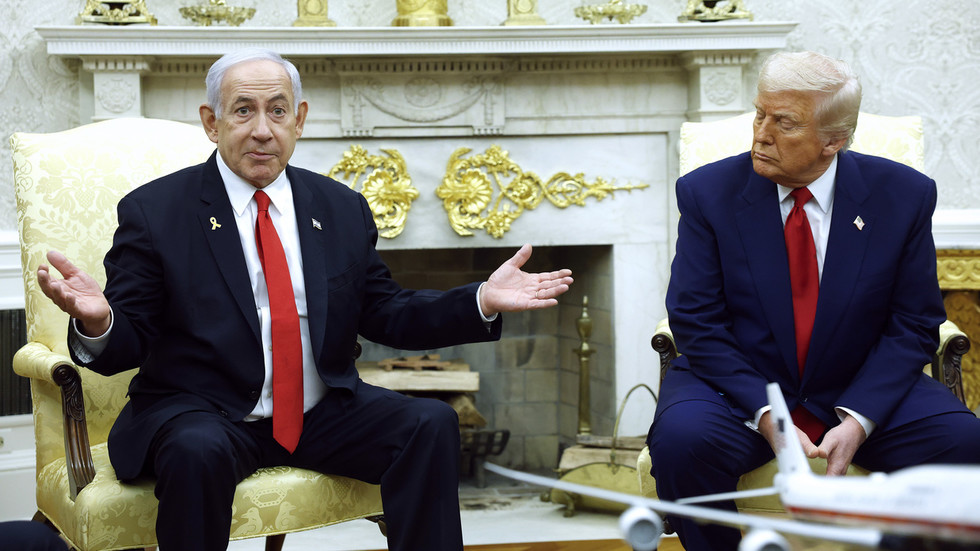
Ynet reports that Israeli officials are unhappy with the emerging US-Iran peace deal. They believe it fails the objectives set prior to the war. The agreement will be interpreted as the US bowing to pressure from Tehran, according to Ynet sources. It would reopen the Strait of Hormuz without toll regime, lift the American naval blockade on Iranian ports, ease sanctions on Tehran, and defer nuclear talks to later.

There's an open U.S. Senate seat in Minnesota. Lt. Gov. Peggy Flanagan is running against Rep. Angie Craig for the Democratic-Farmer-Labor Party nomination. The immigration invasion in the state changed the political landscape. 57% of the delegates at the party's convention were first-time participants.

Fatima Cheikh Mohammad Bouya runs a tent in the Adrar Plateau, Mauritania. The Richat Structure, also known as the “Eye of Africa”, is a colossal circular formation measuring about 40 km in diameter. Mauritania used to attract 30,000 tourists a year, but since the mid-2000s, security measures have been put in place. The government is now stepping up marketing campaigns.

This week's selection includes A Father and Son in New Orleans, The Whimsy and Heartbreak of America’s Garage Sales, Inside the White House Freak Out Over the Epstein Files, The Demise of Real Neighborhoods Is a Story of Finance and People Are Paying the Price.

There are many institutional products being built around Bitcoin. They include a $40 million insurance reserve in Barbados, an S&P-rated bond deal sold to Wall Street investors by Jefferies, and the very first Bitcoin bond. The products are similar to those used in the financial system for Treasuries and gold.

Weekly digital edition of SPIEGEL includes e-paper (PDF), digital archive and S+ newsletter. Free access to all S+ articles on SPIEGel.de and in the app (e-paper, digital archive, and newsletter). For more information, visit the website.
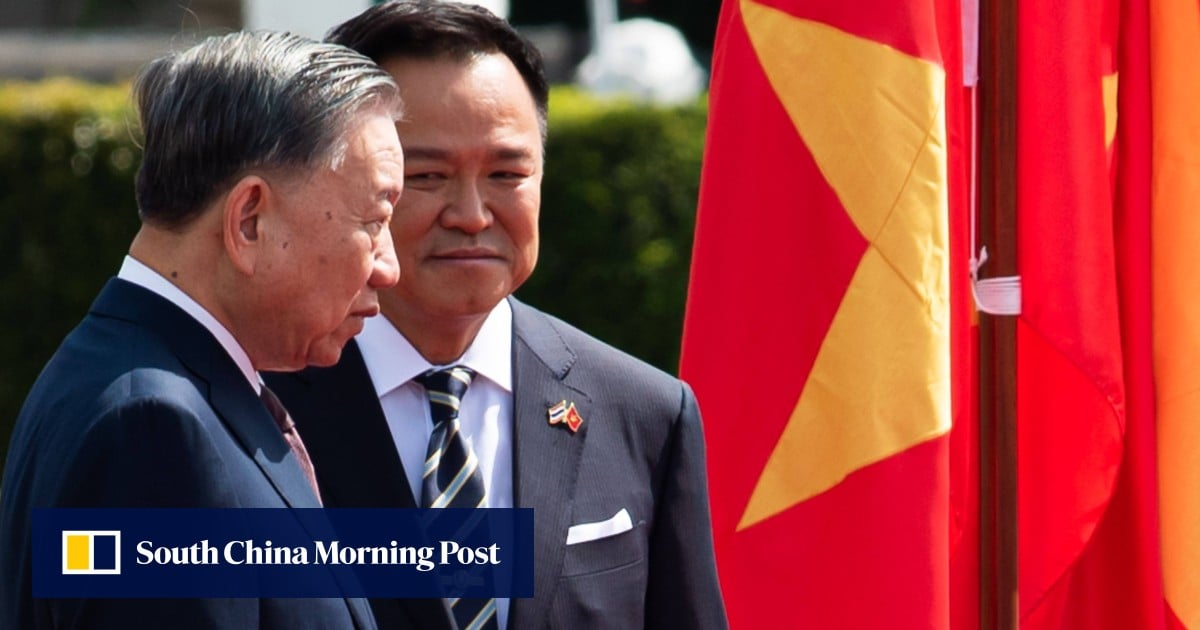
Vietnam and Thailand are the second and third-largest economies in Southeast Asia. They have a shared external shock: the fracturing of the rules-based trading order, reconfigured global supply chains and intensifying US-China competition. Bilateral trade between Thailand and Vietnam reached roughly US$8.6 billion in the first four months of this year. Thailand ranks second only to Singapore as the top source of foreign direct investment into Vietnam from within Asean, with total registered capital exceeding US$15.4 billion. Vietnam is aiming for double-digit economic growth this decade.
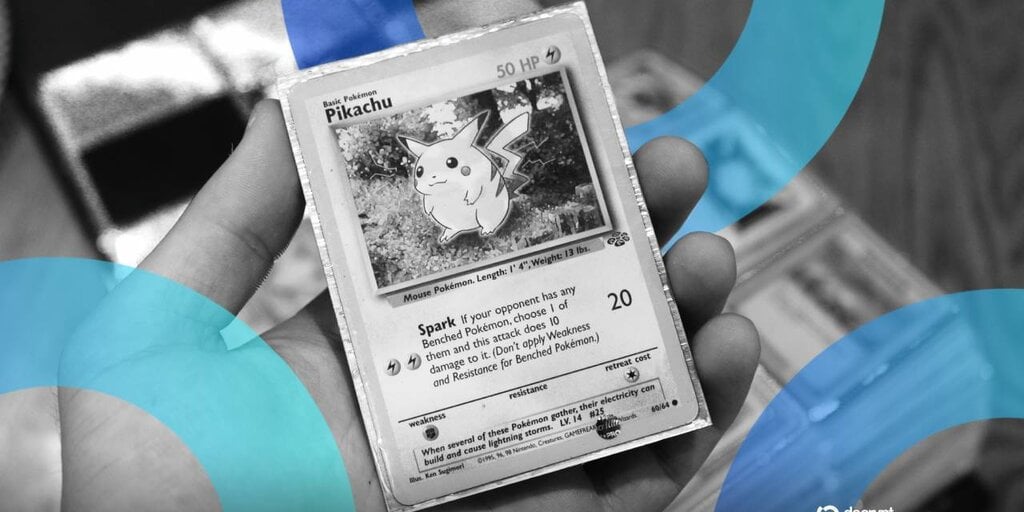
There is a growing market for trading cards with tokenized versions of the popular playing cards. The top seven platforms for tokenized Pokémon cards generated $230 million in sales via gacha games in May, up from $32 million a year ago. The global market for NFTs stood at $2.4 billion as of Friday.

The Verge's David Pierce, Nilay Patel, John Higgins, and John Higgins are joined by Matt Rogers, the CEO of Mill and former co-founder of Nest, to talk about the history of the universal remote called Harmony. This is the first episode of the fourth season of Version History.
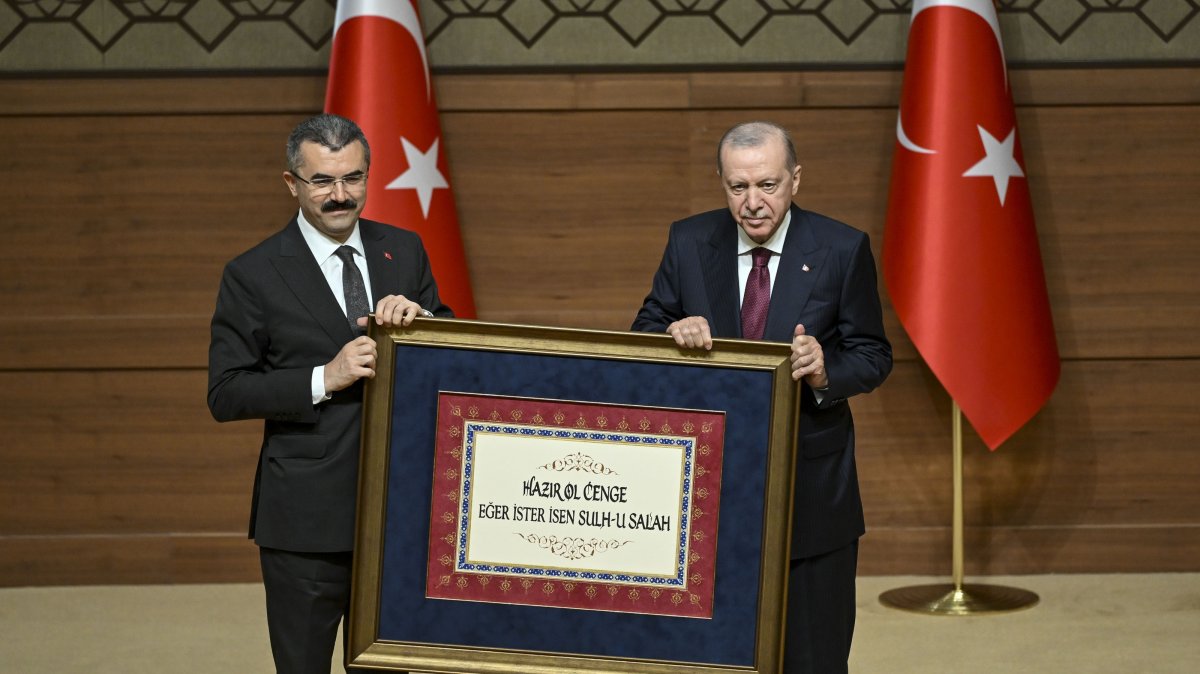
The National Security Council (NSC) recently launched a series of conferences to expand the outreach of the council from ministers and commanders to other top officials. In the past, the NSC was used as a tool to advance the agenda of certain circles instead of the country's security. In 2001, President Recep Tayyip Erdoğan launched the processes to end the military tutelage in 2001. The NSC now has a focus on national security priorities.
The Times of Israel's Daily Briefing is a 20-minute audio update on what's happening in Israel, the Middle East and the Jewish world. Diplomatic correspondent Lazar Berman joins host Amanda Borschel-Dan for today's episode. US President Donald Trump announced that the framework for a peace deal with Iran was scheduled to be signed on Sunday. Iran has denied the signing will take place so soon.

Daily Kos is facing financial hardships this year. We need to bring in more revenue. Donate $5 or $25 to help Daily Kos make ends meet. For confidential support call the National Suicide Prevention Lifeline at 1-800-273-8255 or visit their website.

Pentagon's 2027 budget request includes more than $73 billion for missile programs. The Pentagon expects deliveries of more than 2,100 air and missile defense interceptors in calendar year 2027, a 70% increase from nearly 1,300 in 2021. The current constraints reflect years of consolidation and a shift in the space industry.

Zurich halved the number of drug users and drove the scene out of the parks in the 90s. The city created fixers' rooms, emergency shelters, jobs and tough police operations at the same time as new prisons. Read with BILDplus.

Gold (XAU) rebounded from the $4,000 support area last week. The U.S. dollar weakened and inflation pressures remain high. Gold still needs to break above the key level to confirm the next rally phase. This article examines the PPI inflation shock, the oil supply risk, the dollar weakness and the key levels to determine the next move in gold.

This week, the editorial agenda covered a diverse spectrum of topics that connect the everyday with the social. In the sporting field, the focus shifted to football as a reflection of political, economic and national identity tensions. The challenges of entrepreneurship and economic management in a constantly changing environment were integrated.
Friendship Village of Schaumburg filed for bankruptcy in 2023. New York-based Encore Healthcare Services bought the 60-acre property for $114.8 million. Encore received a state license for a Supportive Living Program to receive reimbursement through Medicaid. About 40 tenants of the existing Apple building have to move to other units in Encore Village to make way for up to 150 people who qualify for the program.

Hangzhou Intermediate People's Court in the eastern city of Hangzhou ruled against a tech company that had fired one of its workers after he refused to accept a demotion and pay cut. The worker had been employed by a fintech firm to evaluate the accuracy of answers generated by AI models. Experts warn that the lack of a unified legislative framework is hampering efforts to tackle the problem.

The public consultation on Hong Kong's first five-year plan begins on Monday. The initiative is being led by Chief Executive John Lee Ka-chiu. The blueprint is expected to be finalised before the end of the year. It aims to address the city's shortcomings and enhance socio-economic benefits. The city will press ahead with the Northern Metropolis megaproject.

Geneva is on edge ahead of the G7 summit and related protests. The coalition of 60 associations, unions and left-wing groups wants to denounce "fascism and imperialism". The G7 brings together the leaders of Britain, Canada, France, Germany, Italy, Japan and the United States. Most of the leaders will arrive at Geneva Airport before making the journey to Evian. The main hospital has set up large tents in case of an influx of casualties.

Imad Rajih Sarhan, 47, died at Gilboa Prison in northern Israel on Sunday after 25 years in prison. Israeli authorities blame a heart attack for his death. Sarhan has been serving a life sentence in prison since Oct. 15, 2001. Palestinian Commission of Detainee’s Affairs and the Palestinian Prisoner Society say he was subjected to harsh interrogations and torture in his first years in jail.
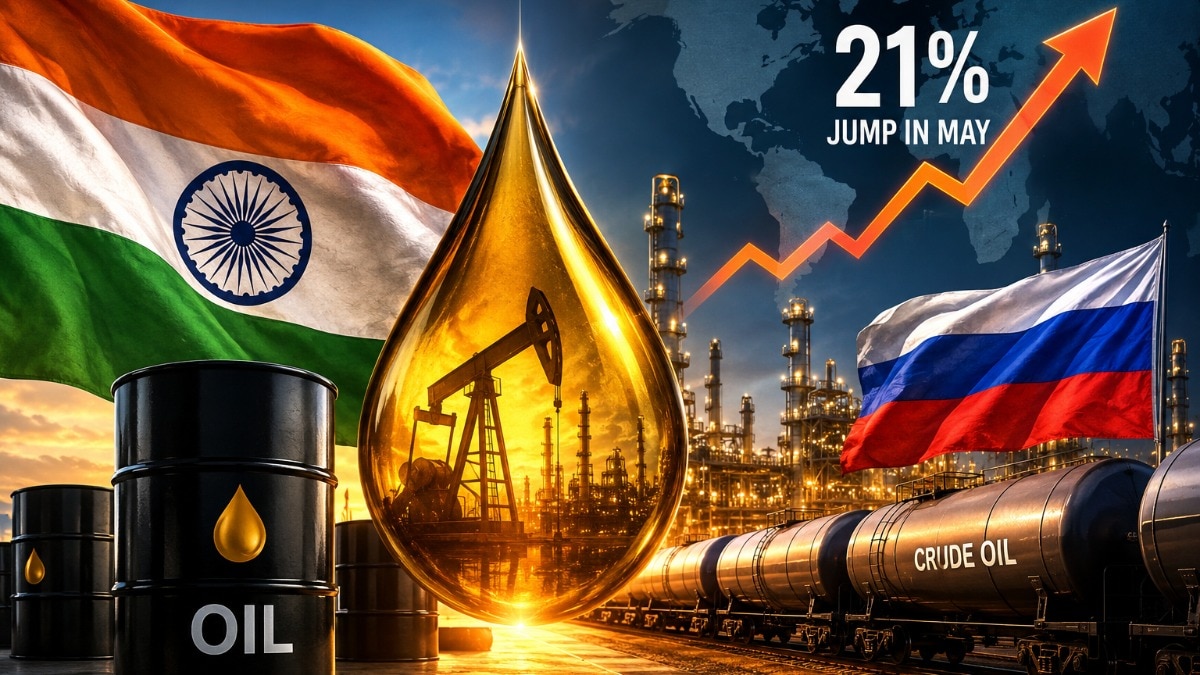
India is the world's second-largest buyer of Russian fossil fuels in May, importing €5.8 billion ($6.7 billion) worth of Russian hydrocarbons. Crude oil accounted for about 83% of India's imports from Russia during the month. Oil products and coal imports were valued at €550 million and €429 million, respectively.