
Israel and the U.S. are trying to prevent Iran from developing nuclear weapons. Iran has rejected the security architecture that has defined the Middle East since the late 20th century. Iran is one of the few surviving civilizations whose political identity predates the modern international system by millennia.
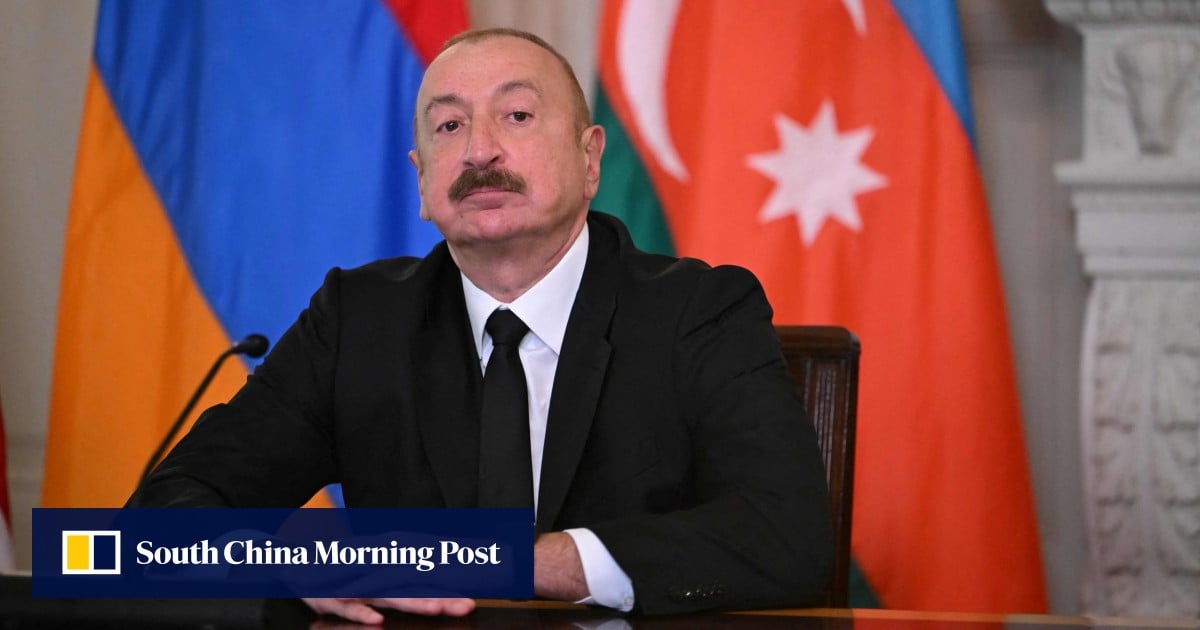
Iranian drones struck Nakhchivan International Airport in Azerbaijan on March 5. Azerbaijani President Ilham Aliyev mobilised the army, recalled diplomats from Tehran and suspended cross-border truck traffic. Kazakh President Kassym-Jomart Tokayev issued an unusually sharp condemnation.
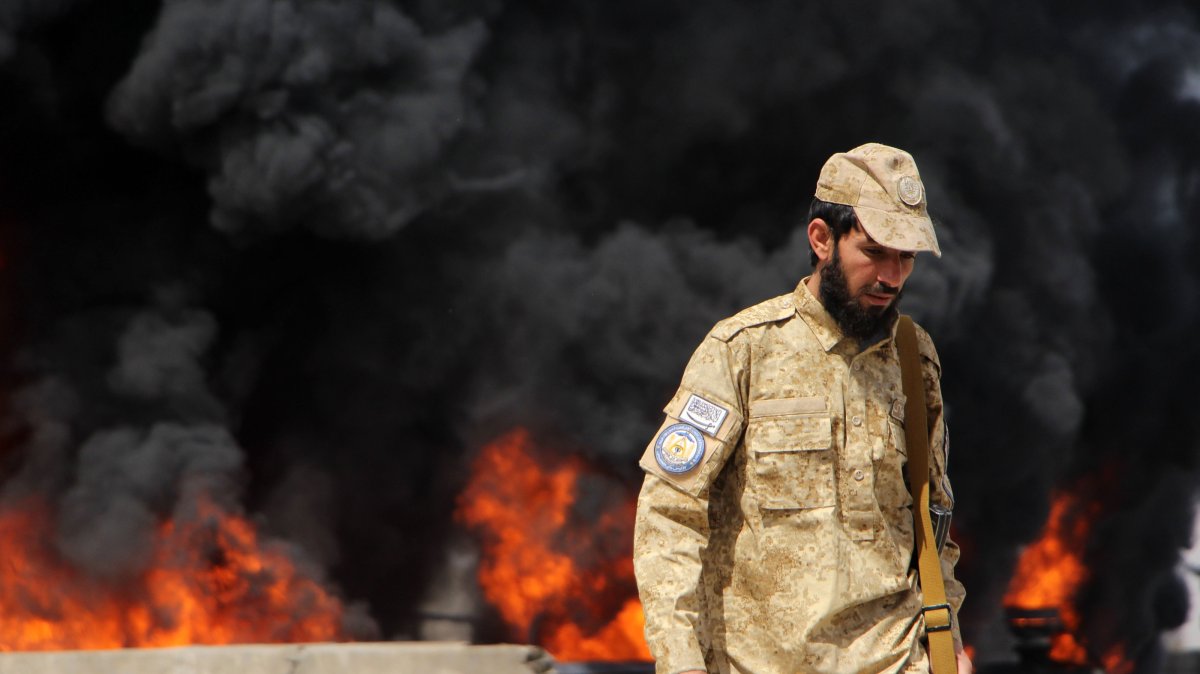
The Afghanistan-Pakistan conflict is destabilizing the region's security balance and threatening Central Asia's long-term trade and logistics strategies. Central Asian states are re-examining their security strategies. Border security has become a priority strategic issue for Tajikistan and Turkmenistan, which share a direct border with Afghanistan.

Gulf countries fired 800 American-made Patriot missiles at incoming Iranian missiles and drones in the first three days of the war with Iran. Ukraine fired 600 missiles in four years of war against Russia, but that's less than the amount fired by the Gulf countries.

The United States and Israel went to war with Iran. They were driven into it by the relentless drumbeat of political rhetoric, by catastrophic miscalculation, by the outsized egos of narcissistic leaders, and by two clocks ticking to entirely different rhythms. Trump and Netanyahu exhibit the clinical profile of narcissistic leadership.