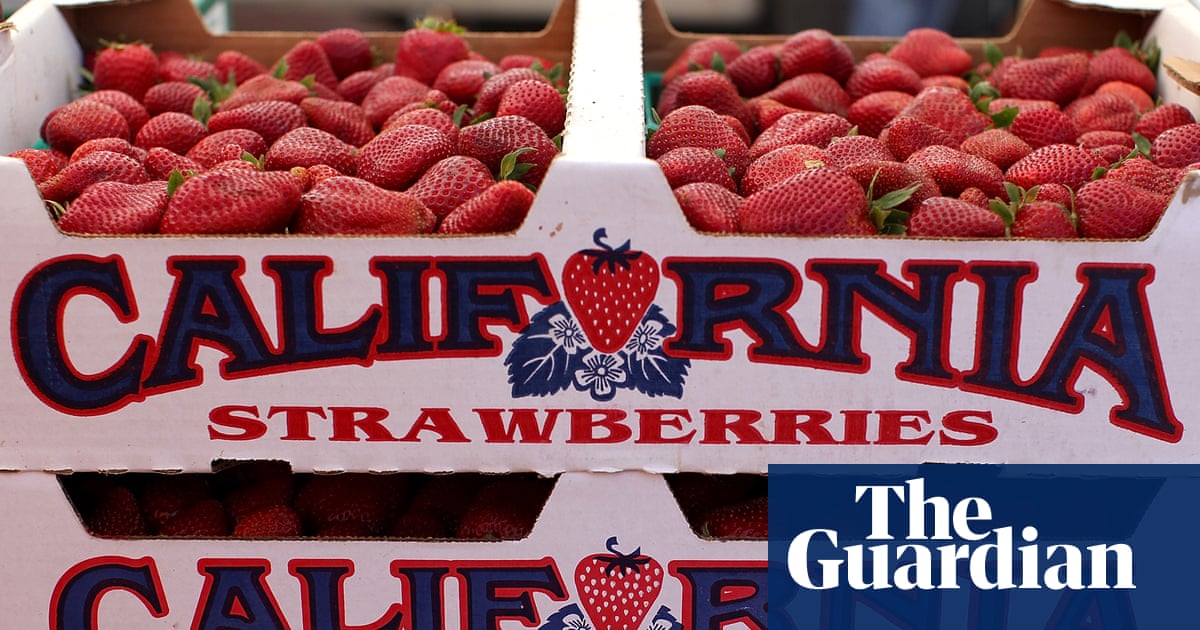
Pfas pesticide residues were found on 37% of conventional California produce, with peaches, strawberries and grapes almost always found to be contaminated with the toxic “forever chemicals”. The Environmental Working Group (EWG) non-profit conducted the analysis of California department of pesticide regulation residue testing records. The analysis coincided with the introduction of California legislation that would by 2035 fully ban Pfas from being used as active ingredients in pesticides and require warning labels.

40,000lbs of tofu was spilled in an accident near Jerome, Missouri, and left in the open for three weeks. The tofu spread into a local creek. The main threat has been contained, but cleanup and remediation efforts are still ongoing downstream. Last year, Doolittle firefighters had to respond to a crash in which a truck carrying 40,000lb of steaks burst into flames.

There are more farm bankruptcies in the U.S. Montana lost 14 percent of its farms between 2021 and 2025, but only 1 percent of farmland. Wildfires have destroyed 800,000 acres of land in Nebraska in the last two weeks. Nigeria's government will distribute 2.4 million clean cookstoves in the northern part of the country in 2026. Pacific Islander countries will receive US$42 million for climate change adaptation.
The Farm, Food, and National Security Act of 2026 fails to provide a robust farm safety net for all farmers. The National Sustainable Agriculture Coalition (NSAC) supports some of the proposals in the bill, but believes it's not a good enough solution for farmers' problems.
GAO published a report on engineered biofertilizers on March 16, 2026. They use genetic engineering and combine multiple strains of microbes to enhance their effectiveness. According to GAO, the opportunities of engineered bio fertilizer include increased crop yields, reduced fertilizer costs, and environmental benefits. The challenges include regulatory uncertainty, lack of widespread acceptance and cost-effectiveness.
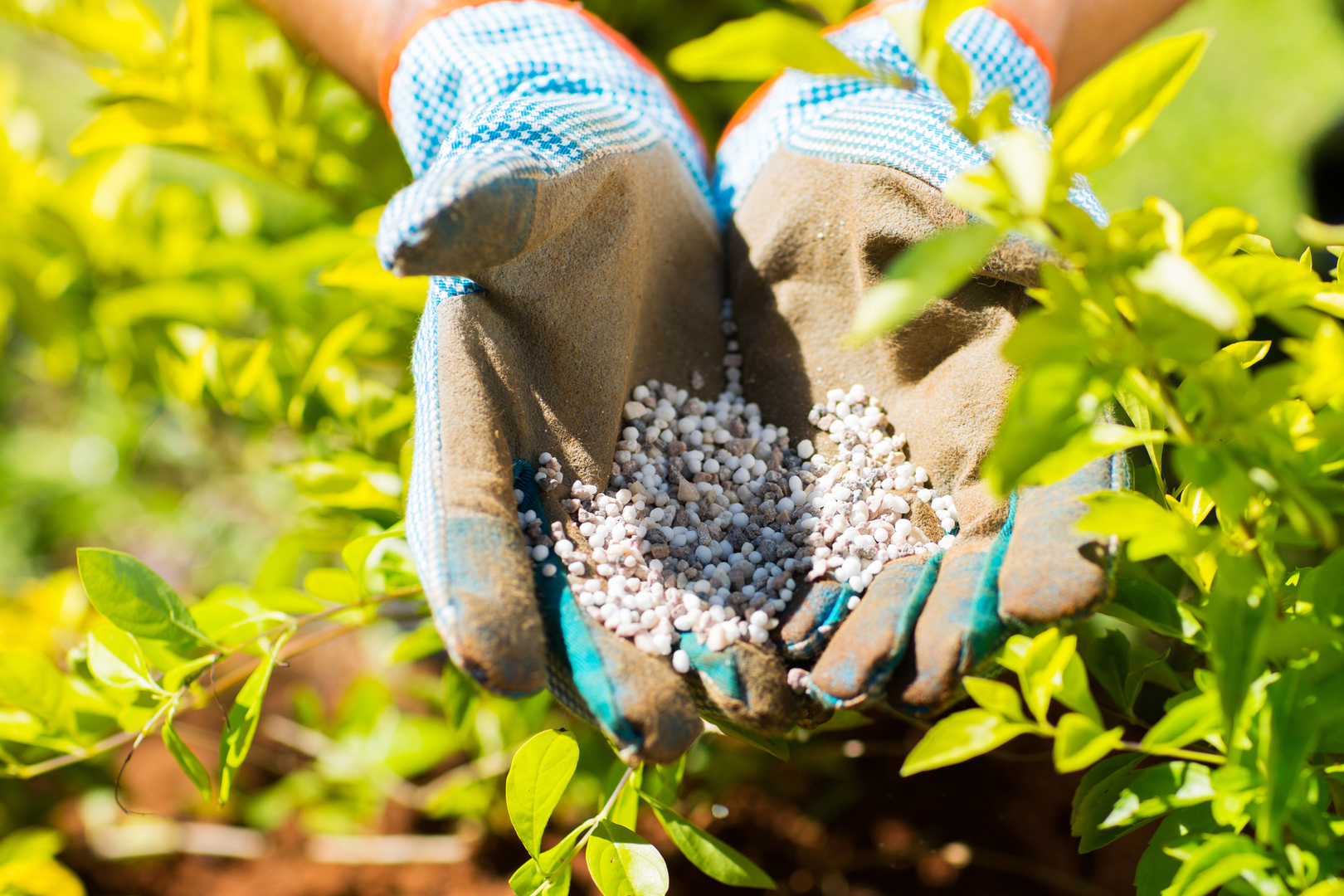
The conflict in the Middle East is disrupting supplies of urea, ammonia and sulfur for nearly a month. Almost 45% of nitrogen traded internationally is now disrupted or threatened. El Niño and climate change could be a major threat to agriculture by 2027. Global stocks of fertilizers are low and concentrated in China.

Finland will check if US weapons for Ukraine are delivered as agreed. Russia launched a large-scale attack on Odesa, including a maternity hospital and the Russian refinery at Yaroslavl. Flamingo cruise missiles attacked an explosives factory in Chapayevsk, Samara region.
,regionOfInterest=(2304,1296)&hash=04119d64ddb1bfe7483593d7c304c4b3202d6f55394c6f21d3487eb9318eb10a)
Rising gas prices drive up fertilizer prices and set off a chain reaction that hits consumers only after a delay. The world's most important nitrogen fertilizer, urea, currently costs around 650 US dollars per ton, up to 70 percent more than a few weeks ago. The Institute for Macroeconomics and Economic Research expects rising energy prices to cause inflation to rise.
EPA proposes to include microplastics and pharmaceuticals on a list of contaminants in drinking water for the first time. The agency is publishing the draft of the sixth version of the list and opening a 60-day public comment period. It expects to finalize the list by mid-November. Robert F. Kennedy Jr.'s MAHA movement has been pushing the EPA to crack down on environmental contaminants.
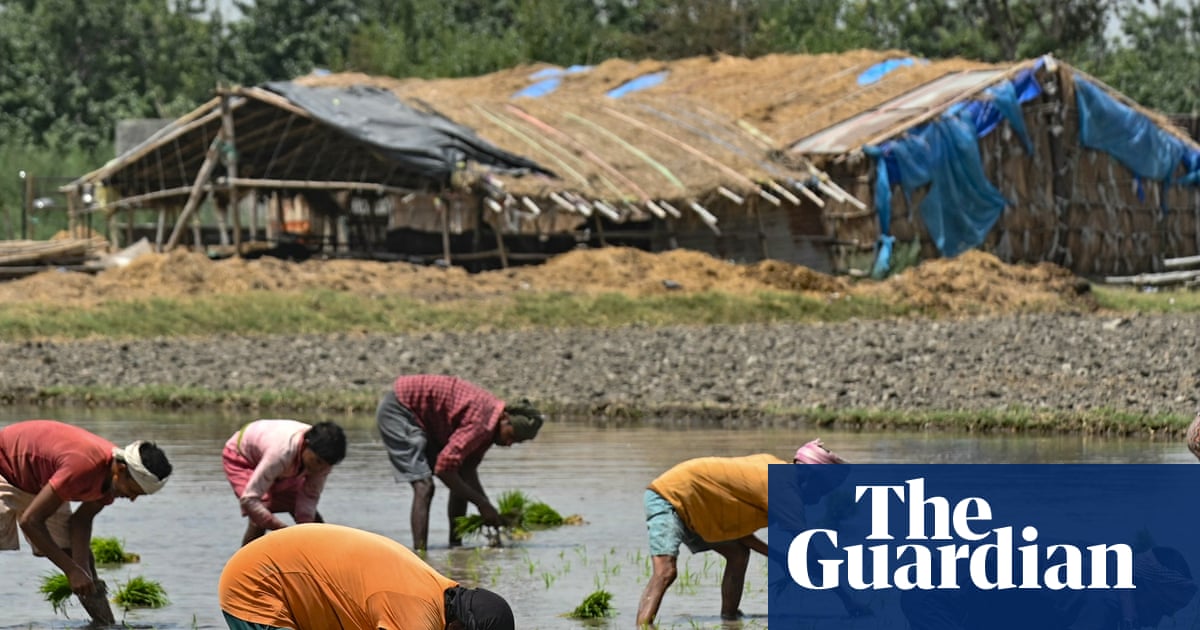
Iran's blockade of the Strait of Hormuz has sent the world into a tailspin over the impact on oil and gas supplies from the Gulf states. There are rising fears of food shortages and shrinking stockpiles, particularly in developing countries. South Asian countries such as India and Sri Lanka are particularly vulnerable, due to their heavy reliance on imported fertilisers and imported gas and fuel for farming.