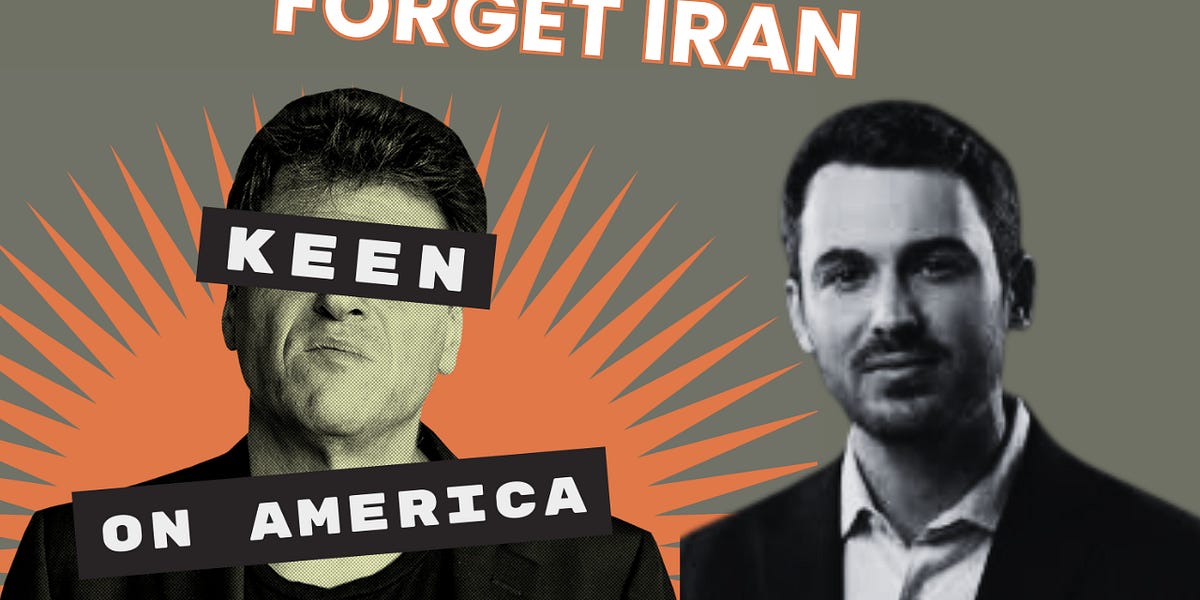
Eyck Freymann is author of Defending Taiwan: A Strategy to Prevent War with China. He believes that the fate of the 21st century may hinge on Taiwan. He warns that if America can't handle Iran, it's not ready for Beijing. Taiwan produces 90% of the world's advanced semiconductors and 99% of cutting-edge NVIDIA GPUs used to train frontier AI models.
Beijing will explore creating more low-value goods trade markets with Taipei and support Taiwanese small and medium-sized enterprises to expand their businesses on the Asian country's mainland. It will also seek to promote the coastal areas of Fujian to share water, electricity and gas supplies with the islands of Kinmen and Matsu, and promote the construction of sea crossing bridges that link both areas.

President Trump's trade agenda is paying off by slashing trade imbalances with major global powers in 2025 and reducing America's reliance on China, the White House said in a report to Congress. The goods deficit dropped from a monthly average of $100 billion plus in 2024 to below $90 billion in recent months. The report outlines hundreds of billions of dollars in energy purchases and manufacturing commitments from countries such as Japan, South Korea, the U.K. and the European Union.
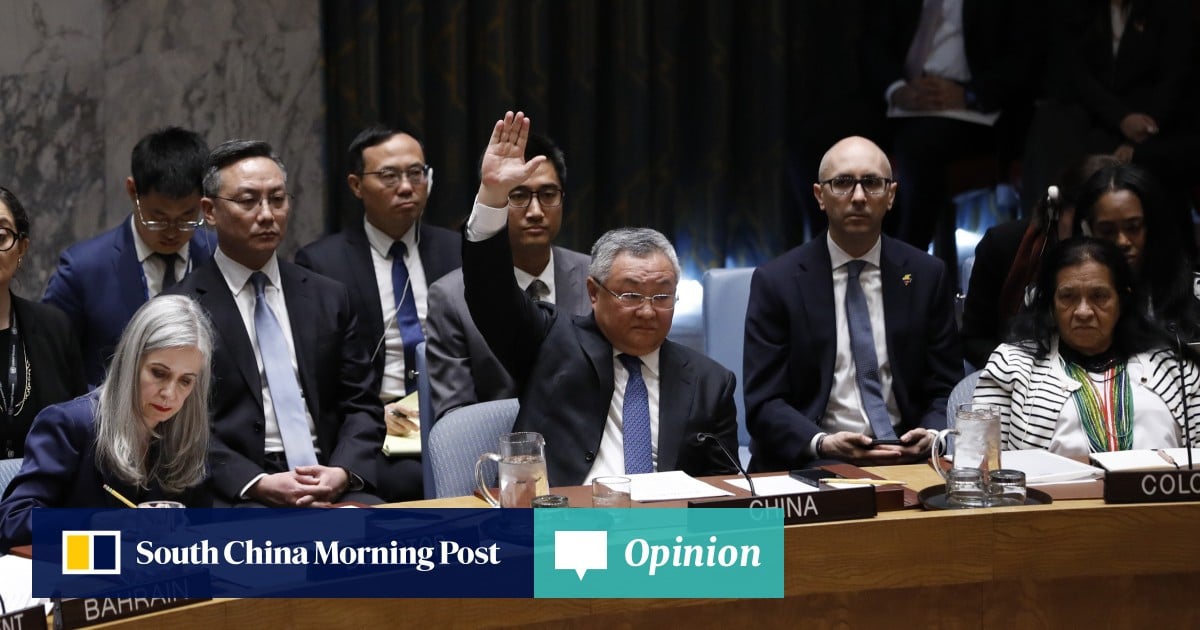
Since Donald Trump returned to the White House, Washington's posture towards trade, alliances and multilateral institutions has grown more opportunistic and erratic. Many, including China, question the stability of the global order established after the second world war. Washington's anxiety over China's rise has hardened Beijing's belief that the United States seeks to contain it. China has much to lose from such a shift.
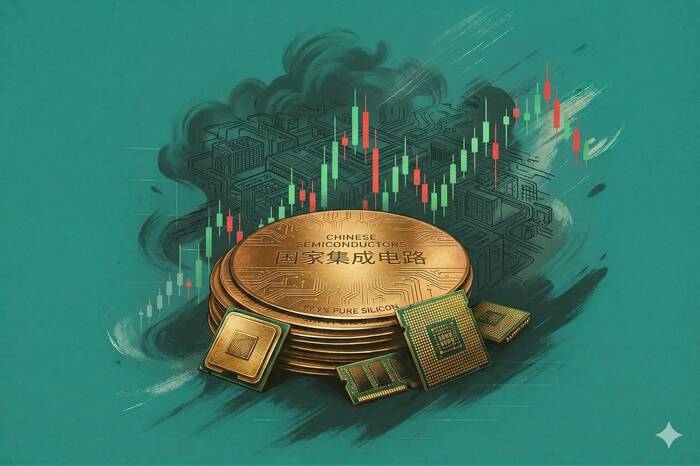
Domestic demand for AI chips has intensified as Chinese technology firms scale up their AI capabilities. US export controls were designed to slow China’s technological progress in advanced semiconductors. Beijing responded by channeling capital into domestic semiconductor companies and encouraging end-users to prioritize local sourcing.
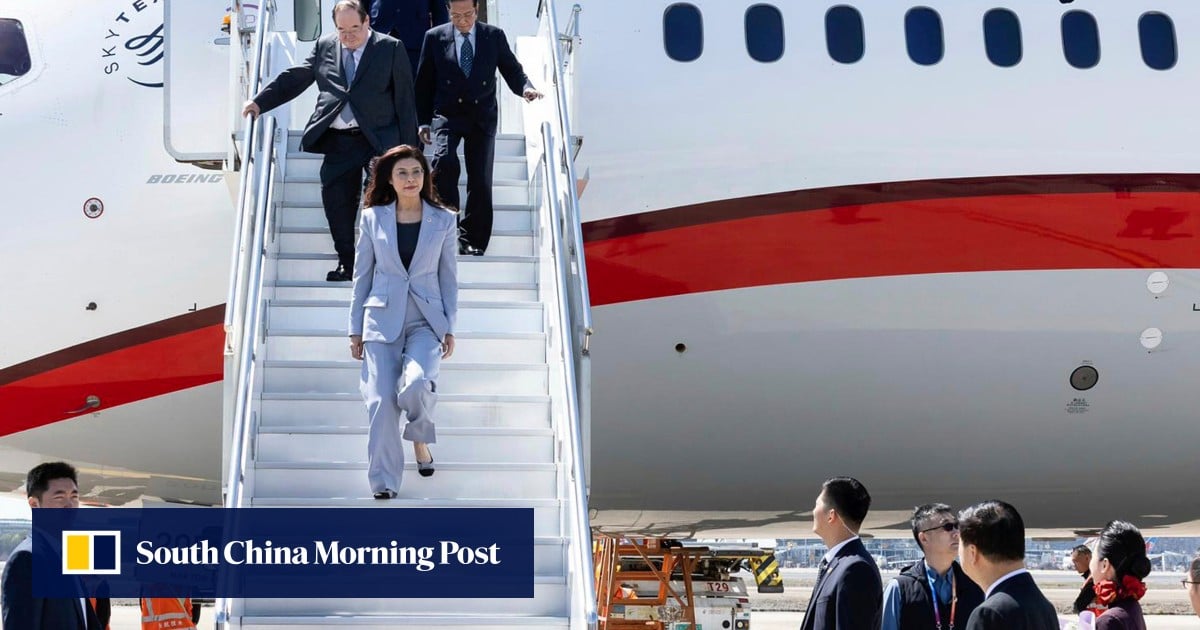
Beijing proposes 10 measures to promote cross-strait exchanges across economic sectors. Taiwan industry groups and businesses welcome the proposals. The main opposition Kuomintang party is relieved that the measures focus on economic and livelihood issues rather than politically sensitive themes. The package was unveiled on Sunday as KMT chairwoman Cheng Li-wun concluded a six-day visit to the mainland.

The conflict in Iran is a significant disruption to China's grand strategy. The relationship between Tehran and Beijing is changing the strategic math for every actor in the region. China's 25-year Comprehensive Strategic Partnership with Iran outlined up to $400 billion in Chinese investment in exchange for discounted oil and expanded military cooperation. Iran occupies a central role in China's broader geopolitical architecture. The Belt and Road Initiative and the International North-South Transport Corridor both run through Iranian territory.

Peter Magyar wants to provide a level playing field for all foreign companies in Hungary. He wants to review opaque deals and contracts signed during Viktor Orban's 16-year rule. China became the EU's top investment destination under Orban. Chinese businesses in Hungary are worried about losing their standing under the new government.
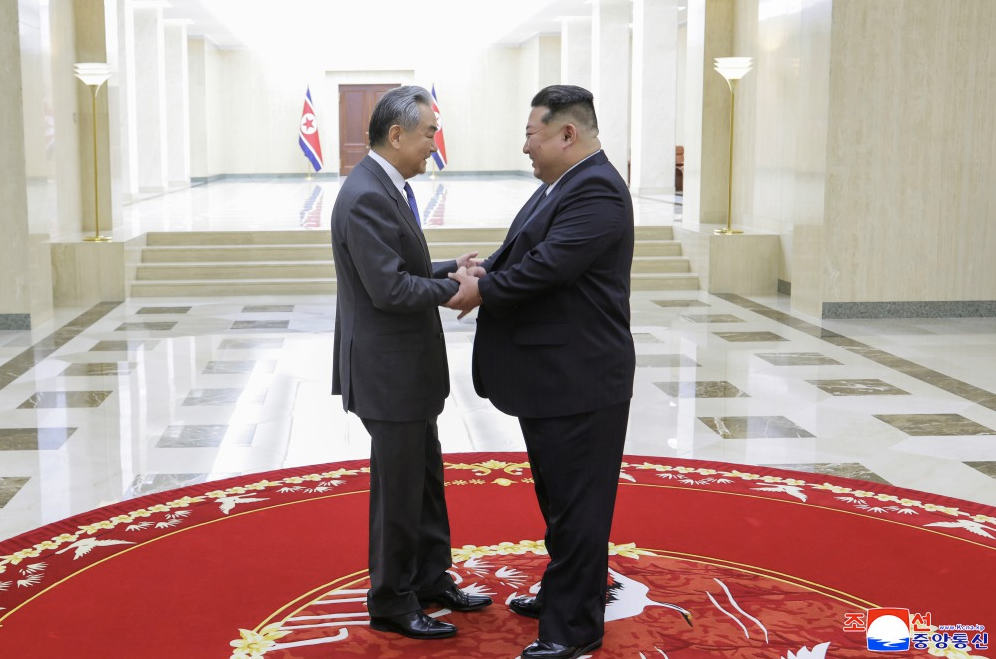
Kim Jong Un’s recent speech to the parliament stressed the need to improve and strengthen relations with friendly countries. Chinese Foreign Minister Wang Yi visited Pyongyang on April 9-10. North Korea's official account of Kim's talks with Wang was the most forward-leaning on bilateral cooperation since Pyongyang began rebuilding frayed ties with Beijing in September 2025. Kim used unusually strong language to emphasize the value and priority of North Korea-China relations.

Lin Chia-lung called on countries in the first island chain to work together to enhance social resilience and regional security cooperation. Lin made the remarks during his address at the “Shield of Democracy: The First Island Chain Social Resilience Cooperation Forum’ April 11 in Taipei City.