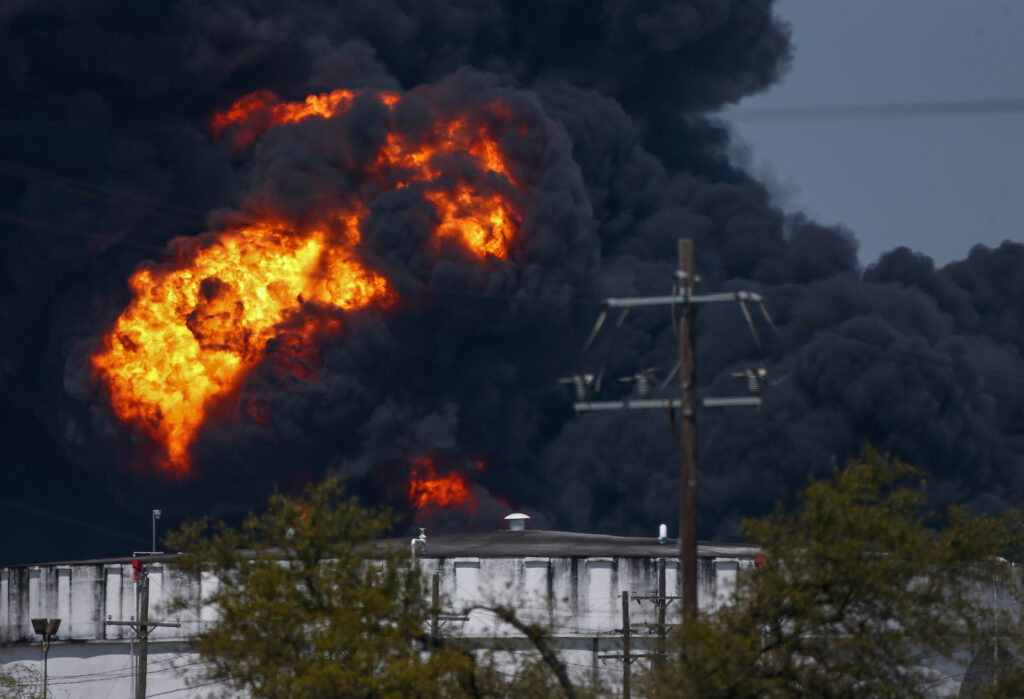
There are 12,000 facilities capable of producing a worst-case scenario chemical disaster in the U.S. close to 180 million people. Most of the people in greatest danger from a chemical accident are Black, Latino or low income. Obama and Biden's EPA released a public data tool with stronger chemical-accident prevention requirements that are now under attack from the Trump administration.

Eastern North Dakota is a top corn and soybean-growing region. Seven of the top 500 U.S. counties for pesticide use are in the Red River Valley. Three of those counties have cancer rates higher than the national average. Many states across the Midwest have high rates of pesticide use and higher-than-average cancer rates. North Dakota lawmakers have banned residents from suing agrichemical companies.
On May 6, 2026, the National Agricultural Law Center and NASDA Foundation will host a half-day program featuring the latest updates in agricultural and food law policy from experts across the country in Washington, D.C. The agenda includes:“Four Corners” Congressional Update: Ag Trade, E-15, MAHA, Farm Bill, and Related Issues, Litigation, Regulation, Adjudication: Perspectives on the U.S. Department of Agriculture (USDA), Trade and Related issues, and State of Play on The Hill: View from the Trenches.

In 1946, half the world’s population faced hunger, today it's 8%. One out of three people in the world suffer from malnutrition and 20 percent of global mortality is attributed to poor-quality diets. Healthy diets remain economically out of reach for most people living in low- and middle-income countries, estimated to cost US$4.50 per day (global mean). 45 percent of the global population lives below US$6.85 a day, and 10 percent lives below $3.00 a day. Agriculture is the first line of defense against hunger and malnutrition.
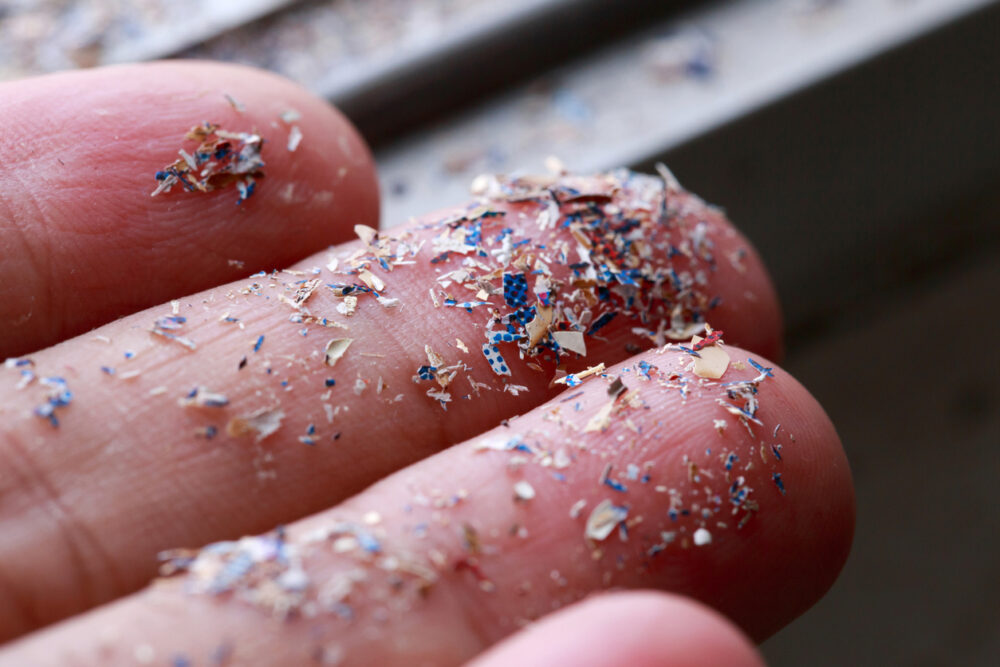
On April 6, 2026, EPA released the draft of its sixth Contaminant Candidate List (CCL) issued under the Safe Drinking Water Act (SDWA). For the first time, microplastics are listed as a priority contaminant group. Comments on the draft CCL are due on June 5th 2026. The CCL contains 75 chemicals, four chemical groups and nine microbes.

FDA’s Human Food Program has prepared a list of priority research, data, and method needs to help FDA better understand the underlying factors that may cause or contribute to health risks from HFP-regulated products. The list includes topics regarding the impact of manufacturing procedures, practices, and processes on risk.

Magellanic penguins in Patagonia have been fitted with silicone ankle bands to monitor their exposure to forever chemicals. The bands detected at least one industrial pollutant where the penguins swam and nested. The new study is a first step toward understanding this persistent but underexplored ecological problem.

Traffic in the Strait of Hormuz has been blocked due to the US-Israel war on Iran. Food and Agriculture Organization (FAO) warns of a global food crisis if it doesn't resume soon. FAO's chief economist Maximo Torero and David Laborde warn of higher commodity and retail prices later this year and into 2027 if the blockade continues.

Colorado's Marijuana Enforcement Division is cracking down on companies that illegally sell cheaper and potentially hazardous hemp products as marijuana. The state's legislature and regulators failed to adopt many regulations to keep hemp products off marijuana dispensary shelves. Congress passed a law last November banning nearly all intoxicating hemp products starting this fall.
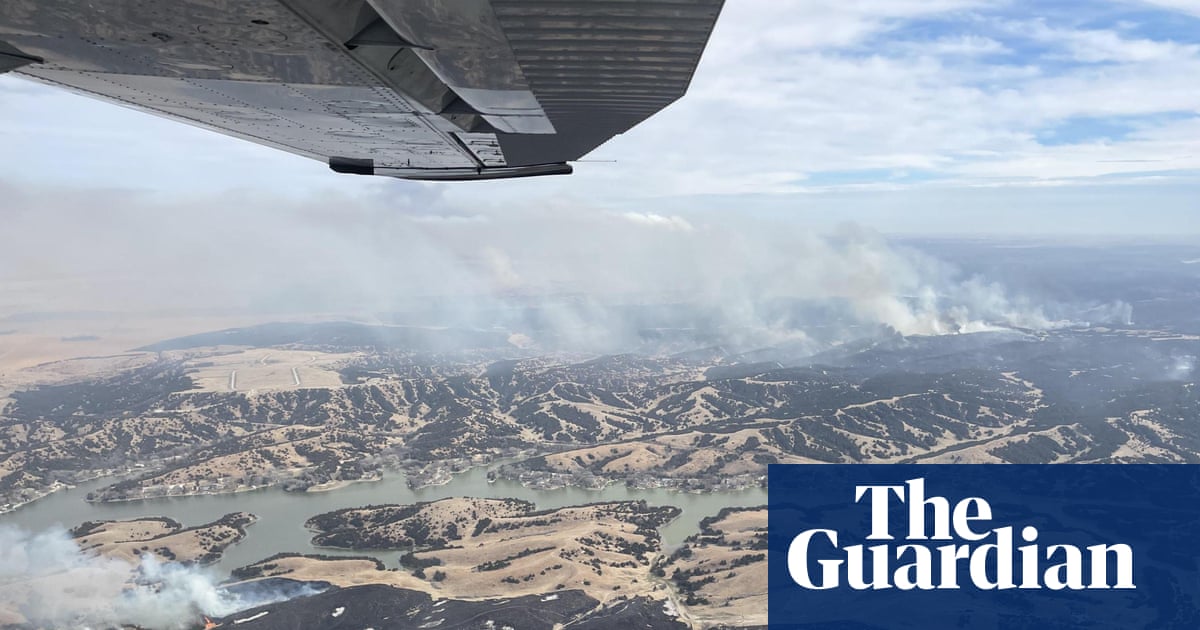
This spring, wildfires destroyed more than a million acres of grassland in Nebraska. The largest fire in the state burned more than 642,000 acres before it was contained in March. The cattle industry's feeding operation is concentrated on the Great Plains, where most of the nation's beef producers graze their herds. In Nebraska, one of the top cattle producers worries about a long-term drought.