
Alex Dunn is the President and CEO of CropLife America. Jim Aidala is Senior Government Consultant at B&C. They discuss agriculture and trade policy, crop protection and agricultural chemical communication issues, pesticide registration challenges, preemption, and some Endangered Species Act (ESA) issues.

There are 12,000 facilities capable of producing a worst-case scenario chemical disaster in the U.S. close to 180 million people. Most of the people in greatest danger from a chemical accident are Black, Latino or low income. Obama and Biden's EPA released a public data tool with stronger chemical-accident prevention requirements that are now under attack from the Trump administration.

California Assemblymember Nick Schultz wants to ban the use of PFAS pesticides in the state starting in 2035. More than 2.5 million pounds of pesticides containing PFAS were sprayed on California crops between 2018 and 2023. Pesticides with intentionally added PFAS are regularly sprayed on the state’s crops.

Eastern North Dakota is a top corn and soybean-growing region. Seven of the top 500 U.S. counties for pesticide use are in the Red River Valley. Three of those counties have cancer rates higher than the national average. Many states across the Midwest have high rates of pesticide use and higher-than-average cancer rates. North Dakota lawmakers have banned residents from suing agrichemical companies.
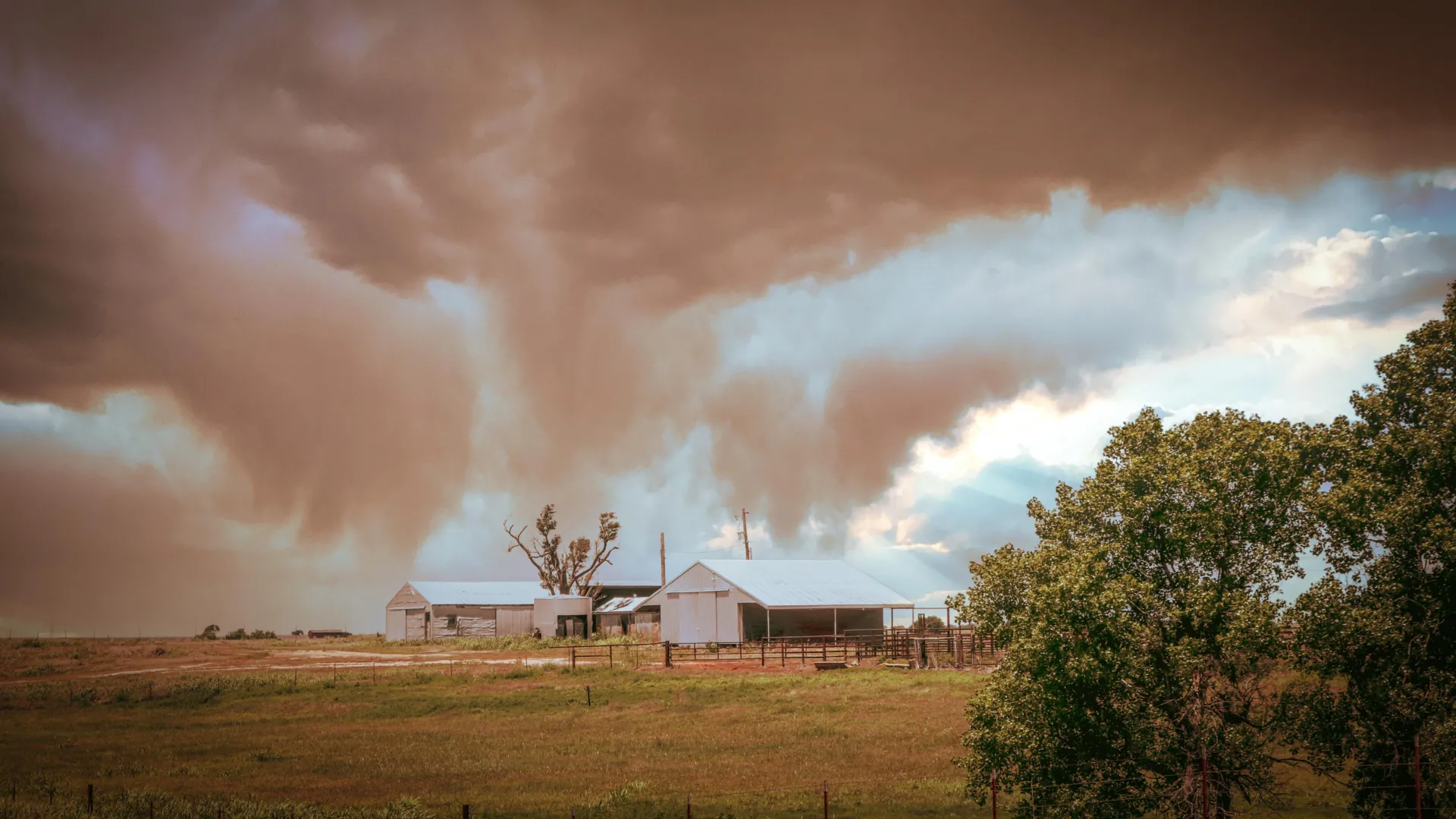
University of Colorado Boulder team found the first airborne detection of MCCPs in the Western Hemisphere. The study was conducted during a field study in an agricultural region of Oklahoma. MCCP are being evaluated for possible regulation under the Stockholm Convention aimed at protecting human health from persistent and widespread chemicals.
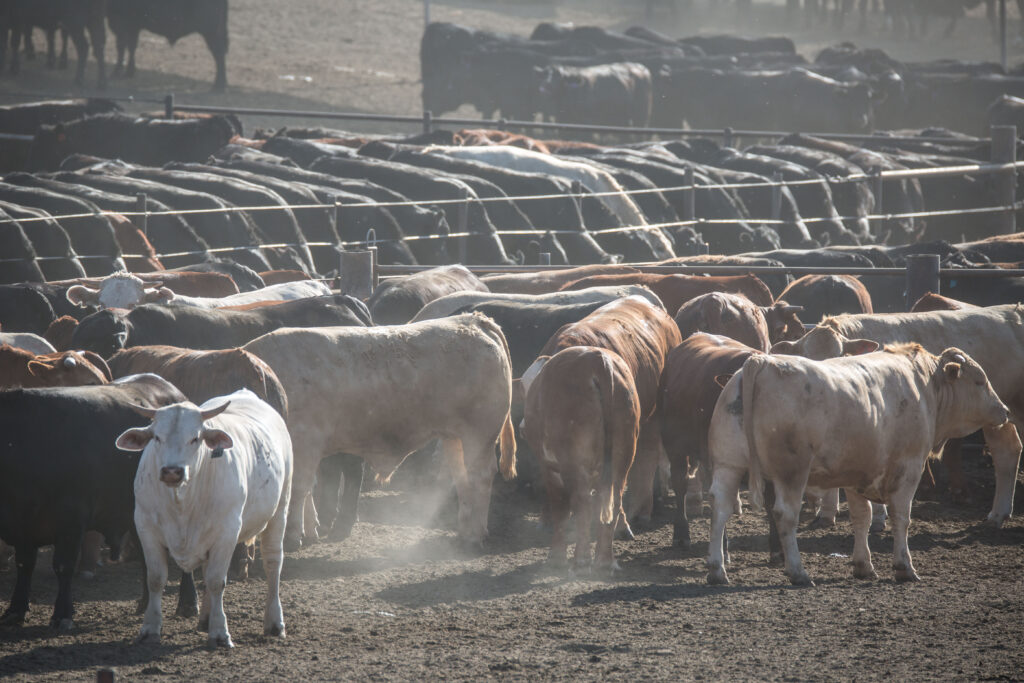
People living near large livestock feeding operations (CAFOs) in California, Iowa and Texas are at higher risk of cancer. The study was published in the Environmental Research journal. Industry representatives dispute the findings, pointing out that another study shows lower rates of many cancers near CAFOs.

Richard J. Fehir, Ph.D. joined Bergeson & Campbell, P.C. and The Acta Group as Senior Chemist/Regulatory Scientist. Registration is open for the tenth annual TSCA Reform Conference on the George Washington University Campus in Washington D.C., on June 10, 2026. Richard E. Engler will speak at the ABA SEER 55th Spring Conference.
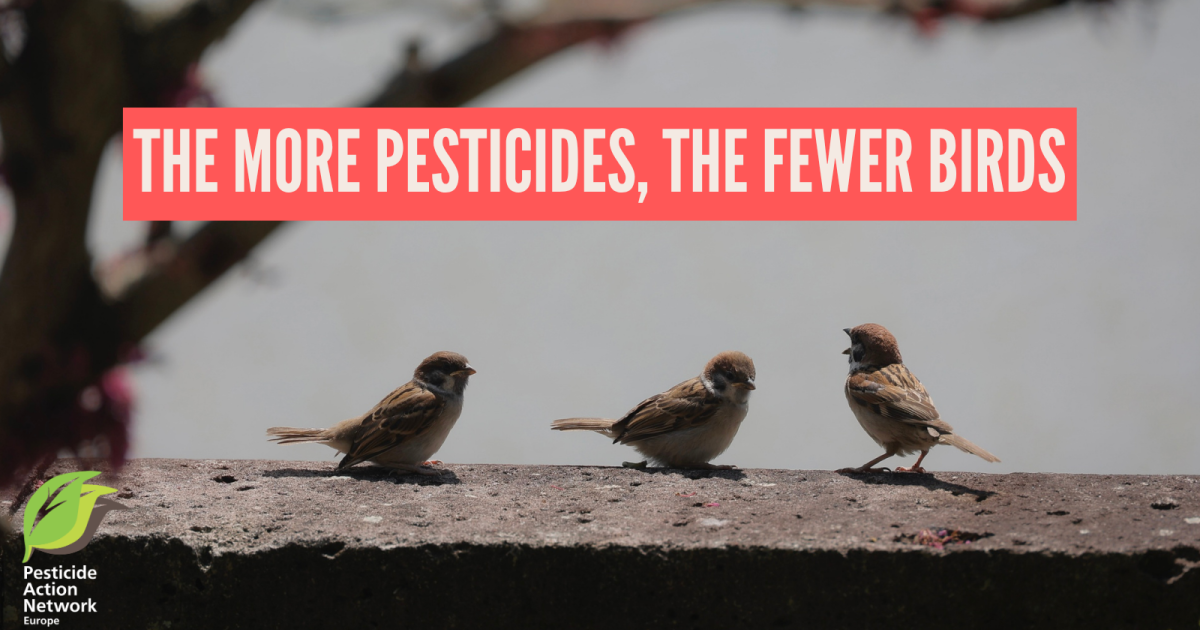
A recent French study shows that common birds are far less abundant in agricultural areas where more pesticides are purchased. Negative effects were found for over 84% of the species studied. A reduction in pesticides would be a turning point in halting biodiversity loss. The EU is paving the way to keep harmful pesticides on the market indefinitely.

On May 6, 2026, the National Agricultural Law Center and NASDA Foundation will host a half-day program featuring the latest updates in agricultural and food law policy from experts across the country in Washington, D.C. The agenda includes:“Four Corners” Congressional Update: Ag Trade, E-15, MAHA, Farm Bill, and Related Issues, Litigation, Regulation, Adjudication: Perspectives on the U.S. Department of Agriculture (USDA), Trade and Related issues, and State of Play on The Hill: View from the Trenches.
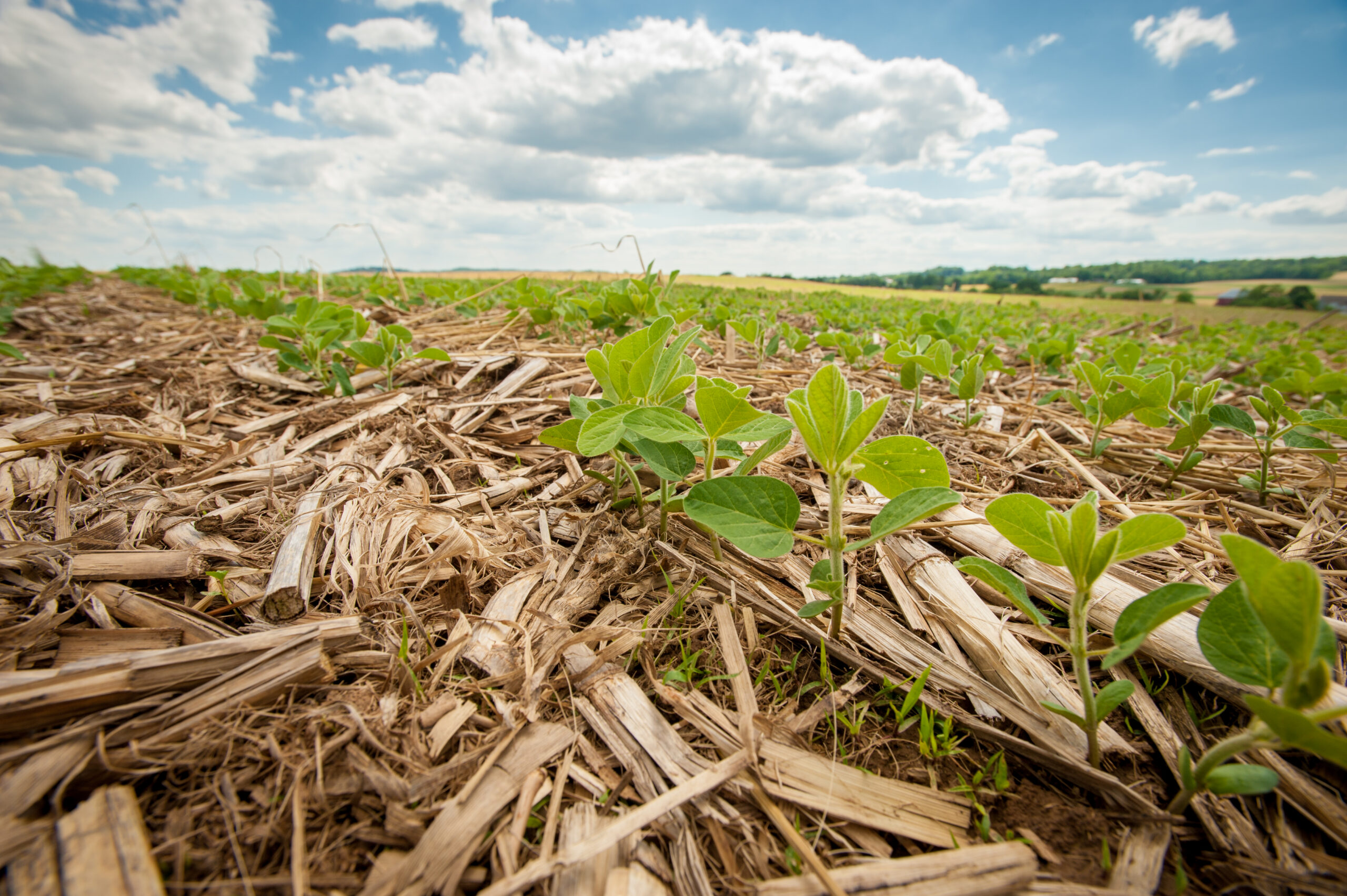
The Farm, Food, and National Security Act of 2026 was passed by the House Agriculture Committee on March 5th. The bill focuses on conservation, climate resilience, and sustainable and organic research. It proposes diverting $1 billion in Conservation Stewardship Programs funding over 10 years for a new grant program supporting states and Tribes administering soil health programs.