
Taiwanese business leaders didn't accompany Cheng Li-wen's visit to China due to the ongoing economic downturn in China. The share of Taiwanese investment going to China has plunged from 83.8 percent in 2010 to just 2.7 percent in the first quarter of 2025. Traditional industries such as cement, steel, petrochemicals, food, and chemicals are now facing intense competition from Chinese local brands.
Adam Tooze is giving a talk at the China Development Forum in Beijing at the end of March. He is talking about the contrast between the U.S. and China's political and economic development. The Economist's recent cover has been widely discussed in analyst circles in the Chinese capital.

Weekly digital edition of SPIEGEL includes e-paper (PDF), digital archive and S+ newsletter. Free access to all S+ articles on SPIEGel.de and in the app (e-paper, digital archive, and newsletter). For more information, visit the website.

Aurelio Insisa is an expert on cross-strait relations. He claims that Cheng Li-wen's visit to China is a victory for the Chinese Communist Party (CCP) in the information warfare. Insisa claims that the rhetoric of the Kuomintang (KMT) leadership closely mirrors Beijing’s position, portraying the U.S. as the instigator of Taiwan Strait security issues. The KMT seeks to position itself as the party most capable of ensuring peace in Taiwan and of maintaining stable relations with Beijing.

U.S. policy toward China has shifted from economic engagement to competition and decoupling in the last decade. Americans are wary of China’s economic rise and the fairness of bilateral trade relations with the U.S., but they acknowledge the importance of trade relations and remain skeptical of tariffs. A Pew Research survey found that 46 percent of respondents believe China benefits more from trade with the United States than the other way around.

The rise of Chinese private enterprise into the upper tier of global industry is one of the defining economic stories of our era. China's most competitive companies are winning global market share by dominating battery technology and pioneering electric vehicles. The real threat to China's corporate champions is not protectionism but bad cholesterol at home.
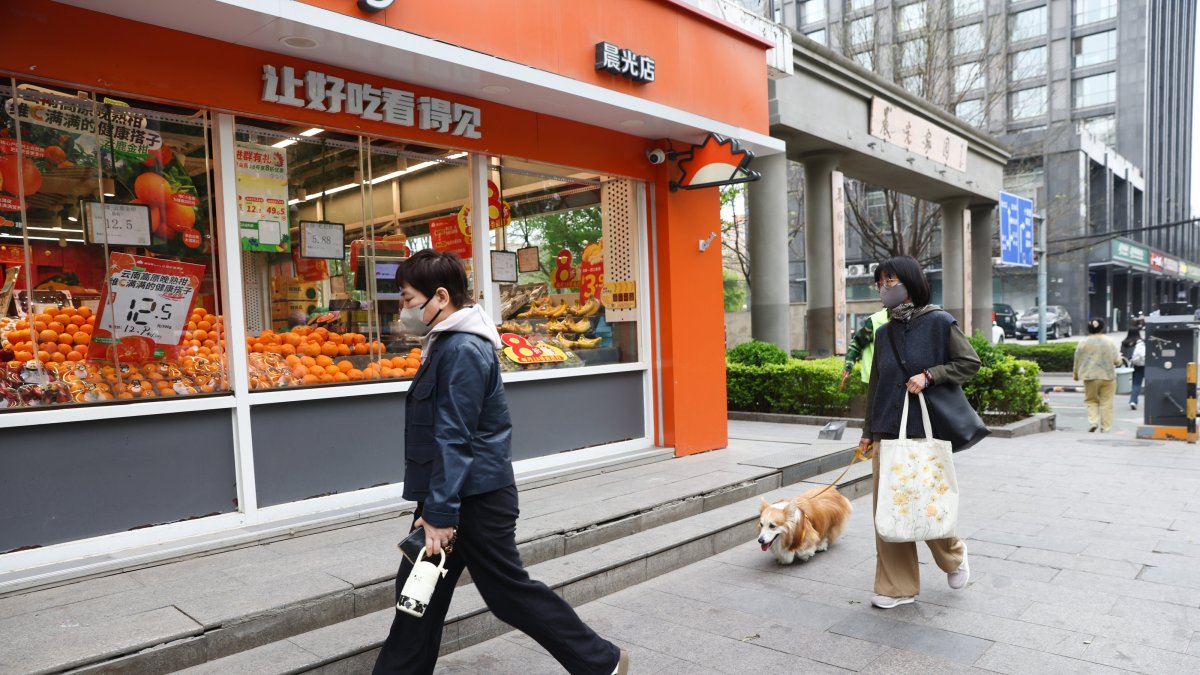
China's economy grew 5% from a year earlier in the first quarter of this year, up from 4.5% in the October-December quarter. On a quarter-on-quarter basis, the economy grew 1.3%, the fastest pace in a year. Industrial output rose 5.7% in March year-over-year, better than market expectations.
Eyck Freymann is author of Defending Taiwan: A Strategy to Prevent War with China. He believes that the fate of the 21st century may hinge on Taiwan. He warns that if America can't handle Iran, it's not ready for Beijing. Taiwan produces 90% of the world's advanced semiconductors and 99% of cutting-edge NVIDIA GPUs used to train frontier AI models.
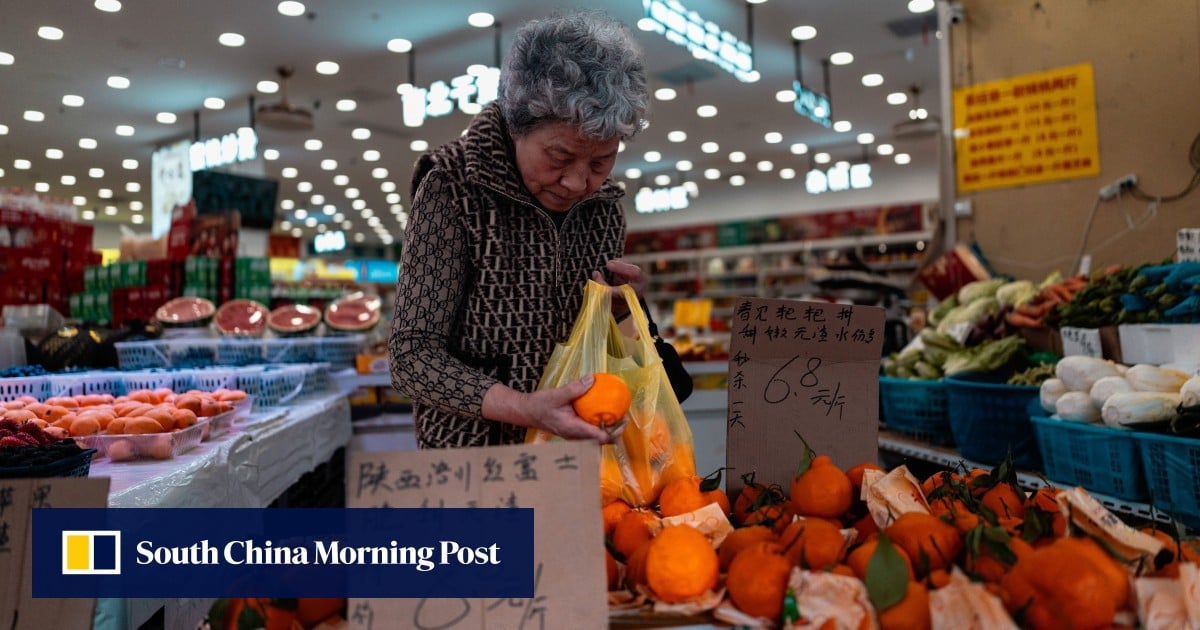
The National Bureau of Statistics is due to release first-quarter GDP figures on Thursday. Standard Chartered predicts growth of 4.8% on the back of resilient trade and gradually improving consumption. The International Monetary Fund trimmed its growth forecast for China to 4.5%, down from 4.4%.
Last Thursday I spent most of the day taking my mom to the hospital. China is not happy with the US blockade of ships leaving Iranian ports and transiting the Strait of Hormuz. A prolonged blockade of these ships would add more stress on the PRC economy. The Crown Prince of the UAE is in Beijing for a visit. He met with Premier Li.