
Alex Dunn is the President and CEO of CropLife America. Jim Aidala is Senior Government Consultant at B&C. They discuss agriculture and trade policy, crop protection and agricultural chemical communication issues, pesticide registration challenges, preemption, and some Endangered Species Act (ESA) issues.

Richard J. Fehir, Ph.D. joined Bergeson & Campbell, P.C. and The Acta Group as Senior Chemist/Regulatory Scientist. Registration is open for the tenth annual TSCA Reform Conference on the George Washington University Campus in Washington D.C., on June 10, 2026. Richard E. Engler will speak at the ABA SEER 55th Spring Conference.

A new study from MIT suggests that a carcinogen may have a much more severe impact on children than adults. In a study of mice, the researchers found that juveniles exposed to drinking water containing the compound NDMA showed higher rates of DNA damage and cancer. The study suggests that it is critical to evaluate the impact of potential carcinogens across all ages.
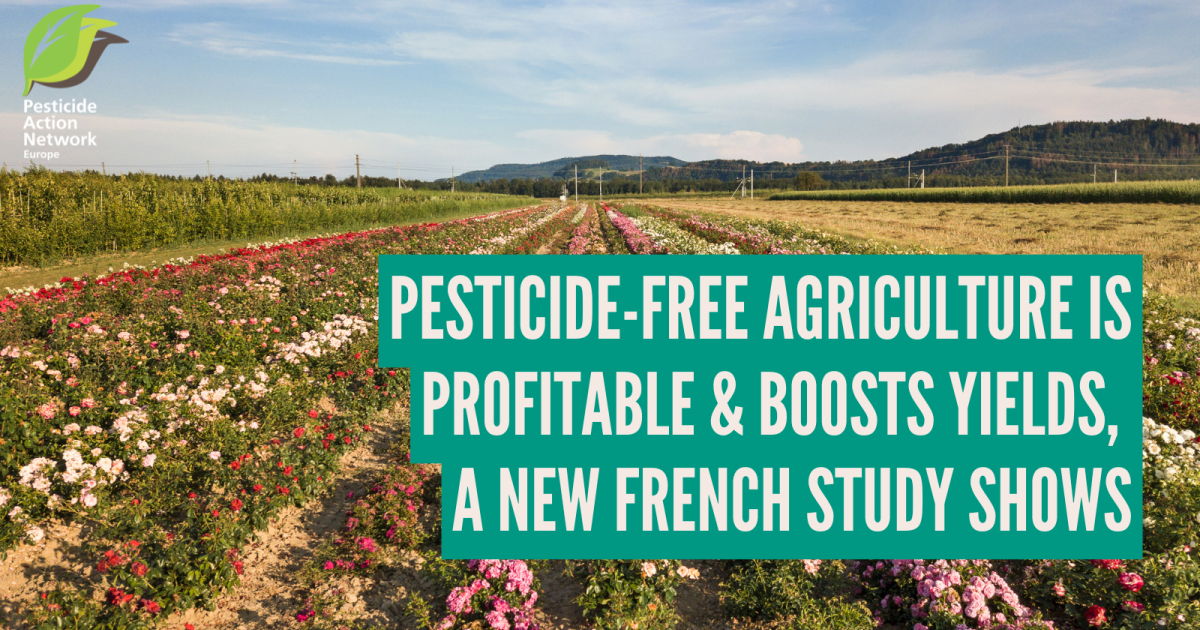
A 10-year study in France shows that pesticide-free farming is technically and economically viable. The study was led by France’s national agronomic and environment research institute INRAE. Pesticide-free cropping systems at four locations produced a satisfactory net profit margin.
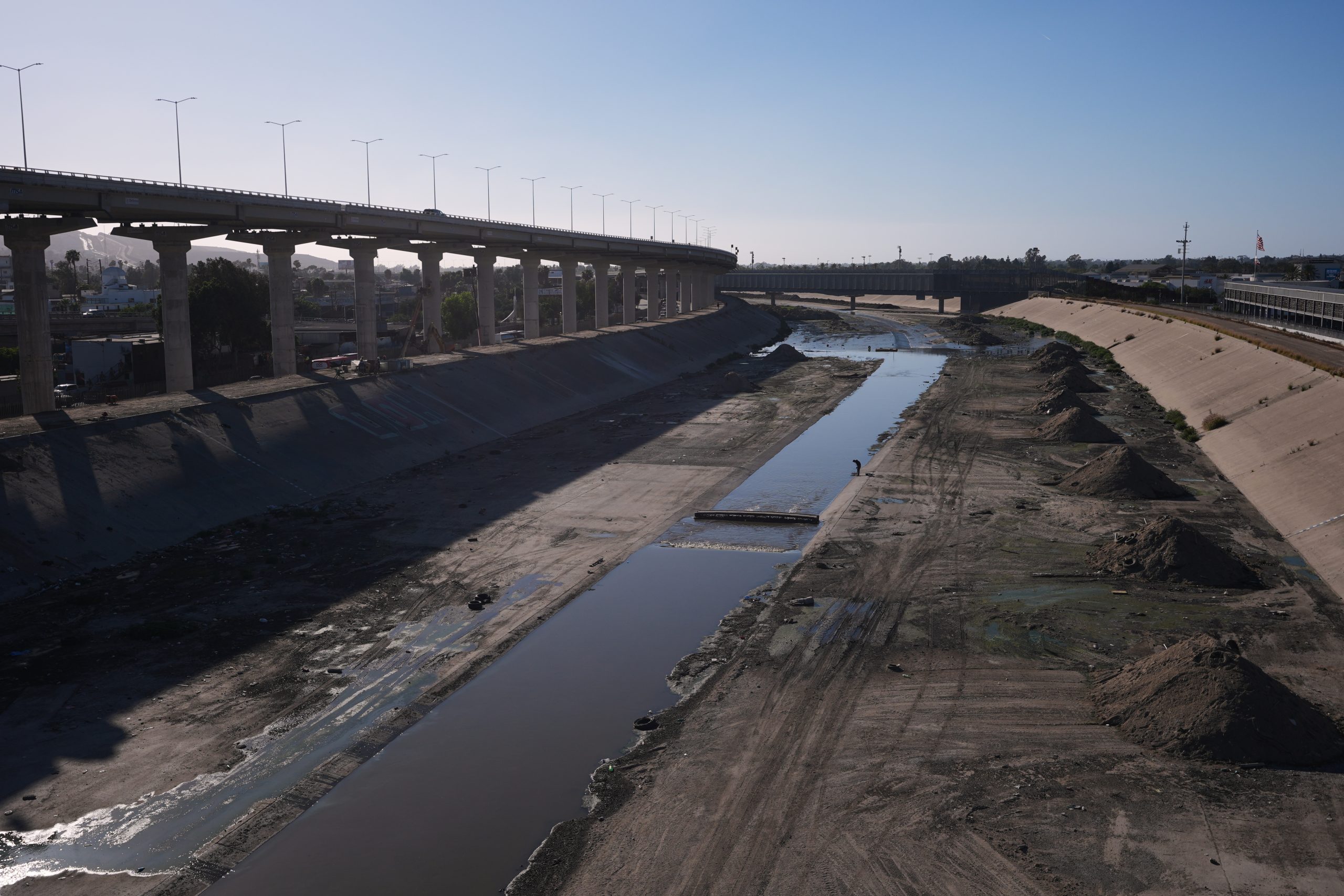
Steve Egger and his wife are sickened by the smell of sewage coming from the Tijuana River in Southern California. Since 2018, more than 100 billion gallons of raw sewage from Mexico have poured into the river. The United States and Mexico signed an agreement last year to clean up the longstanding problem. It will take about two years to resolve it.

Ozone recovery could be delayed by 7 years if industrial emissions from feedstock use of ozone-depleting chemicals are not controlled. Montreal Protocol was signed in 1987. It has led to a steady global phaseout of chemicals that once damaged the ozone layer and increased risks of skin cancer.
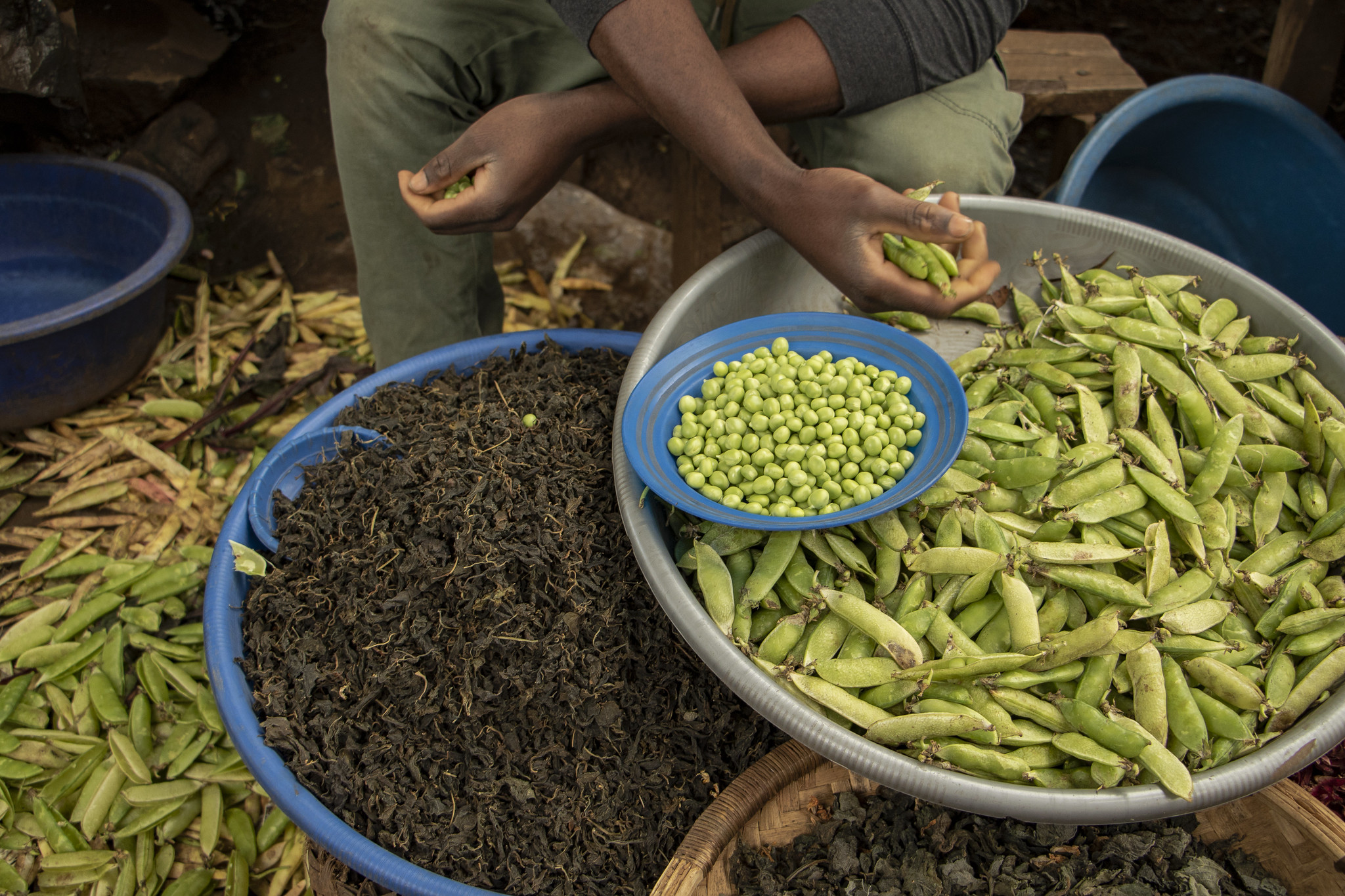
As tensions disrupt food, fuel and fertilizers flowing through the Strait of Hormuz, Africa’s dependence on imported synthetic inputs is exposed. Up to 50% of Africa's fertilizer supplies originate from Persian Gulf nations. The Africa Fertilizer and Soil Health Action Plan 2024-2034 aims to reduce reliance on imports by fostering local production. The Dangote Group plans to triple its production to 9 million metric tons per annum and build a $2 billion fertilizer plant in Ethiopia.
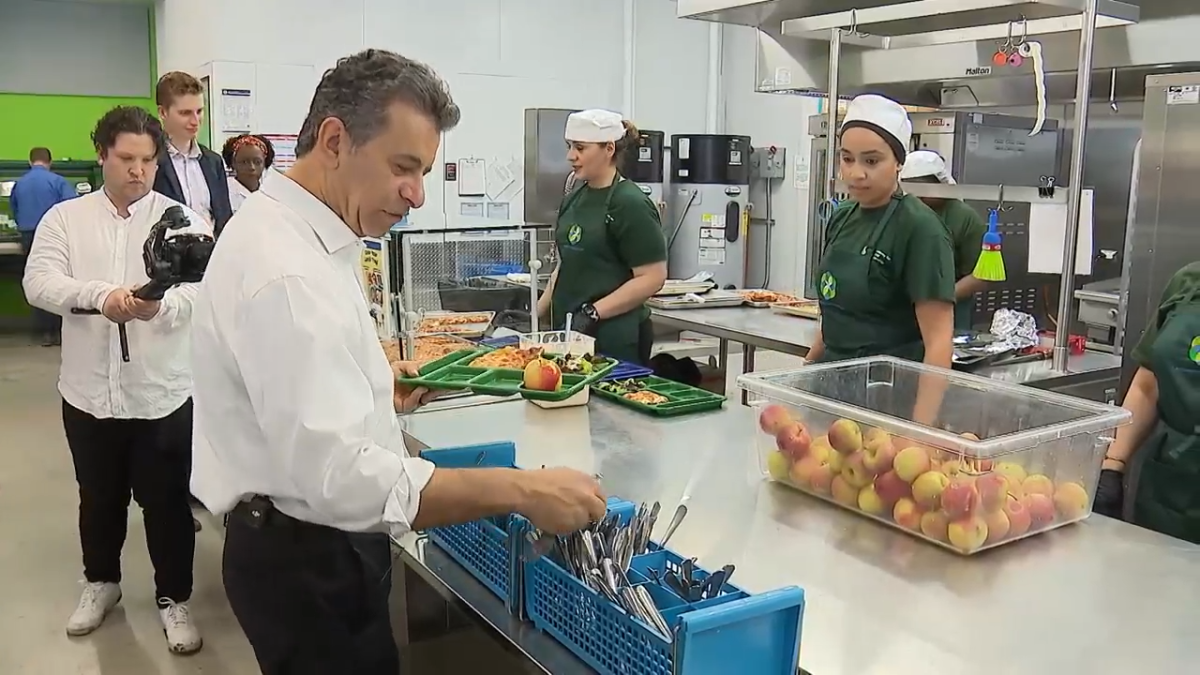
The Academy of Global Citizenship on Chicago's South Side is one of a dozen participating in a federal pilot aimed at giving children healthier lunches. FDA program provided funding to select schools in the 2025-26 school year to purchase whole foods, upgrade kitchen equipment and hire staff to eliminate heavy metals and chemicals from school lunches, reduce pesticides by 50-80% and reduce heavy metals by 80-90%. The full results from the study will be published this summer.
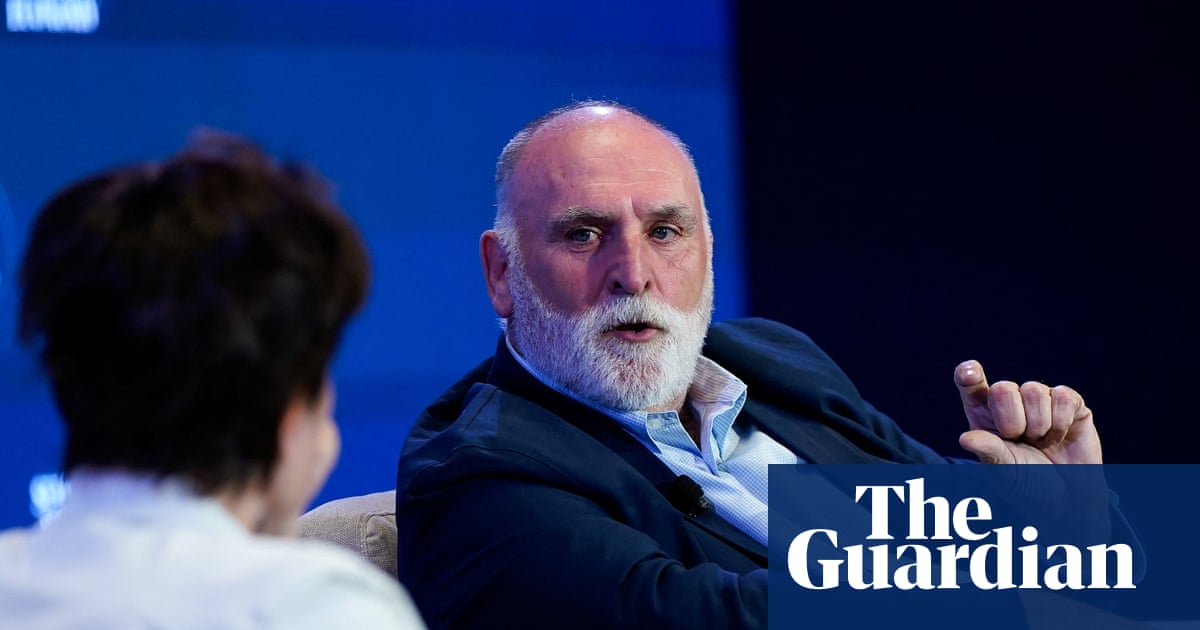
José Andrés believes the world is sleepwalking into a massive, multi-year famine. The World Central Kitchen founder points to the "silent" collapse of the global fertilizer trade as a byproduct of the war with Iran. He proposes a 3% "peace tax" based on the total GDP of every country to raise money for food production.
Hundreds of organizations delivered letters calling for strong investments in Fiscal Year (FY) 2027 Agriculture Appropriations legislation. The letters focused on the Sustainable Agriculture Research and Education (SARE), the Office of Urban Agriculture and Innovative Production (OUAIP), and Conservation Operations and Conservation Technical Assistance (CTA).