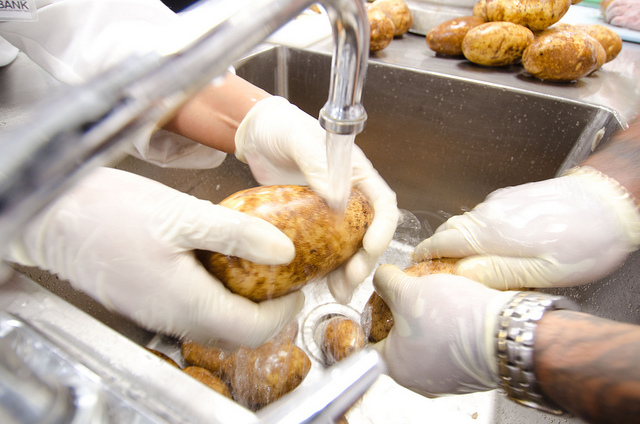
The Food Safety Modernization Act (FSMA) was signed into law in 2010. It is intended to reduce contamination, mitigate foodborne illness and make it easier to halt and track foodborne illnesses or chemical contamination. The National Sustainable Agriculture Coalition (NSAC) engaged heavily in the rulemaking process in support of scale-appropriate regulation, guidelines for diversified farm and food operations, and further training resources. Many of the new regulations have been mired by delays. Most of the requirements identified in FSMA (41 out of 46) have been completed. The remaining regulations have still not been finalized.

Alex Dunn is the President and CEO of CropLife America. Jim Aidala is Senior Government Consultant at B&C. They discuss agriculture and trade policy, crop protection and agricultural chemical communication issues, pesticide registration challenges, preemption, and some Endangered Species Act (ESA) issues.

California Assemblymember Nick Schultz introduced a bill to ban the use of PFAS pesticides in the state starting in 2035. California farmers sprayed nearly 4 million pounds of the toxic chemicals on fruits and vegetables over six years. The Environmental Working Group found at least one PFAS pesticide on nearly 40 percent of conventional produce grown in California.
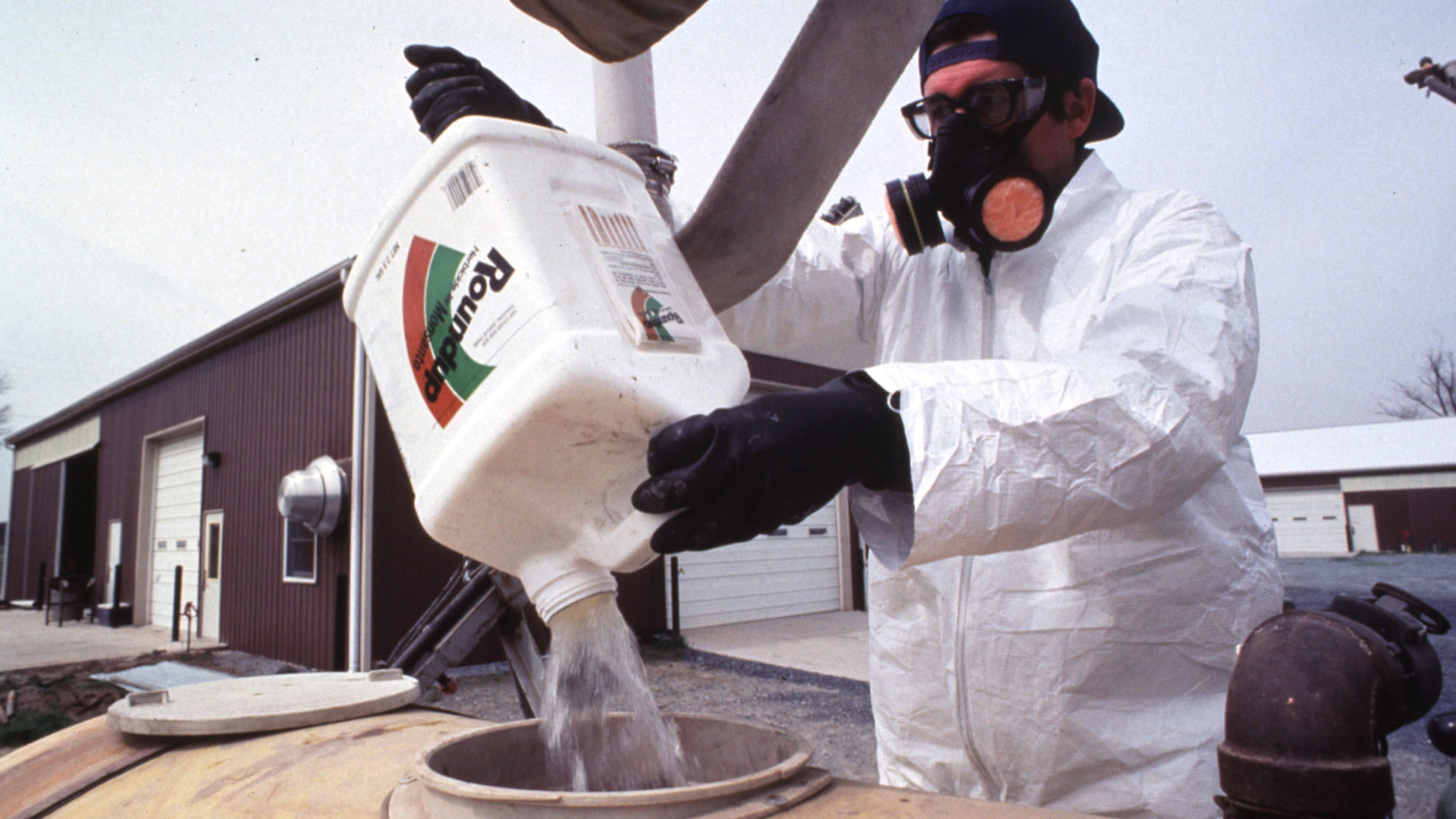
In 2000, three researchers published a paper that concluded that Roundup, a formulation of the herbicide glyphosate, does not pose a health risk to humans. In 2017, a lawsuit claiming that glyphosate causes cancer surfaced documents suggesting that Monsanto scientists had helped with the paper. Last fall, the co-editor-in-chief of the journal retracted the 2000 paper, citing methodological concerns and concerns about ghostwriting and the financial independence of the authors. Christopher Borgert organized a group of more than 60 toxic chemical and environmental health researchers to push back on the recent retraction.
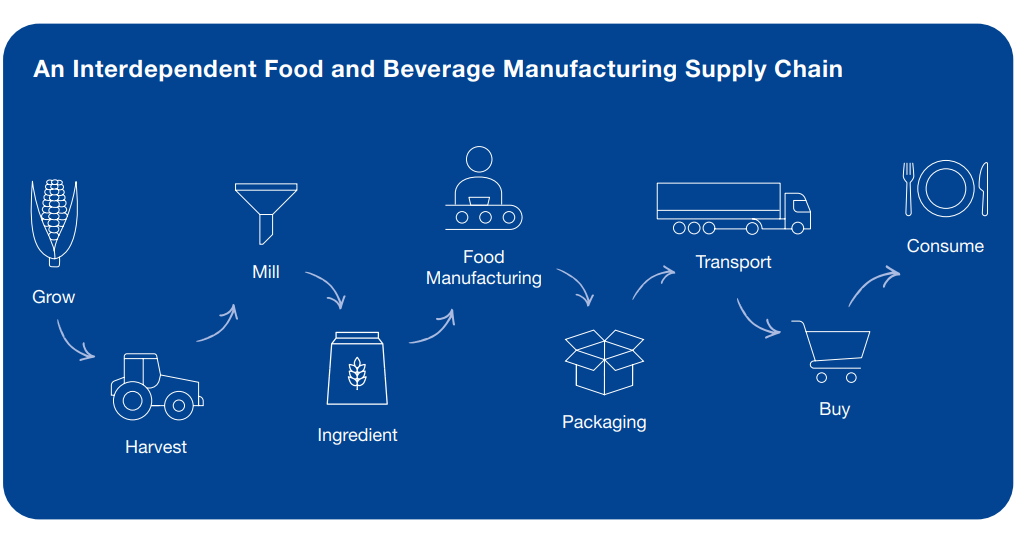
There is a new report from the National Association of Manufacturers: Manufacturers Feed America: Strengthening Communities, Fueling Innovation, Growing the Economy. The food and beverage industry is the largest manufacturing sector in the United States, connecting farms to factory floors to family tables. A growing number of state laws seek to ban ingredients, impose warning labels or mandate disclosures based on hazard-focused explanations rather than risk-based science.

Six people died at a dairy farm in Keenesburg, Colorado, on August 20, 2025. They died from hydrogen sulfide exposure after a manure pipe disconnected in an enclosed pump room. OSHA cited three companies for failures in training, hazard communication and worker protection. Agricultural workers are more than six times more likely to die on the job than the average American worker. Colorado State University is developing a confined spaces safety training program for dairy and beef producers.

Georgia's Supreme Court heard arguments Tuesday over whether residents exposed to a toxic chemical plume can force BioLab to pay for long-term medical monitoring to detect the onset of health effects. The issue stems from a class action against BioLab, which produces chlorinating agents and other cleaning products for swimming pools and spas. On September 29, 2024, BioLab's plant in Conyers, Georgia, erupted in fire, sending a massive toxic plume across the surrounding area.
PAN Europe, foodwatch and Veblen Institute question the legality of the European Commission’s practice of permitting residues of banned pesticides in food imported into the EU. The Commission has the power to prohibit residues of these pesticides in imported food. The proposal for the Food and Feed Safety Omnibus covers only a narrow subset of around 22% of the EU-banned substances.

Richard J. Fehir, Ph.D. joined Bergeson & Campbell, P.C. and The Acta Group as Senior Chemist/Regulatory Scientist. Registration is open for the tenth annual TSCA Reform Conference on the George Washington University Campus in Washington D.C., on June 10, 2026. Richard E. Engler will speak at the ABA SEER 55th Spring Conference.

Ph.D. student Terpase Gbaa is conducting research that he hopes can help small-scale egg producers and consumers. He is surveying backyard and backyard egg farmers across New England to assess their awareness of food safety practices and identify gaps that could put consumers at risk. The study comes as part of regional efforts to grow New England's food self-sufficiency.