
Two new regulations were released by China's State Council in recent weeks. They concern multinationals and business executives operating in China. One set of regulations took effect at the end of March and another one was published on April 7. Both are aimed at protecting national security and supply chains. The EU Chamber of Commerce in China and AmCham in China are critical of the regulations.
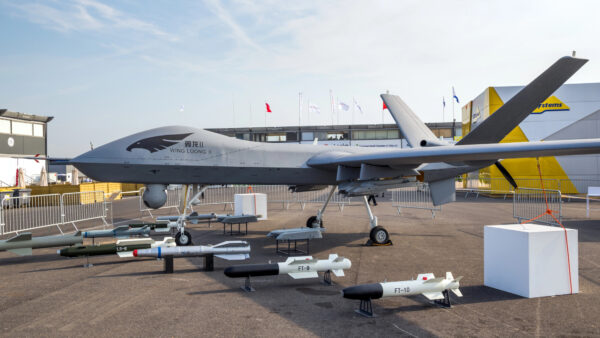
In the outline for the 15th Five-Year Plan, there is no mention of China's policy of "military-civil fusion" (MCF). MCF has been a major irritant in China-U.S. relations because it requires China-based companies, research organizations, and individuals to engage in activities that support China's military development. Xi Jinping called for MCF to be elevated to a national strategy in March 2015.

Zineb Riboua is a researcher at the Hudson Institute’s Center for Peace and Security in the Middle East. She analyzed the U.S.-China competition across three fronts: military, financial, and diplomatic. She concluded that Xi had spent more than a decade building Iran into an armed pillar of China's influence in the Mideast.
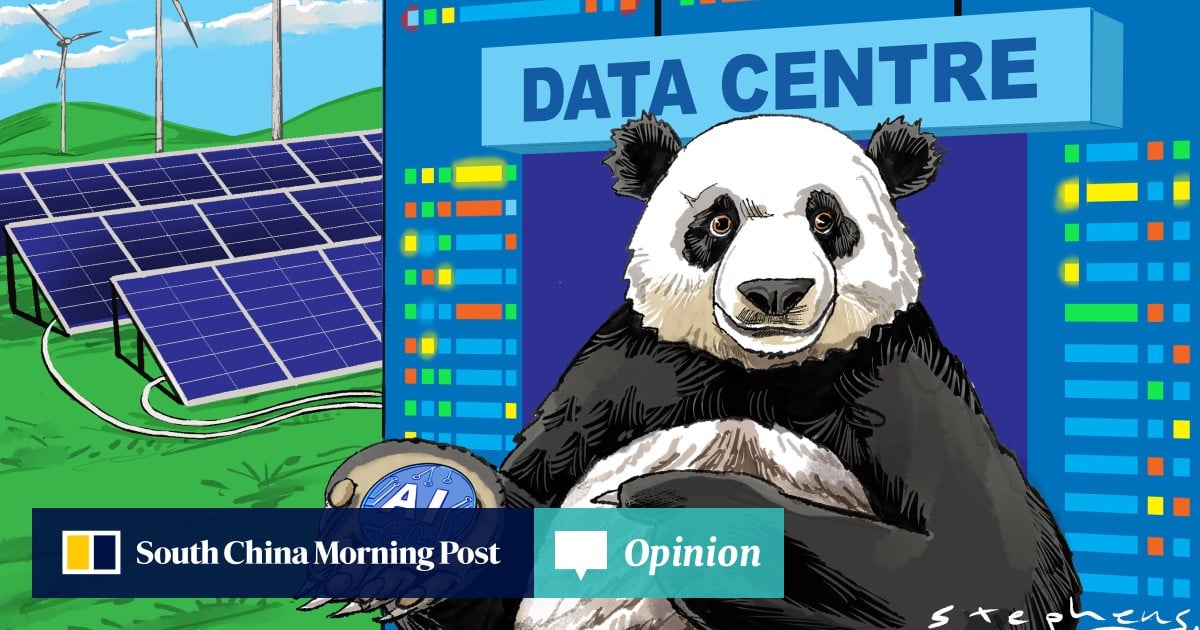
According to official estimates, China’s daily token consumption has reached 140 trillion, up from roughly 100 billion just two years earlier. Beijing is working to embed AI across industries under the AI Plus framework. The push is closely tied to the long-standing ambition of regional economic rebalancing.
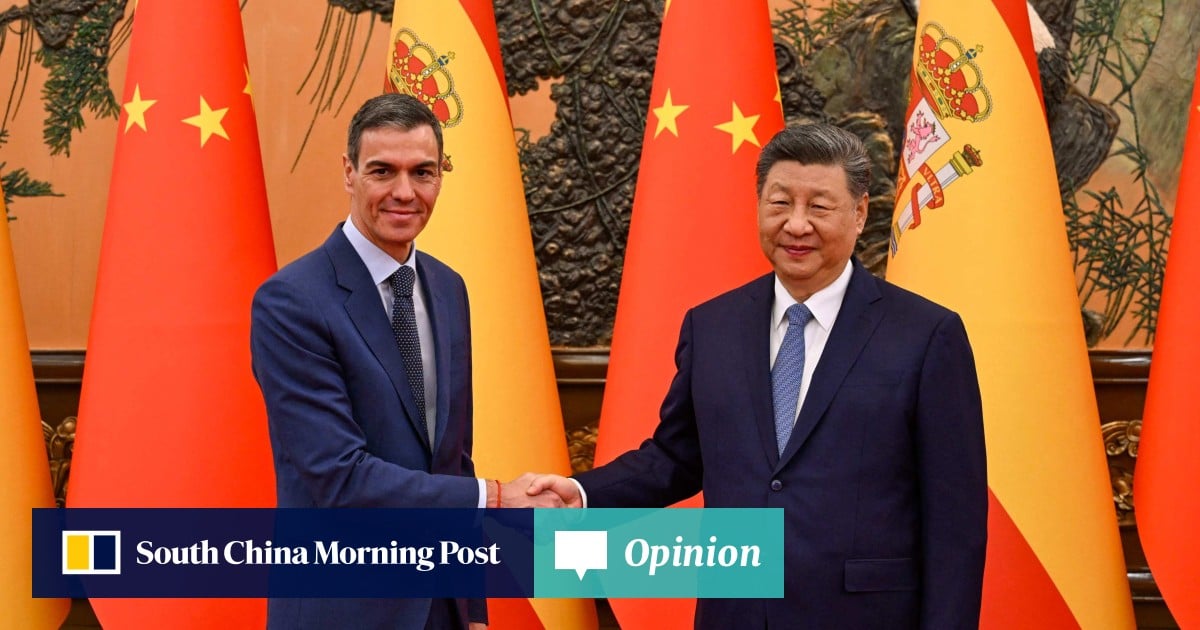
Pedro Sanchez has made four visits to Beijing in four years and secured market access for agricultural goods. Spain's trade deficit with China widened to €42.3 billion (US$49.7 billion) in 2025. After four visits and zero concessions from Beijing, Sanchez boasts Spain enjoys the highest-level political dialogue with China in 53 years.
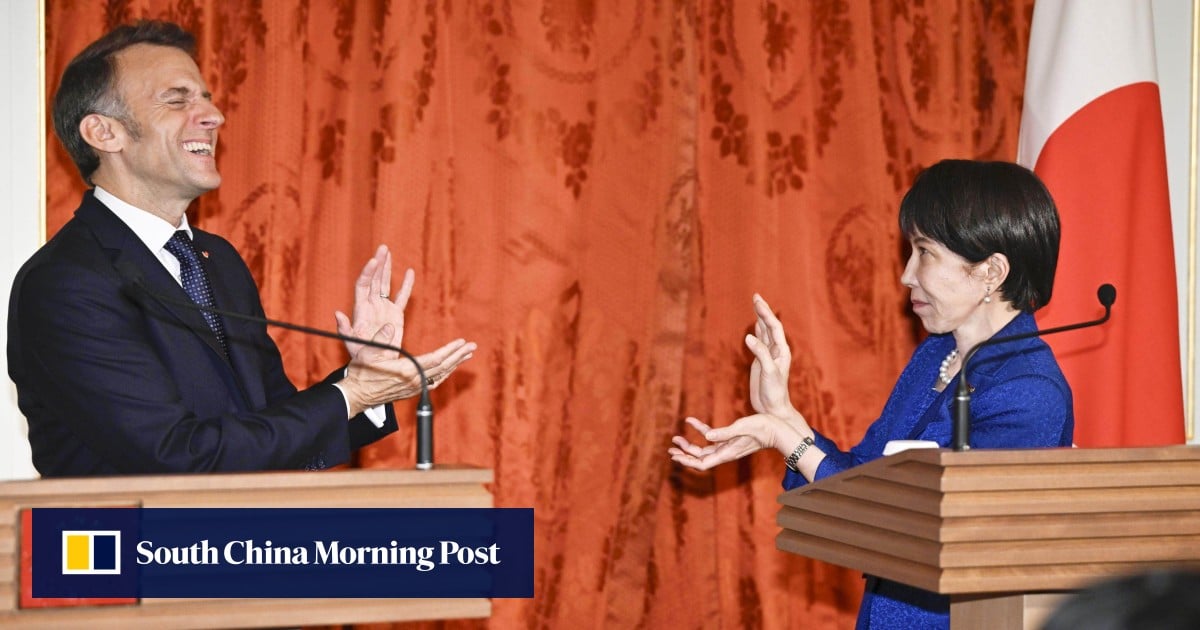
Emmanuel Macron has touched Beijing's nerves on a range of sensitive issues. On a trip to Japan earlier this month, he and Japanese PM Sanae Takaichi stressed the importance of peace and stability in the Taiwan Strait. In an interview with Japanese public broadcaster NHK on April 1, Macron also said that “we do not want to be under the hegemony of China or the United States of America” at Yonsei University in Seoul two days later.
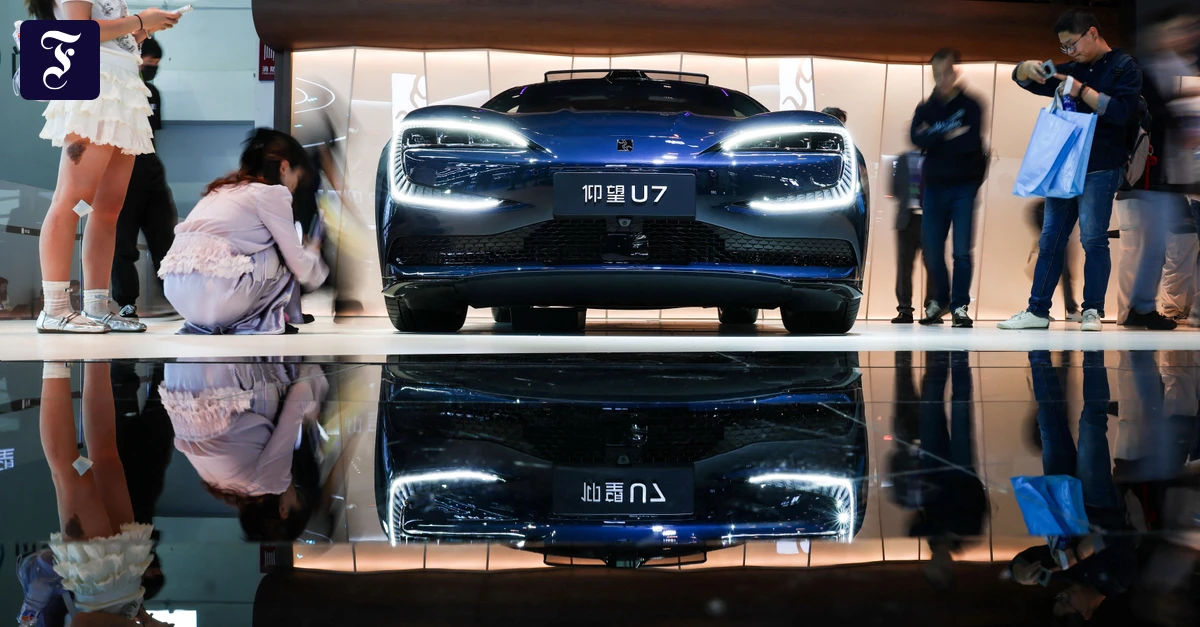
Beijing is the Mecca of the global auto industry for a week. Chinese manufacturers presented more than 180 new models at the trade fair and outlined ambitious global expansion plans. Xiaomi poached a dozen established developers and designers from the German car industry. The global market is becoming a victim of Chinese competition. There are too many manufacturers in China and the industry margins have fallen to less than 3%.
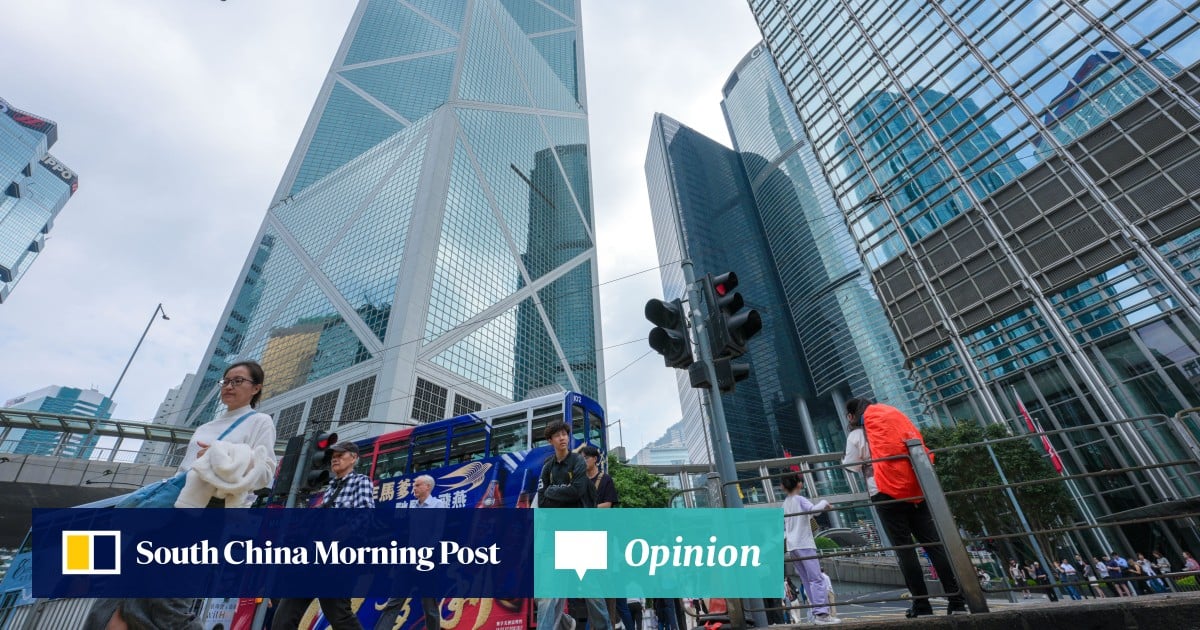
Hong Kong Financial Secretary Paul Chan Mo-po recently said the city could rise to become the world's No 2 financial centre in 10-15 years. On the Global Financial Centres Index, Hong Kong remains third globally and Asia-Pacific’s clear leader, just one point behind London and two behind New York.
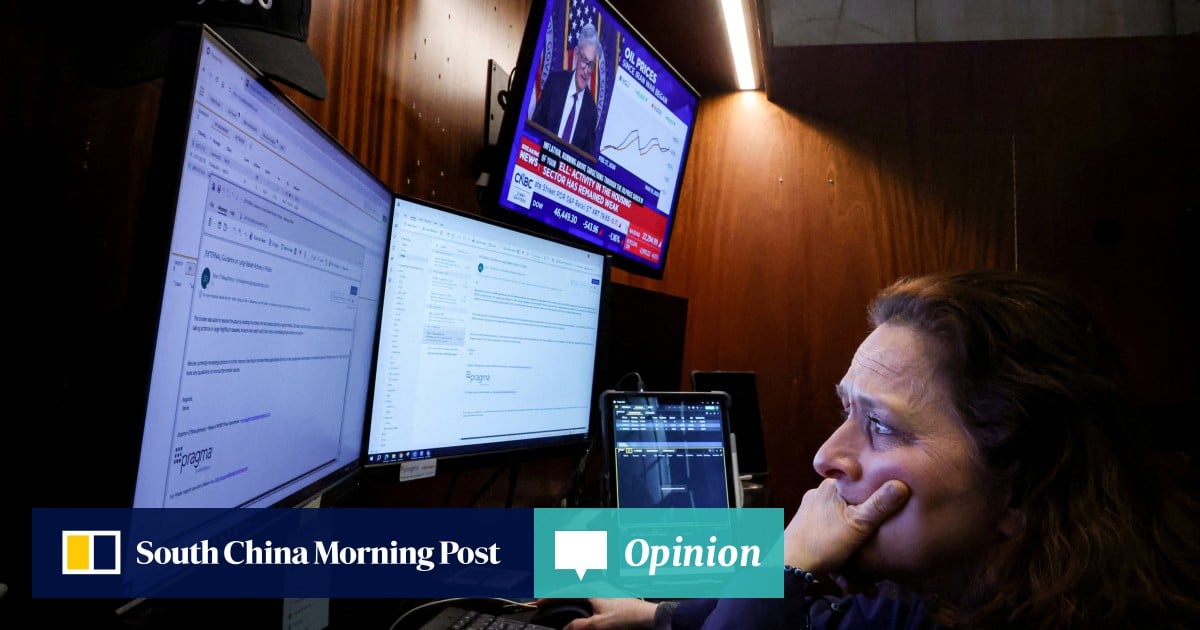
The value of global assets under management is set to rise from nearly US$140 trillion in 2024 to US$200 trillion by 2030. The benchmark S&P 500 index has soared to record highs in recent days. Nikkei Stock Average briefly rose above the 60,000 mark for the first time.
Dr. George Friedman is an internationally recognized geopolitical forecaster and strategist on international affairs. He is the founder and chairman of Geopolitical Futures and a New York Times bestselling author. His most popular book is The Next 100 Years. For almost 20 years he was the CEO and then chairman of Stratfor, a company he founded in 1996.