
The world is facing a major energy and economic challenge, according to the IEA chief Fatih Birol. Israel has expanded its military zone in Gaza to cover nearly two-thirds of the territory since the October ceasefire. The International Committee of the Red Cross president Mirjana Spoljaric warns that a return to conflict in the Middle East would be catastrophic for civilians. Iran's president Masoud Pezeshkian says a US naval blockade on Iranian ports would deepen disruptions in the Gulf and fail to achieve its targets. Iran enters 62nd day of internet blackout.
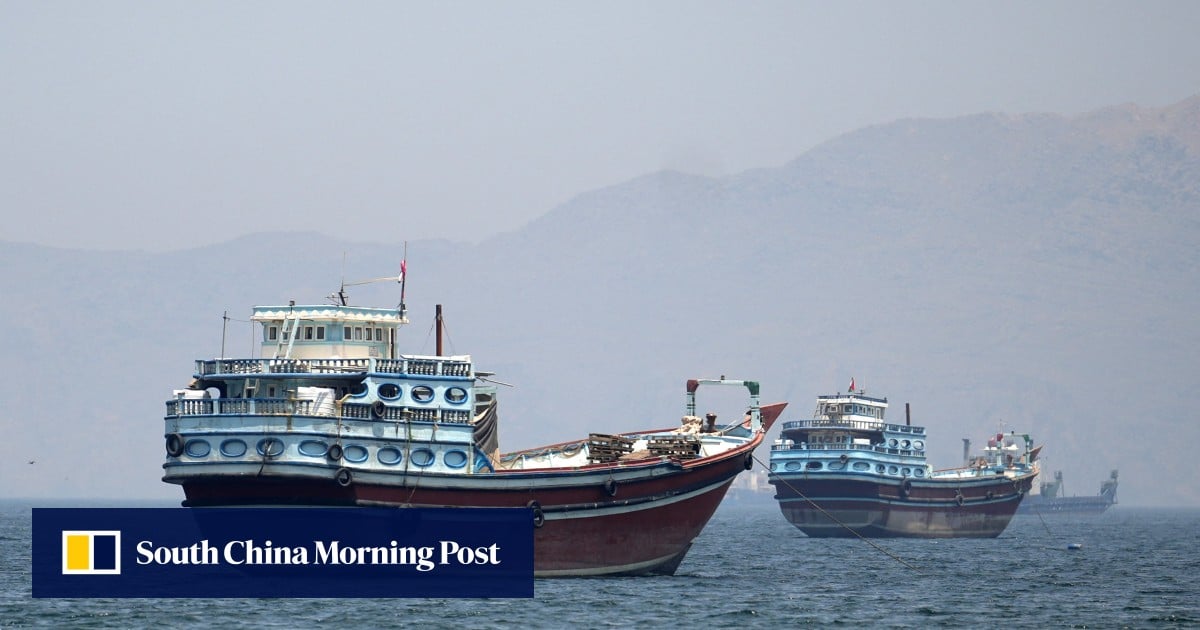
The US-Israel war on Iran has cost an estimated $25 billion so far. US crude exports achieved a record surge of more than 6 million barrels a day last week. US companies and the US are expanding their energy footprint abroad. China agrees to cooperate with Australian business on jet fuel shipments to ease the energy shortage caused by the war in the Middle East.
Geopolitical Futures is a free newsletter with weekly analysis from New York Times bestselling author George Friedman and a global team of analysts. It includes special offers and reports on Turkey, Iran, and the future of the Middle East. Sign up now to receive the special report on Turkey and Iran.

Israeli forces took control of vessels participating in a Gaza-bound flotilla. Israel's Foreign Ministry released a video of about 175 activists from more than 20 boats. The IDF announced that it began striking Hezbollah targets in southern Lebanon. Ukraine welcomed the announcement that a vessel carrying grain from Ukraine's occupied territories will not unload cargo in Israel.
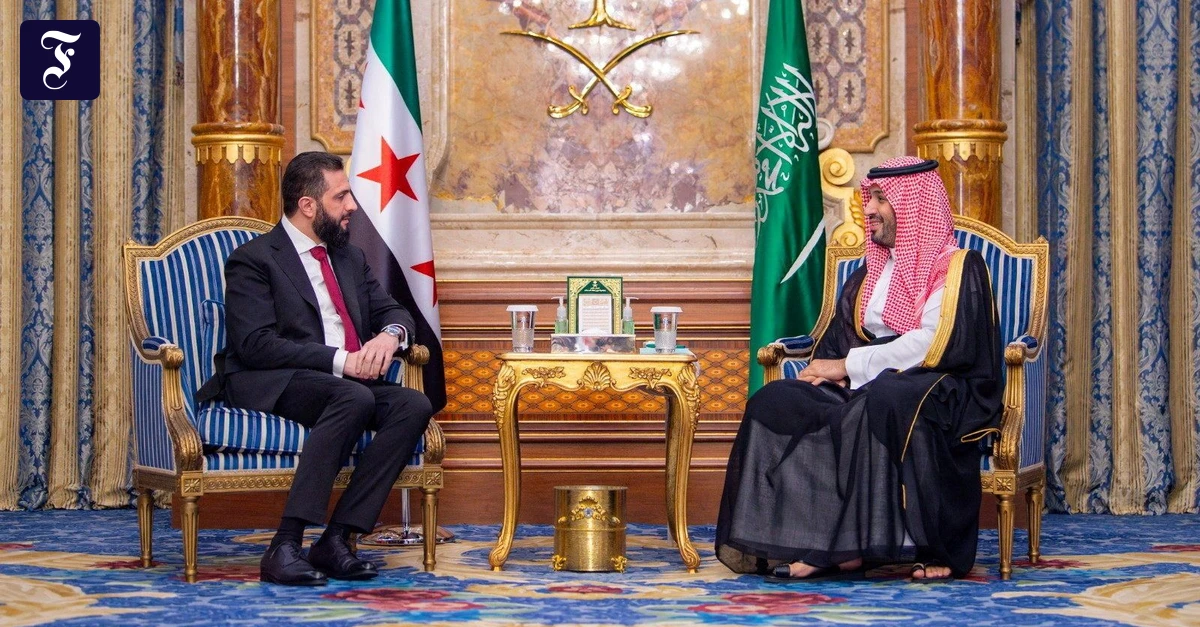
Ahmed al-Sharaa has just traveled to the Gulf to establish himself as a partner. The rich oil monarchies are rethinking after the Iran war. Iran's missile terror has shown that the Gulf states are not immune to the conflicts in the region. The rulers are looking for ways to strengthen their independence from Washington and maintain their strategic relevance.
,regionOfInterest=(538,277)&hash=a5de925677c96d157143b7c5c78e67da277231c6ffdc0d99c3cab0974d5b8be9)
Germans are reassessing their vacation plans for 2026 due to the Middle East crisis and rising prices. Travel is being organized more carefully, flexibly and selectively due to geopolitical tensions in the region. 70% of Germans see Europe as a safe haven for travel. 80% are already feeling the effects of higher prices.

Iran and the U.S. are locked in a faceoff over the future of negotiations. Both sides believe time is on their side. Iran is pushing for a narrower deal without addressing the country’s nuclear program. The average price of a barrel in the United States is $4.30.