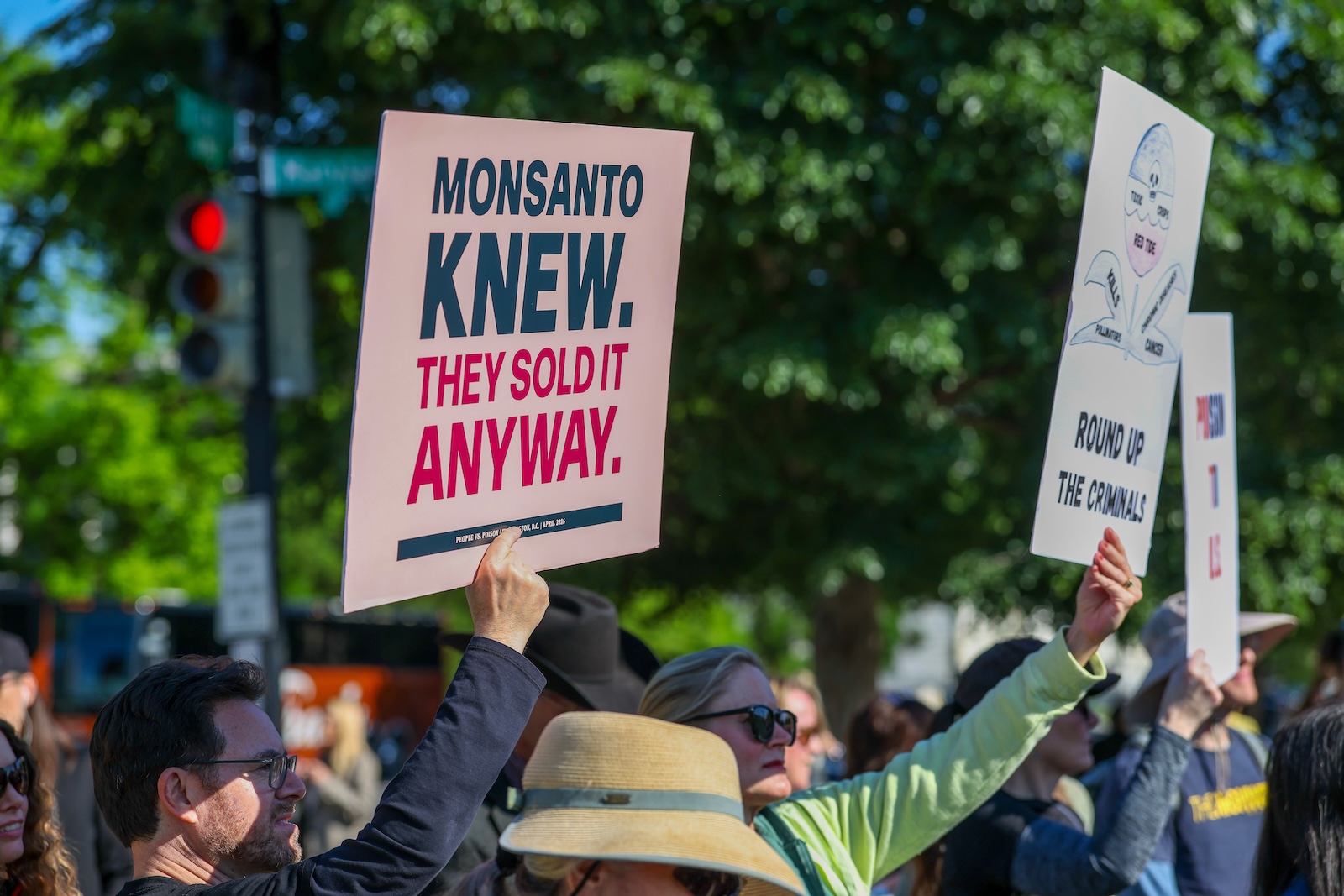
Bayer bought the chemical manufacturer Monsanto in 2018. Bayer has set aside billions to settle legal claims that the active ingredient in the company's weedkiller Roundup has caused cancer and other health issues among its users. John Durnell first sued Monsanto in 2019, arguing that he developed non-Hodgkin lymphoma because of persistent exposure to glyphosate in Roundup. In 2023, a Missouri jury found Monsanto liable for failing to warn users of the cancer risk from glyphosate and awarded him $1.25 million in damages. The Supreme Court heard oral arguments in one case that didn't reach a settlement. The case rests on a Missouri law that bans the sale of dangerous products without adequate warnings.

A 39-year-old suspect has been arrested after rat poison turned up in some HiPP baby food jars on supermarket shelves in central Europe. HiPP recalled some of its jars in Austria, Slovakia and the Czech Republic after the case came to light last month. The suspect was arrested in Salzburg state, to the west.
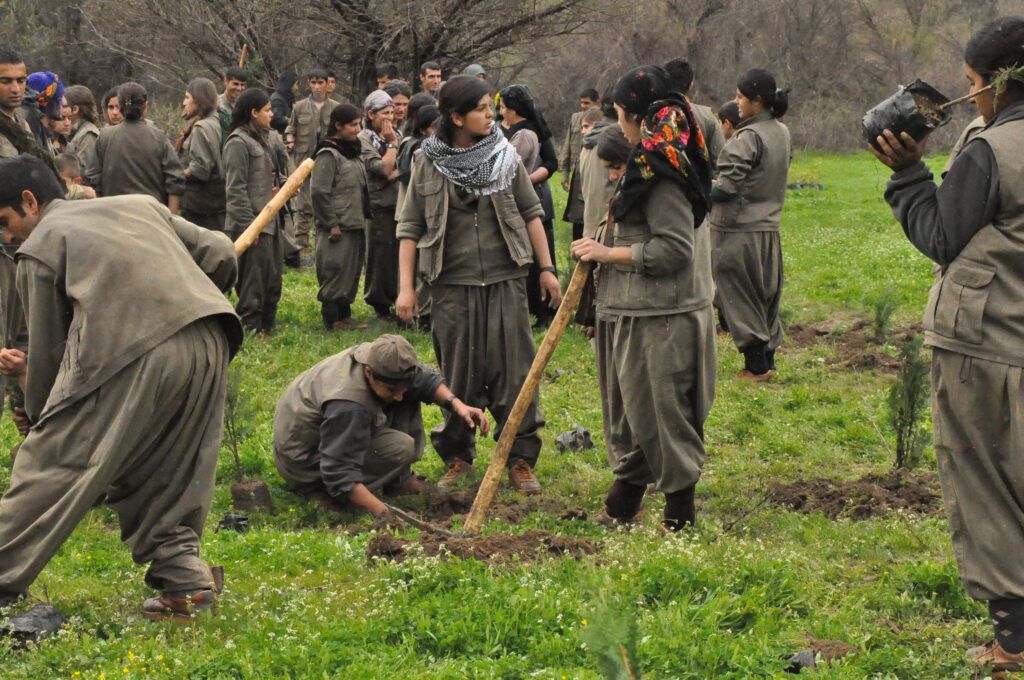
Kurdish Kurdistan Workers’ Party and Turkey are negotiating a peace treaty. The conflict in the Kurdish region has left a grim toll on the environment, including scorched forests, water contamination and declining biodiversity. Researchers at the United Nations University’s Institute for Water, Environment and Health say the PKK and Turkey have a chance to make environmental restoration part of the peace plan.

Say ‘thank you’ to the moms, pet moms, and all-around superwomen in your life. Shop our Mother’s Day Sale and get 20% off sitewide. The European company proved it's not needed, but the US still won't let go.

Ukraine is intensifying drone strikes on Russian oil facilities, hitting a key Black Sea refinery four times in two weeks and setting off a days-long carcinogenic blaze. Environmentalists say it's one of the country's worst ecological disasters since the fall of the Soviet Union. The strikes cast a shadow over Russian President Vladimir Putin, who is already facing growing discontent.

Bill Marler is an accomplished personal injury and products liability attorney. He began litigating foodborne illness cases in 1993. He represented Brianne Kiner, the most seriously injured survivor of the Jack in the Box E. coli O157:H7 outbreak.
Sarah Stillman reports on the detention of migrant children in Dilley Immigration Processing Center in Texas. Lindsay Price Jackson is an immigration attorney who visited the detention center in 2016 to offer legal support for detained families. Patrick Radden Keefe describes a truck-slamming scheme in New Orleans.

The Slow Food field journey in Slovenia highlighted the importance of strong connections between people, places, and local practices. Slovenia is home to the Carniolan bee, small-scale farming, and long-standing relationships between people and land. At Villa Bajer, cattle are raised using a system based on permanent meadows, strong animal welfare standards, and a conscious limit on farm size.

The Farm, Food, and National Security Act of 2026 passed 224-200 in the House on April 30. The bill's fate remains uncertain in the Senate, where it will need bipartisan support to reach the 60-vote threshold. The House Agriculture Committee chair says the Senate will have to make some modifications to get 60 votes.

Amsterdam has banned public adverts for meat and fossil fuel products since 1 May. The move is in line with the local government's environmental targets. It aims for Amsterdam to become carbon neutral by 2050 and for local people to halve their meat consumption over the same period.