Friends of the Earth’s new label guide finds some regenerative labeling programs still allow the use of synthetic pesticides. Pesticide companies market themselves as leaders in regenerative agriculture even though they profit from products that decimate soil life, biodiversity, and our health. Labels are important because public policy is failing.

Rates of cancer, birth defects and cognitive disorders are on the rise among French children. Pesticides are a major risk to mothers and their babies, including in utero. Since 2020, victims of pesticides can request compensation from a government fund for their illness. Families say authorities are not doing enough to protect the most vulnerable.

Toxic Substances Control Act (TSCA) Reform Conference will take place on June 10, 2026 at the George Washington University Milken Institute School of Public Health. Panelists will reflect on the challenges and accomplishments since the implementation of the 2016 Frank R. Lautenberg Chemical Safety for the 21st Century Act (Lautenberg) Amendments ten years ago. Panel 1 will focus on EPA’s most recent risk evaluations. Panel 2 will address the past, present, and future of risk management under TSCA.

War in the Middle East has disrupted global fertilizer markets. Urea prices jumped by nearly 46% in a month. The World Food Programme has warned that global food systems are under severe strain. Half of all food consumed globally depends on synthetic nitrogen fertilizers made using an industrial ammonia-producing method called the Haber–Bosch process. Natural gas serves as both a feedstock and the primary energy source, so disruptions in energy markets push up fertilizer prices rapidly.
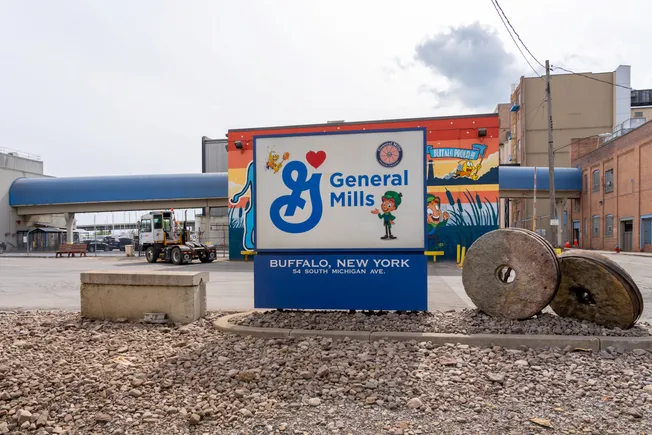
General Mills backslid in fiscal 2025 from its goal of reducing overall greenhouse gas emissions within its supply chain 30% by 2030. The food maker's 2026 Global Responsibility Report shows the company reduced total emissions 14% across the value chain, compared to 19% in fiscal 2024. The company recycled 90% of solid waste globally, up from 88% the year before. 95% of the company’s overall packaging was designed to be recyclable or reusable.
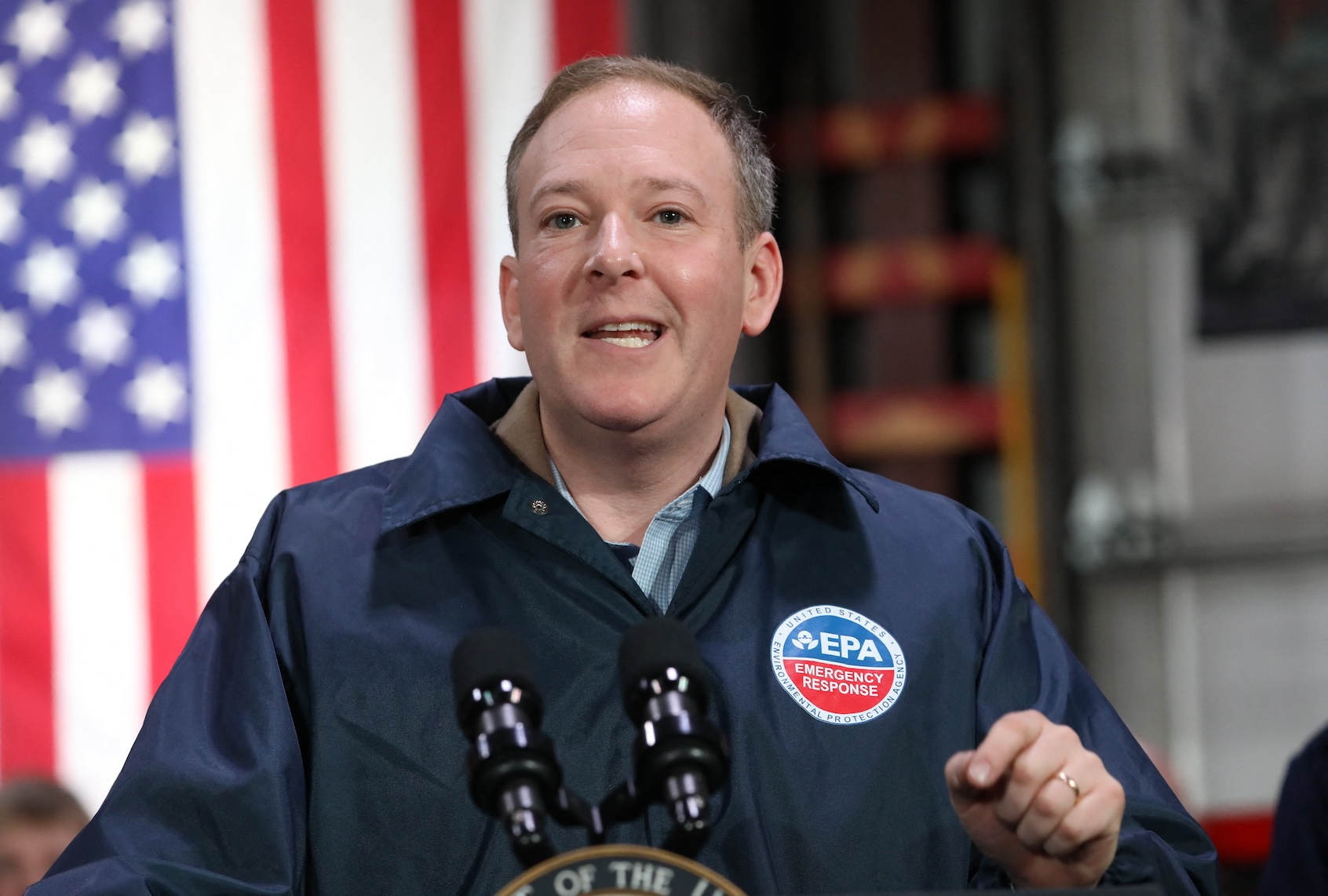
For decades, a program in the Environmental Protection Agency conducted the scientific work of assessing the toxicity of chemicals. The calculations underpin vast numbers of chemical regulations, permits and other environmental rules in the U.S. and abroad. Now the Trump administration suggests that their library of more than 500 chemical assessments can't be trusted. The second-guessing could weaken efforts to protect people from harmful chemicals.

Utz Quality Foods LLC is voluntarily recalling limited varieties of Dirty and Zapp's brand potato chips due to salmonella concerns. There have been no reported illnesses related to the recall. People are advised to discard any products they may have and not eat them. Customers with additional questions may contact the company's customer care team via phone at 1-877-423-0149 on weekdays from 9 a.m.-6 p.m.

Amsterdam has banned all ads for meat in public spaces. The reason is that eating meat contributes to climate change. Backers of the law hope to create the same kind of stigma around eating animal products as smoking cigarettes. Amsterdam has set a goal for residents to get 60% of their protein from plant-based sources by 2030.

California is pursuing legal action against State Farm, the state's largest home insurer. State Farm handled about a third of all residential claims filed after the Palisades and Eaton fires. It violated the law hundreds of times in the process. The maximum financial penalty would be $4 million. The company has already paid out more than $5.7 billion on about 11,300 residential claims related to the fires. The CDI is seeking to temporarily suspend State Farm's ability to write new policies in California for up to a year.
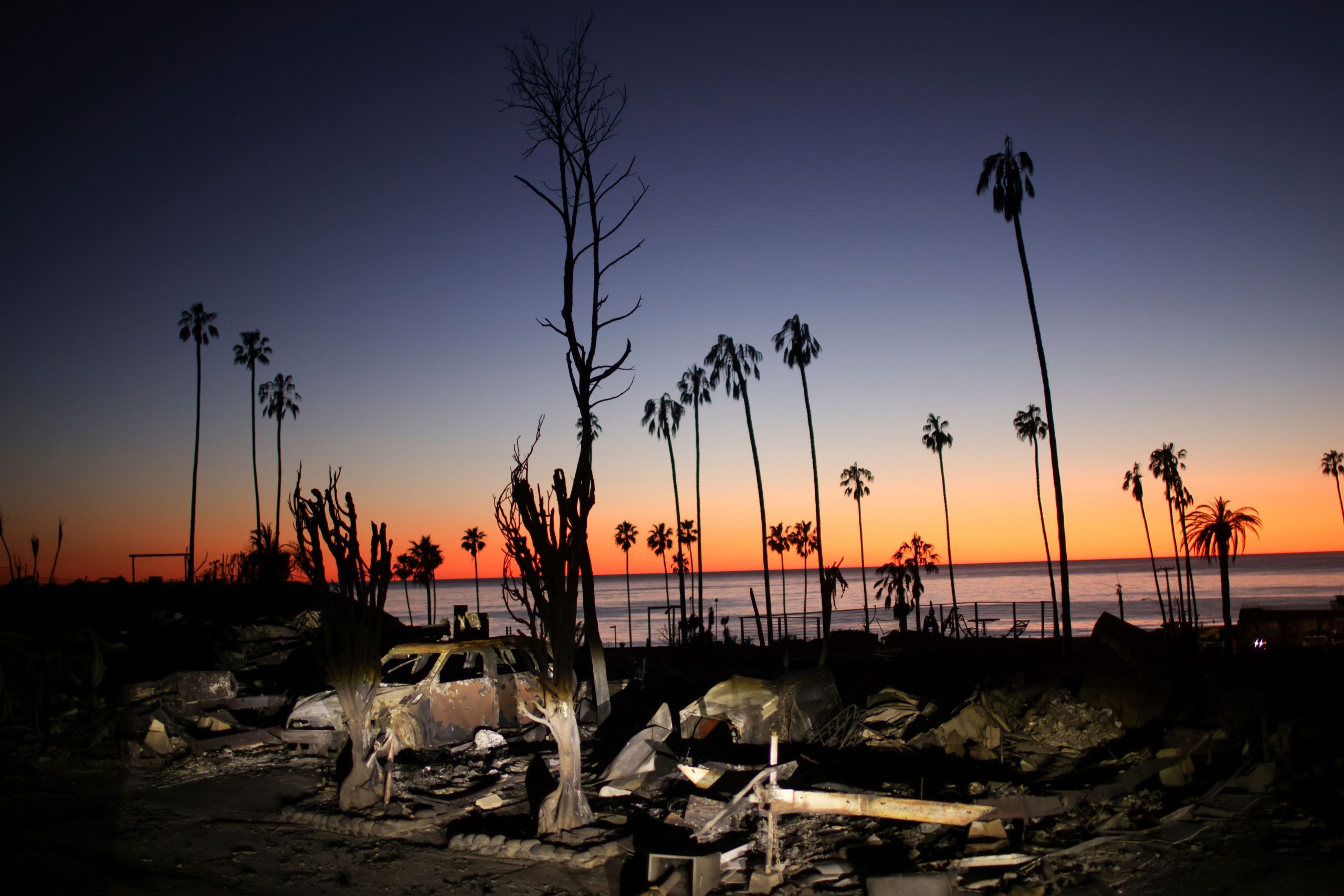
State Farm violated the law hundreds of times in a sampling of 220 cases related to the Los Angeles-area wildfires. The maximum penalty amount allowed by law would be around $4 million. Regulators may temporarily suspend the company's license. The company has paid out more than $5.7 billion on 13,700 auto and home insurance claims related to fires.