
Steve Hayes, Jonah Goldberg, Mike Warren and Michael Sobolik discuss the U.S. relationship with China ahead of President Trump's planned summit with China's President Xi Jinping later this week. They also discuss America's policy on the Taiwan question and the future of Taiwanese independence.
Geopolitical Futures is a free newsletter with weekly analysis from New York Times bestselling author George Friedman and a global team of analysts. It includes special offers and reports on Turkey, Iran, and the future of the Middle East. Sign up now to receive the special report on Turkey and Iran.
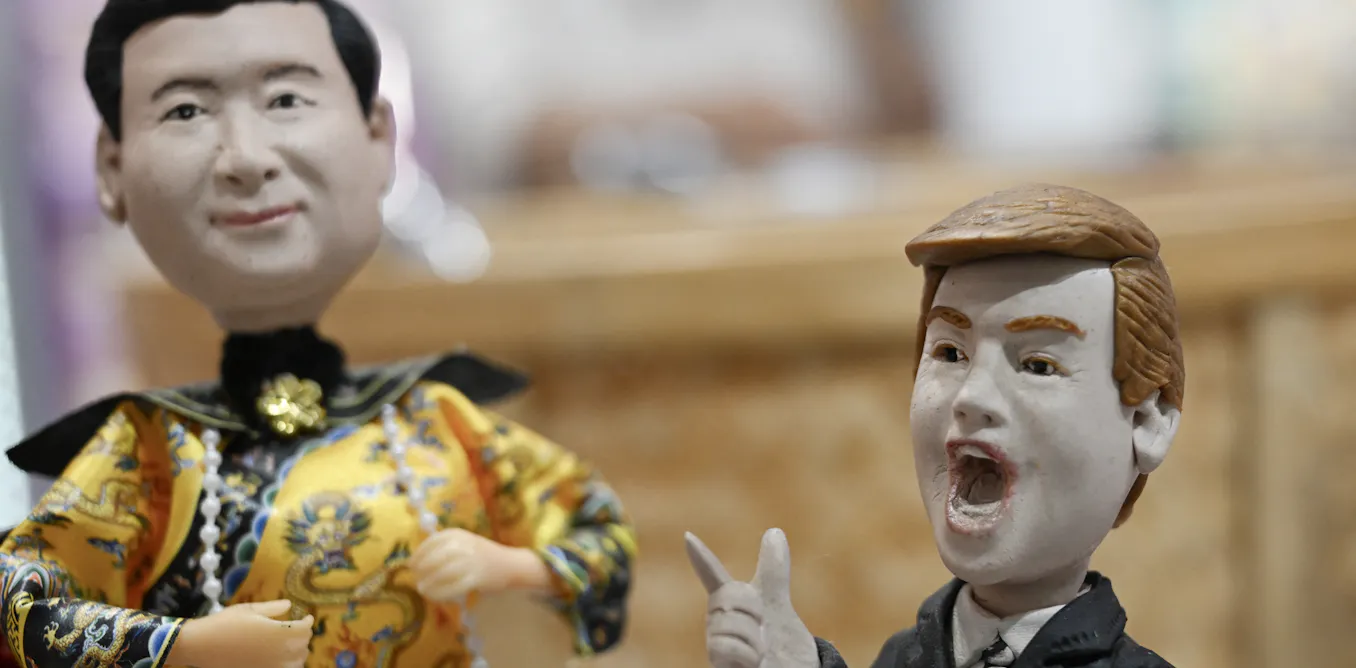
Donald Trump and Xi Jinping will meet in Beijing on May 14-15, 2026. It will be the first face-to-face meeting of U.S. and Chinese leaders in Beijing since Trump’s own visit nearly a decade ago in 2017. The outcomes of the Trump-Xi summit are likely to be vague, because the goals for both leaders are only partially evident. The visit is being driven by trade imperatives, but there are other issues that threaten the relations between the two countries in the longer term.
Trump's visit to China comes as the US-Iran war disrupts global energy supplies, fuels economic uncertainty and adds fresh strain to Washington-Beijing ties. Chinese toymaker An’Best did not feel the same panic during the trade war’s initial salvoes in 2018, because it diversified its export business to reduce its dependence on one market.
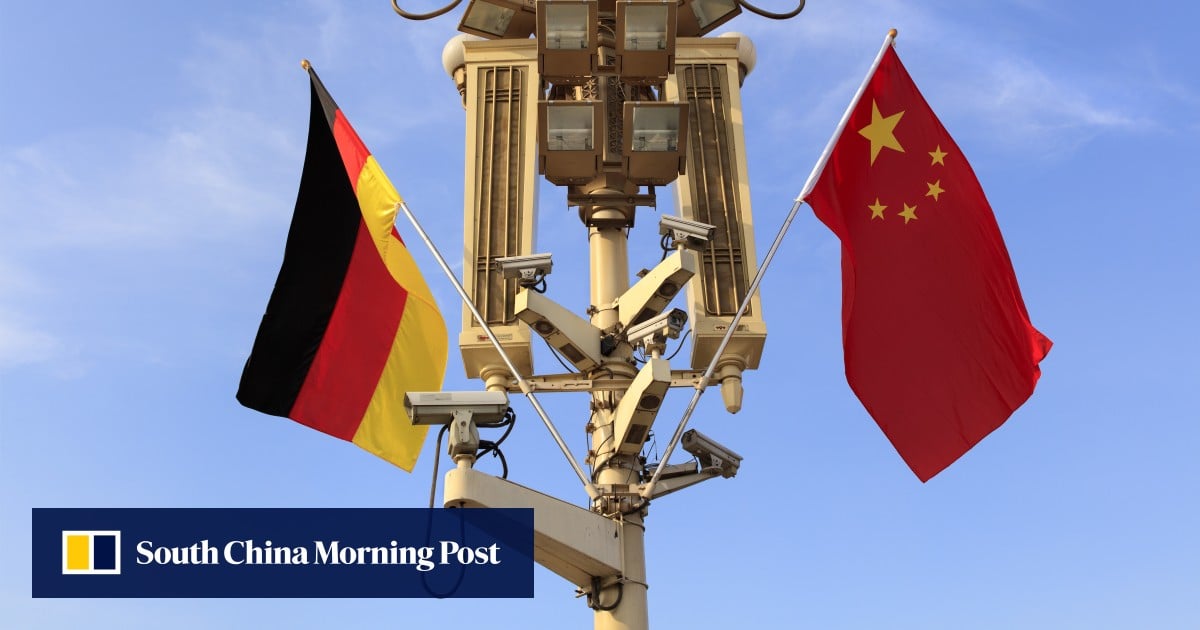
German companies in China are more optimistic about the country's economic outlook. 37% of respondents expect China's economy to improve over the next six months, up 22% from last year. 61% of companies plan to expand their footprint in China in the next two years, the highest since 2023.

The Taiwan question could become one of the big topics of this summit. Xi portrays China as the guardian of the rules-based international order. The USA is in the process of undermining it itself. . for years, the Communist Party has tried to portray itself as a reliable power in contrast to Washington.
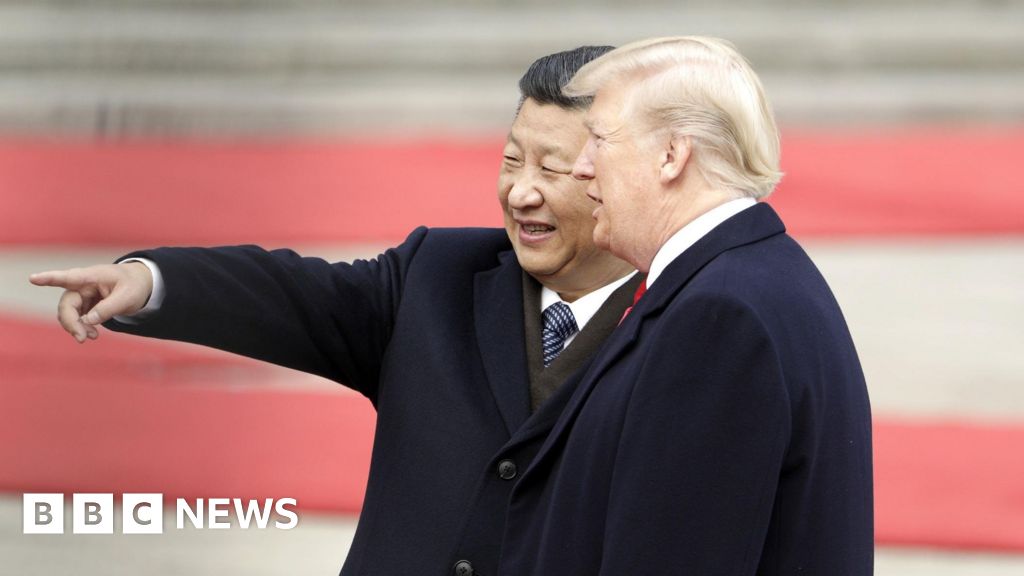
Donald Trump and Xi Jinping are meeting in Beijing this week. Trump was wooed hard during his last visit to China in 2017, with dinner inside the Forbidden City and a stop inside Zhongnanhai. This time the agenda will be thorny, with Iran, trade, technology and Taiwan on the agenda. Xi is pushing forward with plans for "new productive forces" with heavy investments in renewable energy, robotics and artificial intelligence.

David ShambaUGH is a professor of Asian Studies at George Washington University and Distinguished Visiting Fellow at the Hoover Institution at Stanford University. Steven Jackson is Professorial Lecturer at the Elliott School of International Affairs and Professor Emeritus of Political Science at Indiana University of Pennsylvania.

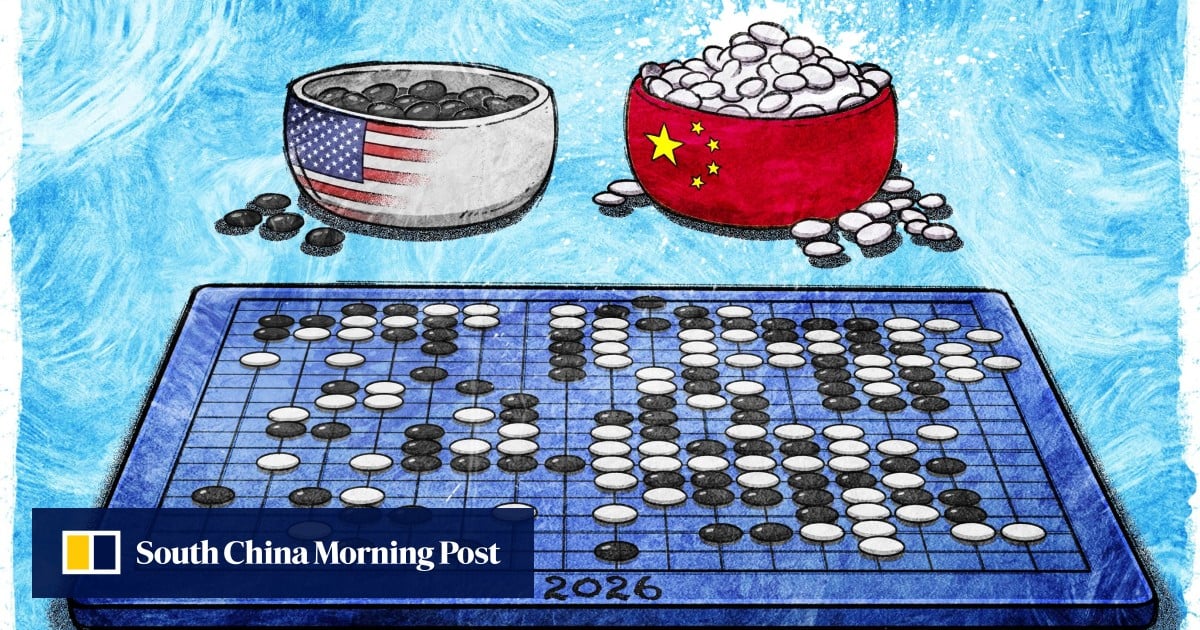
Trump and Xi Jinping are meeting in Beijing this week. They are expected to discuss trade issues. The U.S.-China merchandise trade has fallen by more than one-third since Donald Trump last visited Beijing more than eight years ago. The first Trump administration aimed to coerce China into reorienting its economic model to boost domestic consumption and reduce subsidies for exporters. Today, the Trump team appears ready to erect higher barriers against Chinese goods.
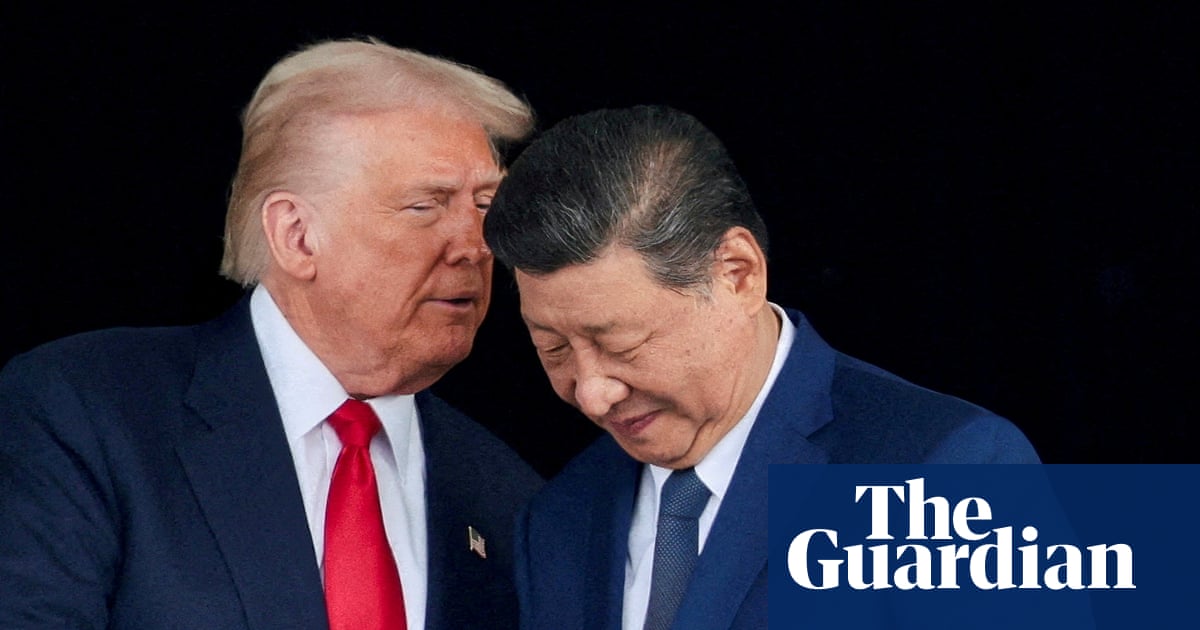
Donald Trump and Xi Jinping will meet on 13-15 May in Beijing. Top of the agenda is the US-China trade war. China's main concern is to find a way to reopen the strait of Hormuz, through which half of China’s crude oil passes. The US wants China's help in striking a deal with Iran. The other main items on the agenda are trade and Taiwan.