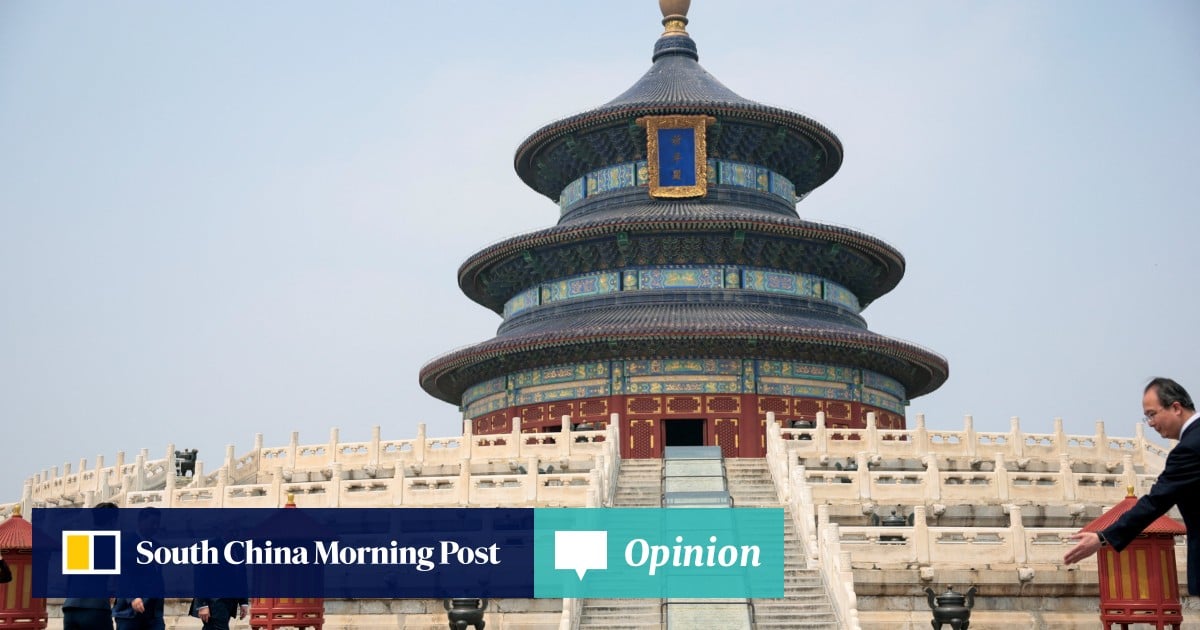
According to CNN poll, 76% of Americans see high prices and cost of living as their country’s most serious economic problem. Pew Research Centre survey found that Americans’ views of China have become somewhat more positive. German businesses in China expect the Chinese economy to improve in the coming months. 61% plan to expand investment in China over the next two years. Chinese capital is relocating towards stability in a world saturated with risk.
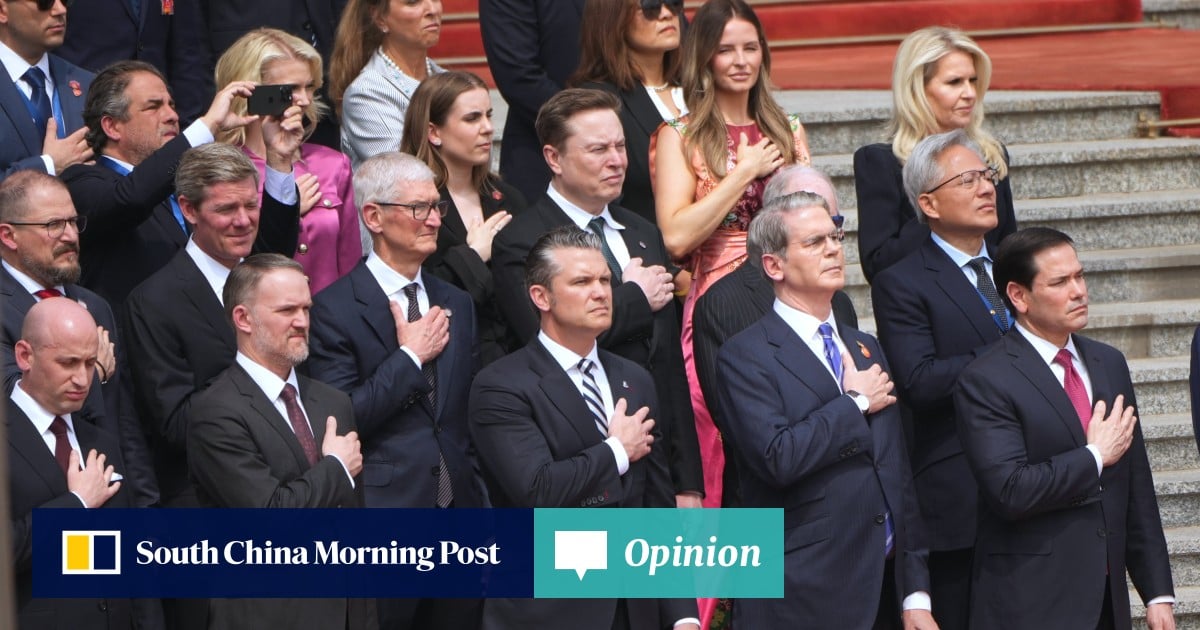
Donald Trump's visit to Beijing with a delegation of American tech executives shows that the U.S. and China are not decoupling. They are learning how to compete while remaining deeply entangled. Washington has framed its China policy around technological denial, restricting access to advanced semiconductors, tightening controls on artificial intelligence collaboration and pressuring allies.
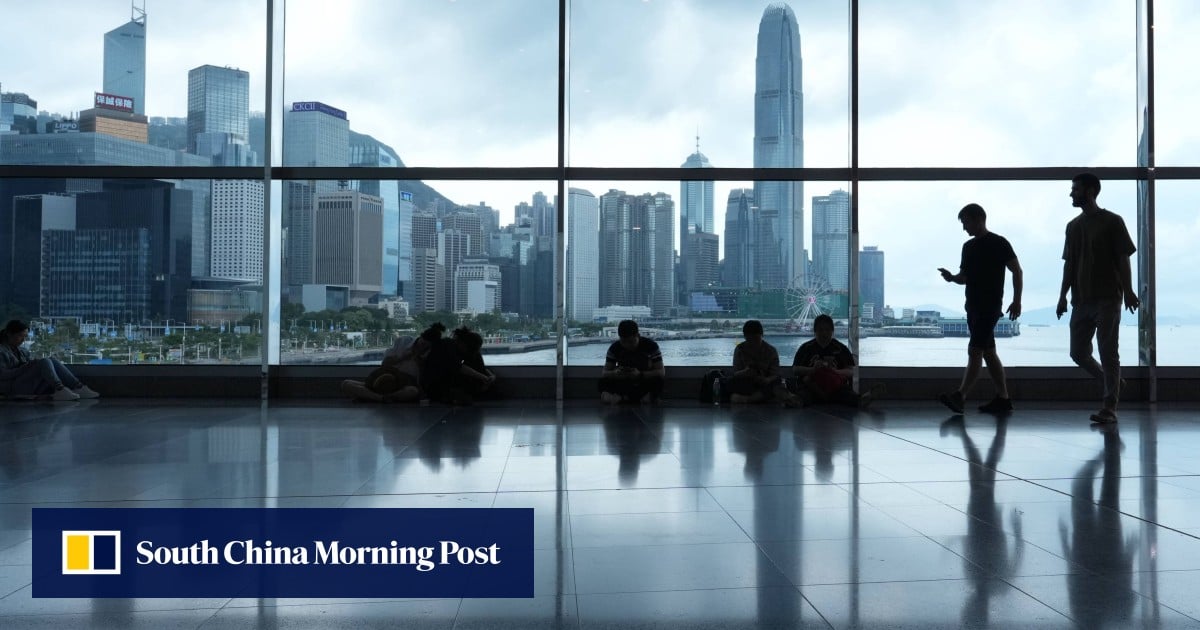
More than 310 enterprises from mainland China and abroad have established or expanded operations in Hong Kong by early May, bringing in more than HK$26 billion (US$3.3 billion) in capital in the first year of operation. InvestHK director general Alpha Lau Hai-suen says Hong Kong must adapt to the changing international order and seize opportunities.

President Trump's visit to Beijing was a strategic diplomatic engagement that advanced his priority of correcting the economic imbalance between the U.S. and China. It was the first presidential trip to China in nine years. The leaders discussed thorny issues, ranging from the Iran war, China’s desire to annex Taiwan and trade during Mr. Trump's two-day visit. Neither side announced breakthroughs but both sides praised the meeting as productive.
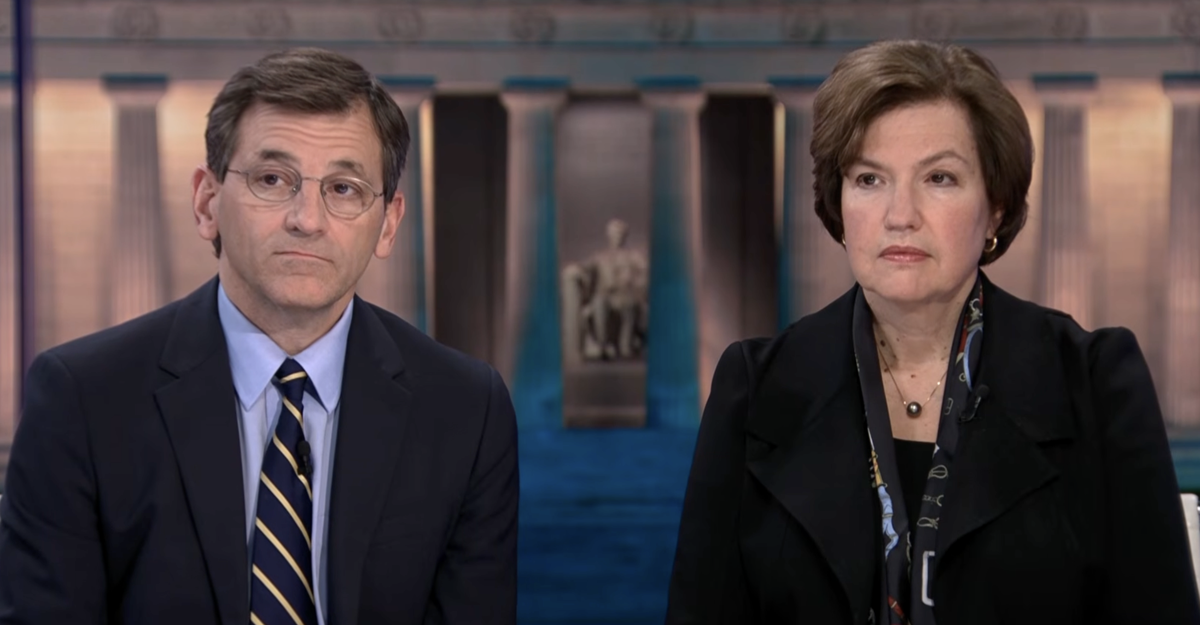
Donald Trump met with Chinese President Xi Jinping for a high-stakes summit in Beijing this week. Panelists on Washington Week With The Atlantic discuss potential takeaways from the visit and more. Peter Baker, the chief White House correspondent at The New York Times, Susan Glasser, a staff writer from The New Yorker, Mark Mazzetti, a Washington correspondent for The Times, and Nancy Youssef, staff writer at The Atlantic join Jeffrey Goldberg.
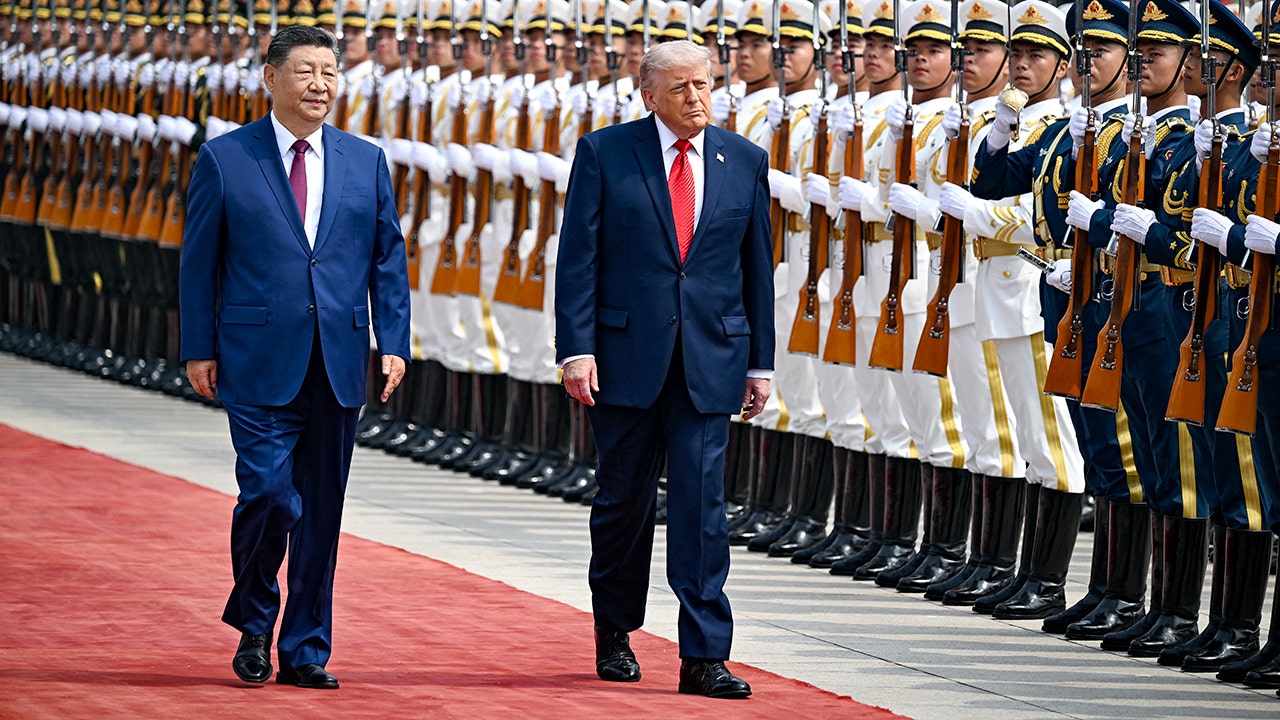
Donald Trump and Xi Jinping met in Beijing for a state summit. Donald Trump warned of a new Cold War between the U.S. and China based on military power, economic leverage, competing technological ambitions, and irreconcilable visions for world order. Xi warned Trump that mishandling Taiwan could lead to "clashes and even conflicts" between the two nations. Taiwan's manufacturers produce the vast majority of the world's most advanced semiconductors, powering everything from smartphones to military systems. Washington is committed to providing Taiwan the means to defend itself. Washington and Beijing remain deeply divided over Iran.
President Trump visited Beijing on Friday. It was the first visit to China by a sitting U.S. president in nine years. The visit was aimed at correcting what ambassador David Perdue called 25 years of American strategic vulnerability caused by economic dependence on China. China agreed to purchase soybeans and Boeing aircraft, but neither the White House nor Beijing confirmed the Boeing deal.

The U.S. policy on Taiwan has long been to acknowledge Taiwan as distinct from the People’s Republic of China, which claims the island as its territory. Taiwan's semiconductor industry is critical to the Trump administration's efforts to create a secure supply chain for the technology sector. Beijing's comments underscored its delicate balancing act on Iran.