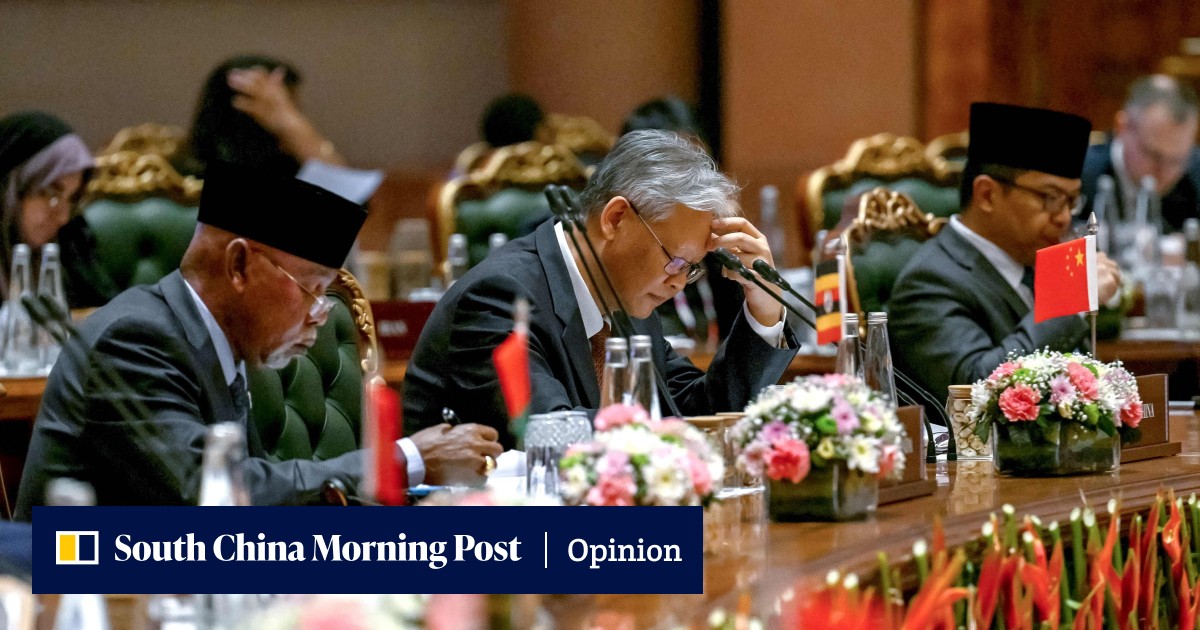
There has been a rivalry between New Delhi and Beijing for the past eight decades. China's rise was an economic challenge and slap in the face for India's stumbling growth model. Trump's trade policies have been harmful to US interests. Trump has taken a unilateral wrecking ball to the architecture of multilateral trade. China has emerged as a more trustworthy partner in trade and multilateral stability.
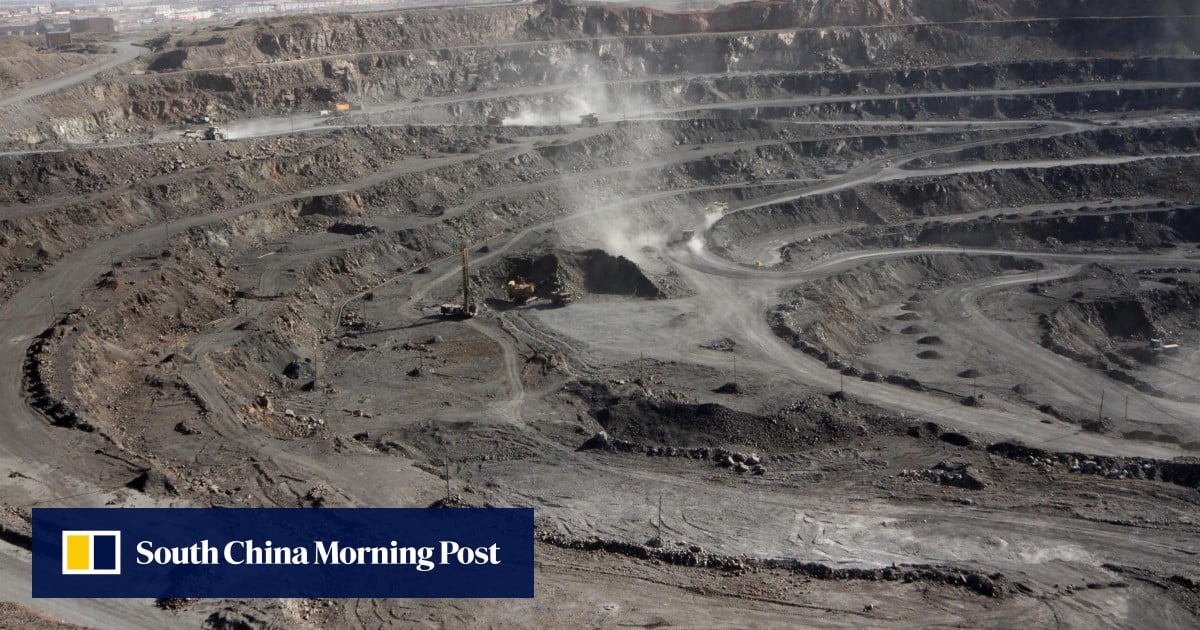
This week's news from Hong Kong, mainland China, the wider Asia region and beyond resonated with our readers and shed light on topical issues. If you would like to see more of our reporting, please consider subscribing to our website.
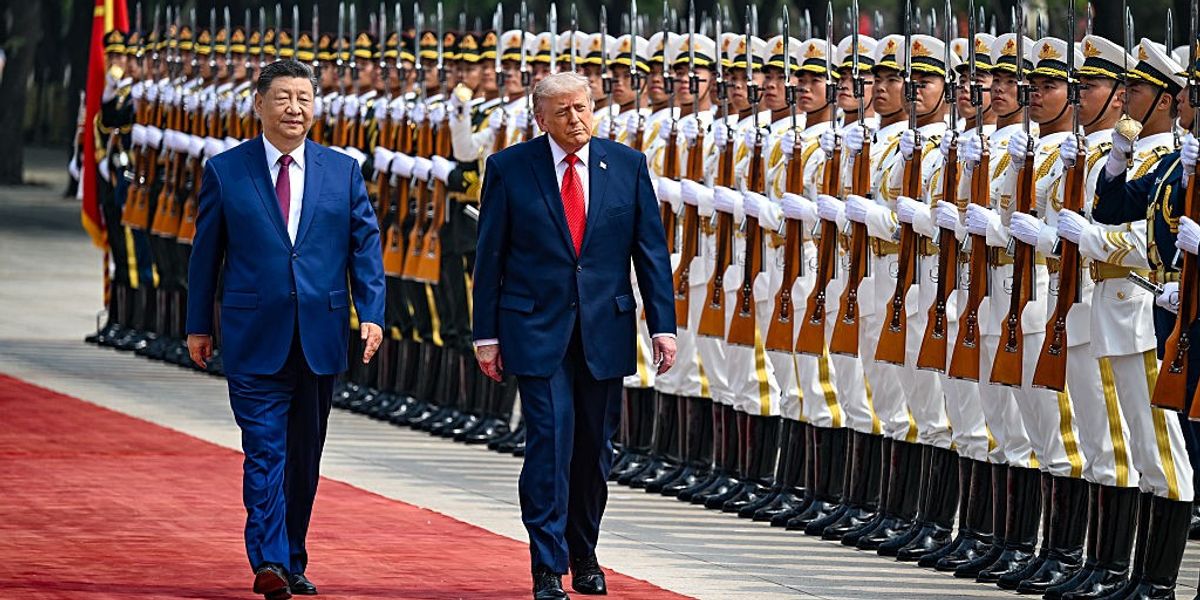
Trump and Xi held a summit in Beijing. Xi and Putin issued a joint statement criticizing what they called “irresponsible” U.S. foreign policy. Chinese state media framed the summit as a diplomatic win for Beijing. The message Xi wanted to send was that China is no longer a junior power-seeking accommodation from Washington, but a peer competitor that expects to be treated as an equal leader of global order.

On May 13-15, U.S. President Donald Trump met with Chinese leader Xi Jinping in Beijing for high-level talks. They discussed the future of Taiwan and the balance of power in the Indo-Pacific. The Trump administration has stressed that the policy toward Taiwan remains unchanged. Taiwan's domestic political gridlock has emerged as a growing concern for Washington and regional allies.

After the Trump-Xi summit, details are beginning to emerge on the agreements reached in Beijing. The U.S. wanted to stabilize bilateral relations with China, while China wanted jet engines, semiconductors, and a shift in the policy on Taiwan. The readouts reflect the ways the two sides stake out their positions and project their power.

Xi Jinping and Vladimir Putin used the phrase “no limits partnership” in February 2022, just weeks before Russia launched its full-scale invasion of Ukraine. Now, four years later, the countries’ ties appear to be thriving. Both China and Russia have long had a problem with U.S. primacy and are joining forces to counterbalance it. They see the West as declining and a more multipolar world emerging. Since 2022, Beijing has thrown a lifeline to the Russian economy, providing a market for hydrocarbons and supplying critical goods.
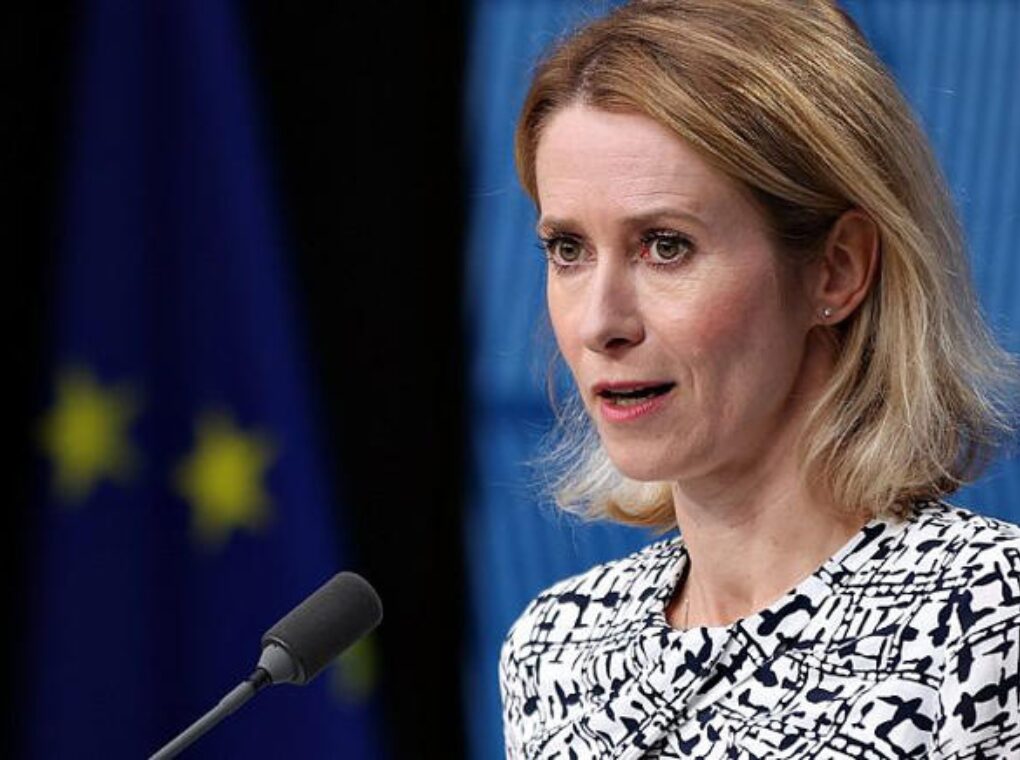
EU Foreign Policy Chief Kaja Kallas has come under fire for her remarks about China and Europe's economic relations with Beijing. Since the return of Donald Trump to the White House, transatlantic trade tensions have intensified, forcing European leaders to reassess economic partnerships with China. Since becoming the EU's foreign policy chief, she has maintained a sharply critical position on both Russia and China.
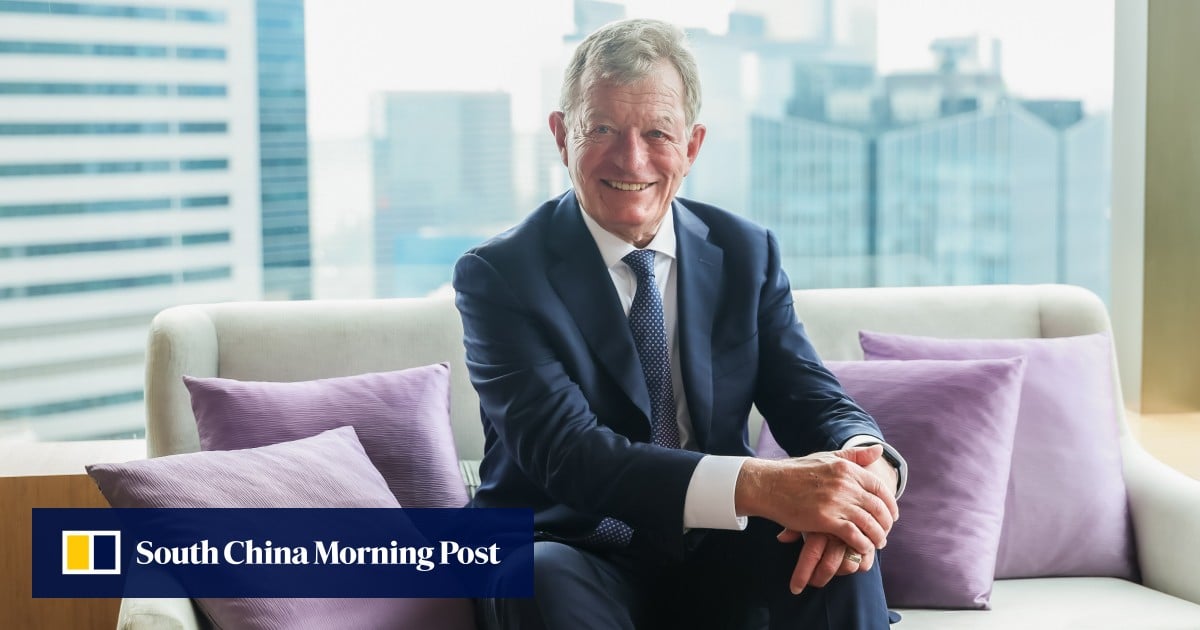
Max Baucus served as US ambassador to China from 2014 to 2017. He says the latest US-China summit between Donald Trump and Xi Jinping served as a guard rail to prevent breakdown and escalation, while revealing the limits of the superpowers’ ties. Xi hosted Russian President Vladimir Putin on Wednesday, just days after Trump's visit.