
There are reports of declining food sales. Robert F. Kennedy Jr. has said that the food industry is poisoning America. There are four existential threats to the industry: ultra-processed foods, GLP-1 drugs, inflation and SNAP restrictions. SNAP restrictions decrease purchases of sodas and sweets.

Caraway has launched a marketing campaign in response to a lawsuit filed in February by two large pan makers in the Southern District of New York. Groupe SEB USA and Meyer claim that Caraway is harming their reputation by marketing its products as free of toxic chemicals. The lawsuit is the latest attack on anti-PFAS advocacy by two of the largest companies in the cookware industry.

Methyl methacrylate (MMA) was used to make acrylic plastics such as Plexiglas and Lucite in Garden Grove, California. The reaction is highly exothermic and self-accelerating. MMA is less toxic than vinyl chloride. Both chemicals are derivatives of ethylene and are involved in accidents.
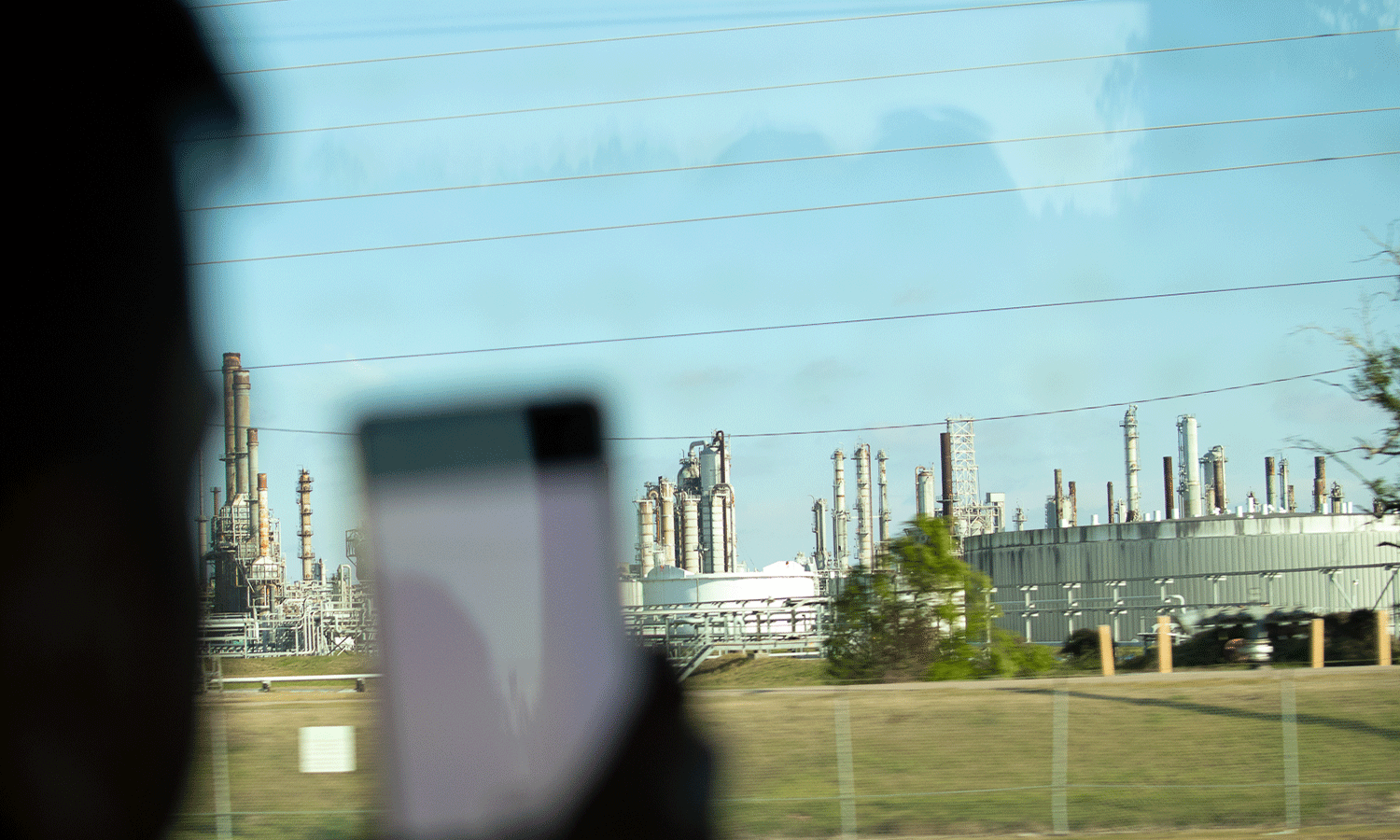
UCS organized a Toxics Tour at the American Geophysical Union's annual meeting in New Orleans, Louisiana. The tour connected participants and environmental researchers to energy and industrial pollution, disaster recovery and restoration in Plaquemines Parish, LA, just an hour outside of New Orleans.

Beyond Meat changed its name to Beyond The Plant Protein Co. this spring and is preparing for the wider launch of Beyond Immerse, a fizzy, fruit-flavored drink that contains protein, fiber, vitamin C and electrolytes. CEO Ethan Brown says the move was aimed at skirting the "culture wars" that have stymied meat alternatives.
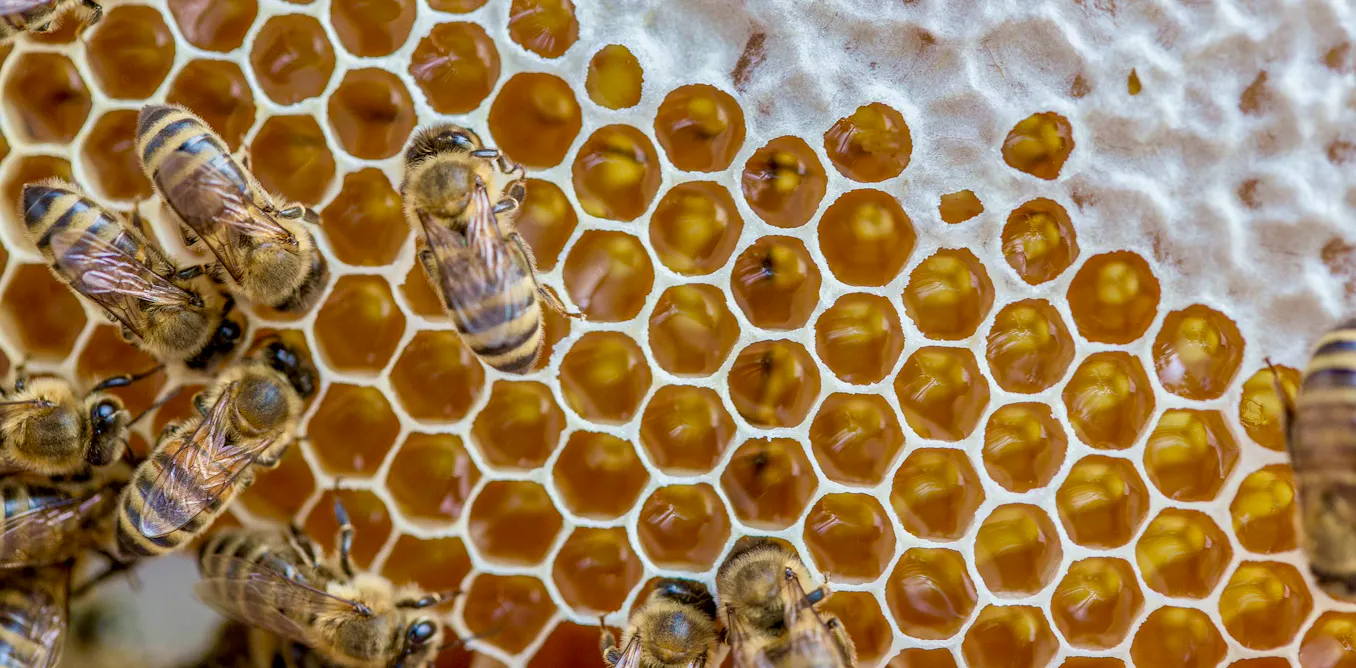
The USDA plans to close the Beltsville Agricultural Research Center, a 6,500-acre agricultural research station in Maryland. The lab is home to the nation's premier bee research and disease diagnosis hub. Beekeepers lose nearly half their operations every year due to varroa mites, low honey production, and soaring fuel costs. Honey bees contribute roughly US$15 billion to U.S. crop production.
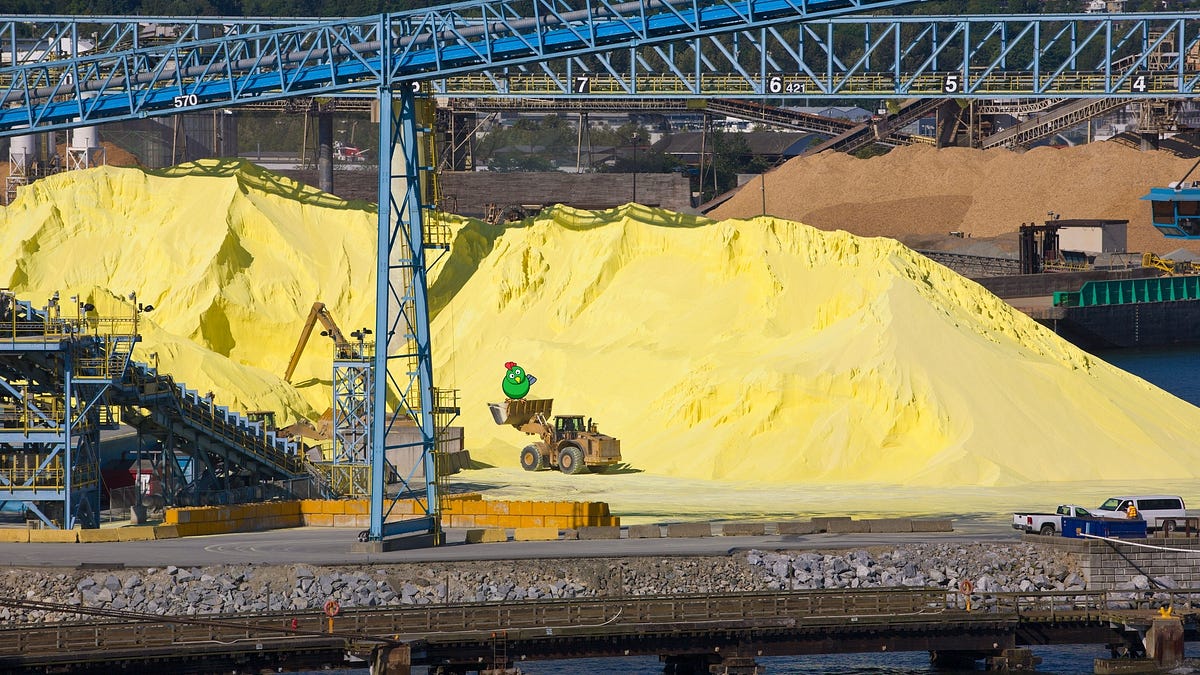
As environmental restrictions on sulfur emissions have tightened, the supply of purified elemental material has grown. The dominant use case for sulfur is to make sulfuric acid, which itself is an input into several downstream applications, especially phosphate-based fertilizers. The sulfur industry has been disrupted by the war in Iran, as Middle Eastern refineries are heavily involved in the trade.

Kyle Diamantas was appointed by the Trump administration as the FDA’s top food official in 2025. He worked at Jones Day representing food, beverage, and tobacco-industry clients. He had no experience in public health, in medicine or science, or in government.
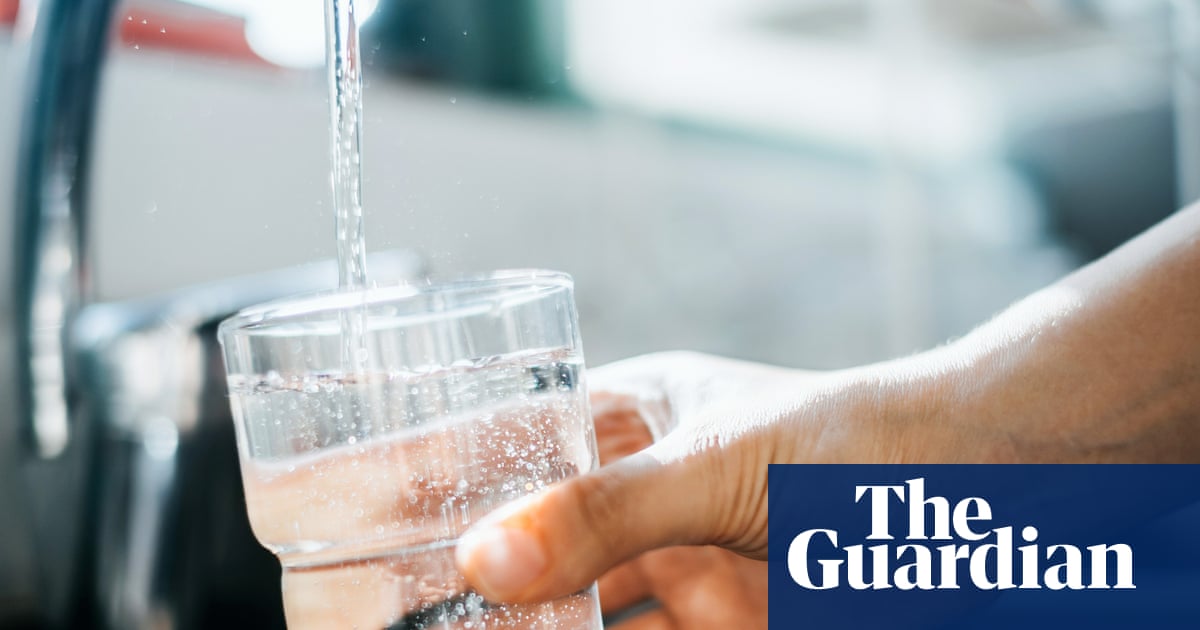
The US Environmental Protection Agency is moving to kill strong Biden-era drinking water limits around four Pfas compounds and delay implementation for two more. Pfas is a class of at least 16,000 compounds used to make products water-, stain- and grease-resistant. They have been linked to cancer, birth defects, decreased immunity, high cholesterol, kidney disease, and a range of other serious health problems. Technology that fully destroys Pfas does not exist, and while progress is being made in its development, it is unclear when it may be deployed on an industrial scale.
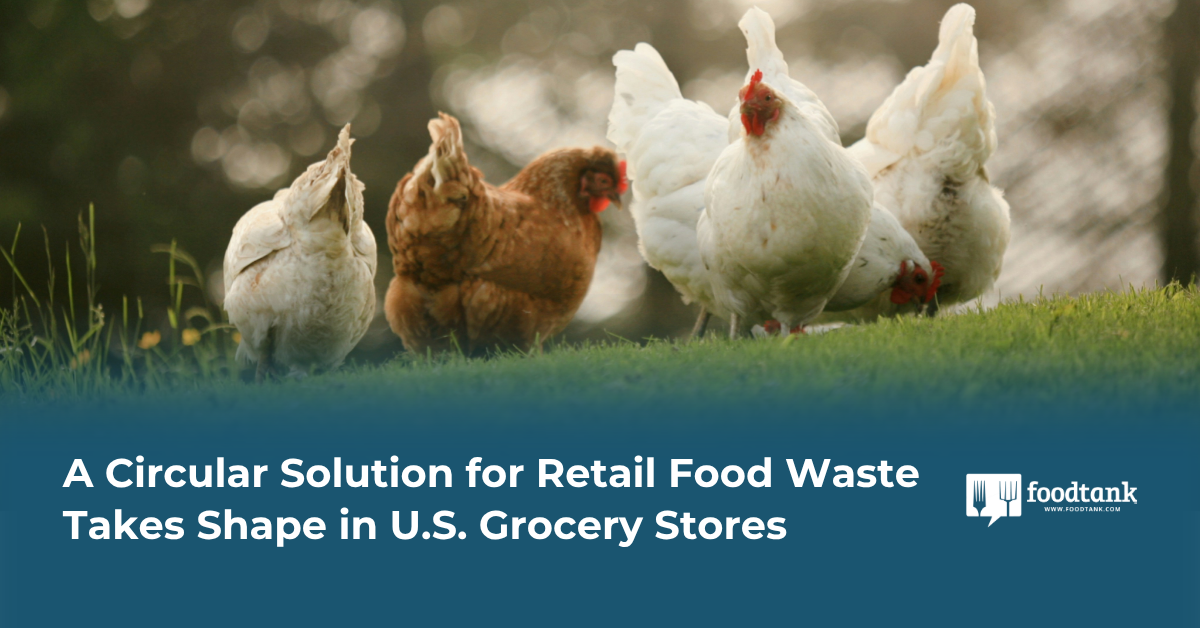
Mill Industries and Amazon are partnering to keep grocery store food waste out of landfills. Mill’s recycling systems will roll out in Whole Foods Market stores in 2027, turning discarded food scraps into chicken feed for the retailer's private-label egg suppliers. Whole Foods is working closely with farmers and cross-functional teams to validate the model and prepare for launch. Food retailers in the U.S. generated an estimated 4.63 million tons of surplus food worth US$30.3 billion, but only 11.4 percent of it was turned into animal feed.