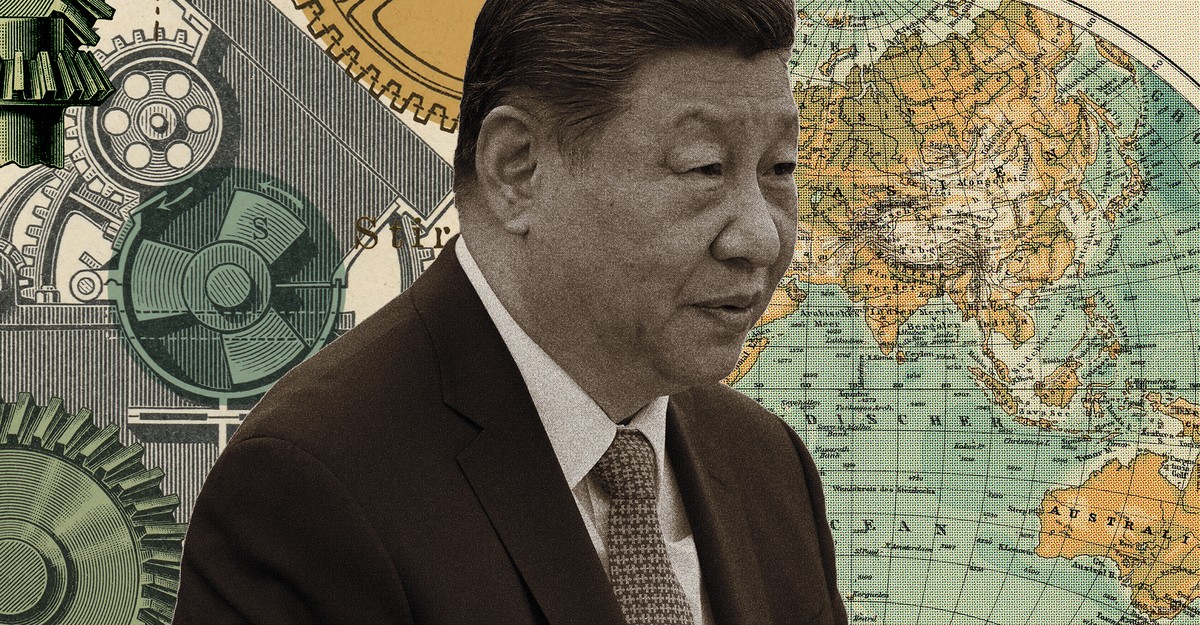
China's trade surplus ballooned to a record $1.2 trillion last year. President Trump used to complain that China was "ripping off" the U.S., but lately he seems less concerned about the threat that China poses to America’s economic future.
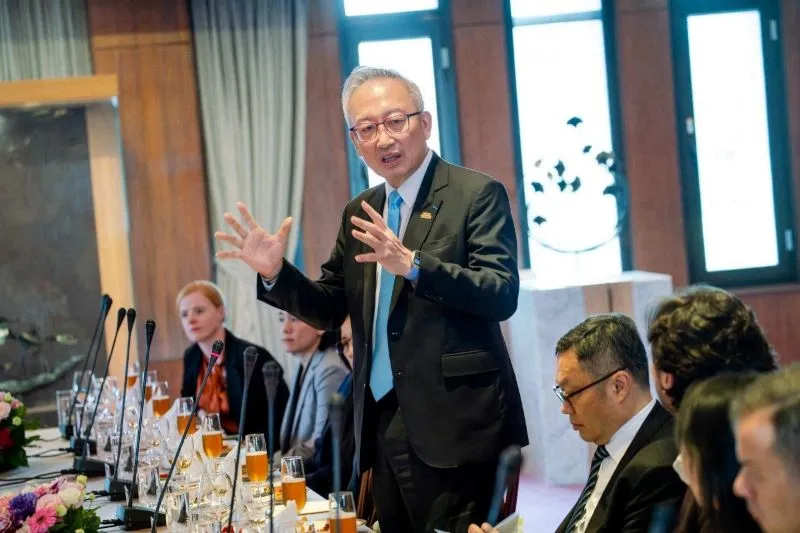
The international media delegation visited Taiwan May 17-23 to gain insight into the country's achievements in democratic governance, societal resilience, technological innovation and cross-strait conditions. Deputy Foreign Ministers François Chih-chung Wu and Chen Ming-chi co-hosted a reception for the group on May 21 in Taipei City.
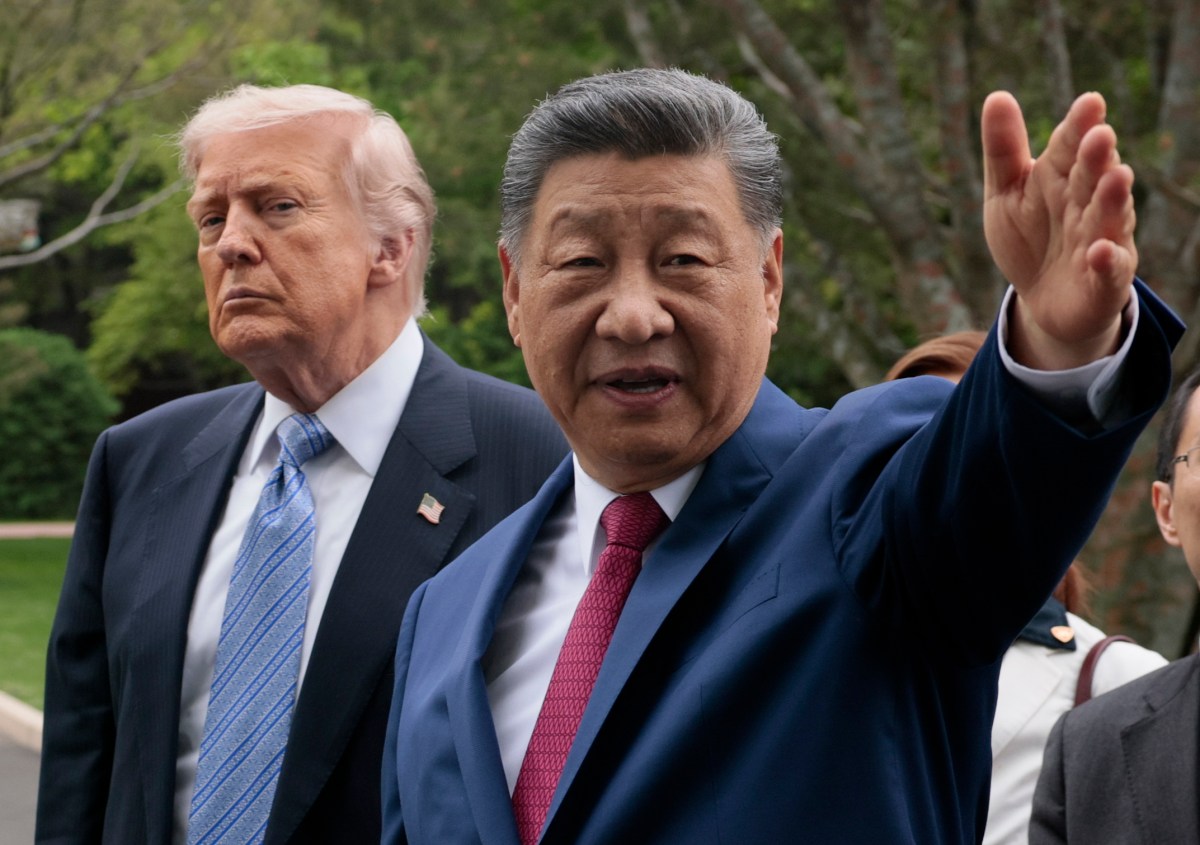
Xi Jinping warned his party's ruling elites this year that failure to understand emerging technologies could see China cede ground in the race to dominate the future of the global economy. He renewed earlier calls to promote quantum technology, biomanufacturing, hydrogen and nuclear fusion energy, brain-computer interface, embodied AI and 6G as "new economic growth points". Beijing spent two decades and trillions of dollars in state funding to build a worldwide reliance on Chinese manufacturing. It carved out land and subsidized local companies to bypass fiscal and environmental norms in ways liberal democracies in the West could not.

Foreign Secretary Yvette Cooper is on a three-day visit to China. She met Vice President Han Zheng at the Great Hall of the People at the start of her visit. Keir Starmer's government is trying to reset relations with Beijing after a long period of what Starmer had described as an "ice age" in relations.

China's leadership has unveiled sweeping new regulations governing overseas investment. The regulations cover everything from foreign exchange transactions and cross-border data transfers to technology exports, overseas personnel movements, and even national security reviews. It's the first time private individuals are explicitly included in the official definition of “overseas investors” under the new rules. Analysts see it as another step toward tighter economic controls.
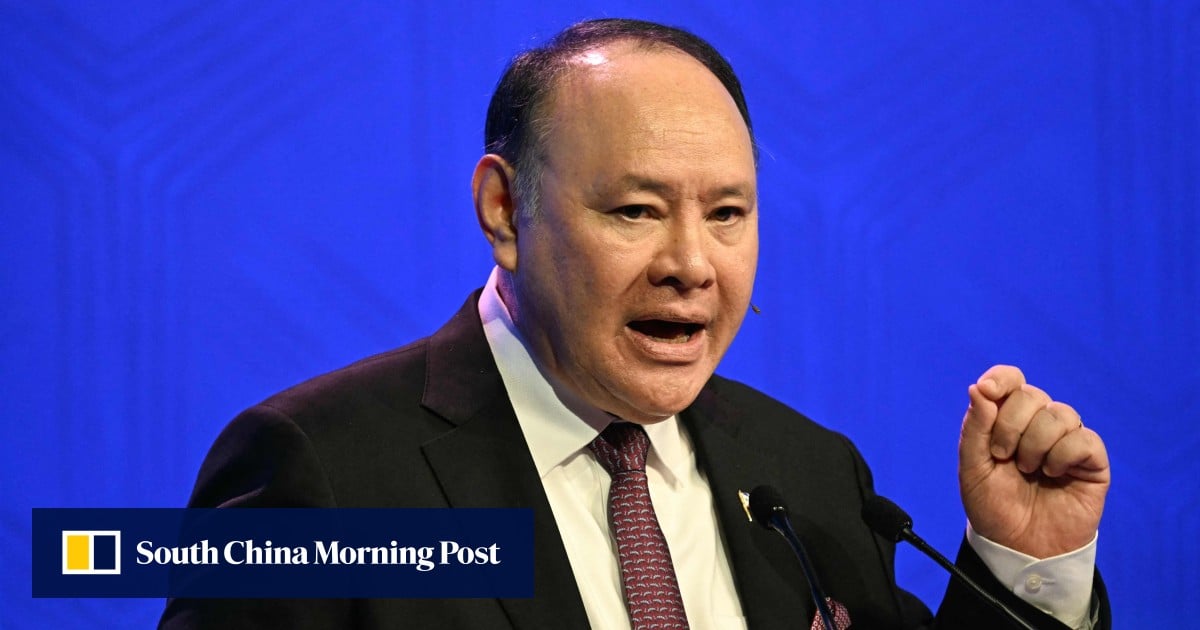
Gilberto Teodoro Jnr said in an interview on Saturday that China is a threat to the Philippines territory-wise and politically. China's foreign ministry spokeswoman Mao Ning accused him of making wrong comments on China on multiple occasions. Mao warned the Philippine government to consider the implications of his remarks. The conflict in the Middle East has triggered an economic emergency in the Philippines, leading to supply disruptions and price increases in fuel and fertiliser.
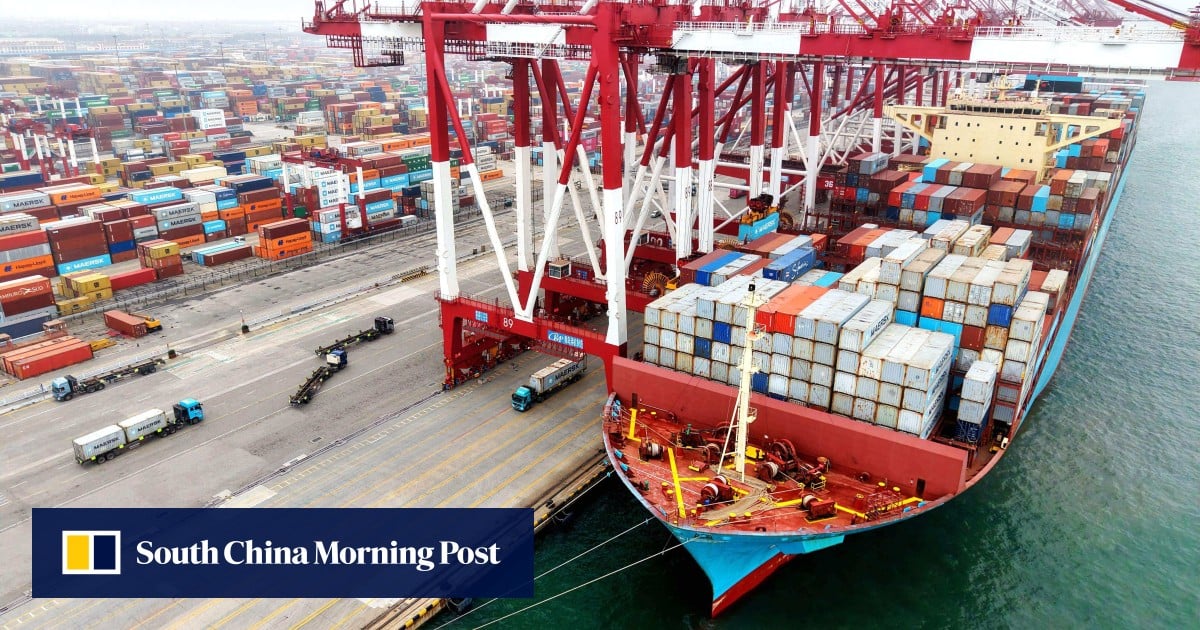
EU trade chief Maros Sefcovic will meet China's international trade envoy, Li Chenggang, in Paris on Thursday. The sides are trying to establish a new platform for discussing trade and investment issues. The EU has been keen to streamline dialogue with China from an estimated 60 working groups into something more manageable.
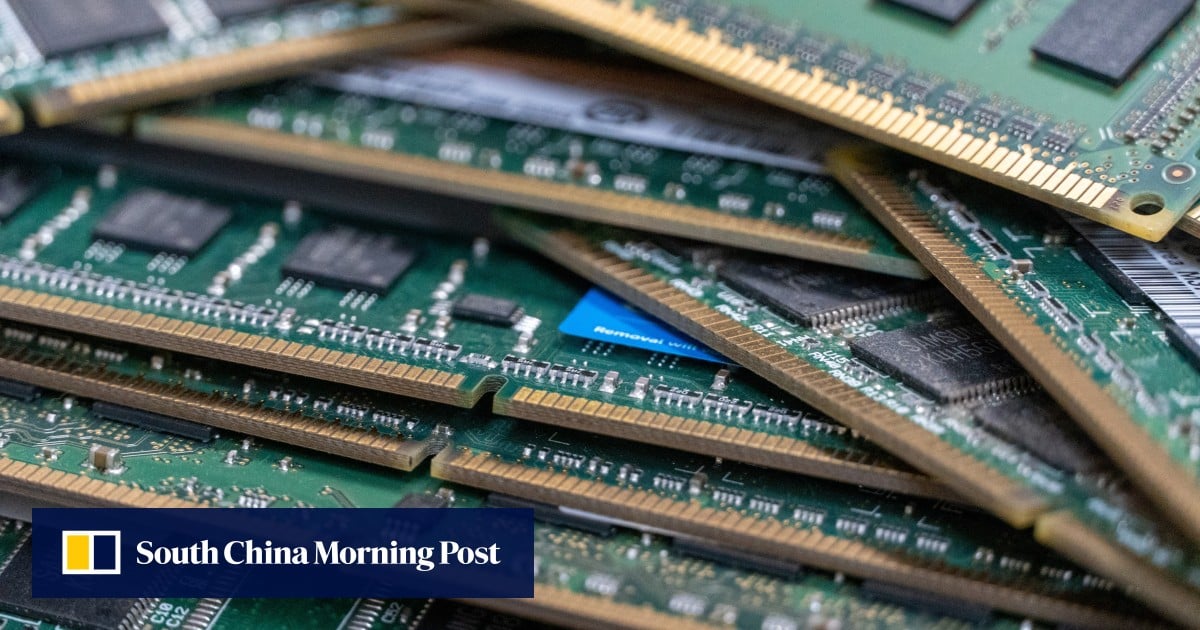
South Korea's trade position with China has strengthened this year, swinging from a US$764 million deficit in December 2025 to US$1.1 billion surplus in February. The turnaround has been driven largely by semiconductor shipments to China, as the global AI boom fuels demand for memory chips.
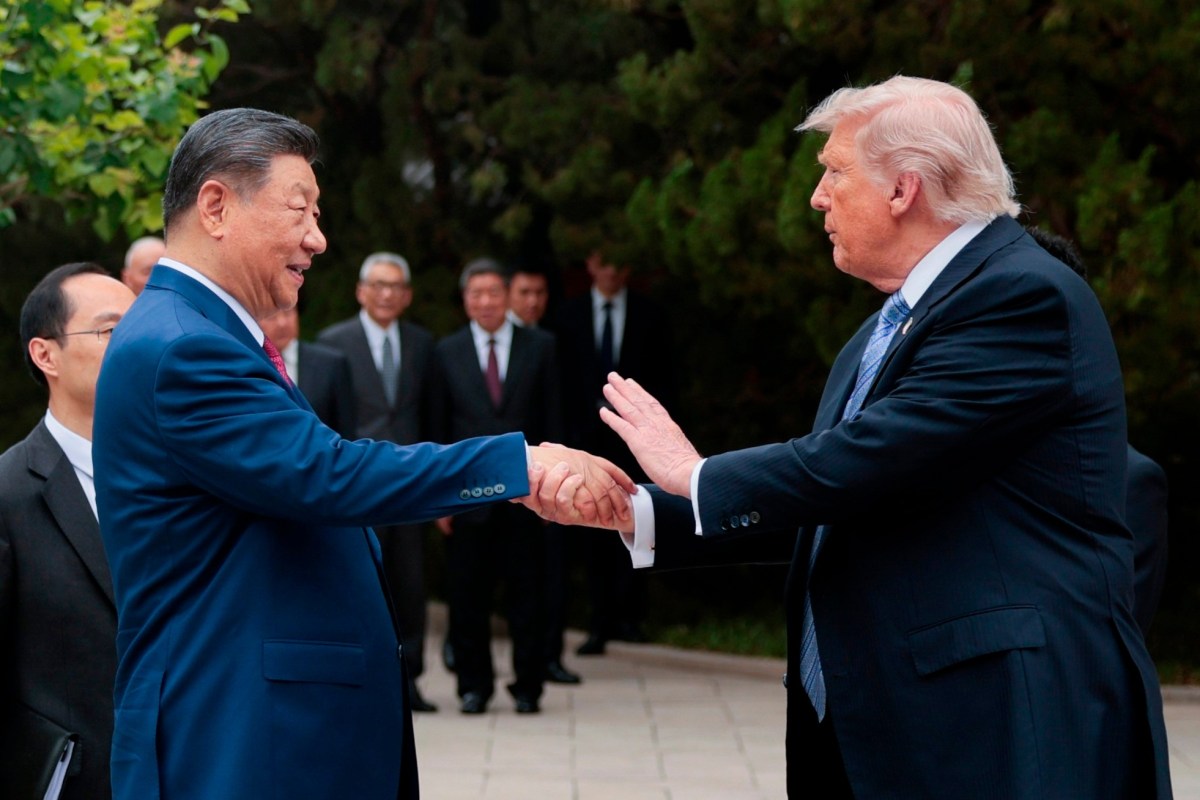
The Office of the U.S. Trade Representative invites public feedback on which "nonsensitive" goods should be considered for tariff cuts. The deadline for submitting comments is July 10. The Board of Trade is a forum for officials from both governments to manage trade in non-sensitive goods and the Board of Investment is for discussing investment-related issues.

The U.S. government revoked the visa of a Xinhua News employee on May 29. The move was framed as a response to Beijing's expulsion of New York Times journalists from China, but analysts say it's more than that. Washington is trying to regulate and limit what it sees as Beijing's influence operations abroad.