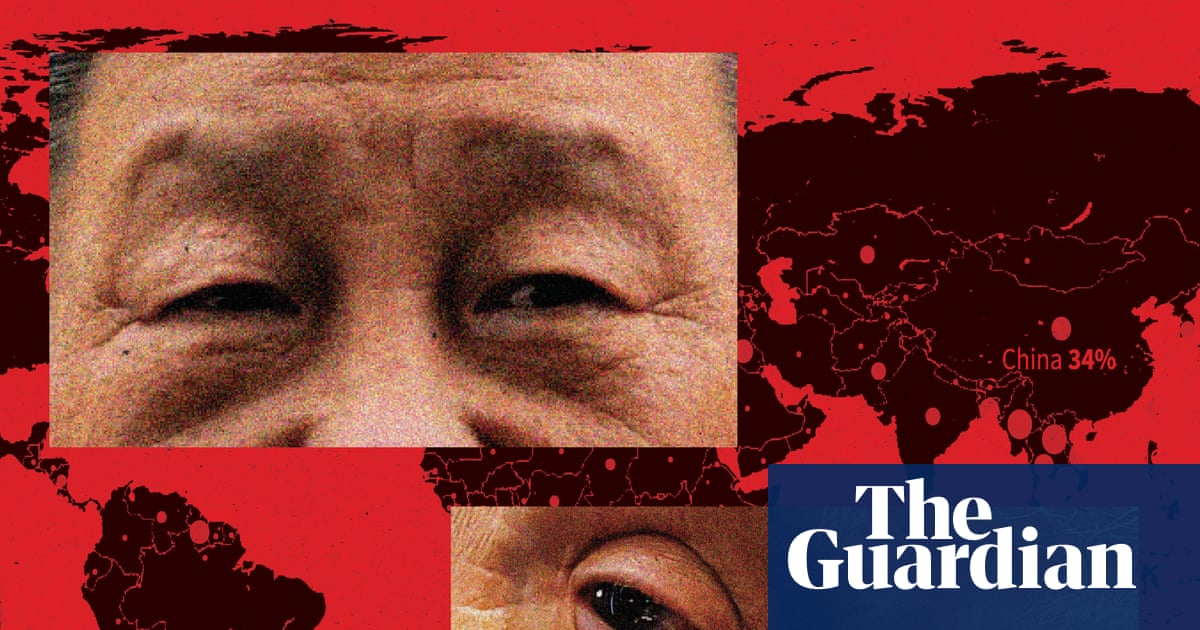
Donald Trump has raised tariffs against imports from everywhere. Since last year, countries have rushed to build new relationships in the hope of circumventing the US to protect the global trading system. Global trade will be shaped by an emerging new imperative to stop China’s export juggernaut and end its lock on the supply of strategic inputs. The war will come at a cost to economic wellbeing as prices of consumer goods will rise and manufacturers will have to cope with pricier Chinese inputs.
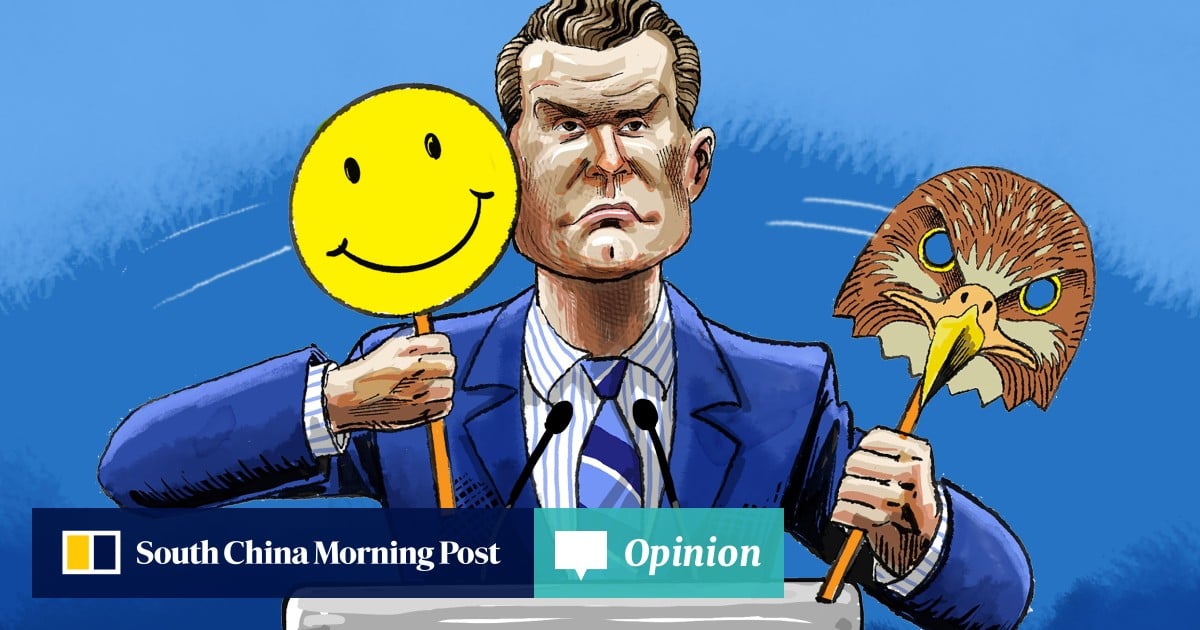
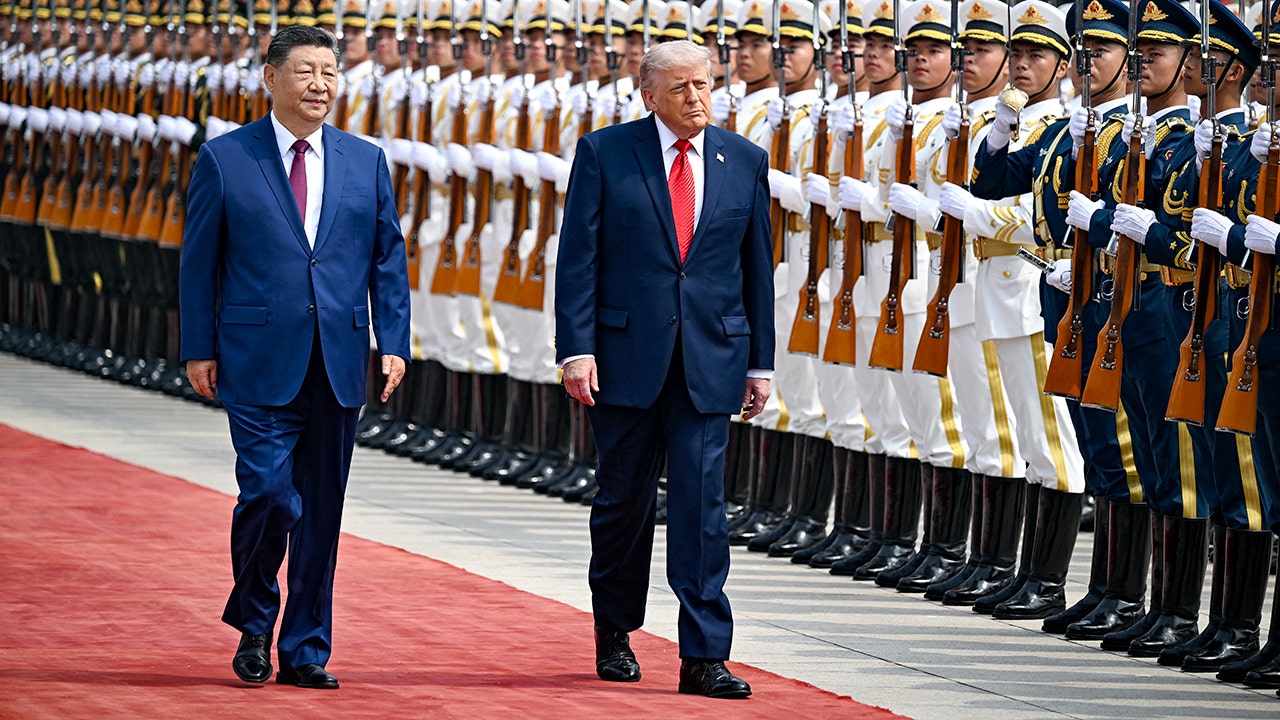
Washington will find it increasingly hard to sell arms to Taiwan as the China-US power gap narrows. Donald Trump's recent visit to Beijing was hailed by him as a "tremendous success". US Defence Secretary Pete Hegseth said relations between the U.S. and China are better than they've been in many years.
Zhou Bo is a former senior colonel in the People's Liberation Army. He believes China's military might can only catch up with the U.S. military by 2049. The military threat has paved the way for the new space race and questions over the close relationship between China's space program and its military. President Trump signed an executive order on Artificial Intelligence.
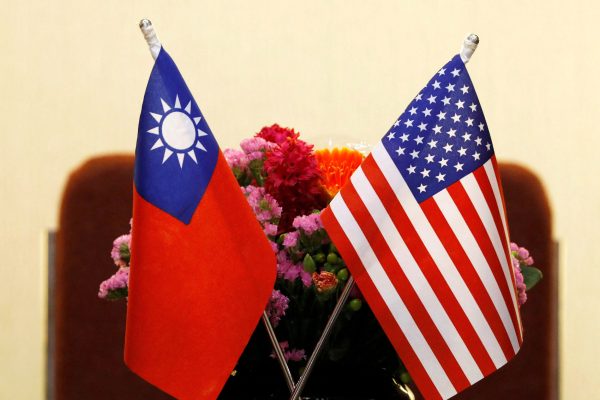
The U.S. paused a $14 billion arms sale to Taiwan to secure sufficiency of its weapons stockpiles for the Iran war, acting Navy Secretary Hung Cao told the Senate on May 21. The pause raised a lot of questions and debate about the US’ Taiwan policy. Sasha Bonafede Chhabra is an analyst, writer, consultant, and speaker specializing in Chinese foreign policy, Taiwanese politics and cross-Strait relations.
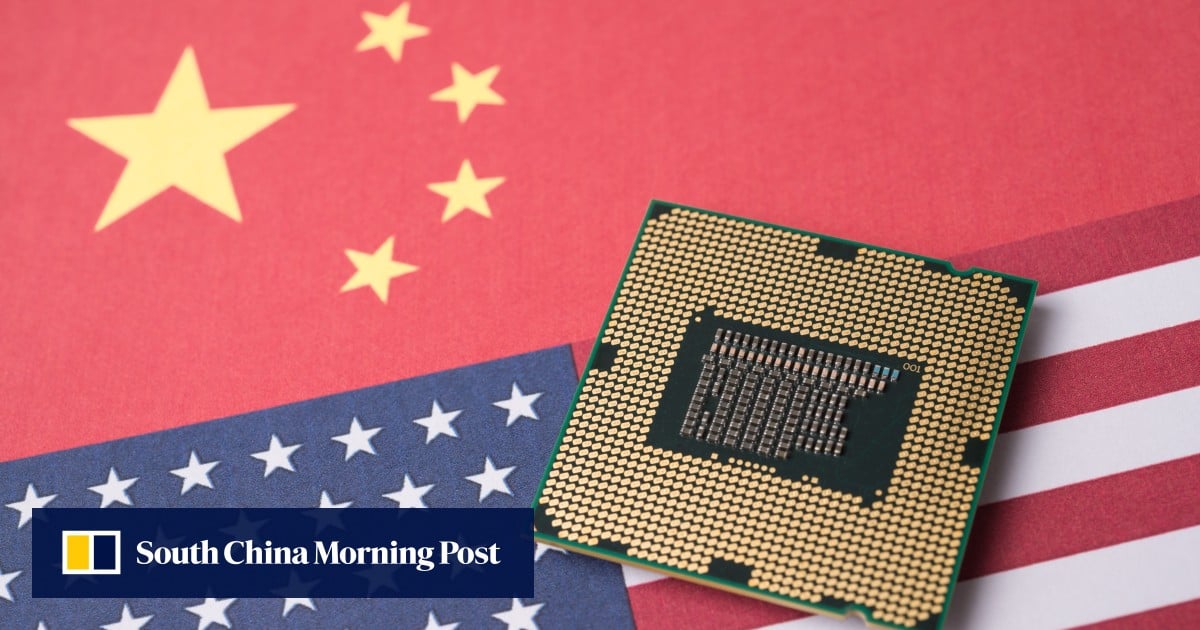
US Bureau of Industry and Security issued guidance on May 31 clarifying export restrictions on advanced artificial intelligence chip exports. China's Ministry of Commerce accused the US of abusing export controls and disrupting the global semiconductor supply chain. Offshore computing has emerged as an important workaround for mainland AI firms starved of Nvidia’s cutting-edge hardware.
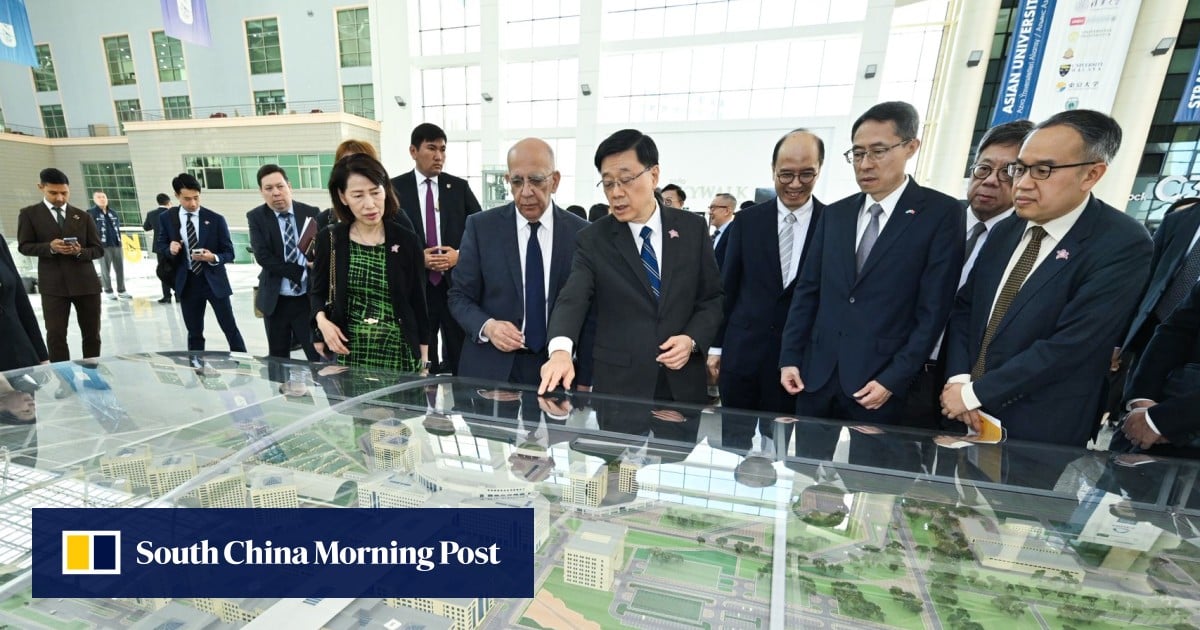
John Lee Ka-chiu has wrapped up his visit to Central Asia. He sealed nearly 100 partnership agreements aimed at opening the "big door" for local and mainland Chinese businesses. The deals covered sectors including finance, innovation, trade and media. China International Capital Corporation emerged as a key player, signing at least six agreements. Kazakh state-owned railway company KTZ has decided to list in Hong Kong.

Ziyu, born in 2002, doesn't want to have a younger sibling. China's One-Child Policy, introduced in 1979, reshaped family life beyond the three decades during which it was implemented. For urban girls, the policy created a generation that received levels of investment once reserved for sons: education, property, and sustained parental attention.

The Cyberspace Administration of China has banned 11 specific online activities under strict new rules for multiplatform content creators taking effect later this year. The regulations also ban minors under 16 from hosting live streams and those between 16 and 18 must undergo age verification and obtain parental or guardian consent before entering the field. Internet police have punished two web users for cyberbullying a village official as part of a crackdown.
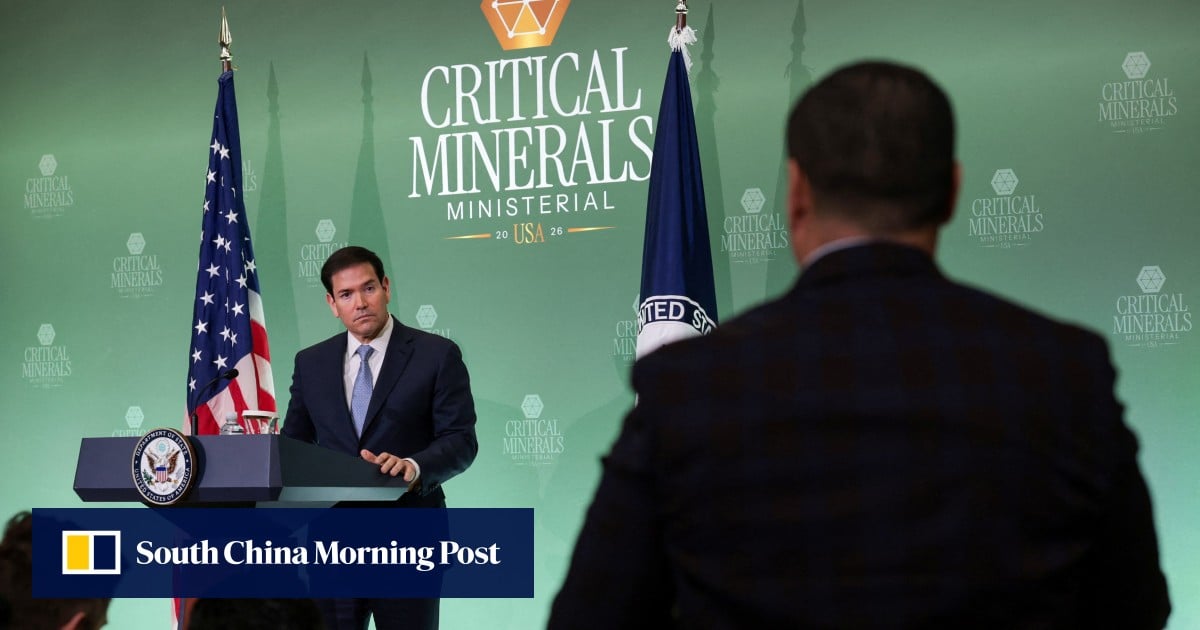
The initiative was announced after a meeting of Quad foreign ministers on May 27. China is the world’s leading refiner for 19 of 20 strategically important energy minerals, controlling an average of 70 to 90 per cent of global processing capacity for lithium, cobalt, graphite and manganese. The materials are essential for electric vehicle batteries, wind turbines, solar panels, semiconductors and aerospace technologies. Beijing has already shown its willingness to restrict supplies, banning select shipments of so-called dual-use goods to Japan earlier this year. Analysts say its success will depend on the ability of Australia, the United States, India and Japan to deliver measurable outcomes.
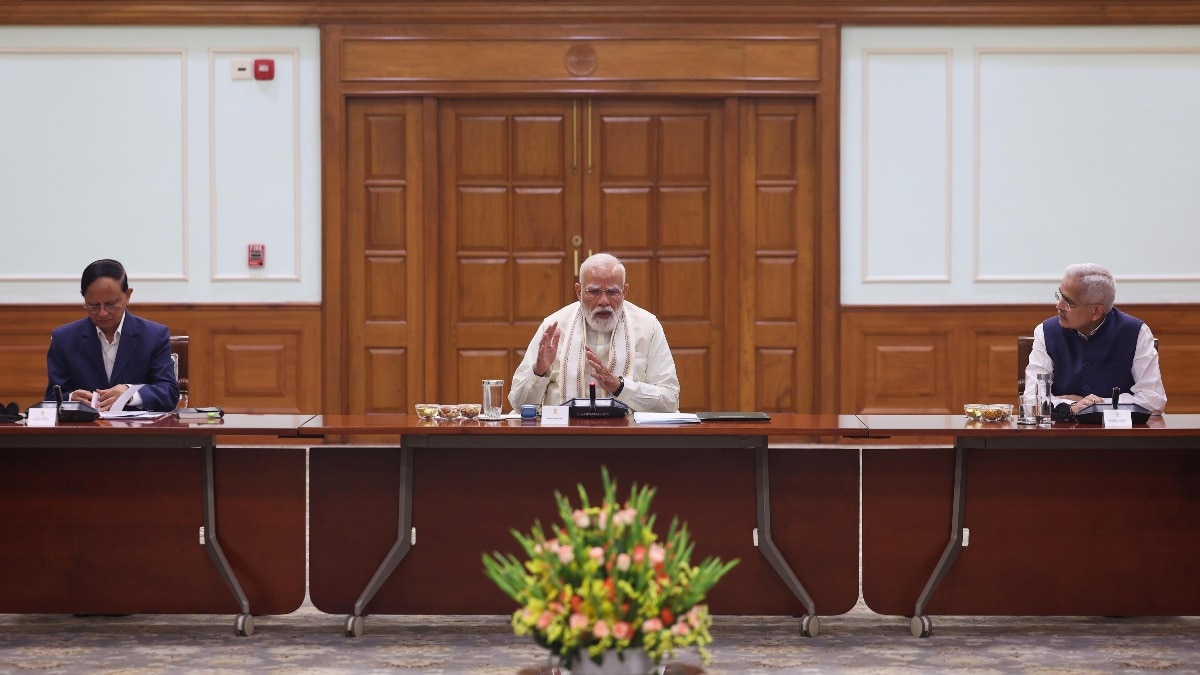
PM Narendra Modi chaired a meeting of the PM-EAC to discuss strategies for sustaining India’s economic growth amid rising global uncertainties. The council reviewed the evolving global economic landscape with particular focus on energy markets, inflationary pressures, supply chain disruptions, and trade flows. It also discussed potential impacts of geopolitical developments on India's macroeconomic stability.