
Jesse Gabriel is a California state assemblyman who has introduced several bills aimed at reducing the health harms of ultra-processed food. Sarah covers how industries like food and tobacco affect Americans’ bodies and minds. Sarah's interests include ultra- processed foods, smoke-free tobacco and wellness trends like perimenopause products and peptides.

Marion Nestle, 89, is a nutritionist and food policy expert. She has a new book coming out in September and is preparing to appear at the Aspen Ideas Festival on June 30. She lives in a landmarked apartment on the 12th floor of NoHo on the edge of Greenwich Village in a building built in 1931. She grew a lot of plants in her terrace garden in the middle of Manhattan.

Kratom advocates fought a successful campaign against a proposed DEA ban a decade ago. Now they are calling for a ban on products containing 7-hydroxymitragynine (7-OH), an extract with opioid-like effects. 7-OH is sold in gummies, capsules, and shots with brand names Magic 7OH, 7 O’Heaven, and Pure OHMS. RFK Jr. and Department of Homeland Security secretary Markwayne Mullin have ties to a kratom lobbyist behind a notorious kratom drinks company.

Nara Organics is voluntarily recalling all lots of its Powdered Infant Formula out of an "abundance of caution" after three infants were hospitalized in California, Washington and Pennsylvania with infant botulism. The formula is distributed nationally through Target stores and the Nara.com website. The three product lots consumed by the hospitalized infants are 709125280E14F2, 709125288E14 F2, and 708125174E 14F2.
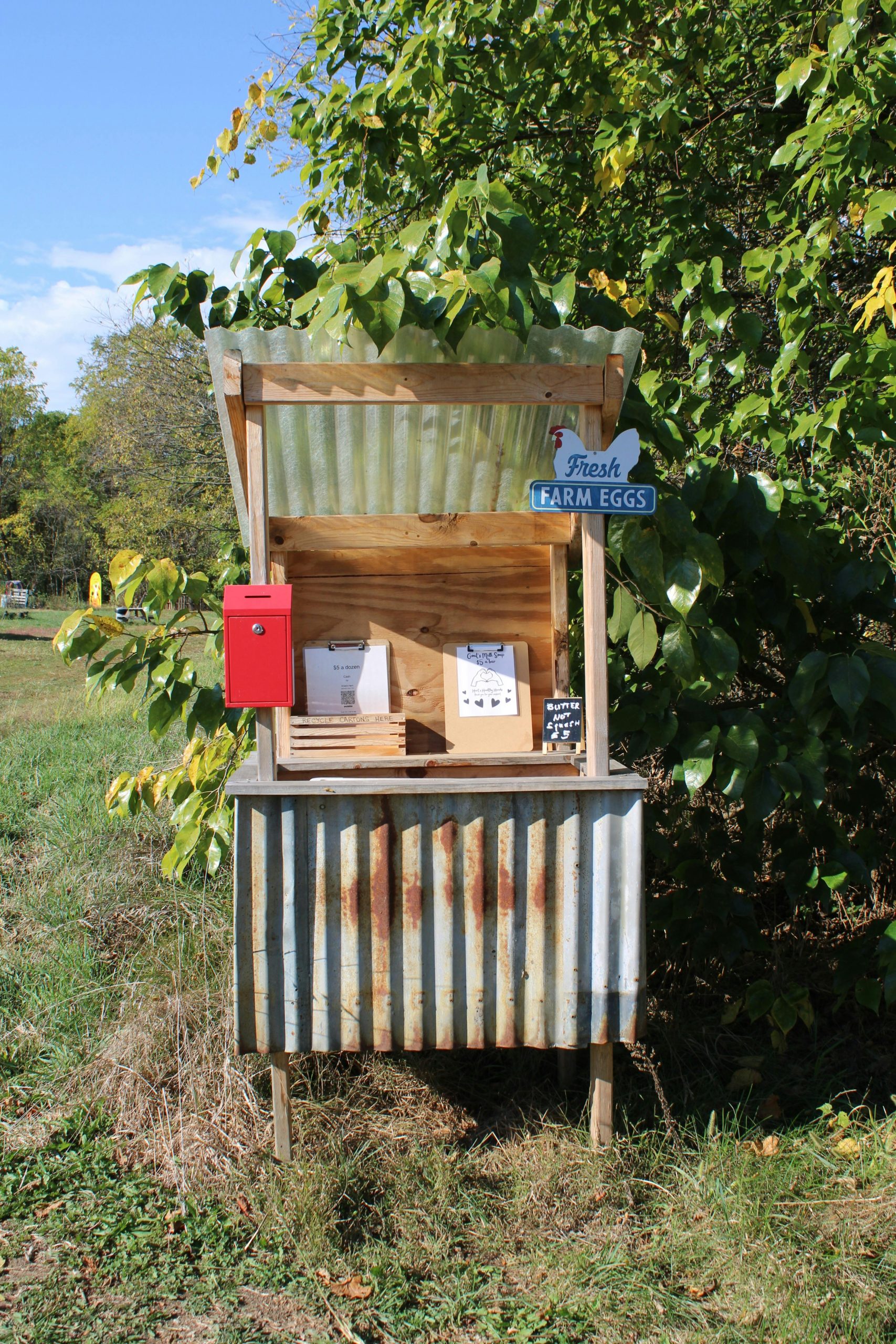
Opening a farm stand requires a lot of knowledge. Cottage food laws protect people from selling things that can potentially become hazards. The most commonly permitted cottage food items include: Breads, cookies, cakes, brownies, muffins, and fruit pies without cream, custard, or meat fillings. Dry goods: Granola, roasted nuts, dried fruits, dry tea blends, roasted coffee beans, popcorn, and dry baking mixes. Raw or processed honey is explicitly allowed in most states.

The EU Deforestation Regulation (EUDR) is due to take effect at the end of the year. Small-scale farmers who produce 90% of Thailand’s natural rubber supply are under pressure to comply with the new law. Private intermediary firms are helping farmers comply through bespoke tech-based traceability platforms.

Alexander Liebisch, 33, has colon cancer. He caught it while traveling around the world. He is receiving radiation and chemotherapy and hopes to have beaten the cancer by the end of the year. He posts his new therapy routine on Instagram. He says his prognosis is good.
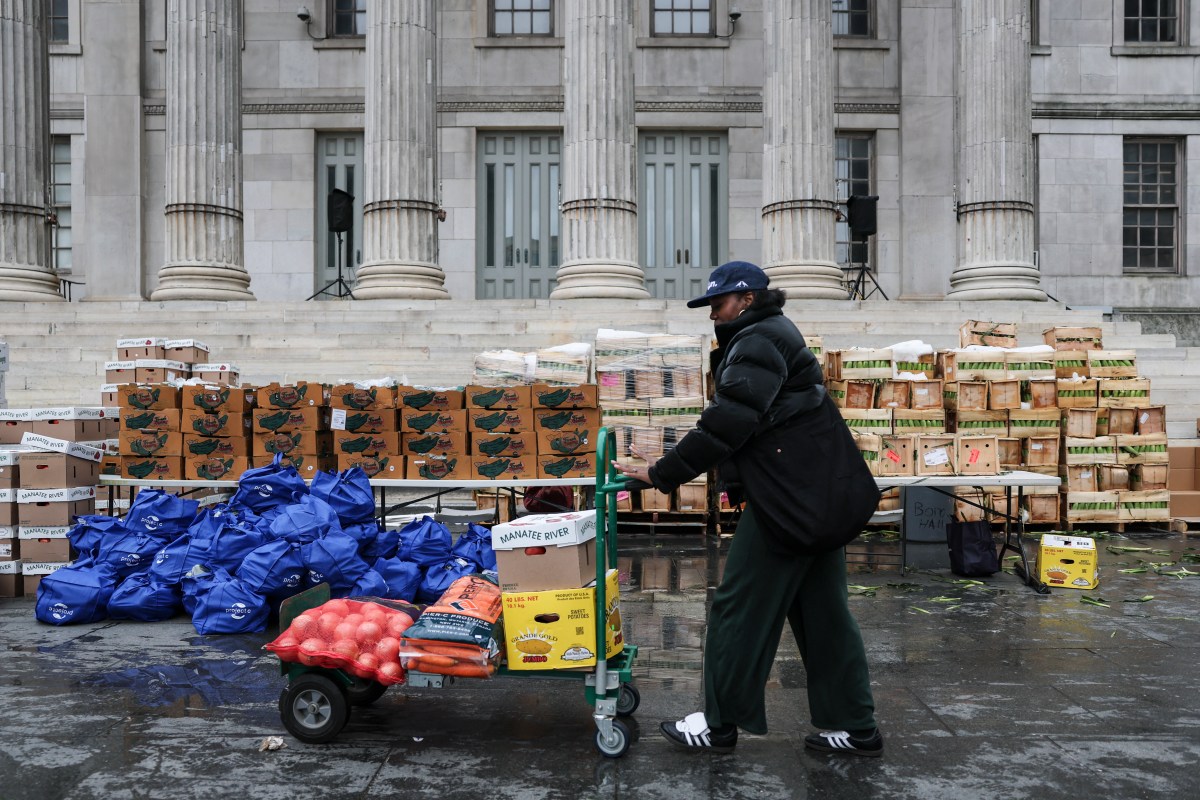
The federal government is investing millions of dollars in an initiative to expand access to protein-rich foods. About 50 million Americans rely on charitable food assistance every year. The current charitable food system falls hundreds of millions of pounds short each year in meeting the demand for animal protein. Food banks were designed around donated, shelf-stable products because they're easier to store, transport and distribute.
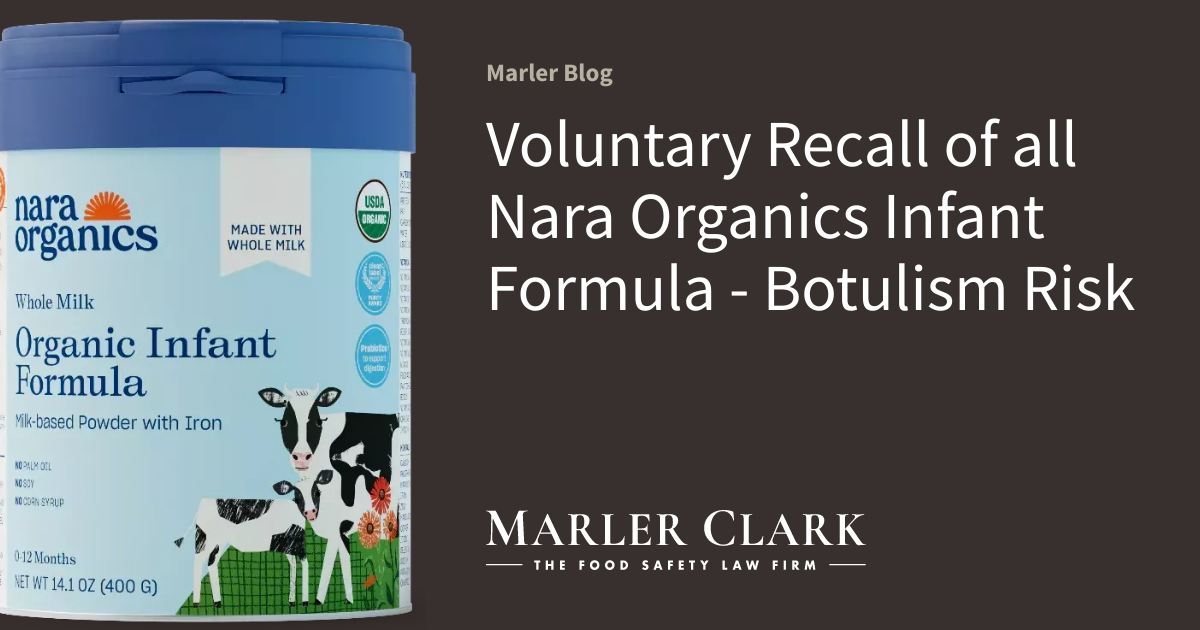
There were 3 cases of infant botulism in babies who had consumed Nara infant formula. Nara Organics is issuing a voluntary recall for all cans of infant formula currently available in the U.S. The three specific product lots affected are: 709125280E14F2, 709125288E14 F2 and 708125174E14E2. If you suspect your baby has eaten Nara formula, contact your healthcare provider immediately.

Microplastics have been found in some of the most remote places on Earth. Microplastics were found in one of Nepal’s highest snow-fed lakes at an altitude of 4,917 meters (16,132 feet) in the Himalayas. Polyester, polyethylene, and polypropylene were the main types of microplastics found in the lake.