Bergeson & Campbell, P.C. (B&C) has launched its new Product Stewardship BlogTM. B&C has helped clients navigate the complex and ever-changing regulatory frameworks that govern products from research and development through commercialization, processing, distribution, use, and end-of-life management. The blog will provide timely analysis and practical insights on these developments.
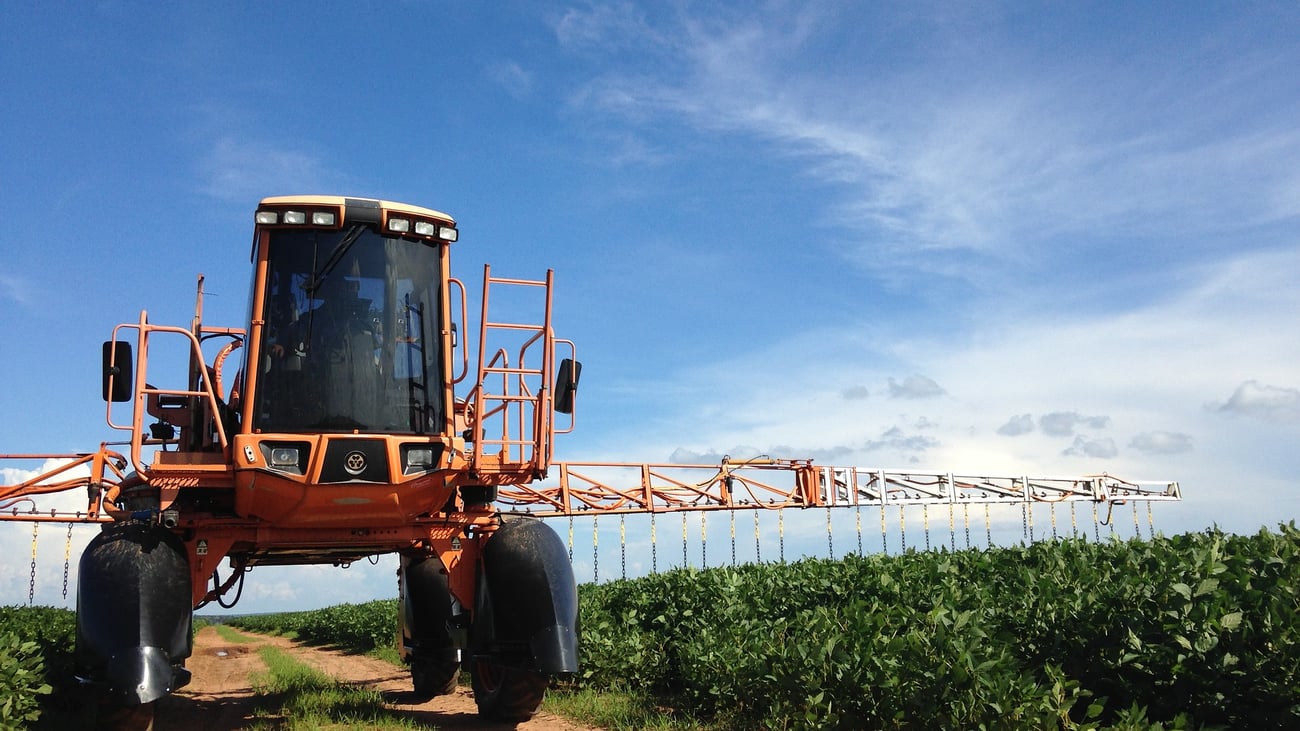
The Center for Biological Diversity is suing the Trump administration for not turning over documents related to the February 18 executive order. The group claims AI chatbots may have factored into the order's writing. The center is asking a federal judge to order the release of documents that include the terms "Defense Production Act," "elemental phosphorus" and "glyphosate"

Two-thirds of Americans think ultra-processed foods (UPFs) are addictive. World Health Organization is planning to put out global guidance on the problem. The U.S. government hasn't defined the meaning of the term "ultra-processing" yet.
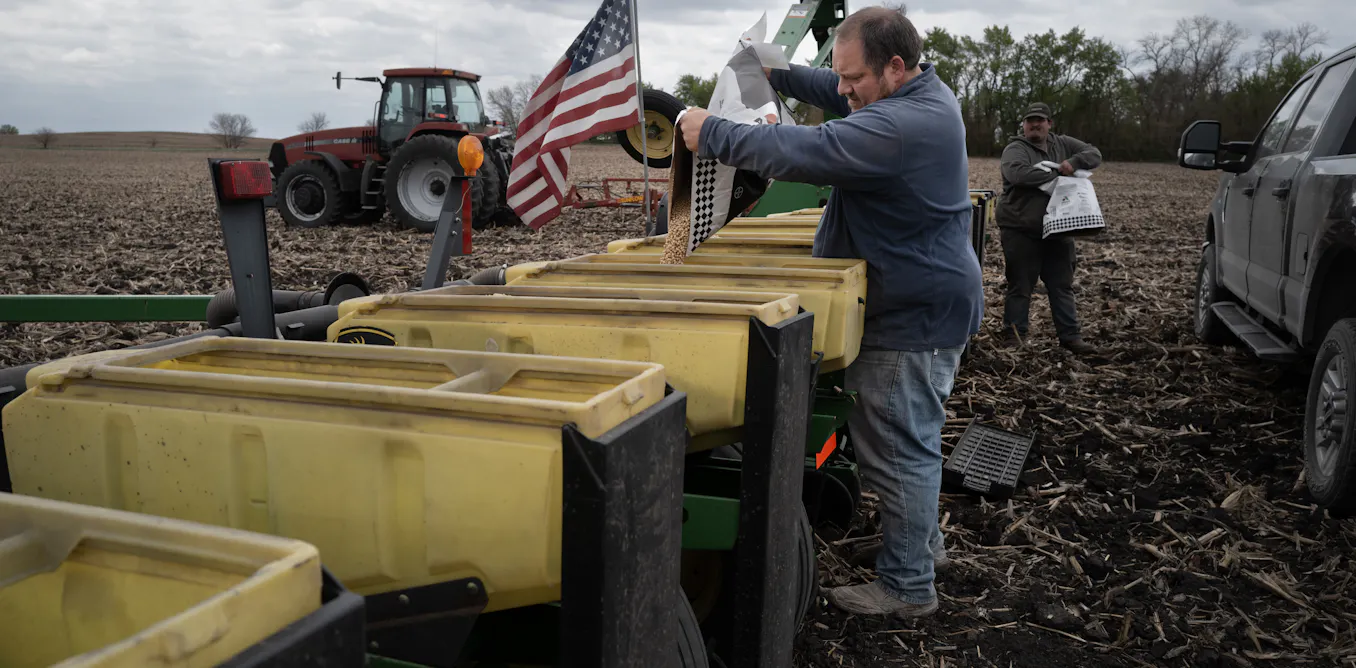
Two companies control more than 70% of U.S. corn and soybean seed sales, and the top four cottonseed companies control nearly 94% of that market. The Department of Justice says patents on seeds are obstructing competition and research in the agriculture industry. The price for genetically engineered seeds has more than quintupled since 1990, but the price farmers have received for their crops has increased only 56%.

Enviva Biomass built a state-of-the-art biomass facility near Ruby Bell's home in Faison, North Carolina. Bell tried to prevent the company from adding to the area’s environmental burden. Sherri White-Williamson founded the Environmental Justice Community Action Network (EJCAN) to empower rural communities to defend their environment and health.

Professor Arthur Caplan wrote a guest editorial in the American Journal of Bioethics. He is critical of the wellness industry and its marketing practices. Caplan ignores the dangers of products and practices touting colonics and keto diets and eschews evidence-based medicine for the cure of diseases.

Rodenticides used to control rodent populations pose a threat to wild cats. Rodenticides accumulate in the liver and can be lethal. One wild cat population has declined on Kiawah Island off the South Carolina coast in the U.S. due to rodenticides. There are calls for regulation of rodenticides and alternative methods to deal with rodents.
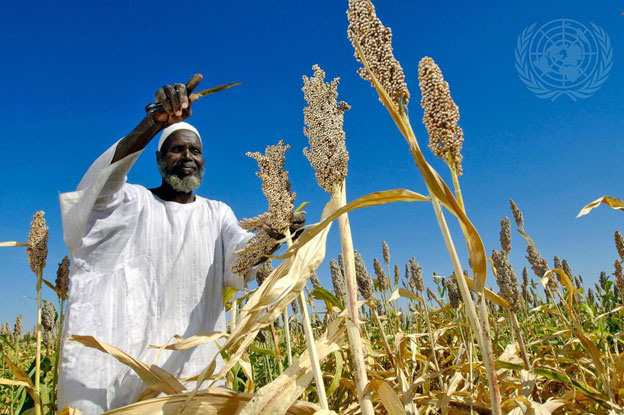
Armed conflict, economic shocks, and climate pressures are driving worsening food insecurity across many of the world's most vulnerable regions. The report analyzes 13 hunger hotspots where acute food insecurity is expected to worsen through 2026. Yemen, Palestine, Sudan, South Sudan, Somalia, Nigeria and Haiti are among the areas of highest concern. Sudan is facing one of the most severe food crises.

Attorneys general in 17 states are suing California over its landmark single-use plastic law, which went into effect on June 1. The lawsuit was filed in the U.S. District Court of Eastern California in Sacramento on Monday. The states are led by Nebraska Atty. Gen. Mike Hilgers and the plaintiffs include the National Assn. of Wholesaler-Distributors. The coalition is asking the court to block enforcement of the law immediately.

NRDC, Californians Against Waste Foundation and Oceana, Inc. filed suit against the California Department of Resources Recycling and Recovery challenging the final regulations promulgated under Senate Bill 54 (SB 54). SB 54 was passed on June 30, 2022. It calls for the creation of an extended producer responsibility (EPR) program in the state. The program has been largely set up and partially implemented over the last several years. Final regulations were approved on May 1, 2026.