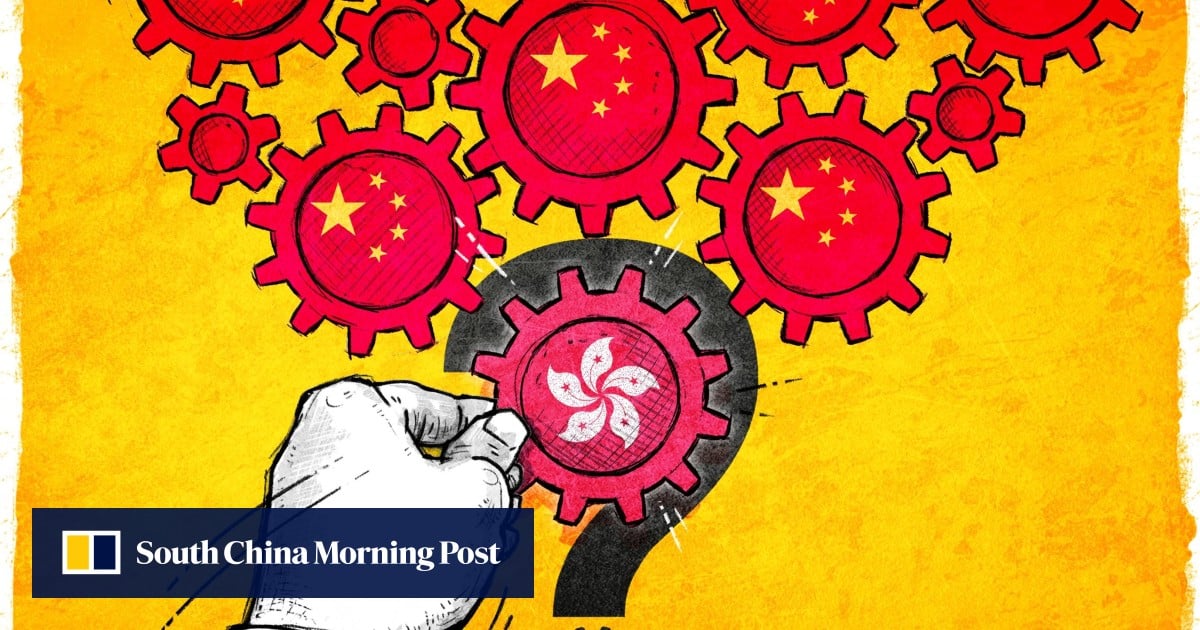
Hong Kong marks 29 years since its return to Chinese rule. Lo Hoi Ying and Leopold Chen look at the city's efforts at closer integration with the nation and the opportunities and obstacles it presents. Part one of a two-part series on the economy can be found here.
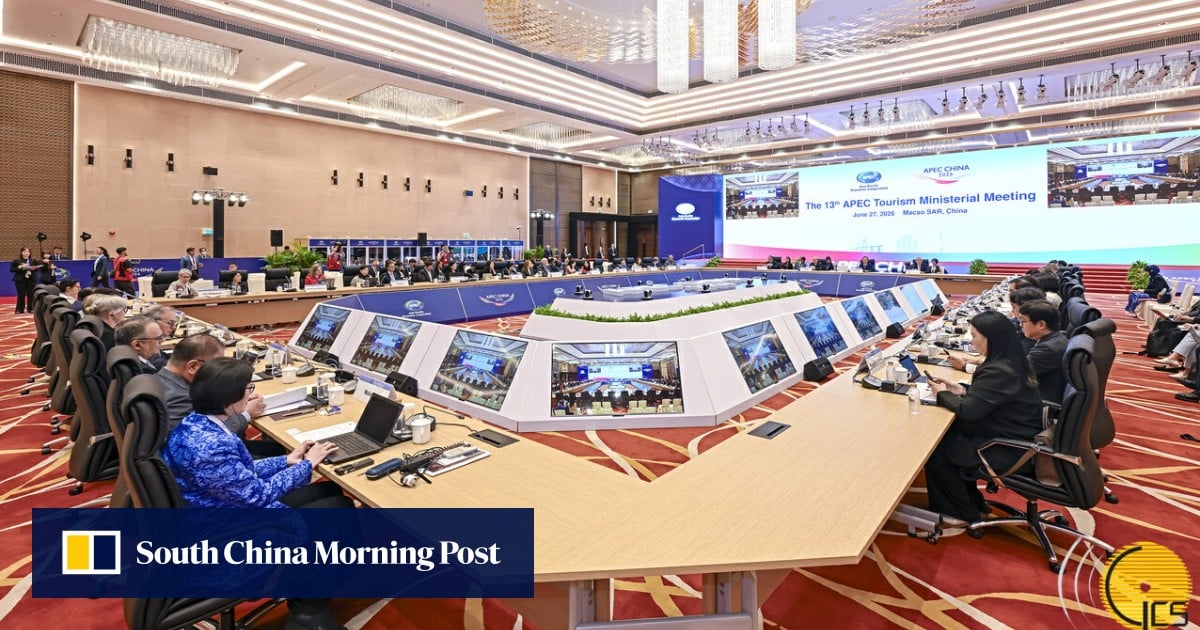
Sun Yeli, China’s minister of culture and tourism, called for closer cooperation within the Apec community to promote tourism as a regional economic driver. He was addressing the 13th Asia-Pacific Economic Cooperation (Apec) tourism ministerial meeting held in Macau on Saturday.

The blog of China defense is a forum where analysts and serious defense enthusiasts share findings on a rising military power in China. It is written by professional analysts and enthusiasts. It's written by a professional analyst and a serious defense enthusiast, who are interested in China's military power.
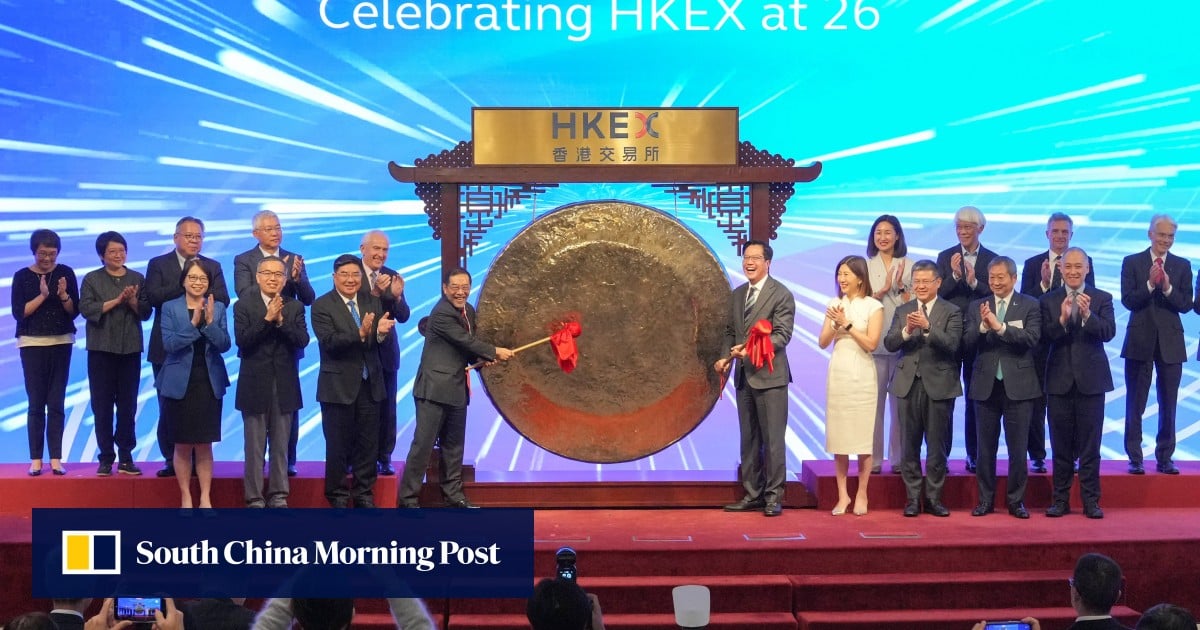
Hong Kong Exchanges and Clearing is celebrating 26 years as a publicly traded company. Deputy Financial Secretary Michael Wong Wai-lun outlined reforms under review, including optimising weighted voting rights, easing secondary listings by overseas issuers and expanding flexibility for biotech and specialist technology companies. He also welcomed the launch of five-year mainland Chinese government bond futures.
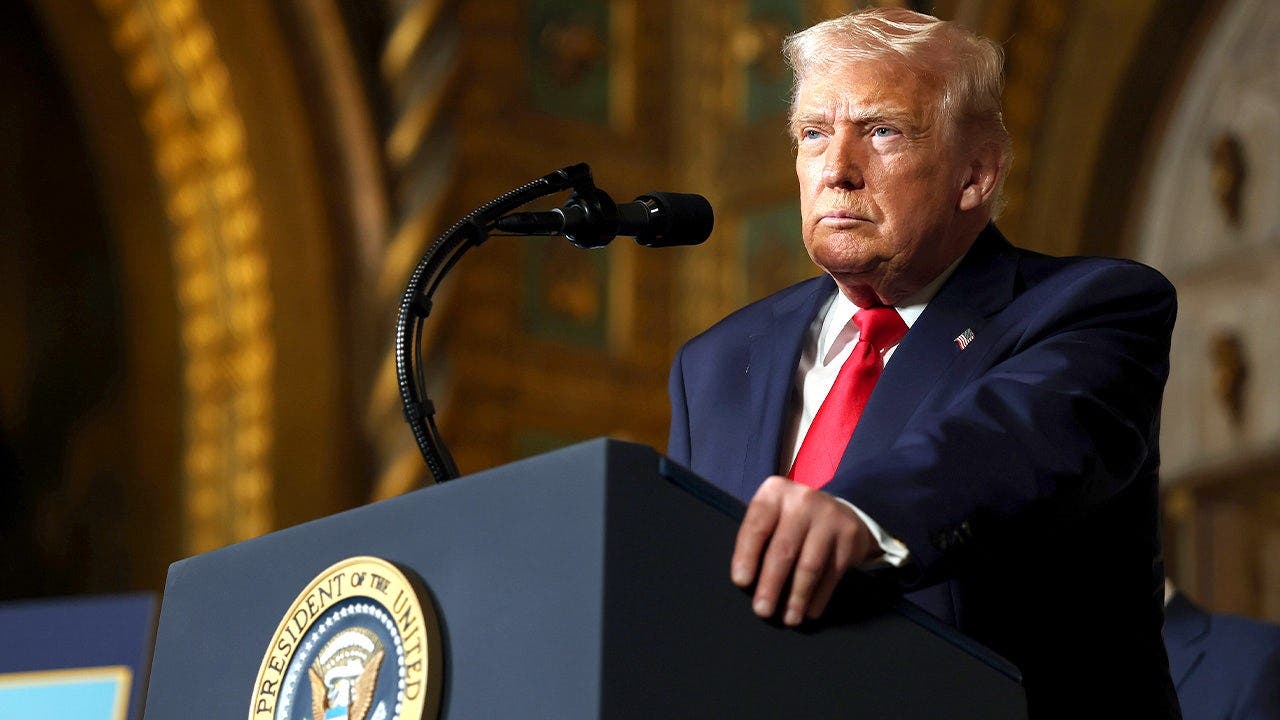
Tim Sheehy warned that the U.S. shipbuilding industry is in decline. China is building ships 230 times faster than the United States. Trump administration has been a vocal critic of the slowdown in the industry. In April 2025, the White House released an executive order to revitalize the maritime industry.
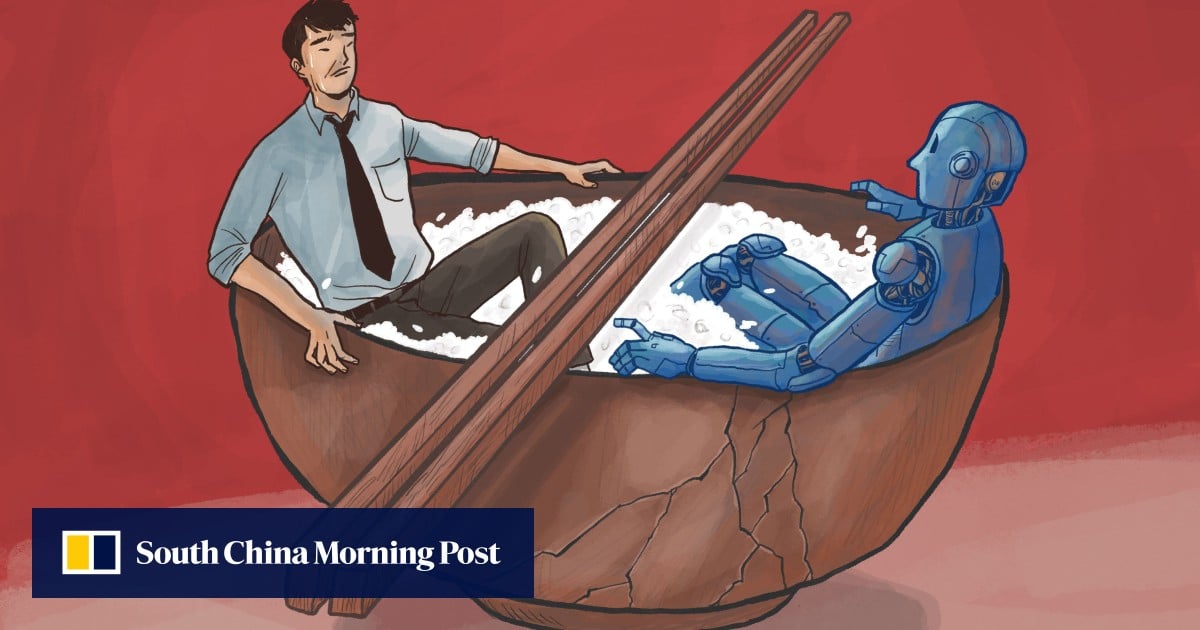
Meituan is rumoured to be cutting up to half of its product roles by the end of June at the food delivery giant. Tech workers in China have a deep-seated dread of the word youhua – “optimisation”. From Baidu to Xiaomi, China's technology giants have been trimming their teams.
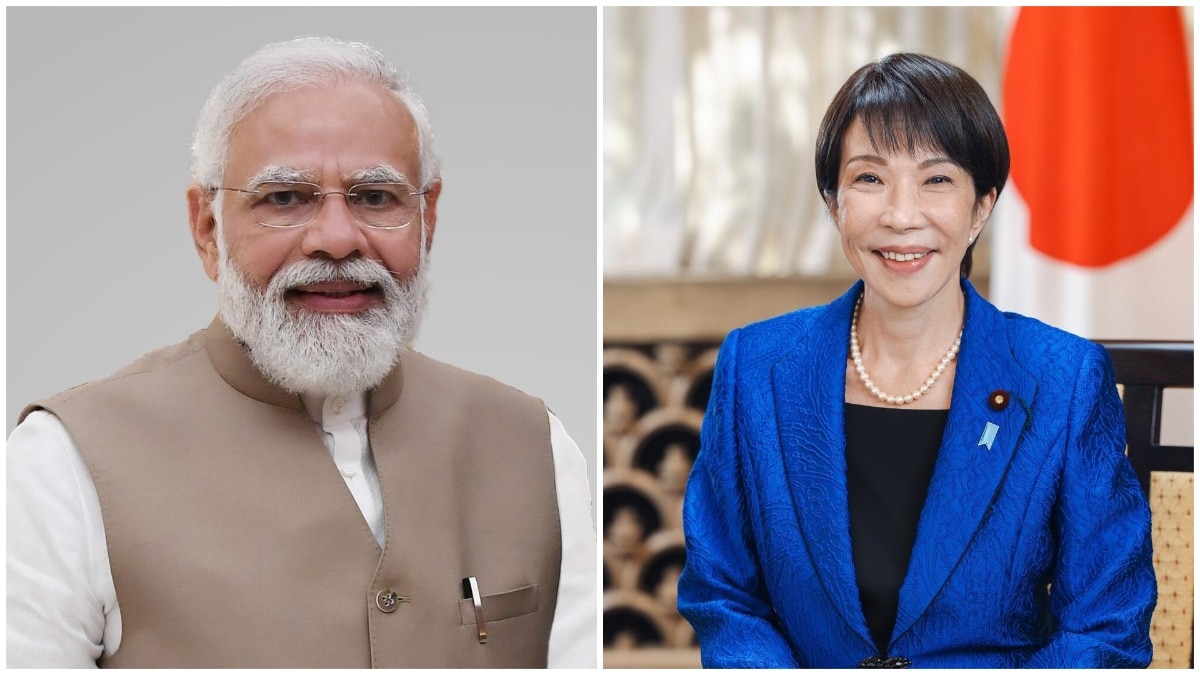
Japan's PM Sanae Takaichi will visit New Delhi from July 1 to 3 for talks with Prime Minister Narendra Modi. The two leaders are expected to push cooperation beyond traditional trade into semiconductors, critical minerals, resilient supply chains and economic security. The relationship between India and Japan has steadily expanded from infrastructure and investment to become a cornerstone of the Indo-Pacific strategy.

India supplies close to 20 percent of the world's generic medicines by volume. It supplies more than half of all American prescriptions in five of the ten largest therapy areas. India sources 70 percent of its bulk-drug imports from China. China accounts for 40 percent of global API output. China offers greater economies of scale, cheaper power and effluent treatment, and sustained state support.
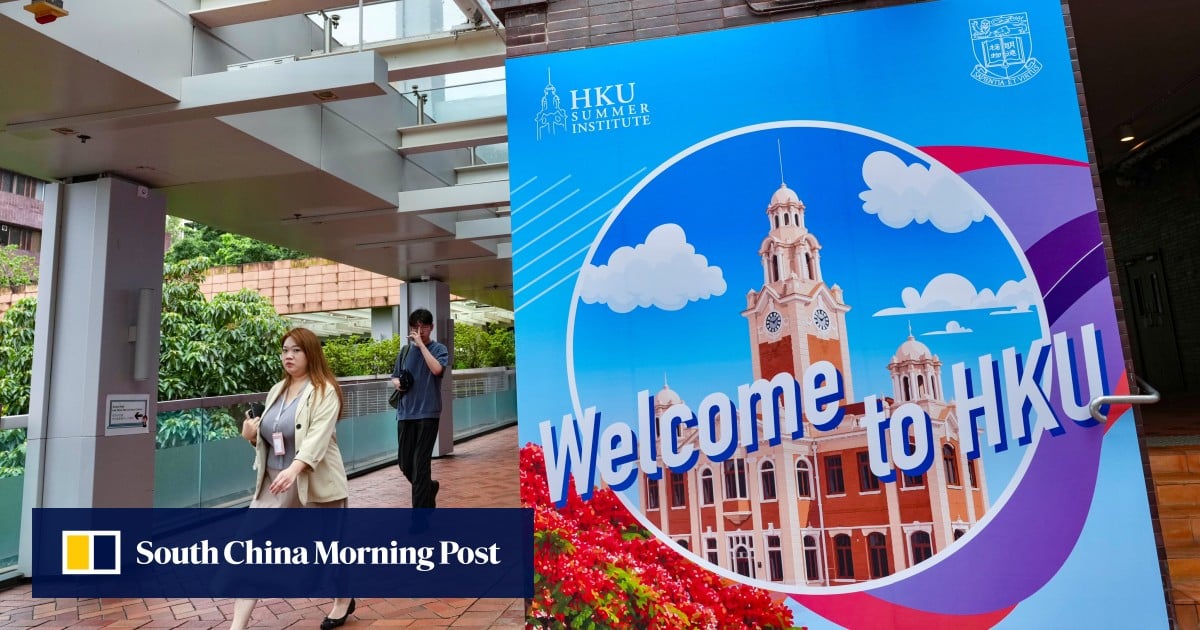
The global higher education landscape has shifted over the past five years. More than 70 per cent of US institutions slipped in the QS World University Rankings 2027. Peking University was the highest-ranked Chinese institution at 13th, while Nanjing University recorded the biggest jump, rising from 133rd to 90th.