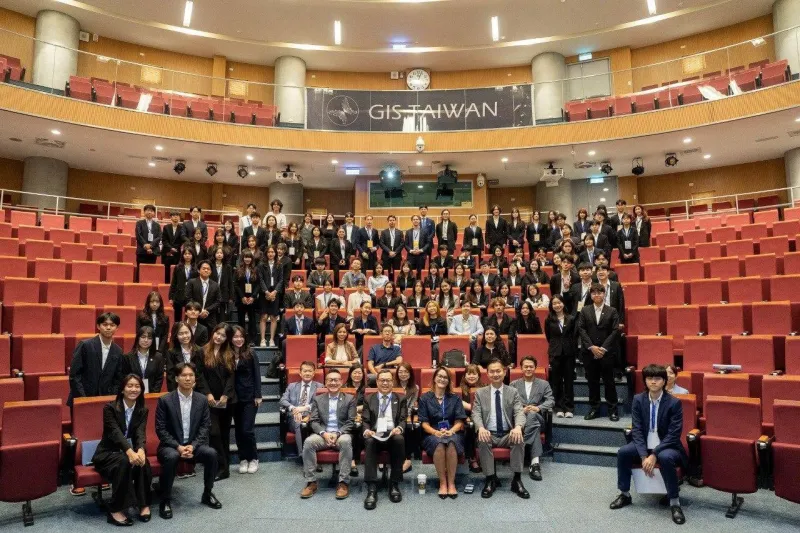
Chen Ming-chi said the world needs partnerships that can withstand crises and pressure. He made the remarks at the closing ceremony of the Global Initiatives Symposium in Taipei City on July 3. Founded in 2008, the forum is organized by students from National Taiwan University in the capital.
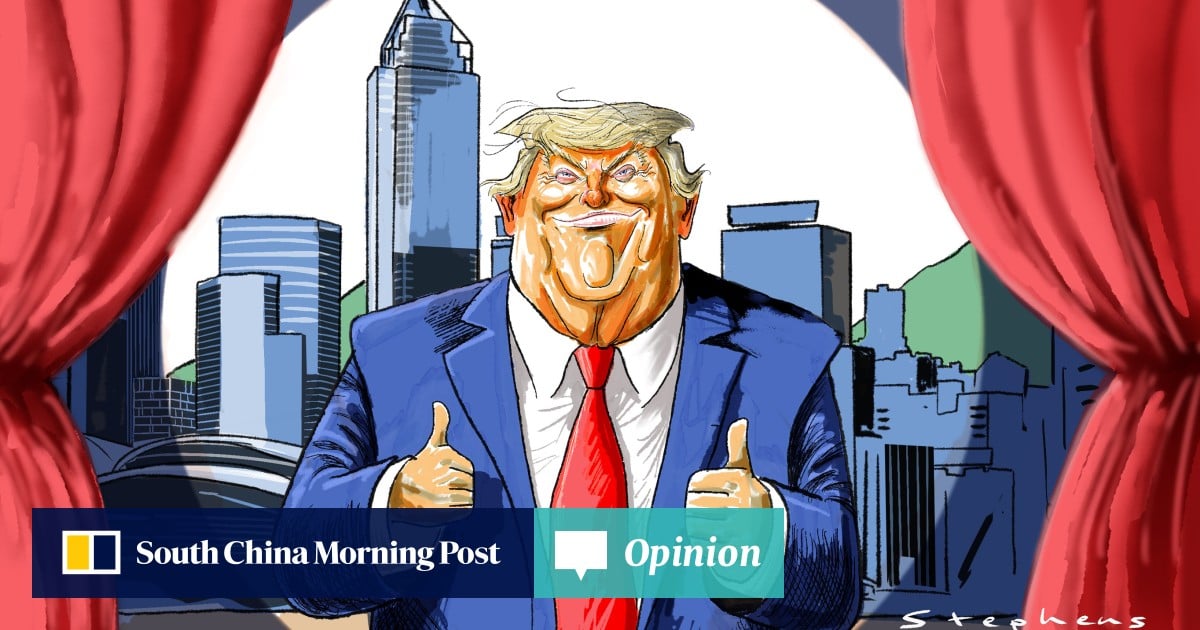
Two years ago, the international community had written off Hong Kong. Now, the city stands at another pivotal moment to elevate its international stature. The summit between Xi Jinping and Donald Trump in May set a more positive tone for bilateral ties. Hong Kong should seize this window to repair and strengthen ties with the United States and its Western allies. Inviting Trump and other world leaders for a visit to Hong Kong would be a strategic masterstroke.

Zheng Yongnian, dean of the school of public policy at the Chinese University of Hong Kong, Shenzhen, believes the US is still a global hegemon even though it's in decline. He cites the dominance of the dollar, military capabilities and edge in emerging technologies as reasons for the US's dominance. Gallup's latest global approval ratings show China has overtaken the US for the first time in almost two decades.

In an era of intensifying geopolitical rivalry, Brussels increasingly views trade, investment and technology as the power instruments of strategic competition. China is no longer China's indispensable market. EU's share of Chinese exports has declined from 17.1% in 2019 to 14.4% in 2024. China's dependence on foreign suppliers for leading-edge semiconductor manufacturing equipment has declined.
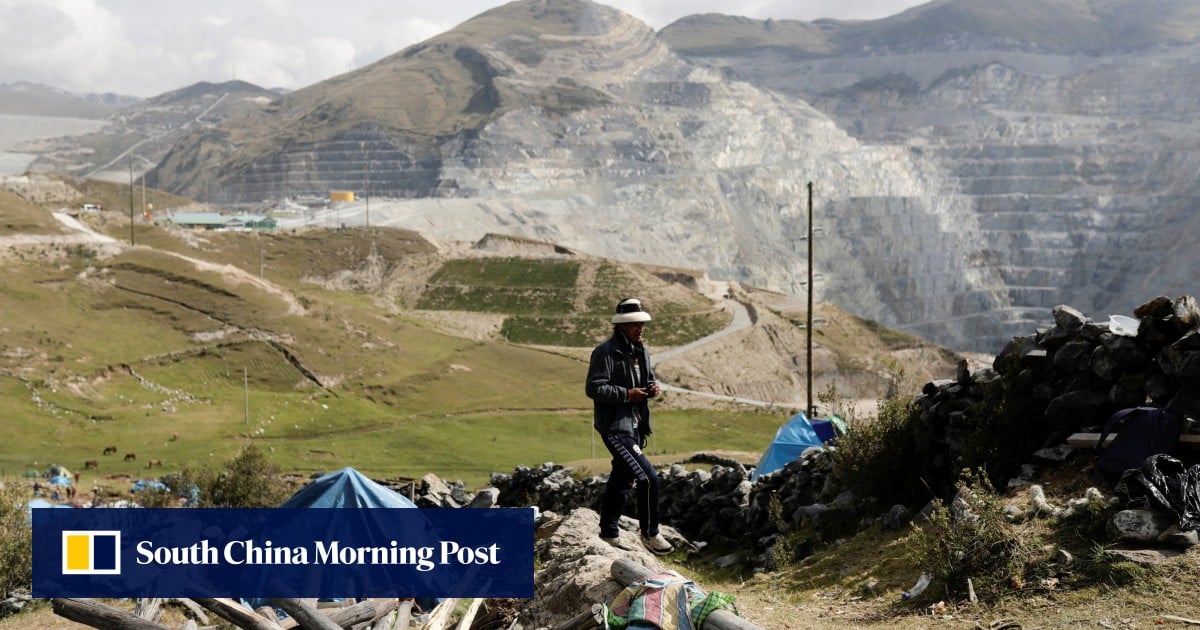
Peru wants to diversify its economy away from the export of raw minerals to China. It wants to focus on industrialisation and attract foreign investment. Central to this strategy is Chinese-backed infrastructure, including the Chancay port project, which was built by China’s Cosco Shipping Ports and Peru's Volcan with a total investment of about US$3.5 billion.
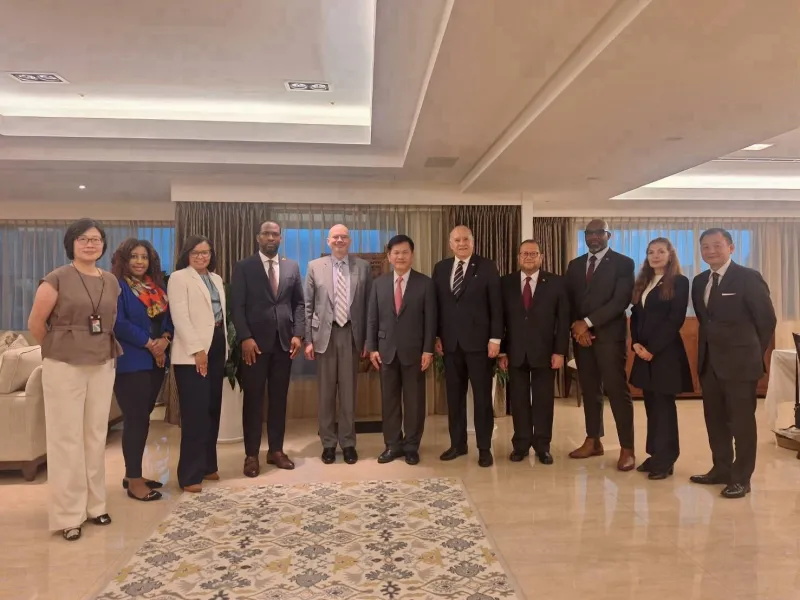
Lin Chia-lung is the Minister of Foreign Affairs of Taiwan. He met with American Institute in Taiwan (AIT/T) Director Raymond Greene and ambassadors to Taiwan from Latin American and Caribbean allies at an event June 30 in Taipei city. Discussions centered on deepening Taiwan-U.S. cooperation and strengthening Taiwan’s partnerships with its allies.

China will end a tax break for plug-in hybrids at the end of the year. Similar changes apply to pure electric and fuel-cell commercial vehicles. The government also reduced a purchase-tax break on new-energy vehicles at the start of this year, fuelling a 15% sales slump in January to May and 7% decline in June.

Chih-Ying Su has left her position as faculty vice-chair at the University of California San Diego to join the Shenzhen Academy of Medical Sciences. Omar Yaghi, the winner of last year's Nobel Prize for chemistry, has joined China’s Tsinghua University to lead a new AI-driven research centre.
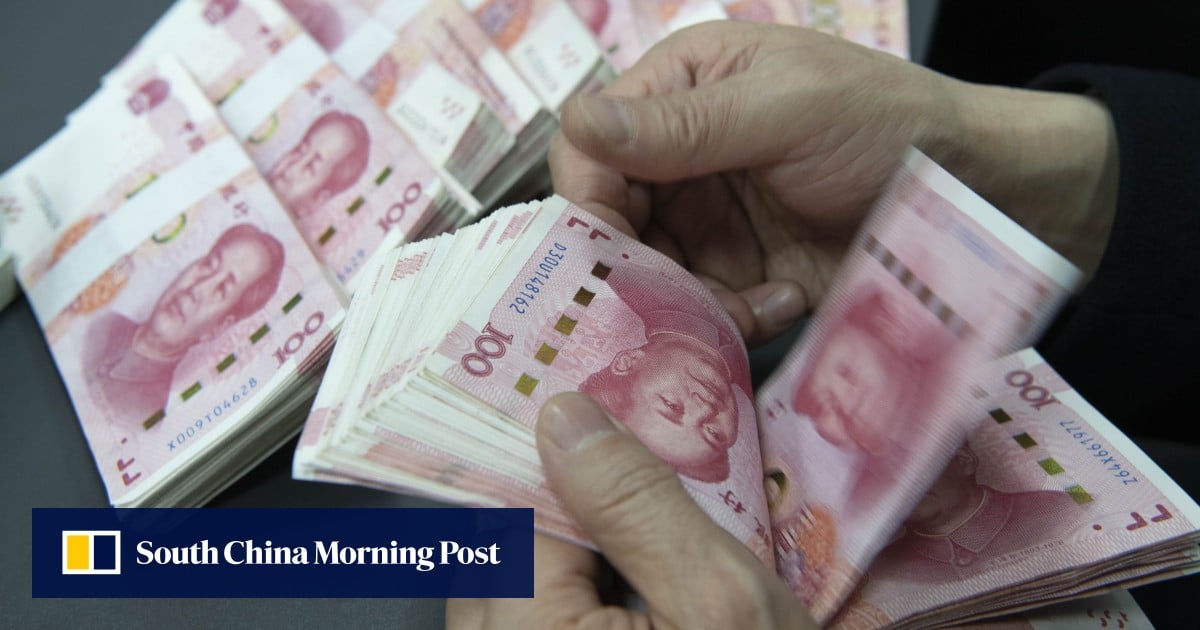
HSBC survey polled more than 120 institutional investors managing over US$32 trillion in assets across 12 Asia-Pacific markets. 63% prefer offshore yuan markets for currency transactions, while 54% rely on cross-border channels such as Bond Connect and Stock Connect. Three quarters of respondents expected to increase yuan allocations over the next one to two years.

There are calls for the EU to get tougher in its economic relations with China. Grzegorz Stec, Sander Tordoir and Brad Setser argue that Berlin and Brussels must bolster their trade defences and industrial policy or prepare to offset the social and economic costs of deindustrialisation.
Chen Ming-chi said the world needs partnerships that can withstand crises and pressure. He made the remarks at the closing ceremony of the Global Initiatives Symposium in Taipei City on July 3. Founded in 2008, the forum is organized by students from National Taiwan University in the capital.
Two years ago, the international community had written off Hong Kong. Now, the city stands at another pivotal moment to elevate its international stature. The summit between Xi Jinping and Donald Trump in May set a more positive tone for bilateral ties. Hong Kong should seize this window to repair and strengthen ties with the United States and its Western allies. Inviting Trump and other world leaders for a visit to Hong Kong would be a strategic masterstroke.
Zheng Yongnian, dean of the school of public policy at the Chinese University of Hong Kong, Shenzhen, believes the US is still a global hegemon even though it's in decline. He cites the dominance of the dollar, military capabilities and edge in emerging technologies as reasons for the US's dominance. Gallup's latest global approval ratings show China has overtaken the US for the first time in almost two decades.
In an era of intensifying geopolitical rivalry, Brussels increasingly views trade, investment and technology as the power instruments of strategic competition. China is no longer China's indispensable market. EU's share of Chinese exports has declined from 17.1% in 2019 to 14.4% in 2024. China's dependence on foreign suppliers for leading-edge semiconductor manufacturing equipment has declined.
Peru wants to diversify its economy away from the export of raw minerals to China. It wants to focus on industrialisation and attract foreign investment. Central to this strategy is Chinese-backed infrastructure, including the Chancay port project, which was built by China’s Cosco Shipping Ports and Peru's Volcan with a total investment of about US$3.5 billion.
Lin Chia-lung is the Minister of Foreign Affairs of Taiwan. He met with American Institute in Taiwan (AIT/T) Director Raymond Greene and ambassadors to Taiwan from Latin American and Caribbean allies at an event June 30 in Taipei city. Discussions centered on deepening Taiwan-U.S. cooperation and strengthening Taiwan’s partnerships with its allies.
China will end a tax break for plug-in hybrids at the end of the year. Similar changes apply to pure electric and fuel-cell commercial vehicles. The government also reduced a purchase-tax break on new-energy vehicles at the start of this year, fuelling a 15% sales slump in January to May and 7% decline in June.
Chih-Ying Su has left her position as faculty vice-chair at the University of California San Diego to join the Shenzhen Academy of Medical Sciences. Omar Yaghi, the winner of last year's Nobel Prize for chemistry, has joined China’s Tsinghua University to lead a new AI-driven research centre.
HSBC survey polled more than 120 institutional investors managing over US$32 trillion in assets across 12 Asia-Pacific markets. 63% prefer offshore yuan markets for currency transactions, while 54% rely on cross-border channels such as Bond Connect and Stock Connect. Three quarters of respondents expected to increase yuan allocations over the next one to two years.
There are calls for the EU to get tougher in its economic relations with China. Grzegorz Stec, Sander Tordoir and Brad Setser argue that Berlin and Brussels must bolster their trade defences and industrial policy or prepare to offset the social and economic costs of deindustrialisation.