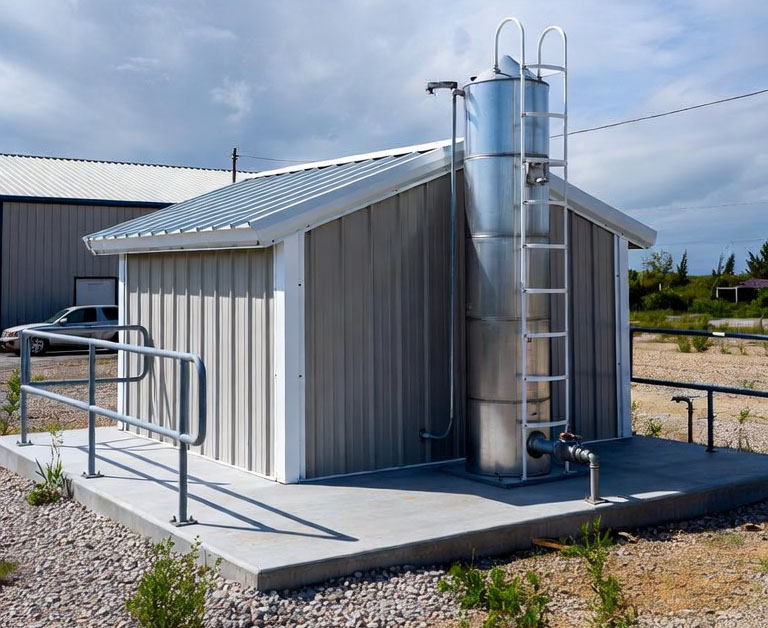
Notify me of new posts. Send me General News and Notifications. First Name and Last Name are necessary to send these messages. For confidential support call the Samaritans on 08457 90 90 90 or visit a local Samaritans branch, see here for details.
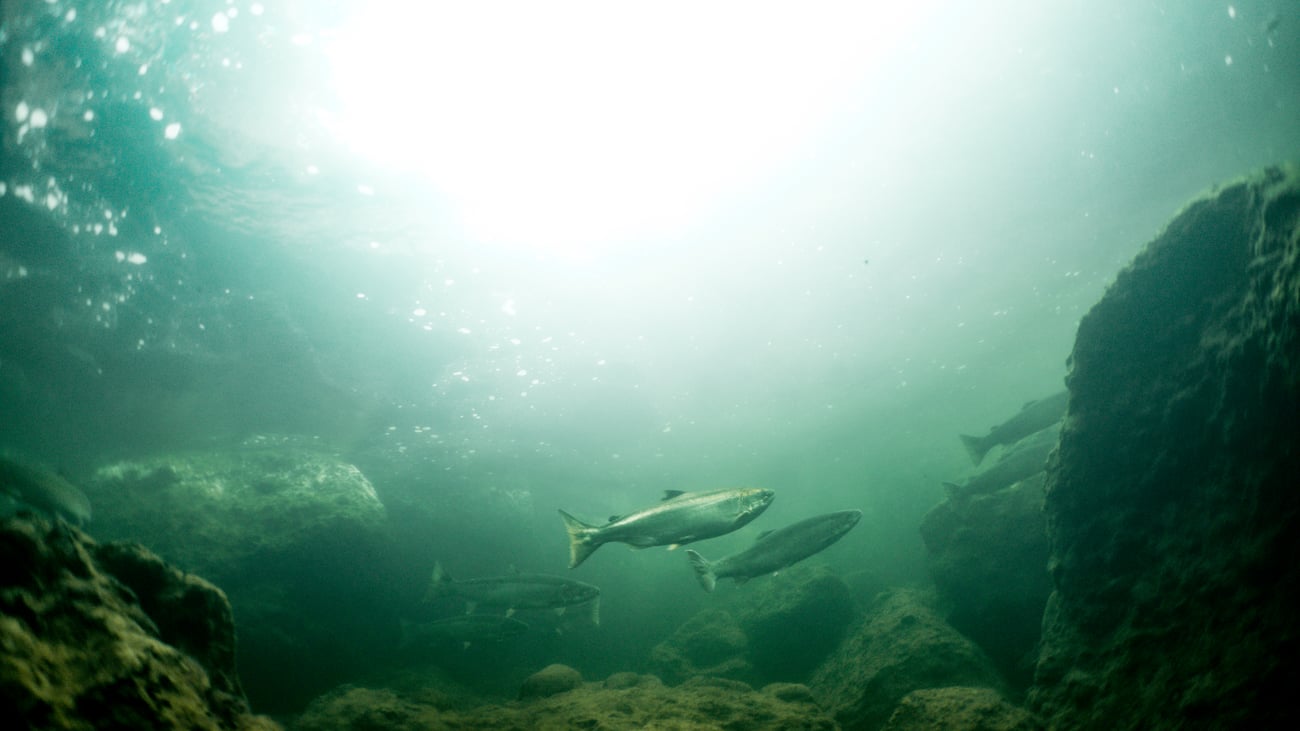
A federal judge declines to halt Northern California water infrastructure projects that environmental groups say will harm vulnerable fish species. The Central Valley Project and the California’s State Water Project include dams, reservoirs, water diversion facilities, conveyance channels, pumping facilities and other water infrastructure. The groups say the projects threaten Chinook salmon, steelhead trout and Northern American green sturgeon.
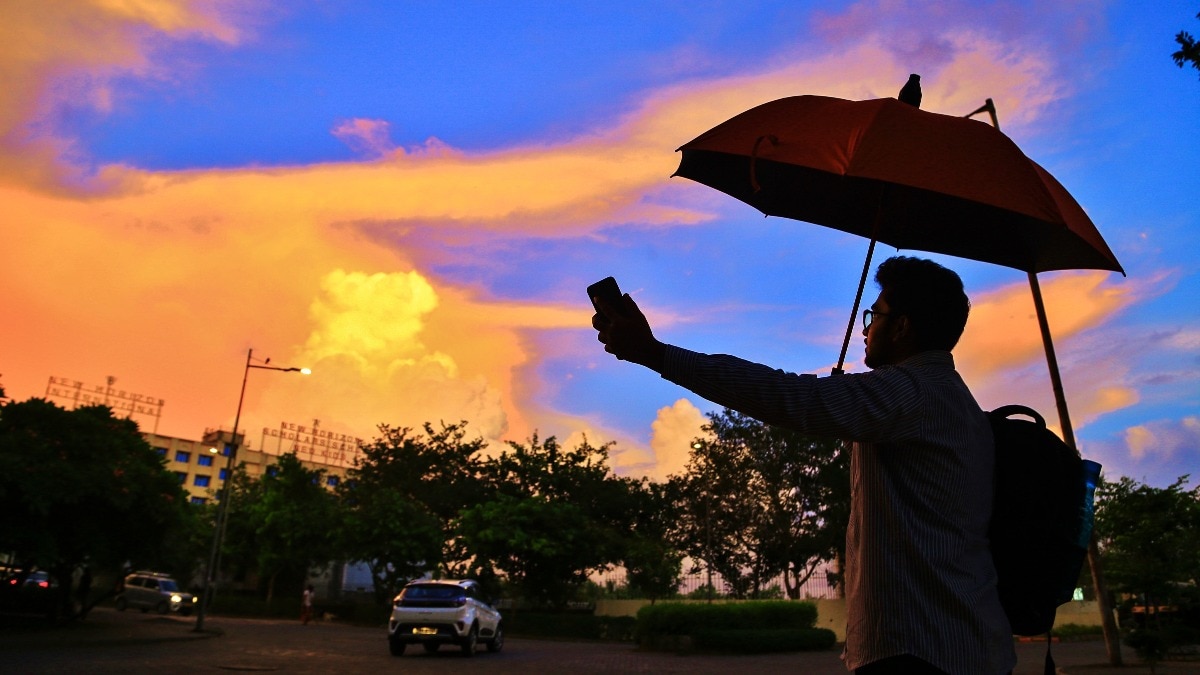
There will be a temporary break in monsoon activity due to changing atmospheric systems and global climate drivers. It will affect North India, including the vast northern plains and key agricultural belts that recently experienced heavy downpours. West India will see a significant shift, prominently affecting Gujarat and Rajasthan, both of which endured intense regional flooding during the monsoon's latest advancement. The dry spell is set to cover central India, stretching over major crop-producing states like Madhya Pradesh and Chhattisgarh. Agricultural experts warn that an extended break could slow down the crucial mid-July sowing of Kharif crops.
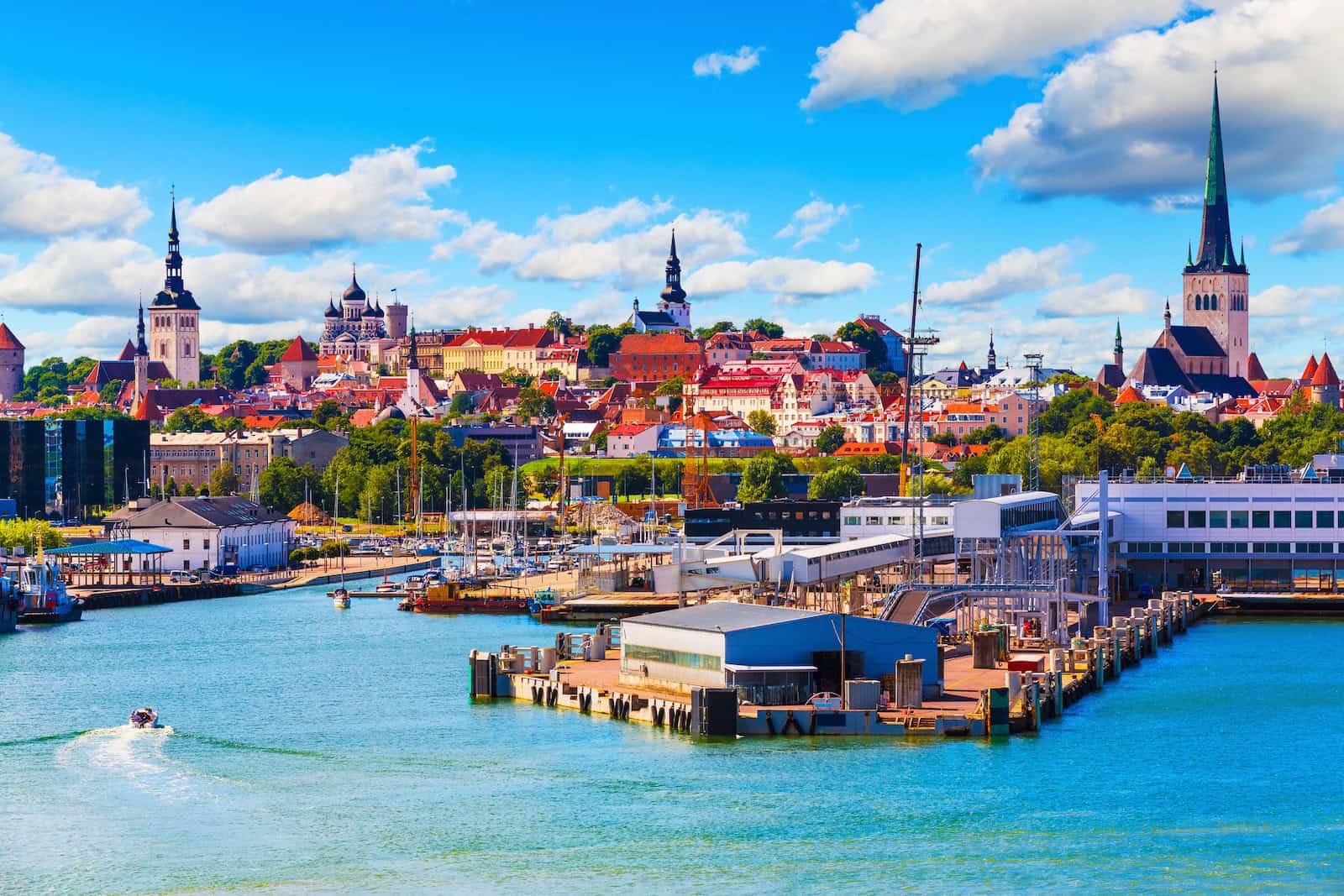
The latest edition of the Environmental Performance Index assesses 177 nations on their stewardship of the environment. Estonia tops the index, followed by Luxembourg and the UK. The only non-European nation in the top 20 is Japan, while Australia ranks 25th. Laos sits at the foot of the table, behind India and Bangladesh.

The Bureau of Land Management approved the repurposing of an oil and gas pipeline to transport water across the Mojave Desert. The company Cadiz Inc. has been trying for years to pump groundwater in the desert and ship it to thirsty California cities. The project is fiercely opposed by conservationists, who say it will dry up desert springs and seeps relied upon by Indigenous tribes and rare wildlife.
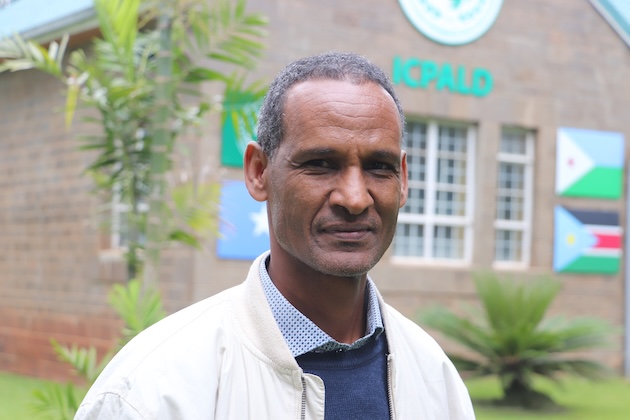
Dr Dereje Wakjira is the Director for the IGAD Centre for Pastoral Areas and Livestock Development (ICPALD). Pastoralism is a way of life for well over 20 million people in Eastern Africa, sustaining communities with food, cultural identity and ecological resilience. Dry land covers 60 to 70 percent of the land demands in IGAD countries. IGAD has been working to harmonise different policies.

There are concerns about a sudden downstream flooding triggered by a DPRK water release from a dam upstream of the inter-Korean border. Gyeonggi Province sent text alerts to residents in border communities, including Yeoncheon County and Paju City on Friday.
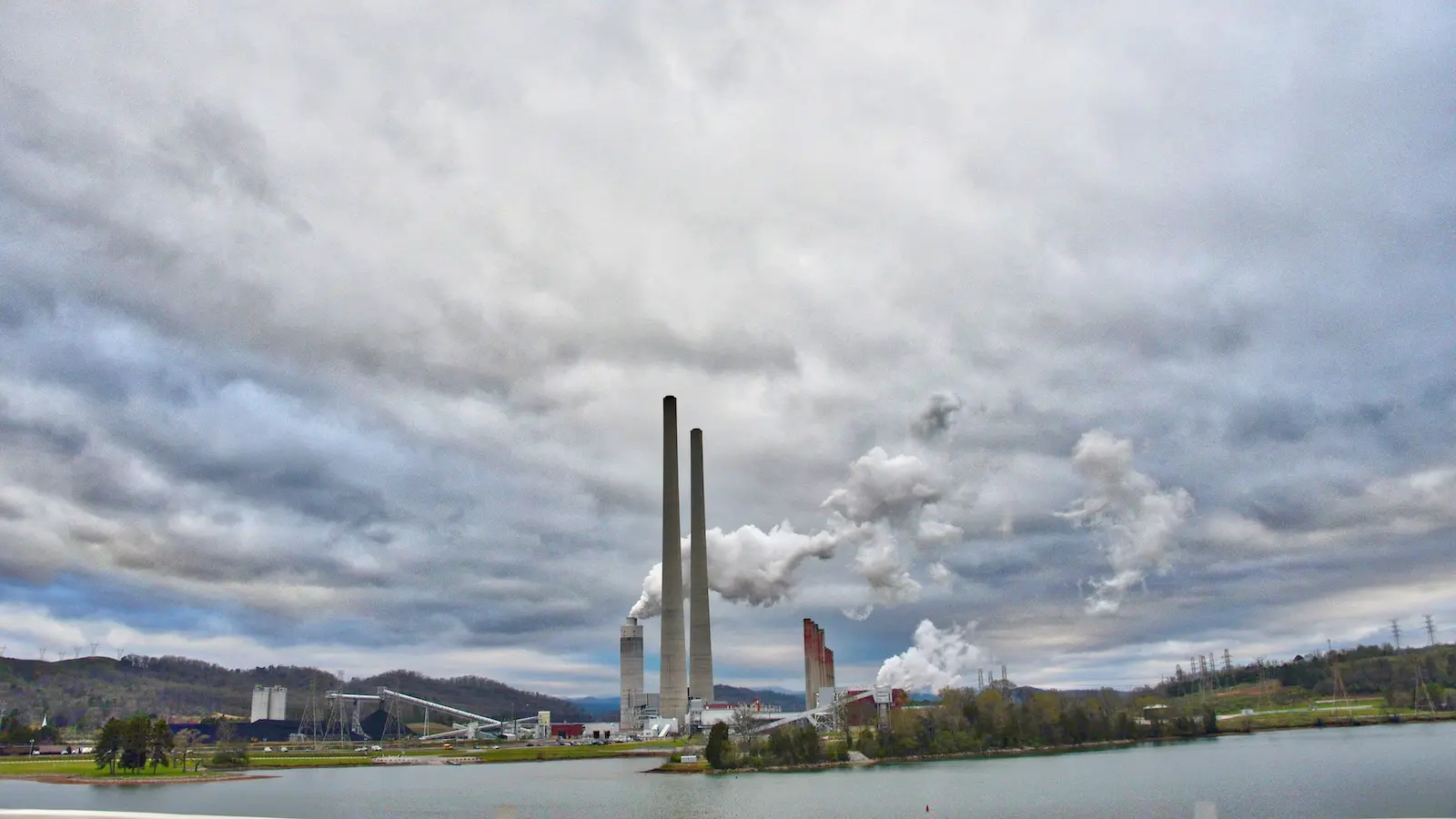
The Tennessee Valley Authority is revising its Integrated Resource Plan for the energy needs of the 7 states it serves through 2050. The new version of the IRP is more conservative than the previous one. It is based on three economic assumptions: a reduction of federal tax incentives for renewable energy, new utility-scale solar construction by 2027, and federal deregulation of nuclear, gas and coal power plants.
Notify me of new posts. Send me General News and Notifications. First Name and Last Name are necessary to send these messages. For confidential support call the Samaritans on 08457 90 90 90 or visit a local Samaritans branch, see here for details.
A federal judge declines to halt Northern California water infrastructure projects that environmental groups say will harm vulnerable fish species. The Central Valley Project and the California’s State Water Project include dams, reservoirs, water diversion facilities, conveyance channels, pumping facilities and other water infrastructure. The groups say the projects threaten Chinook salmon, steelhead trout and Northern American green sturgeon.
There will be a temporary break in monsoon activity due to changing atmospheric systems and global climate drivers. It will affect North India, including the vast northern plains and key agricultural belts that recently experienced heavy downpours. West India will see a significant shift, prominently affecting Gujarat and Rajasthan, both of which endured intense regional flooding during the monsoon's latest advancement. The dry spell is set to cover central India, stretching over major crop-producing states like Madhya Pradesh and Chhattisgarh. Agricultural experts warn that an extended break could slow down the crucial mid-July sowing of Kharif crops.
The latest edition of the Environmental Performance Index assesses 177 nations on their stewardship of the environment. Estonia tops the index, followed by Luxembourg and the UK. The only non-European nation in the top 20 is Japan, while Australia ranks 25th. Laos sits at the foot of the table, behind India and Bangladesh.
The Bureau of Land Management approved the repurposing of an oil and gas pipeline to transport water across the Mojave Desert. The company Cadiz Inc. has been trying for years to pump groundwater in the desert and ship it to thirsty California cities. The project is fiercely opposed by conservationists, who say it will dry up desert springs and seeps relied upon by Indigenous tribes and rare wildlife.
Dr Dereje Wakjira is the Director for the IGAD Centre for Pastoral Areas and Livestock Development (ICPALD). Pastoralism is a way of life for well over 20 million people in Eastern Africa, sustaining communities with food, cultural identity and ecological resilience. Dry land covers 60 to 70 percent of the land demands in IGAD countries. IGAD has been working to harmonise different policies.
There are concerns about a sudden downstream flooding triggered by a DPRK water release from a dam upstream of the inter-Korean border. Gyeonggi Province sent text alerts to residents in border communities, including Yeoncheon County and Paju City on Friday.
The Tennessee Valley Authority is revising its Integrated Resource Plan for the energy needs of the 7 states it serves through 2050. The new version of the IRP is more conservative than the previous one. It is based on three economic assumptions: a reduction of federal tax incentives for renewable energy, new utility-scale solar construction by 2027, and federal deregulation of nuclear, gas and coal power plants.