
The first two weeks of the Israeli-American assault on Iran have generated a lot of news and propaganda. The scope of this war has expanded military clashes to more than a dozen states in the region and entangling countries who assist either side. The direct impact of the war has rattled most of the world through oil and gas shortages, …
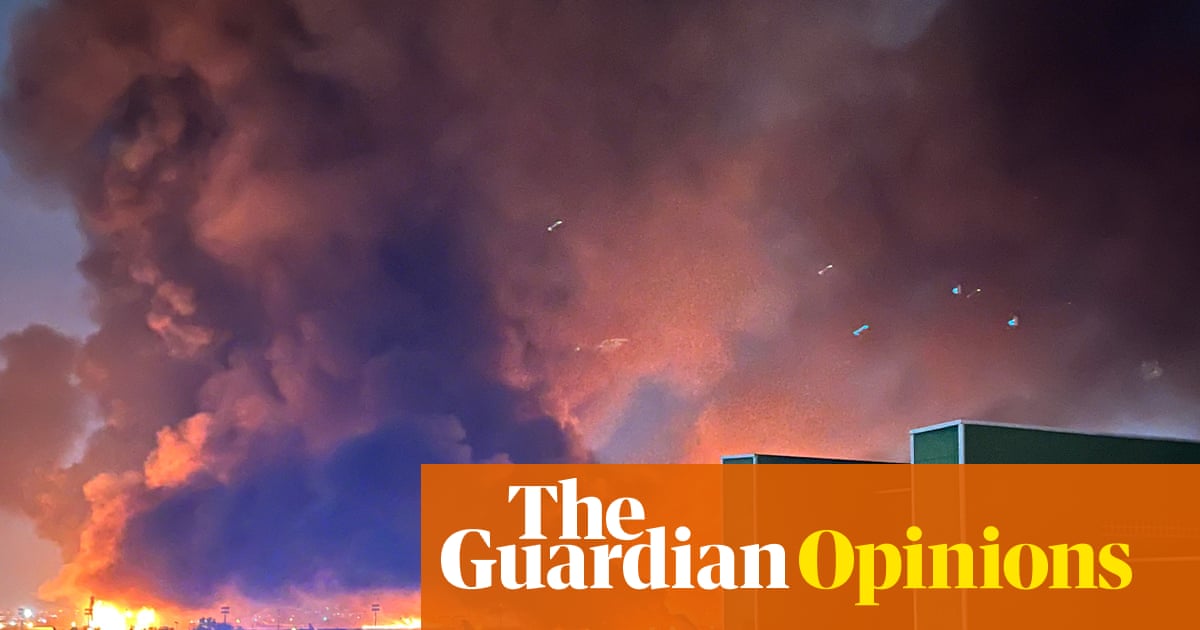
Donald Trump is lost in his fog of war. He's trying to reframe his rationale to avoid accountability for his actions. His rhetorical legerdemain is the equivalent of René Magritte’s painting of a pipe with the caption, “Ceci n’est pas une pipe” – “This is not a pipe.”

Oil tanker traffic in the Strait of Hormuz has plunged after Israel and the United States launched attacks on Tehran on February 28. Iran has effectively closed the waterway, pushing oil prices above $100 per barrel. International Energy Agency has released 400 million barrels of oil from emergency reserves to steady markets. The agency had released 182 million barrels after …

Johann Wadephul says Germany will not take part in an international military mission to protect merchant ships in the Strait of Hormuz. US President Donald Trump had promised military assistance from many unnamed countries to secure the waterway. EU foreign ministers will meet in person in Brussels on Monday to discuss the Iran conflict.

Araghchi says the Strait of Hormuz is only closed to American, Israeli ships and tankers and not to others. Tensions in the Strait have propelled the cost of oil to above $100 a barrel and are threatening economic dislocation worldwide. Iran and Russia have strengthened ties over the past decade in response to U.S. opposition.

Jan Egeland is the secretary-general of the Norwegian Refugee Council. He warns that the U.S.-Israel war on Iran is driving mass displacement and pushing humanitarian systems towards collapse. Civilians across Iran, Lebanon, Gaza and Sudan are paying the price of escalating conflict.

Donald Trump's approval rating is stalling at near 40%, which is almost identical to the percentage of Americans who support the attacks on Iran. What are the political consequences of the war? Guests and hosts discuss the issue with the guests and hosts on "This is Life After War".
,regionOfInterest=(1152,764)&hash=73e06f1366088f8ebdec35a4f56f9a5bcdb81ff4cca1de7410b7c83022597a6e)
Petrol, gas and transport costs have increased in the wake of the Iran war. The report from government consultants shows what will become more expensive next. The greatest short-term risks come from the energy markets. The Strait of Hormuz is particularly critical as a significant portion of the world's oil and liquid gas trade passes through this strait.
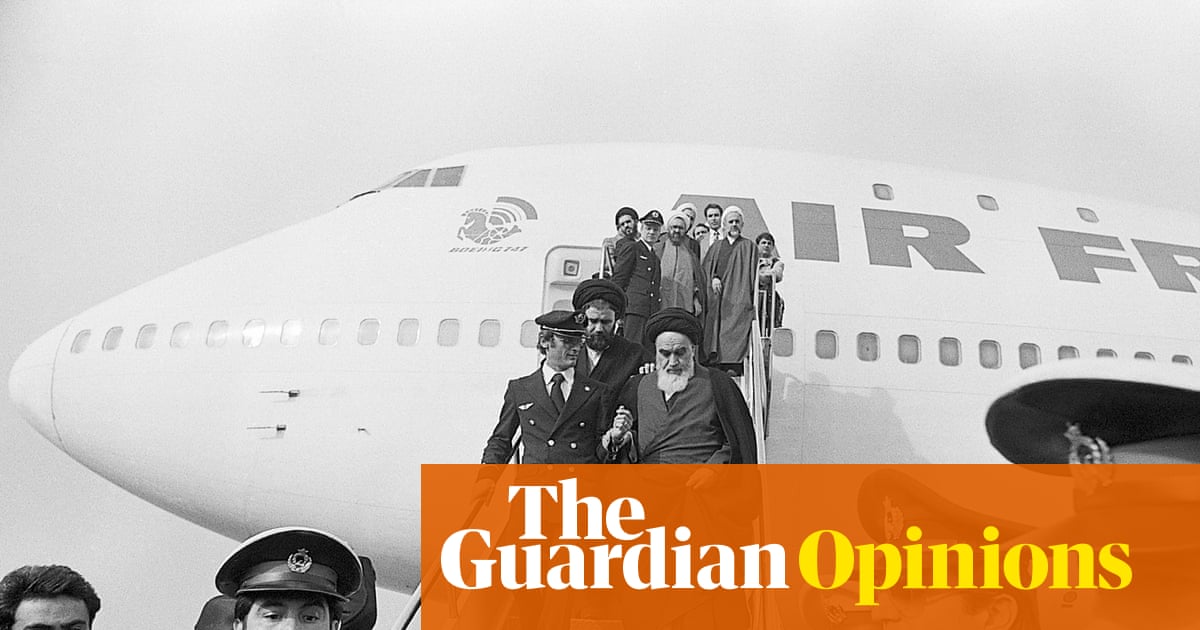
As a young reporter, he had a ringside seat for part of the 1979 revolution that overthrew Shah Mohammad Reza Pahlavi and installed an austere Islamic republic headed by a Shia Muslim cleric. He was the first foreign journalist to interview Ayatollah Ruhollah Khomeini in Neauphle-le-Château, France. Abolhassan Banisadr, a Paris-based academic, was elected Iran’s first president before being ousted …
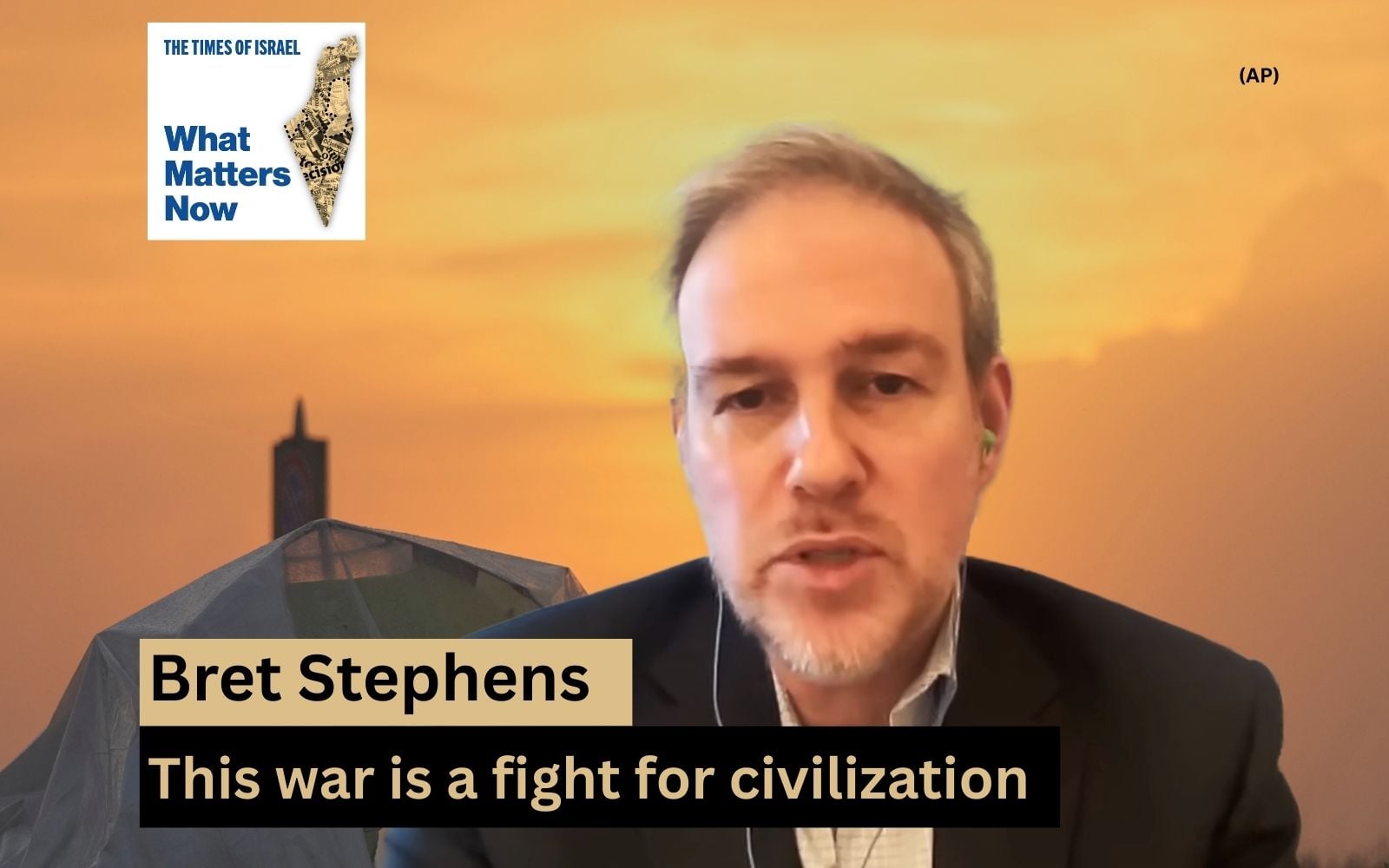
What Matters Now is a weekly podcast exploring key issues currently shaping Israel and the Jewish World. This week, Amanda Borschel-Dan speaks with Bret Stephens, a New York Times columnist and the editor-in-chief of Sapir magazine. Stephens explains why the current conflict can be both “Trump’s war” and a just war.