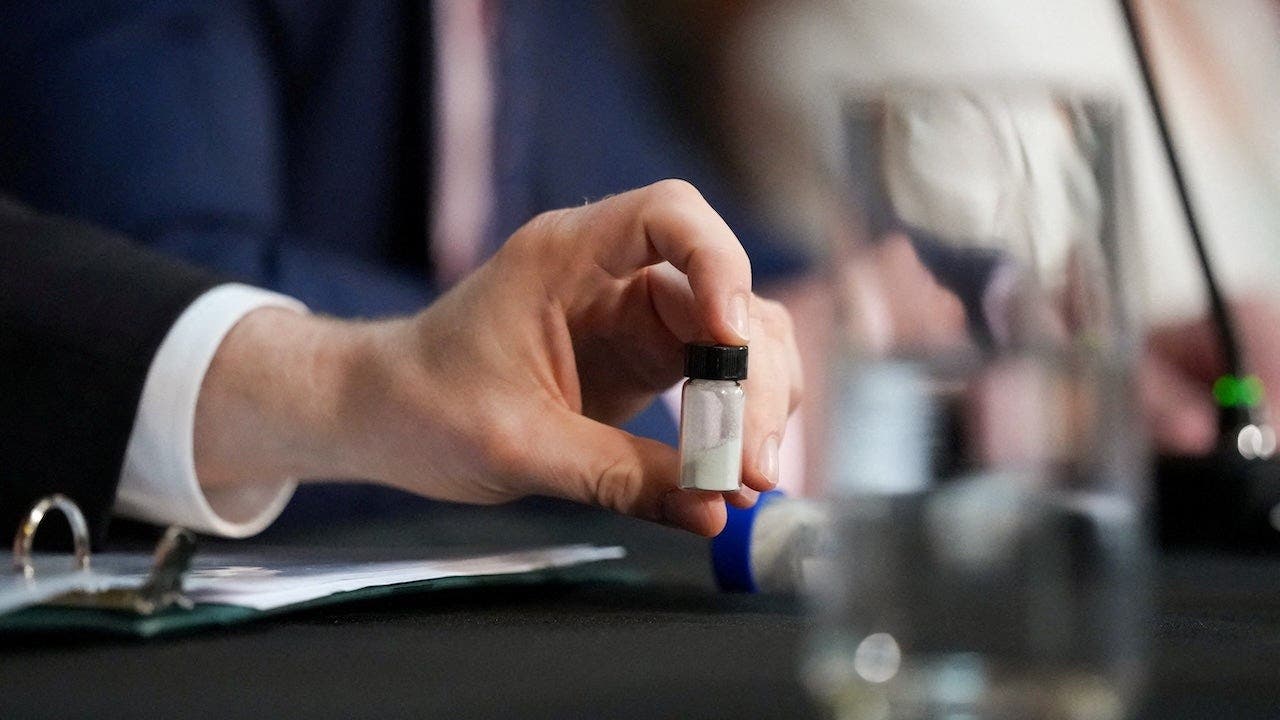
EPA is adding microplastics and pharmaceuticals to its Contaminant Candidate List for drinking water. RFK Jr. and EPA Administrator Lee Zeldin have been working closely together under President Trump's Make Healthy America agenda. They are launching a national program to study how microplastic accumulate in the human body.

There is an ongoing E. coli outbreak with epidemiological links to Raw Farm Raw Cheddar cheese. At least nine people have been sickened with the same strain of the bacteria, most of them children. The company has issued a voluntary recall for seven batches of different varieties of the cheese.

Vermont's "climate superfund" law is being challenged in the U.S. District Court of Vermont. The law would require fossil fuel companies to pay for adaptation to a changing climate. The town of Johnson, Vt., has been hit by floods in the last 21 years. It is considering moving its wastewater treatment plant, but the cost is high.

Two men found a bottle with Polonium 210 in Vaihingen an der Enz, northwest of Stuttgart, while looking for Easter eggs. The Ministry of the Environment picked up the bottle and is now responsible for investigating the contents. The discovery triggered a large-scale operation by the fire brigade and police.

Inside Climate News is a 501c3 nonprofit organization that makes its news available for free. It has bureaus from coast to coast to report local stories, collaborate with local newsrooms and co-publish articles. It earned a Pulitzer Prize for National Reporting six years ago. It's the oldest and largest dedicated climate newsroom in the nation.
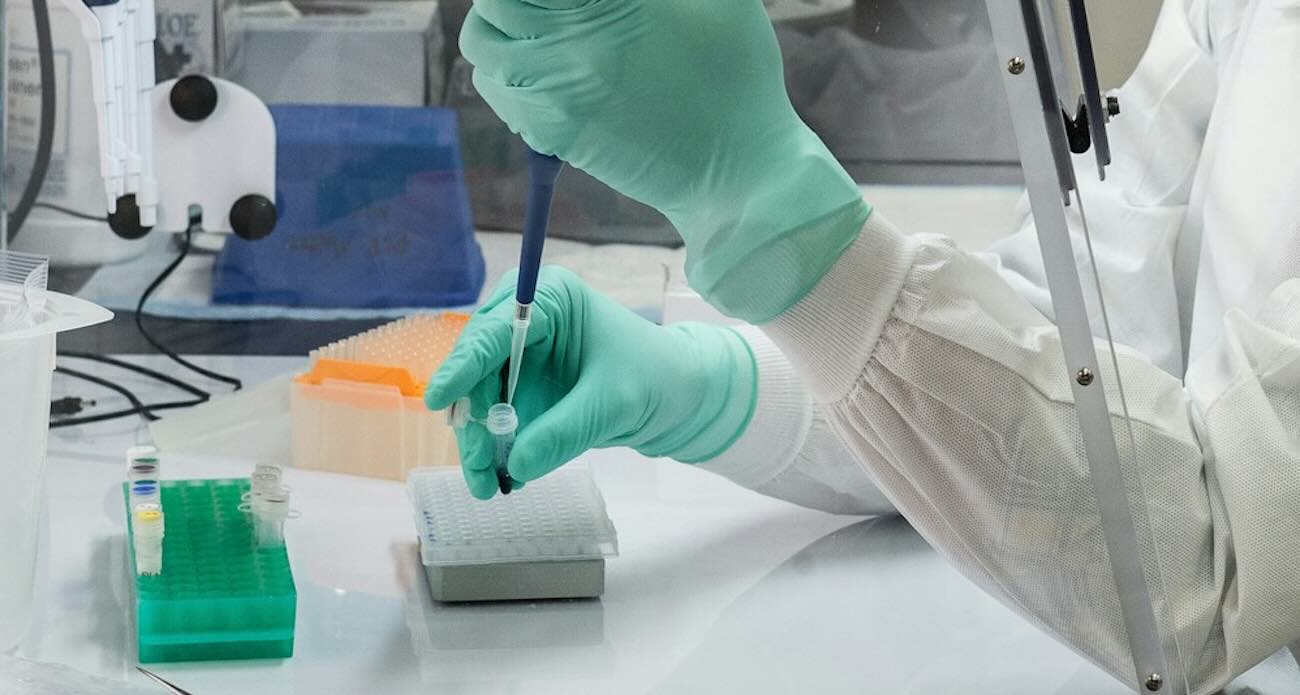
University of Michigan researcher found that lab gloves may be contaminating lab equipment used to measure microplastics in the air and water, thus inflating estimates of the pollution. Stearates, a kind of salt or soap, were found to be the culprits. Manufacturers coat disposable gloves with stearates to make them easier to peel from the molds used to form them. Cleanroom gloves imparted the fewest particles.
,regionOfInterest=(849,692)&hash=4486bca9c73dc8abbee62df839eaf4821b2dddbf9d57ea4fb86729987dde6c41)
Two men found a bottle labeled with the name of Polonium 210 in their garden on the outskirts of Vaihingen an der Enz on Sunday. Radiation protection alarm was triggered, but there was no radiation exposure. The bottle was removed, opened and disposed of by experts from the Baden-Württemberg Ministry of the Environment.

This year spring arrived 3 to 5 weeks earlier than the average between 1991 and 2020 in the central U.S. and 2 to 3 weeks earlier in southern Midwest states. An earlier spring could have consequences for the agriculture industry, ecology, and more. Climate Central used open-access data collected by the USA National Phenology Network.

Two men found a bottle with Polonium 210 in Vaihingen an der Enz, Baden-Württemberg. The Ministry of the Environment took over the bottle and transported it safely away. Around 138 emergency services with 41 vehicles were on site, including a radiation protection platoon. The site was cordoned off over a large area and reopened.

In 2009 Erik Cordes was studying deep-water corals in the Gulf of Mexico. The blowout on BP’s Deepwater Horizon drilling rig killed 11 workers and sent oil gushing up from the seafloor. In the years since then, Cordes and his team have followed nearly three hundred individual coral colonies within 16 km of the spill, recording minuscule changes in color, branch lengths, and physical integrity. According to Cordes, 25% of the corals he studied have either died or show no signs of recovery.