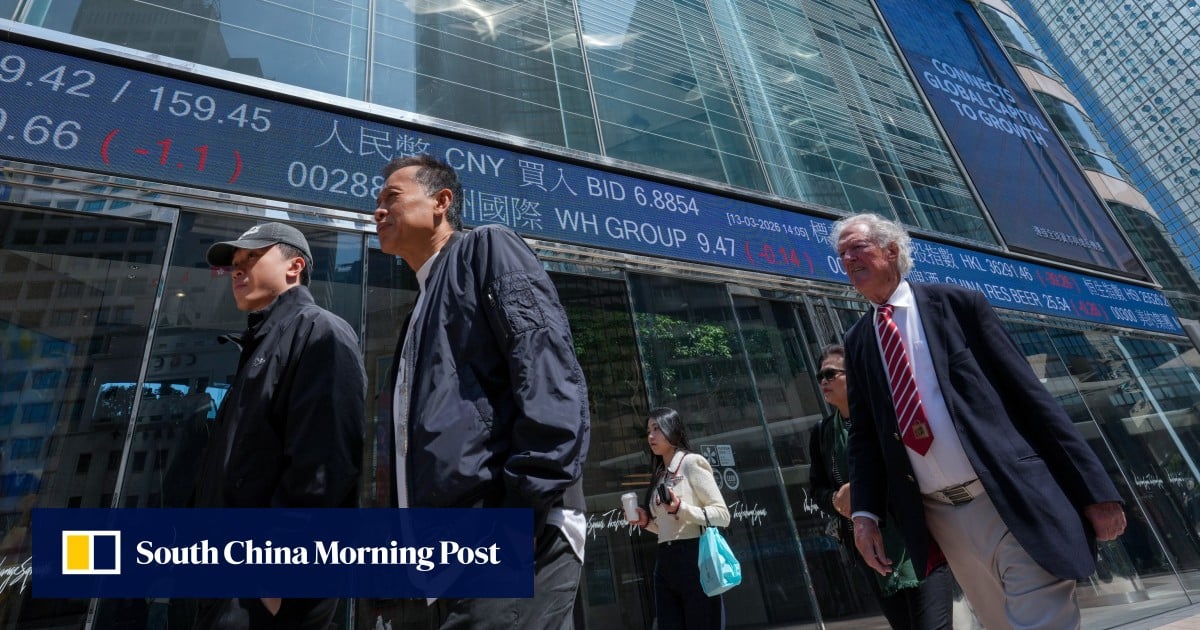
Hong Kong's economy showed resilience in the first quarter of 2026. Financial Secretary Paul Chan Mo-po on Sunday attributed the performance to the steady growth of mainland China’s economy. The minister said the geopolitical landscape had proved to be complex and fast-changing. The Hang Seng benchmark index has fallen by about 2 per cent so far this year.
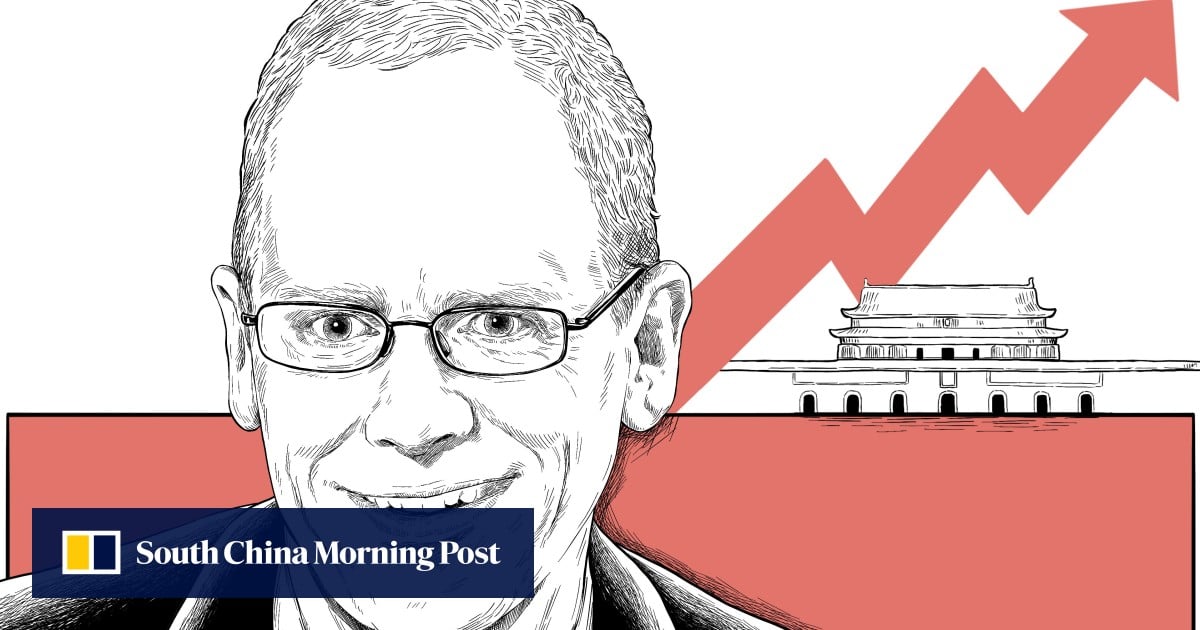
Andrew Tilton is the chief Asia-Pacific economist at Goldman Sachs. He speaks to the South China Morning Post about the long-term future of China’s economy after the ‘two sessions’ in Beijing and ahead of an expected Xi-Trump summit. The oil crisis sparked by the US-Israel war against Iran will affect Asia.
Bessent, Greer and Colby are preparing for a trip to China. Greer is a trade lawyer by training and has provided an intellectual roadmap by which to counter China economically in the long term. The administration’s economic approach doesn’t sit well with everyone, particularly those who see Beijing as an adversary that exploits any opening it's given.

Taiwan is a vital node in the U.S. and global economies. It produces about 90 percent of the world’s most advanced computer chips. A bipartisan group of senators visited Taiwan and urged the island's lawmakers to approve a $40 billion supplementary military budget. The main opposition party is blocking the spending increase, and its leader has accepted an invitation from Chinese President Xi Jinping to visit mainland China. China considers Taiwan a breakaway province.
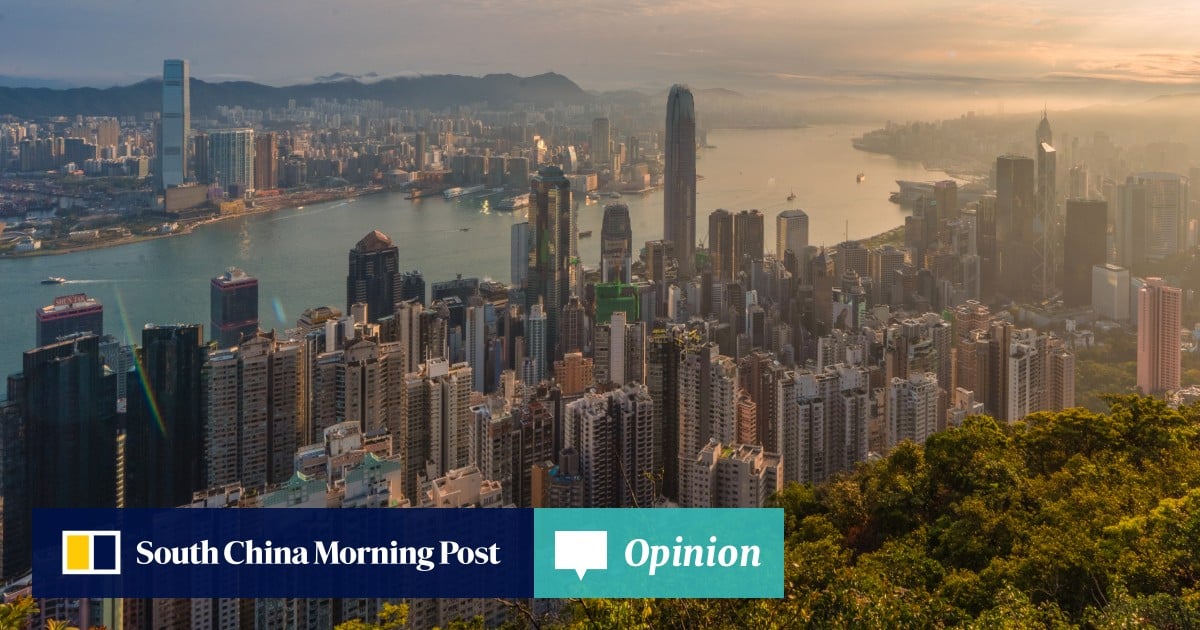
Hong Kong's five-year plan is part of China's broader strategy to transform the city from its traditional role as a super-strategic hub to a financial and technological superpower. Hong Kong raised more than HK$280 billion (US$35.7 billion) through 119 new listings in 2025 alone.

Macron's visit to Japan and South Korea is an economic and technological cooperation between Paris and Seoul. Iranian Revolutionary Guard’s threats to attack the centers of global technology companies in the Gulf are discussed. Egyptian government's plan to close commercial centers, cafes and restaurants after 9 pm is also discussed.
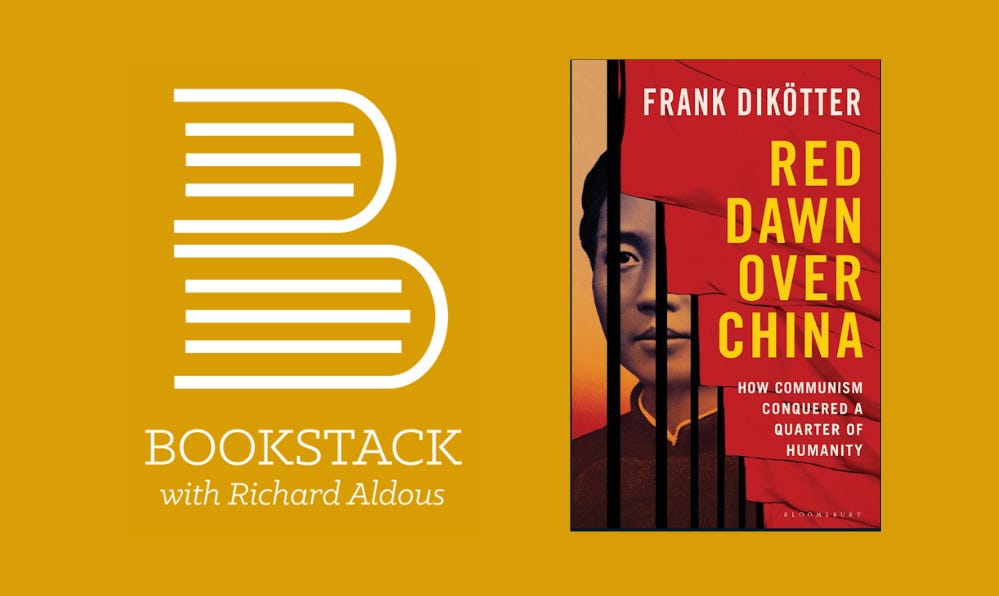
This week, Richard talks to Frank Dikötter, author of Red Dawn Over China: How Communism Conquered a Quarter of Humanity (Bloomsbury). Bookstack listeners can take advantage of a 20% offer for paid Persuasion membership.
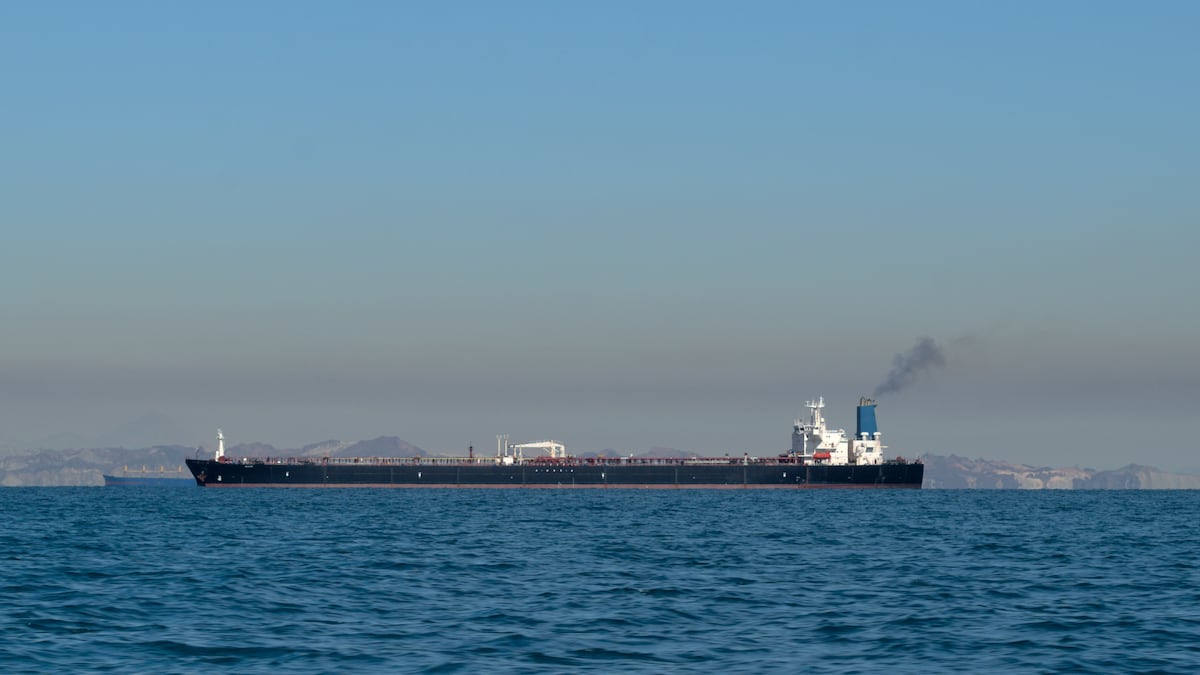
In 2008, few economists saw the crash that ended up being the Great Recession coming. Now few experts are clear about what is coming, with the war in Iran and the associated formidable energy shock. Nouriel Roubini predicts that the escalation of the Gulf War will cause low growth, high inflation and a financial crisis.

As the war in Iran erupted five weeks ago, social media sleuths across Western and Chinese platforms flagged a wave of viral posts detailing equipment at U.S. bases, the movements of American carrier groups and granular breakdowns of how military aircraft were assembling for strikes on Tehran. The intelligence came from a fast growing new market: Chinese firms marrying artificial intelligence with open-source data to market information they claim can “expose” the movements and activities of U.s. forces. Beijing has poured hundreds of millions of dollars into developing AI with practical defense applications under its civil-military integration strategy.
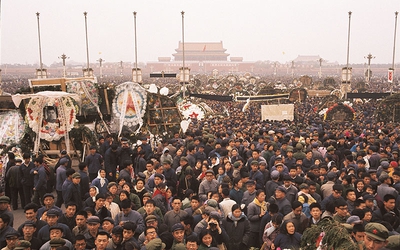
It's 50 years since the Tiananmen Square protest. It paved the way for the end of Mao Zedong's Cultural Revolution. The Akashi-Kaikyo Bridge opened to traffic 28 years ago. Paul Newman wins a court victory over Julius Gold to keep giving all profits from Newman Foods to charity.