
In Kargi, a remote desert village in the far north of Kenya, people are getting cancer at unusually high rates. The cause of the disease is thought to be the drilling waste from Amoco, an oil company that used to drill for oil in the area in the 1980s. The company left behind carcinogenic toxic chemicals, including nitrates and arsenic, in the water wells used by residents and their livestock. The water was contaminated. The residents are suing the Kenyan government for not cleaning the water.

The Iran war and resulting oil shortage is showing the urgent need to rethink food production. 15% of all fossil fuels go into producing, processing, transporting and storing food. If the Iran war drags on, this could become the worst food shock in the modern era. Governments are starting to turn less food into biofuels. This will make food more expensive.

Food and beverage manufacturers are facing one of the busiest reformulation periods in recent memory. Synthetic colors are at the center of this activity. Many synthetic additives are being banned by 2027. Manufacturers have to make long-term decisions before all bans and regulations are finalized.

This month marks the 10th anniversary of a marine disaster in Vietnam, caused by the release of toxic chemicals by the Formosa steel plant off the coast of Hà Tĩnh province. At least 100 metric tons of dead fish washed ashore beginning April 6, 2016, sickening thousands of people and shutting down the fishing and tourism industries. After widespread public mobilization, the company admitted responsibility and agreed to pay $500 million in compensation. However, the compensation became a private settlement with the Vietnamese government, leaving decisions about how to allocate the funds at the discretion of the one-party state. Victims have alleged favoritism in the distribution of compensation toward those who are active members of the

In April 2016, tons of dead fish washed up on the beaches of Vietnam's Hà Tĩnh province. The seafood industry was decimated and families who relied on the ocean for their livelihood were suddenly without income. Formosa Ha Tinh Steel Corp was pumping waste directly into the ocean from an underwater discharge pipe. The company is an offshoot of Formosa Plastics Group, Taiwan's largest industrial firm. It has plenty of money to compensate the victims of its toxic waste, but few Vietnamese have gotten any compensation at all.
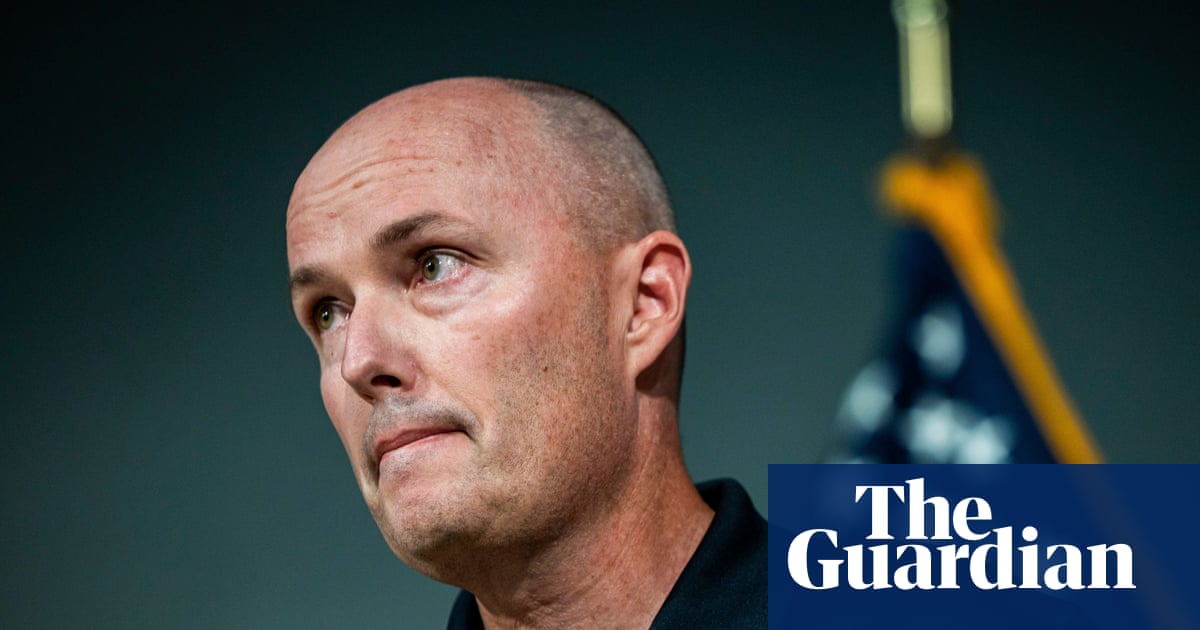
Utah's new law makes it nearly impossible to sue fossil fuel companies for climate damages. It's part of a push from big oil and its political allies for legal immunity in red statehouses and Congress. Four other red states are considering laws similar to Utah's and federal legislation is seemingly in the works.

is a salad dressing made from rapeseed oil and vinegar with a pinch of sugar. Carrageenan or potassium tartrate are ingredients that come from food technology rather than from the kitchen. In old recipe books, potato salad has always included potatoes, onions, onions and salt.
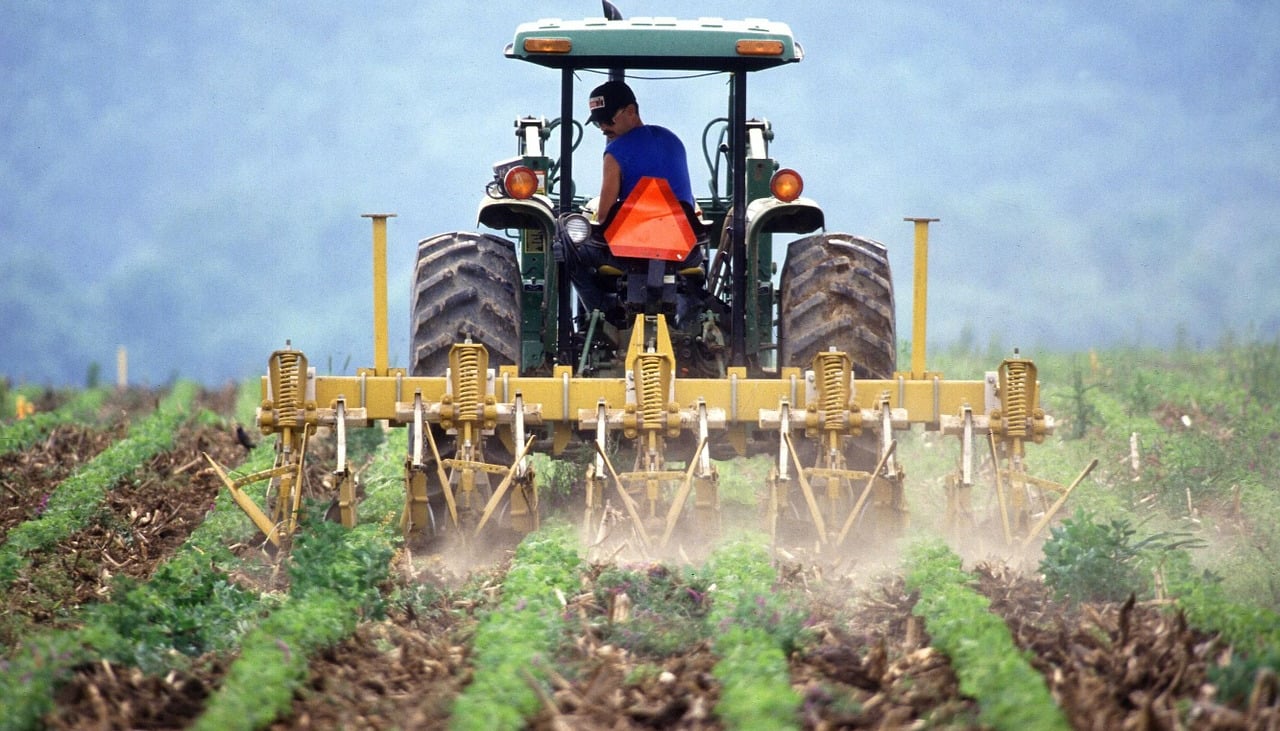
The Eighth Circuit on Monday refused to revive antitrust claims against Bayer CropScience and 15 other agricultural manufacturers. The claim came from a group of 28 farmers who filed a consolidated class action in September 2021. The class claimed the defendants drove up prices by boycotting e-commerce competitors that market directly to farmers in favor of their tightly controlled distribution system.

Weekly digital edition of SPIEGEL includes e-paper (PDF), digital archive and S+ newsletter. Free access to all S+ articles on SPIEGel.de and in the app (e-paper, digital archive, and newsletter). For more information, visit the website.
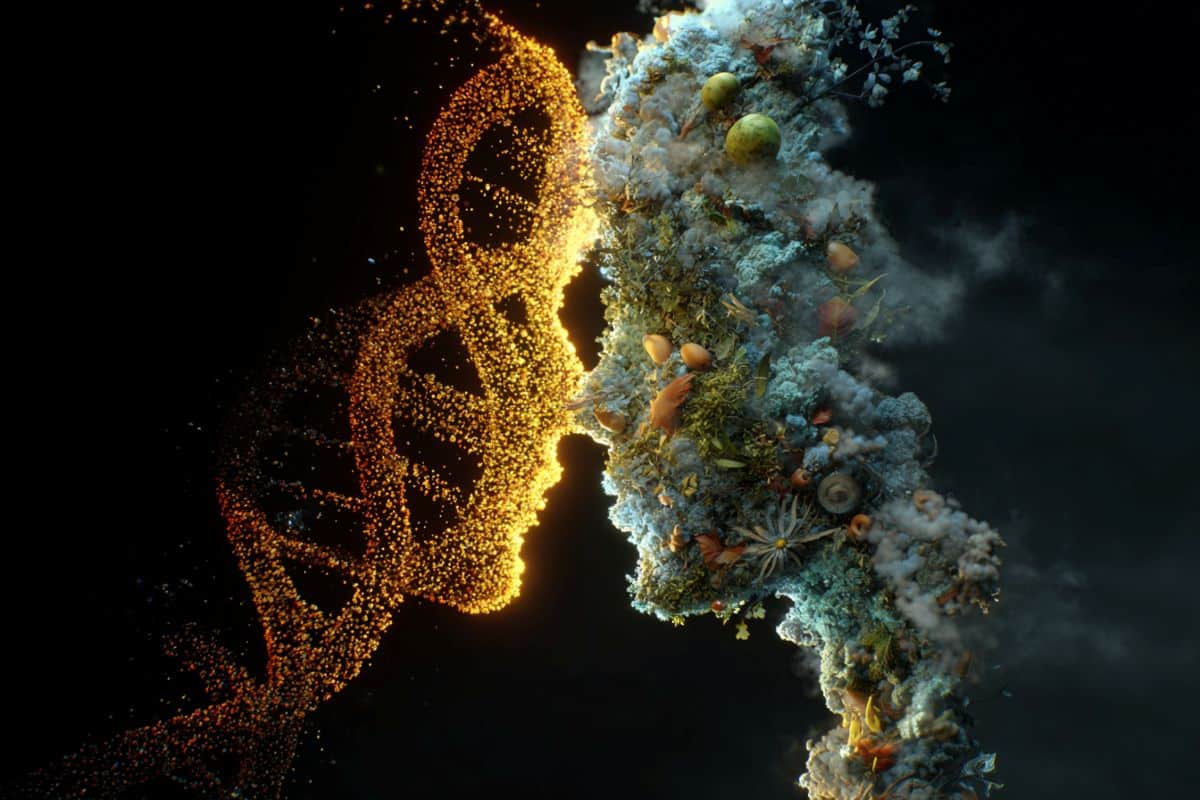
Researchers analyzed 20 years of data, testing over 115,000 associations between 619 environmental exposures and 305 health outcomes. They found that a single environmental exposure explains less than 1% of health differences. However, looking at just 20 exposures together boosts that explanatory power to levels comparable to major genetic variants. The team has released The Phenome-Exposure Atlas, a free online tool for other scientists to hunt for new links between environment and disease.