
The KMT ruled China until Mao Zedong’s Red Army forced it to flee to Taiwan in 1949. The two parties remained sworn enemies for decades afterwards. The KMT renounced its goal to retake China by force in 1991. China now sees the KMT as its best hope of uniting Taiwan with the mainland. Cheng Li-wun, the new KMT chairwoman, will visit China between April 7th and 12th. She is expected to meet China's president, Xi Jinping, on the first visit there by a KMT leader in a decade.

Geopolitical Futures is a free newsletter with weekly analysis from New York Times bestselling author George Friedman and a global team of analysts. It includes special offers and reports on Turkey, Iran, and the future of the Middle East. Sign up now to receive the special report on Turkey and Iran.

Last weekend's coverage of Asia and beyond has been put together. If you would like to see more of our reporting, please consider subscribing to our website. . for more stories from the last weekend. For more information, visit: www.asia-observer.com.
The war in Iran dominates commentary in March. The focus on the Chinese economy is also weightier than usual, driven by the Two Sessions and the new Five-Year Plan. The rural pension question prompted a pointed debate. The export model is generating resistance it cannot indefinitely absorb.
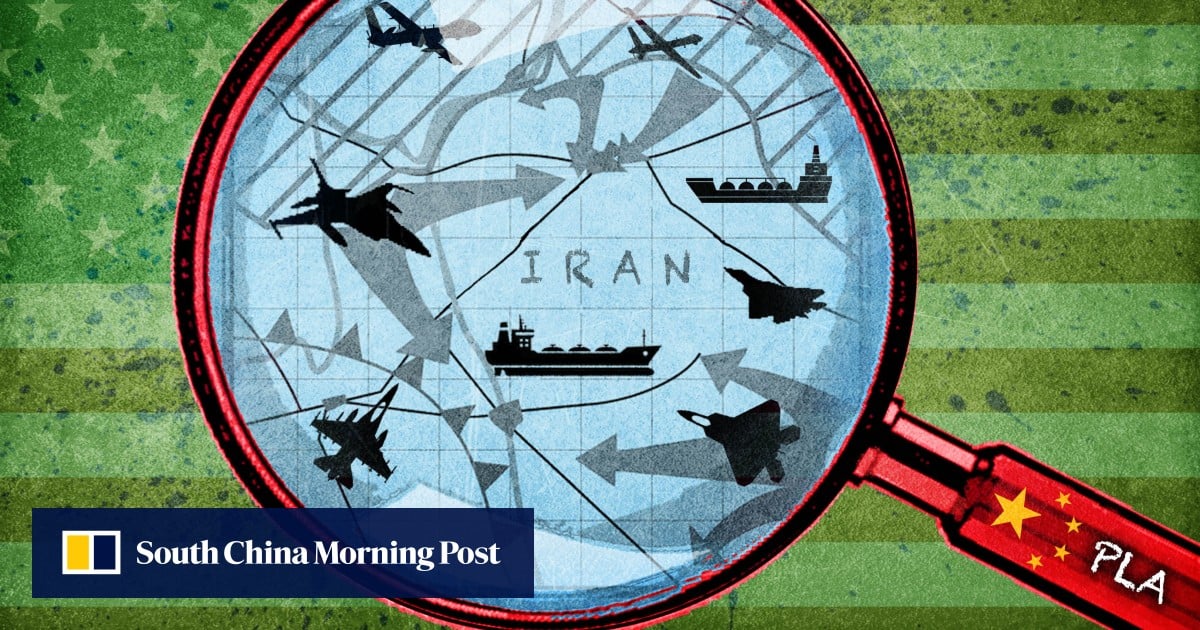
The US-Israeli war on Iran will reshape warfare, geopolitics, energy security and global perceptions of American tactical and strategic power. China's People's Liberation Army is likely to study the Pentagon's tactics and strategy in the Iran war, with an eye to any eventual conflict over Taiwan.

The 2025 National Security Strategy highlights the U.S.-China rivalry. The Trump administration’s decision to go to war against Iran should be guided by the China calculus. It is difficult to see how Operation Epic Fury would strengthen the United States position relative to China. China is Iran's largest trading partner and the world's largest importer of oil and gas.

Cheng Li-wun, the chairwoman of Taiwan's main opposition Kuomintang (KMT) is visiting Shanghai on Tuesday for a six-day trip. She is expected to meet Communist Party leader Xi Jinping and promote cross-strait peace. The visit has drawn criticism from Taiwan's ruling Democratic Progressive Party (DPP).

China is seizing opportunities in renewable energy as the Trump administration pulls the U.S. back from the emerging sector in favor of fossil fuels. Clean tech sectors accounted for more than one-third of China’s economic growth in 2025, according to a report.

There is a Washington consensus on trade policy that dates back to the late Obama years. The U.S. will not push for global trade deals like the successive rounds of tariff cuts and subsidy rules negotiated through the World Trade Organization and its predecessor. Instead, the goals are trade deals among a handful of countries that focus on specific sectors like critical minerals or semiconductors. They are reinforced by tariffs and industrial policy that rarely come before Congress for a vote. China has used protectionist measures including vast subsidies and extensive industrial policy to turn itself into the world’s largest exporter and the United States' most powerful military rival.
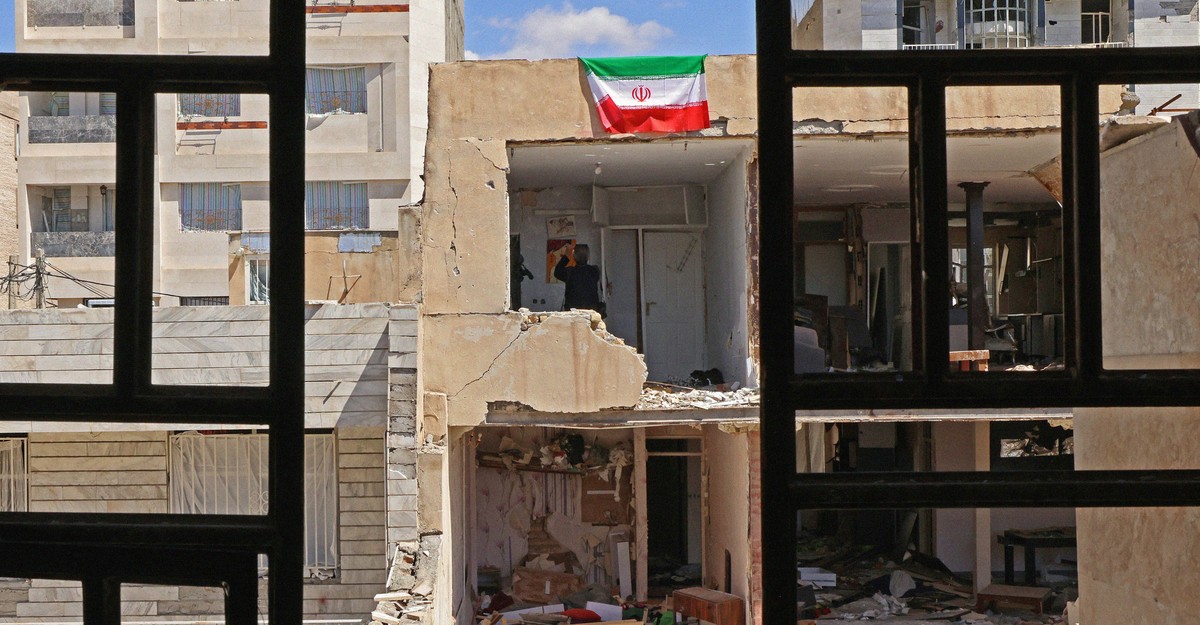
Before he authorized a bombing campaign against Iran, President Trump didn't plan for the possibility that Iranian forces would close the Strait of Hormuz. Trump has been left to hope that the crucial shipping channel will open up naturally. Iran is smaller and poorer than the United States, but its leaders are exercising considerable leverage over Trump. Trump's war in Iran is putting America's strategic and military weaknesses on display for China.