
Richard J. Fehir, Ph.D. has joined Bergeson & Campbell, P.C. and The Acta Group as Senior Chemist/Regulatory Scientist. He spent 17 years at the U.S. Environmental Protection Agency (EPA) and served as Supervisory Chemist, Risk Assessment Branch 6, EPA Office of Pesticide Programs (OPP). He also worked as a Chemist in the Industrial Chemistry Branch of the Office of Pollution Prevention and Toxics.

California Assemblymember Nick Schultz wants to ban the use of PFAS pesticides in the state starting in 2035. More than 2.5 million pounds of pesticides containing PFAS were sprayed on California crops between 2018 and 2023. Pesticides with intentionally added PFAS are regularly sprayed on the state’s crops.
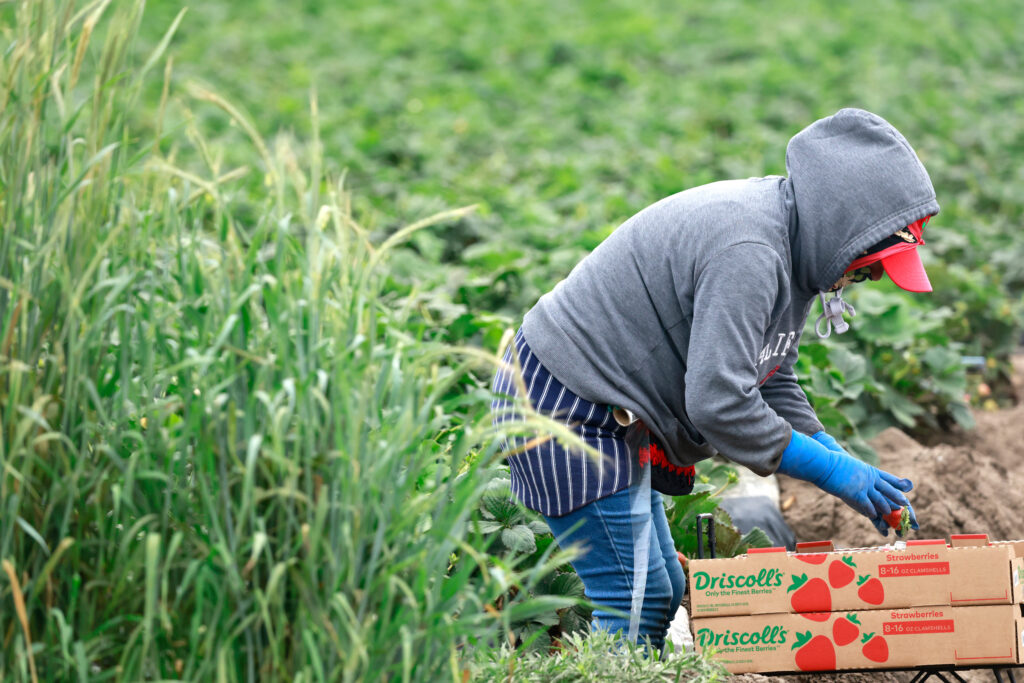
California Assemblymember Nick Schultz wants to ban the use of pesticides containing toxic "forever chemicals" starting in 2035. The state is the nation's top agricultural producer. More than 2.5 million pounds of PFAS pesticides were sprayed on California crops between 2018 and 2023, according to an analysis of state pesticide use data.

University of Colorado Boulder team found the first airborne detection of MCCPs in the Western Hemisphere. The study was conducted during a field study in an agricultural region of Oklahoma. MCCP are being evaluated for possible regulation under the Stockholm Convention aimed at protecting human health from persistent and widespread chemicals.
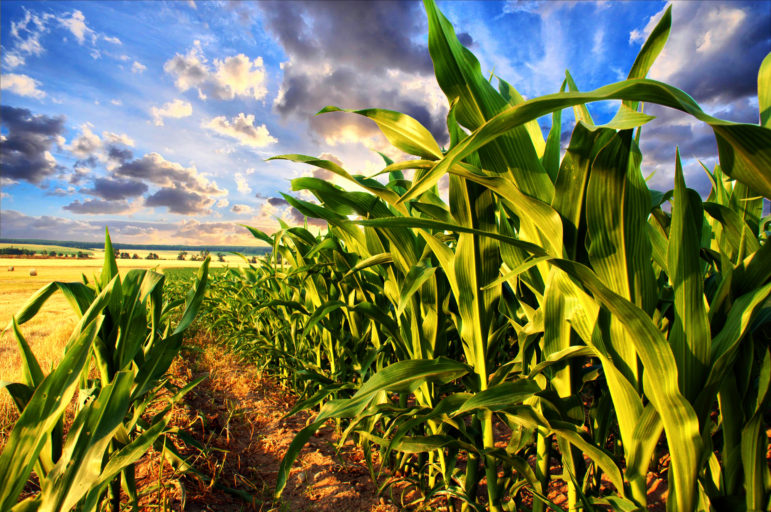
The Secretariats of Economy and Agriculture are trying to prevent the future Regulations of the General Law on Adequate and Sustainable Food from including the requirement that the agri-food industry inform consumers when its products include genetically modified organisms (GMOs) or if highly toxic herbicides were used during their production. This is despite the fact that in the United States, the industry is required to label foods containing GMOs.

Mariah Blake is an investigative journalist who has spent more than a decade chronicling the forever chemicals scandal. Her book "They Poisoned the World" chronicles a decades-long cover-up that hid the chemicals' links to cancer and birth defects.

Bhanudas More, a farmworker in Maharashtra state, was diagnosed with type 2 diabetes eight years ago. His working conditions in sugarcane and grape fields exposed him to a mix of crop pesticides. Pesticides may disrupt the gut microbiome, the ecosystem of trillions of bacteria, fungi, and viruses that help digest food, produce nutrients, train the immune system, and send chemical signals that influence metabolism and brain function.
On April 15, a live taping of “Forked” with chef Sean Sherman will kick off the Planet Forward Summit at the George Washington University in Washington, D.C. The bi-weekly podcast from FERN examines the issues and events shaping food systems.
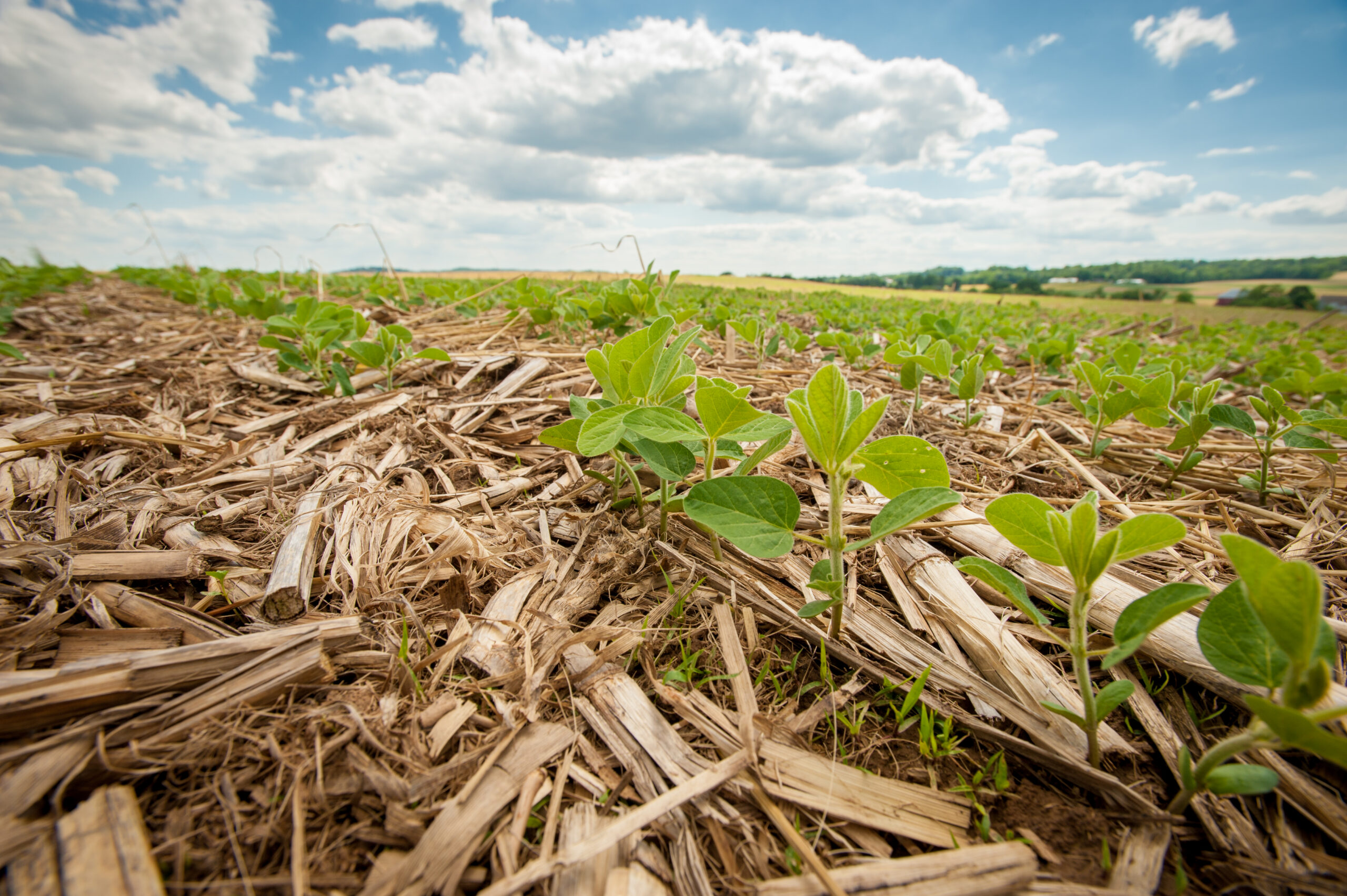
The Farm, Food, and National Security Act of 2026 was passed by the House Agriculture Committee on March 5th. The bill focuses on conservation, climate resilience, and sustainable and organic research. It proposes diverting $1 billion in Conservation Stewardship Programs funding over 10 years for a new grant program supporting states and Tribes administering soil health programs.

15,000 hives in Uruguay died in 2025 and more than 85 beekeepers were affected. In the past decade, Uruguay has seen an expansion of agricultural land devoted to soya and maize, with production reaching record highs. This growth has been accompanied by a high volume of chemical inputs.