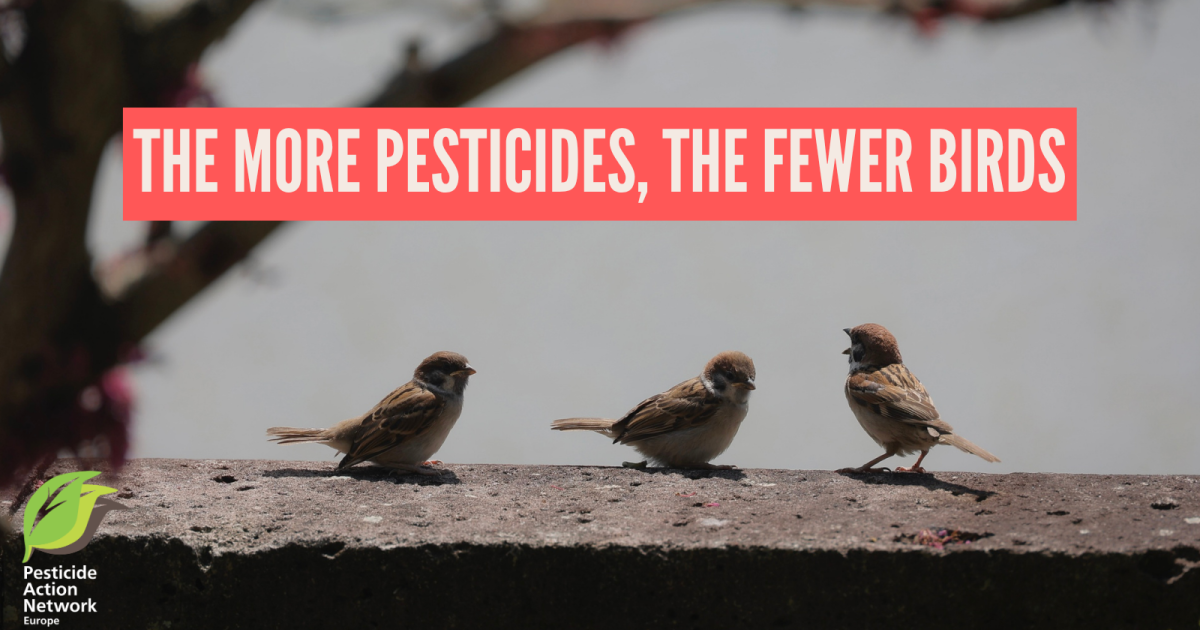
A recent French study shows that common birds are far less abundant in agricultural areas where more pesticides are purchased. Negative effects were found for over 84% of the species studied. A reduction in pesticides would be a turning point in halting biodiversity loss. The EU is paving the way to keep harmful pesticides on the market indefinitely.
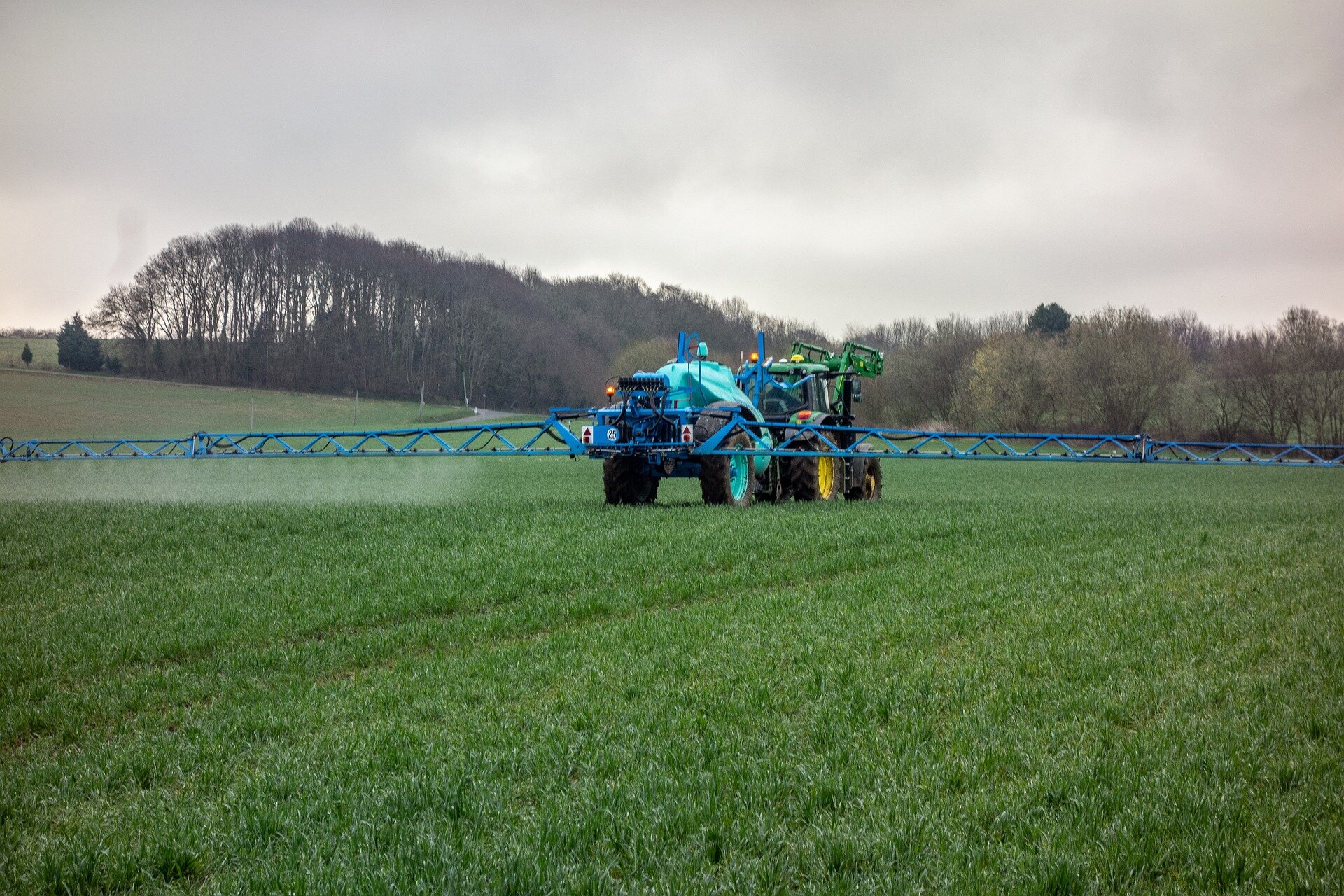
Cornell University researchers found that animal and human waste could meet 102% of nitrogen and 50% of phosphorus needs for agriculture in the U.S. for $5.7 billion annually. There is a frequent mismatch between the location of the waste and the agricultural regions with the highest fertilizer needs. Large percentages of recoverable nutrients can be used locally and more than half can be redistributed to nearby regions with low economic and environmental costs. The research provides a blueprint for harnessing the untapped potential of human and animal waste.

Research published in Nature Water found that widespread application of the common farm fertilizer, urea, severely degrades water quality in the Canadian Prairies. Urea increased growth of microscopic plants (algae) to levels 10 times higher than seen in other damaged ecosystems, such as Lake Winnipeg in Manitoba. The excess algae drained essential oxygen out of the ponds. Nearly half of all Prairie lakes, wetlands and reservoirs may be degraded by decades of urea use.
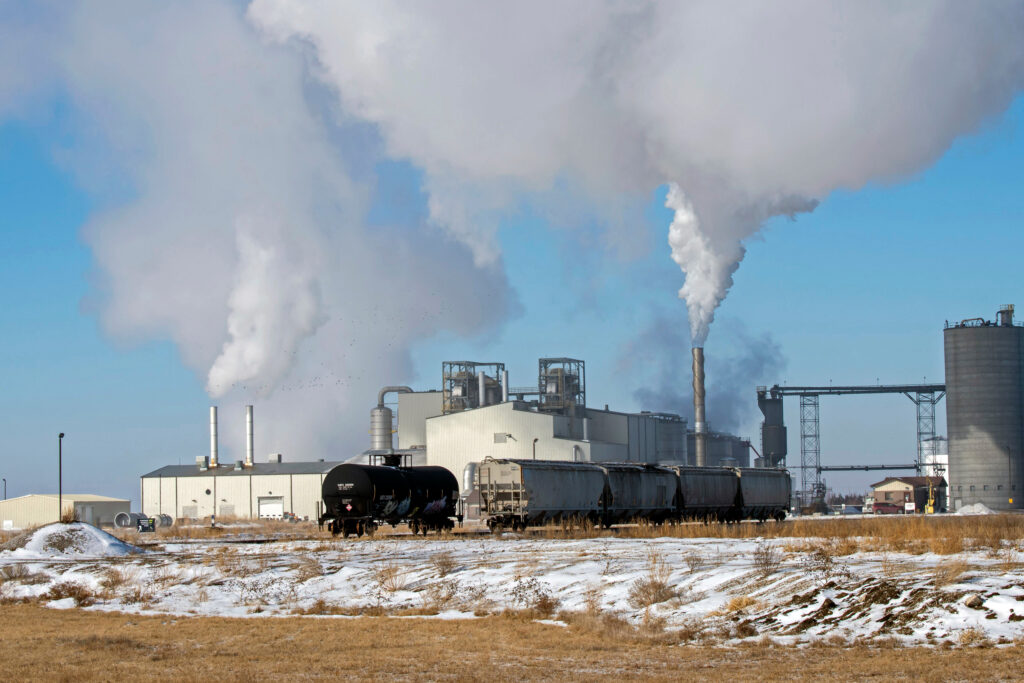
Iowa's governor is expected to sign a bill that shields farmers and ranchers from climate change lawsuits. The Farmers Union president, Aaron Lehman, calls the bill a product of "cynical and short-sighted political forces". Ethanol plants, not farmers, seem to benefit most from the new legislation.

Texas Attorney General Ken Paxton has launched an investigation into Lululemon, a billion-dollar activewear company. He is concerned about the potential presence of polyfluoroalkyl chemicals (PFAS) in its clothing that are linked to various health issues. The company claims that it does not use PFAS in its products since they were "phased out" in 2024.
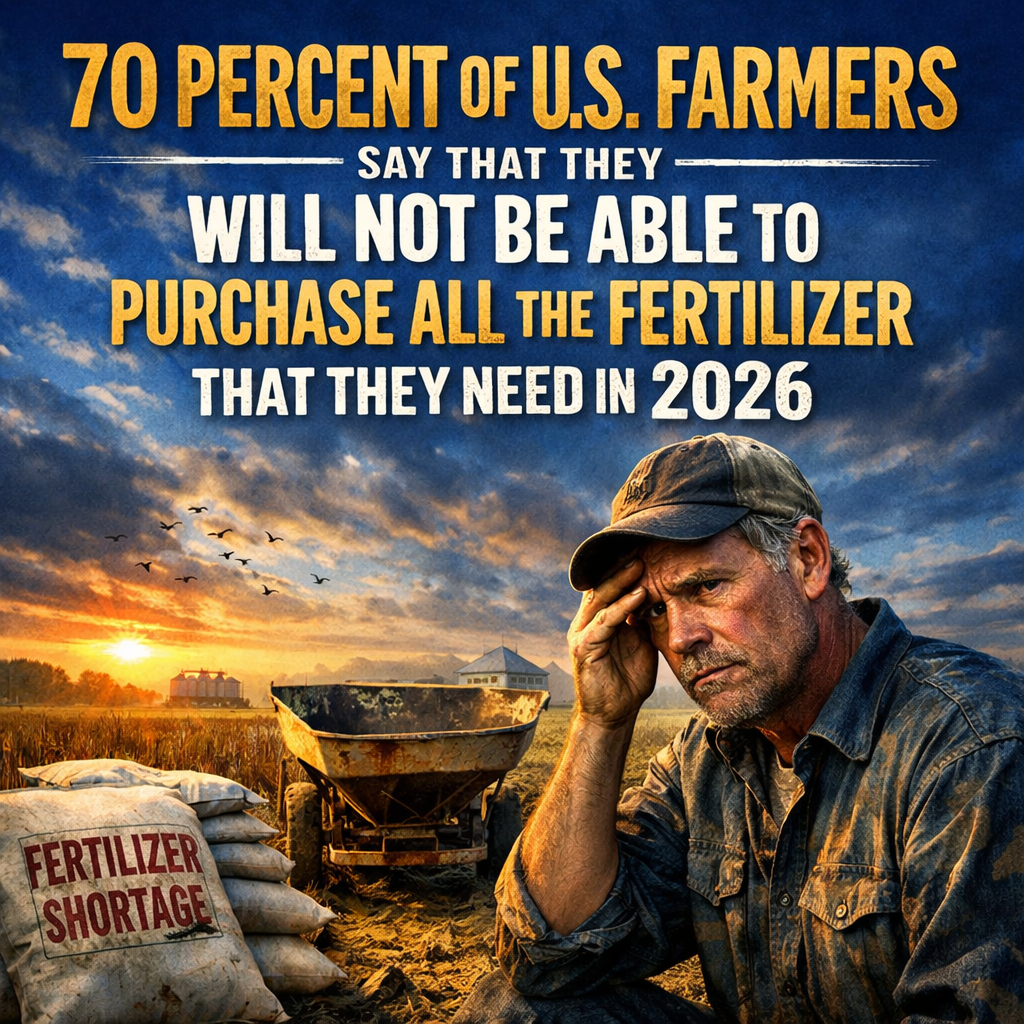
The U.S. blockade of Iranian ports is now fully into effect, cutting off Tehran’s international sea trade that powers about 90% of its economy. 70% of American farmers say they won't be able to buy all the fertilizer they need in 2026 because it's too expensive. The situation in the Strait of Hormuz has made things worse for farmers.

A limited podcast series is about how to feed the planet without destroying the planet. The solution may lie in agroecology, a holistic approach to food, agriculture, nature, and social systems that’s already taking root around the globe. In this limited podcast, hear from farmers, scientists, food movement leaders, and other experts about what agroEcology is, how it works, and why a transition to it is needed.
National Sustainable Agriculture Coalition, National Farmers Union, American Farmland Trust, and National Association of State Departments of Agriculture led an agricultural coalition letter urging Congress to include funding for local and regional procurement of domestically produced agricultural products in any upcoming farmer economic relief package. Family farmers and ranchers continue to face severe economic pressure driven by market volatility, rising costs, trade disruptions, and extreme weather.

Hurricane Helene flooded southern Appalachia in 2024. Will Runion's 736-acre cattle and hay farm in northeast Tennessee was badly affected by the flooding. Helene caused an estimated $4.9 billion in damage to the agriculture sector in North Carolina and $1.3 billion in losses to farmers in Tennessee.
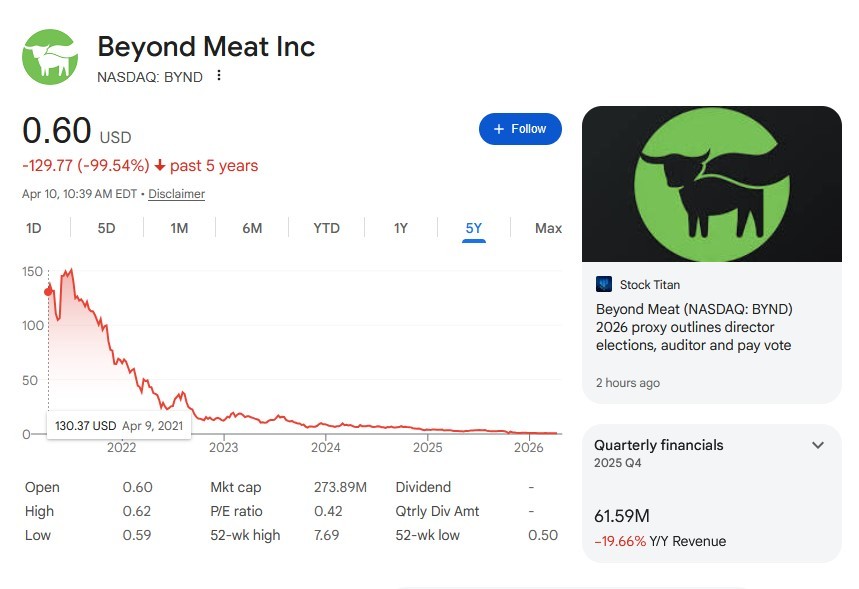
Beyond Meat has been in financial trouble since at least 2022. It has $1.2 billion of accumulated losses on its balance sheet. According to USDA, the per capita availability of red meat has increased by 10 pounds since 2014 and is now 105 pounds per capita per year.