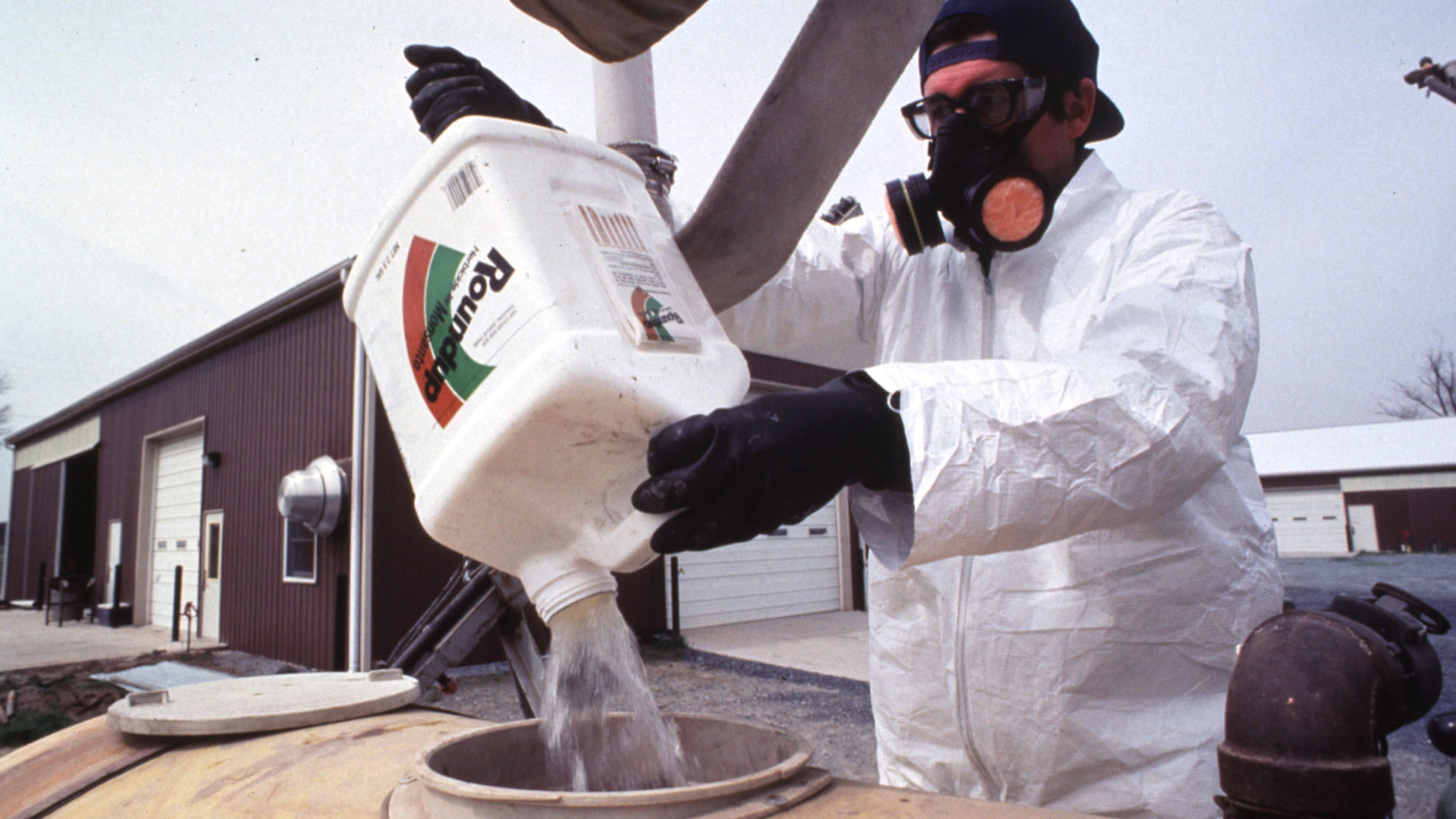
In 2000, three researchers published a paper that concluded that Roundup, a formulation of the herbicide glyphosate, does not pose a health risk to humans. In 2017, a lawsuit claiming that glyphosate causes cancer surfaced documents suggesting that Monsanto scientists had helped with the paper. Last fall, the co-editor-in-chief of the journal retracted the 2000 paper, citing methodological concerns and concerns about ghostwriting and the financial independence of the authors. Christopher Borgert organized a group of more than 60 toxic chemical and environmental health researchers to push back on the recent retraction.

HiPP has issued a product recall in Austria after authorities reported the presence of rat poison in one of the company's jars. HiPP has pulled all baby food sold at stores operating under the SPAR umbrella in Austria, including outlets of EUROSPAR, INTERSPAR and Maximarkt. The company says the recall is related to a criminal act currently under investigation by the authorities.
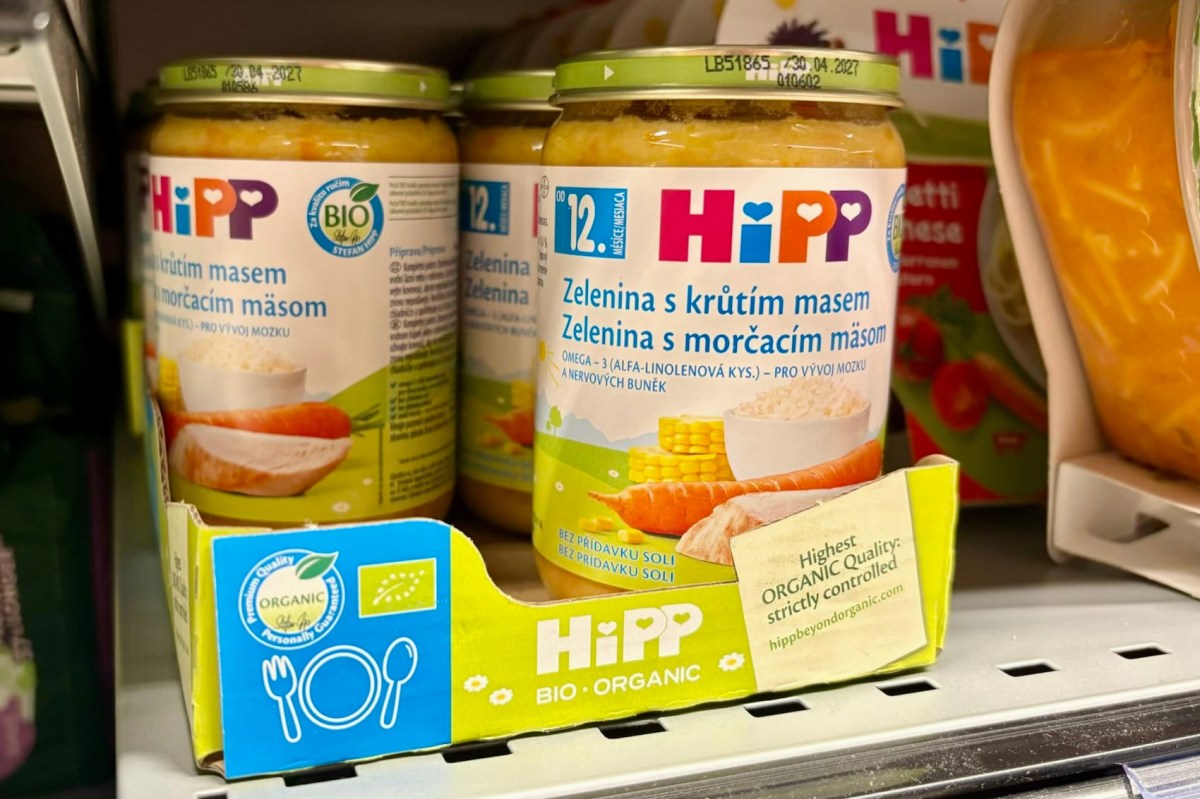
HiPP is recalling all jars of baby food products sold through SPAR supermarkets in Austria as a precautionary measure after rat poison was found in several jars of the product. Retailers in Slovakia and the Czech Republic have also removed jars from store shelves. The company is treating the incident as a criminal act.

Austria's health minister tells parents to use utmost caution when feeding young children HiPP baby food. The company recalled some of its baby food jars because samples tested positive for rat poison in Austria, Slovakia and the Czech Republic. The first sample tested positive on Saturday and a second one may have been sold at a Spar supermarket in the eastern town of Eisenstadt.

There are two legislative proposals advancing in the EU that could change the way Europe farms, cooks, and eats. Slow Food is concerned about the impact of the proposed deregulation of new genetically modified organisms (NGTs) and the reform of the Plant Reproductive Material (PRM) Regulation on seeds. At stake are farmers' autonomy, Europe's food cultures and citizens' right to know what is in their food.
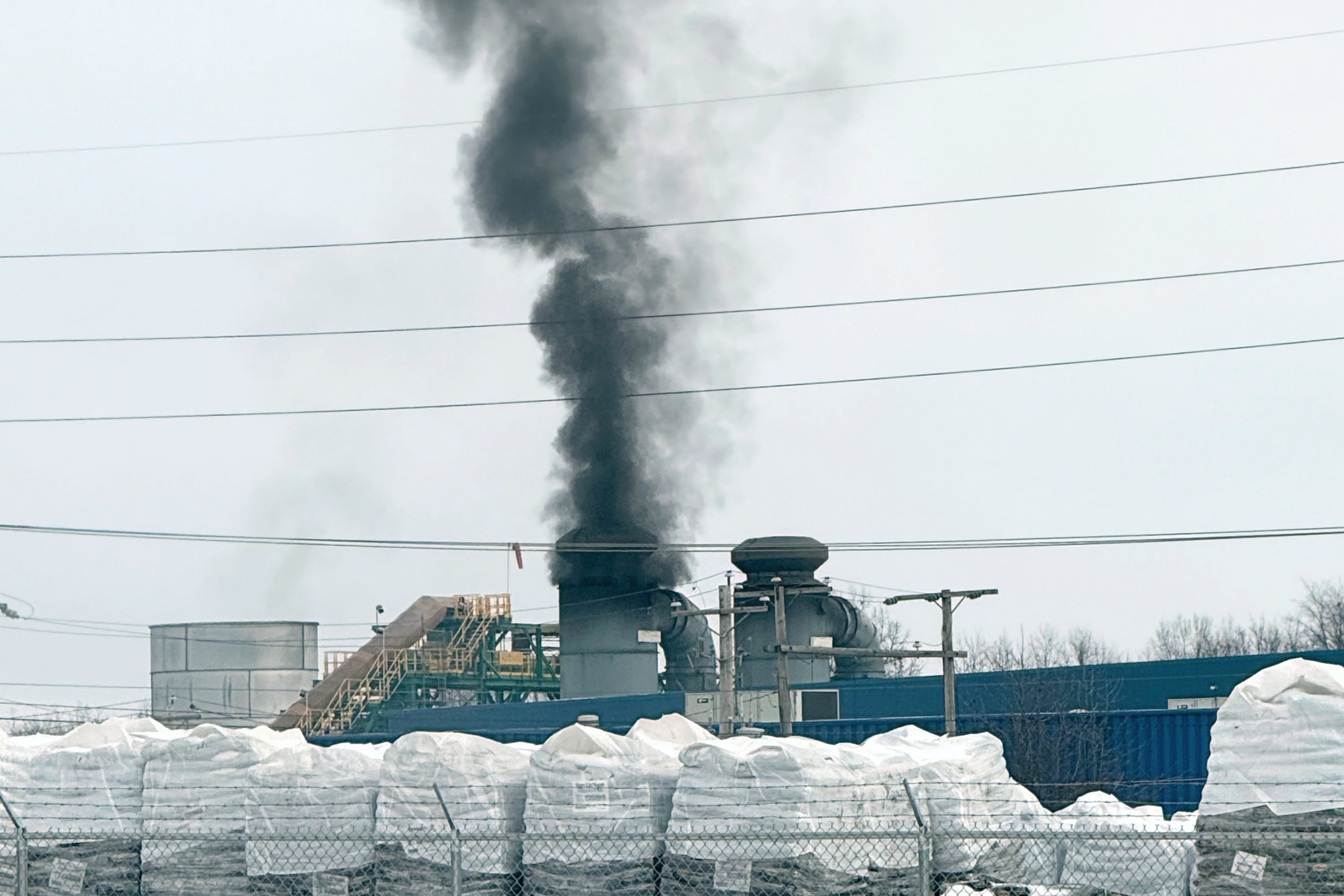
Freepoint Eco-Systems has a plastic waste processing plant near Hebron, Ohio, which has been accused of environmental violations. The company is planning a similar plant in Eloy, Arizona, 60 miles south of Phoenix on Interstate 10. Environmentalists are concerned about the safety of their community.
By the end of September 2025, the USDA and FDA had recorded 445 recalls, the highest total since 2020. Nearly all U.S. adults are concerned about the frequency of food recalls. The further products move from distribution centers, the harder it is to track with precision. The FDA’s Food Safety Modernization Act Rule 204, or FSMA 204, establishes new requirements for tracing high-risk foods. GS1 US is the organization behind supply chain standards.

Eight weeks of conflict in the Middle East have created a fertiliser crisis that threatens to reshape agricultural economics from Brazil to Southeast Asia. Around 24% of the global bulk fertiliser supply is now effectively shut in behind the Strait of Hormuz due to the conflict. The situation will be discussed at Agri-Commodities conference in Geneva next week.

There is a community in one of the one-of-the-three-suburbs. The Malawi government has Malawi’s and Rumphi has the two districts of Karonga and the northern region. There is also a town, a community, a town and a town.

There is a growing threat of a large-scale oil spill in Arctic waters. Few techniques exist to clean up oil from Arctic waters, despite millions of dollars of investment into research. At least 100 shadow fleet ships travelled along Russia’s northern sea route last year.