
During the Iraq War, Chinese strategists seemed almost gleeful at the spectacle of the U.S. mired in the desert. This time, officials, thinktank scholars and business leaders are bewildered by America’s chaotic policy, worried about it and uncertain about what President Donald Trump might do next. China's strategy is to use this crisis to build its economic strength and global influence.

Taiwanese business leaders urged the government to consider Beijing's new plan for boosting cross-strait exchanges. The ruling party accused industry groups of helping mainland China "use business to pressure politics". Hsu Shu-po, chairman of the Taipei-based General Chamber of Commerce, said there was no pressure from Beijing.

U.S. has been irresponsible and erratic on the world stage. China is the world's fastest-growing superpower. China's strategy is to use this crisis to build its economic strength and global influence. China wants to turn the renminbi into a global reserve currency.
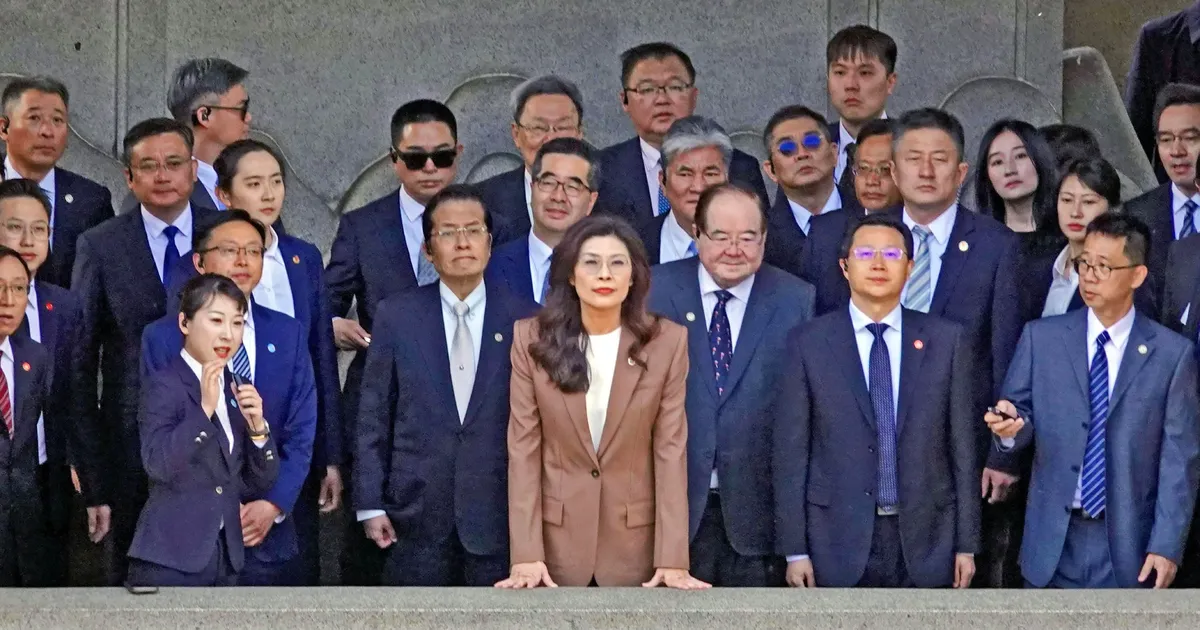
Xi Jinping has established a personalized dictatorship since 2012. Xi is not a purely rational actor, but a neo-Stalinist. Xi has repeatedly demonstrated that he is willing to take enormous risks for his ideological goals. This makes the threat of an invasion incalculable but real.
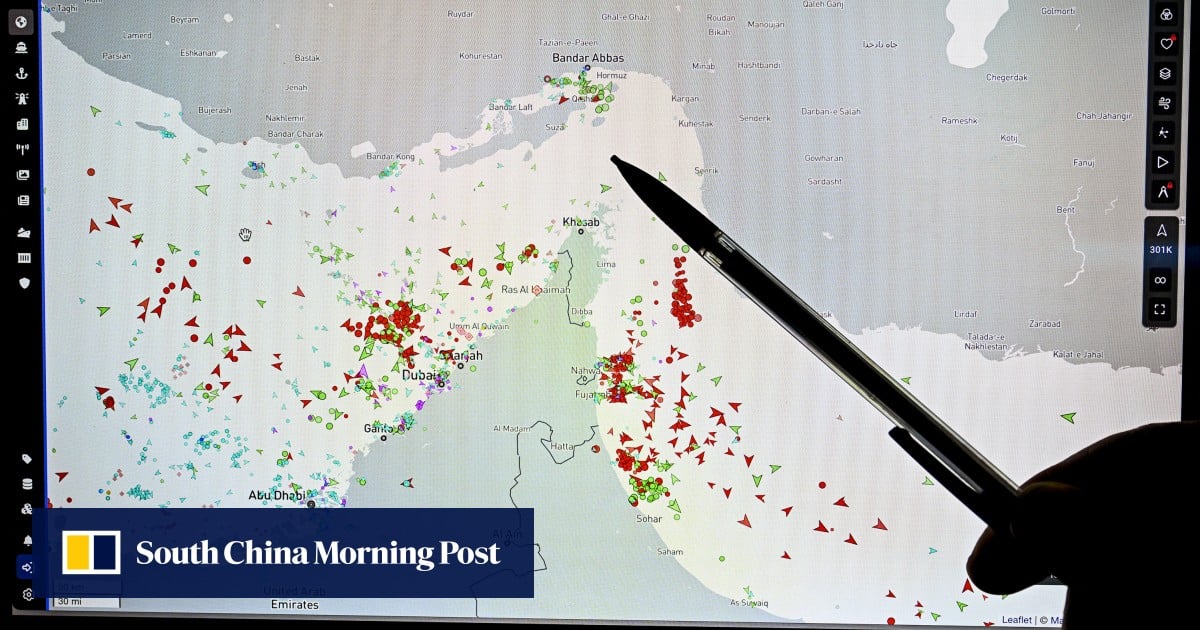
Zheng Shanjie, head of the National Development and Reform Commission (NDRC), warned external risks were mounting and China had to reinforce its strategic reserves and response capabilities. Geopolitical conflicts were becoming more frequent and easier to ignite, hegemonic ambitions and power politics were on the rise. Disruptions to shipping via the Strait of Hormuz exposed how fragile global industrial and supply chains are. China has largely contained the fallout from the Iran war and the disruption in the strait.

Stratechery Plus is a subscription service. It costs $15 per month or $150 per year. It offers the subscriber-only Stratechery Update, Stratecher Interviews, Sharp Tech, Sharp China, Dithering, Greatest of All Talk, and Asianometry podcasts.
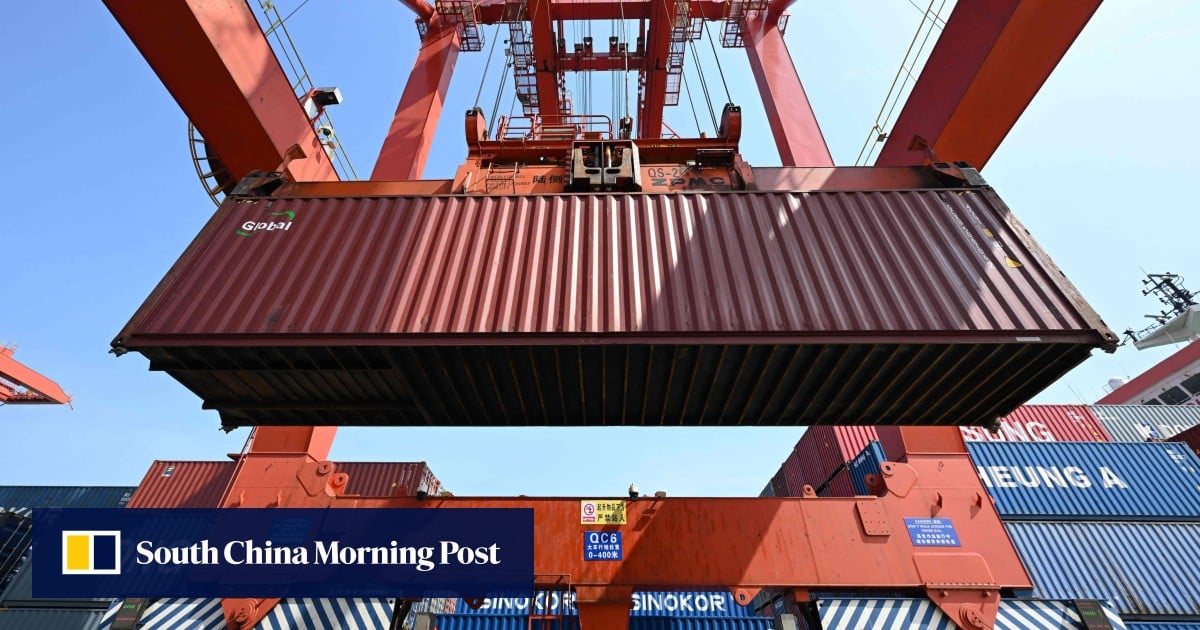
IMF projects growth in emerging and developing Asia will reach 4.9% this year, down from 5.5% in 2025. The Asian Development Bank predicts growth in developing Asia and the Pacific to slow to 5.1% in 2026. The World Bank expects East Asia and Pacific regional economic growth to hit 4.2%.

China's State Council announced two new regulations this month aimed at countering the effects of U.S. export controls on certain high-tech exports. The new regulations could be part of a Chinese bargaining strategy before President Donald Trump visits Beijing in mid-May for a summit with Chinese President Xi Jinping.

The US-Israeli war on Iran has unleashed sharp swings across global energy and financial markets. Hong Kong is emerging as a potential beneficiary across gold, property and capital markets. In this three-part series, we look at Hong Kong’s position as a stable ground despite the global turmoil.
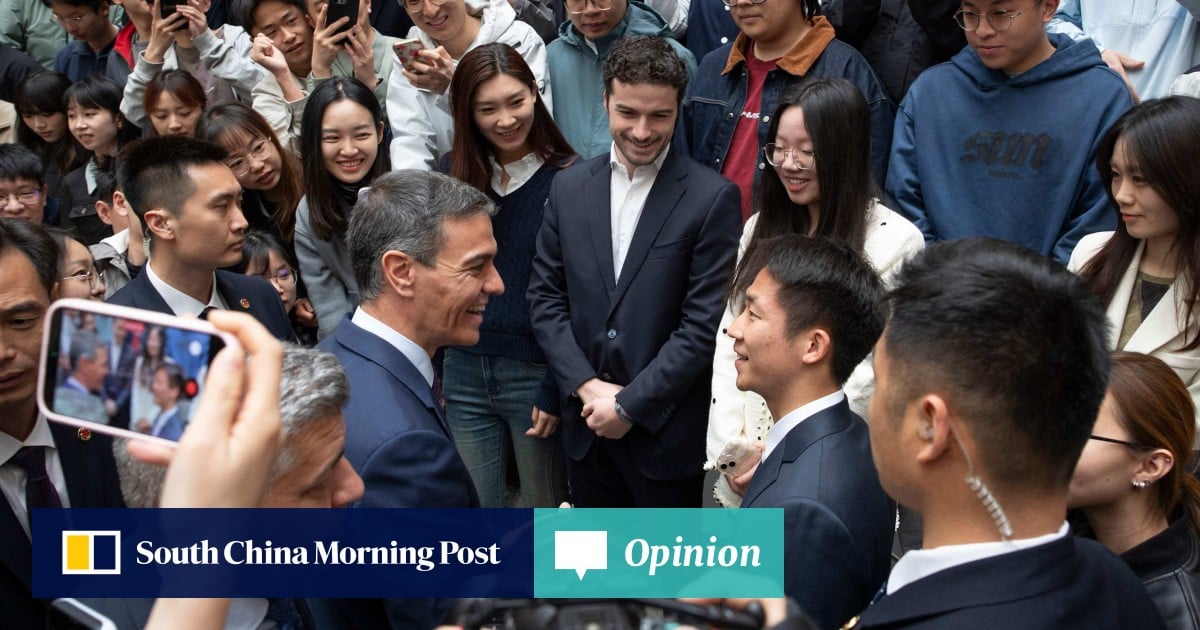
Spain and China agreed to establish an annual strategic dialogue. Ten agreements were signed, including some aimed at opening the Chinese market to Spanish agri-food products. Spain’s exports to China grew by 6.25% between 2023 and 2025, while EU exports declined by 10.7%. Spain's trade deficit with China reached €42 billion ($49.3 billion).