
Life Kit is NPR's podcast with tools to help you deal with climate change. Matthew Schneider-Mayerson, an assistant professor of environmental studies at Yale-NUS College in Singapore, is working on a book about climate change and reproductive choices. Mary DeMocker, an activist and artist in Eugene, Ore., is the author of The Parents' Guide To Climate Revolution.

A new report led by Conservation International and IUCN warns that over 40% of more than 8,500 soil‑dependent species are at risk of extinction or Data‑Deficient on The IUCn Red List of Threatened Species. Soil is central to human survival, as it sustains many essential parts of human life.

Grasslands, wetlands and other nonforest ecosystems are being converted to agricultural land far faster than forests. Most existing policy and sustainability commitments from companies focus exclusively on forests. The EU's deforestation-free regulation is meant to prevent agricultural commodities from entering the EU market if they're linked to deforestation.

The first Earth Day succeeded because of a decade of preparatory work. In 1970, 1 in 10 Americans took to the streets for the Earth Day. Congress enacted the Clean Air Act, the Clean Water Act and the Endangered Species Act within a few years. The Trump administration is engaged in the most aggressive rollback of environmental protections in the nation’s history.

This week, the Goldman Environmental Prize honours six grassroots activists, all women, for the first time in its 37-year history. They secured real victories for their communities and ecosystems, from landmark climate rulings in South Korea and the United Kingdom to stopping extractive projects in Colombia and the US. Activists everywhere who make caring for the planet their life’s work face real costs. Global Witness documented the killing or disappearance of at least 2,253 environmental defenders between 2012 and 2024.
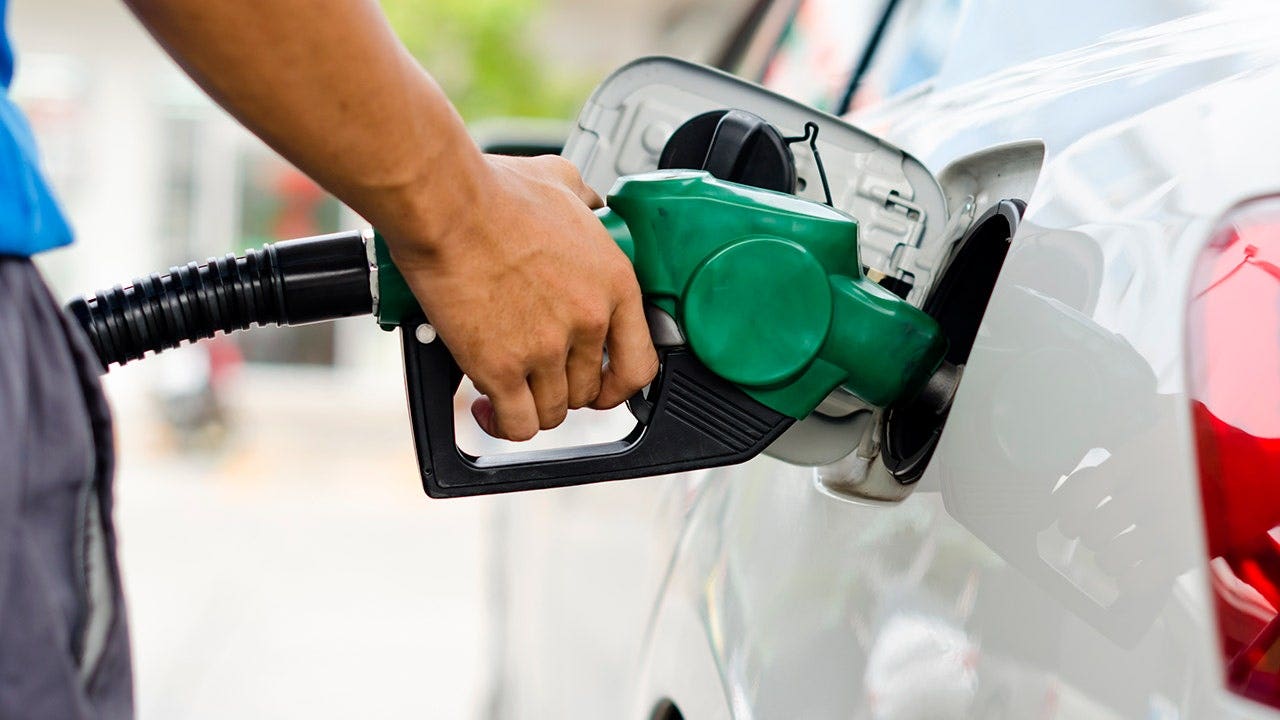
There is a global energy crisis, but the environmental movement is silent in the lead-up to Earth Day. California Governor Gavin Newsom wants to increase oil production. The Big Three automakers in Michigan lost a combined $52 billion dollars on electric vehicles in 2024. Cuba is in a humanitarian crisis. Cuba relies on oil and gas for more than 90% of its electricity, compared to just 2% from renewables.

In the May/June issue of MIT Technology Review, the editor-in-chief asks questions about nature in an unnatural world. He points out that human industry and technology degrade the environment and that humans have changed the world as well. He asks if it's right to use technology to try to make the world more natural.