
Iranian seizure of ships by Iran is causing global jitters. International Energy Agency calls it the biggest-ever energy disruption in history. Emmanuel Macron inaugurated a large lithium mine in the Allier region. Europe's energy security rests on Russian oil flowing to eastern members through the Druzhba pipeline and China's dominance of the battery and electric vehicle markets.

Iran's workers face waves of layoffs as war batters domestic economy. US senators grill Donald Trump's nominee for Federal Reserve chair. The global condom industry takes a blow from supply chain issues tied to the closure of the Strait of Hormuz. Business Daily is broadcast every day at 5:45.

The Egyptian government has launched a media campaign urging people to stay at home and reduce energy consumption due to the war with Iran. The government has raised fuel and gas prices by 14 and 30 percent since the outbreak of the war on Iran on 28 February. The price increases extended to public transport buses, rising by 8 to 14 percent, while minibus and taxi fares increased by 15 to 20 percent. Egypt has not been directly affected by the US-Israeli-Iranian war, while its Gulf allies have been targeted by Iranian missile and drone attacks.
Banks' direct exposures and losses from the Iran conflict have been limited, but the longer the war goes on, the greater the risk of recession and broader financial losses. Consumer sentiment fell to the lowest level ever in April, but unemployment is low and household spending continues to be robust.

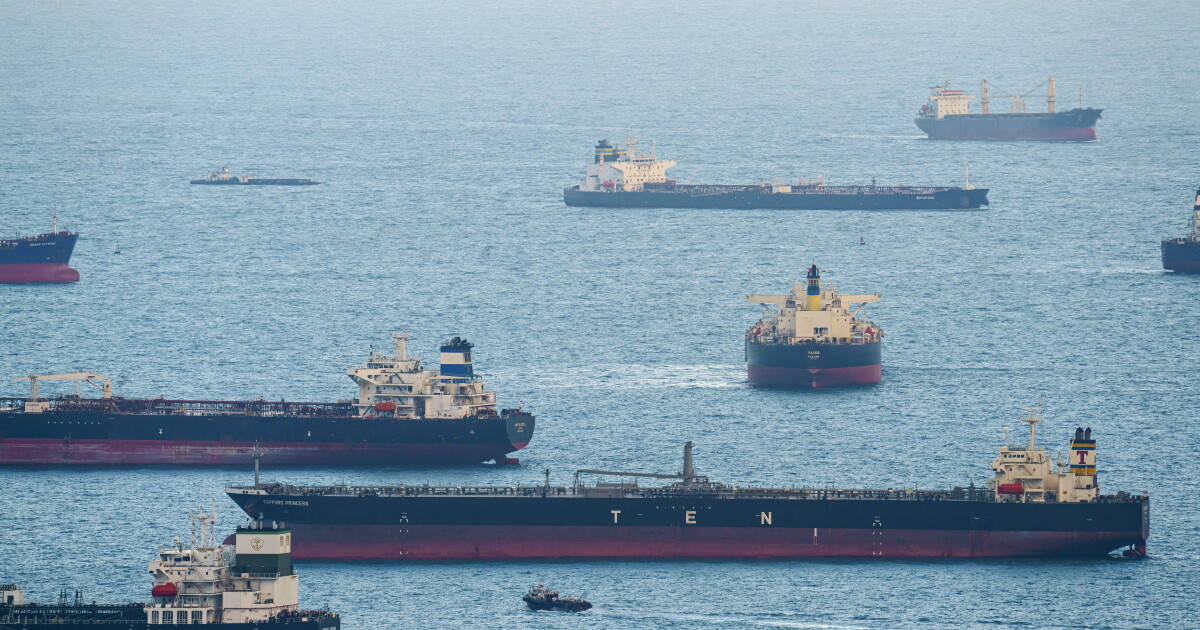
Staff Corporal Anicet Girardin of the 132nd K-9 Infantry Regiment in Suippes died this morning. He was one of three French soldiers who were wounded in an attack last week against peacekeepers in Lebanon. Another soldier was killed in the attack carried out by Iran-backed Hezbollah. At least three container ships were hit by gunfire in the Strait of Hormuz on Wednesday. Iran's Revolutionary Guards Navy seized two vessels for maritime violations and transferred them to Iranian shores. Germany's economy ministry cut its growth forecasts for 2026 and 2027 and raised its inflation projections.
Iran fired on 3 ships in the Strait of Hormuz and seized two of them on Wednesday. The standoff over Iran's closure of the strait and the U.S. blockade raises doubts about when or if talks will resume to end the crisis. European Union energy commissioner warns of lasting impact for consumers and business. Pope Leo pleads for justice and equality during his last stop in Equatorial Guinea. A French peacekeeper wounded in an attack in Lebanon over the weekend has died.

The US and Israel's war on Iran has a serious environmental impact. At least five million tonnes of CO2 were emitted by oil fires and jet engines in the first two weeks of the conflict. Oil refineries set ablaze, missiles hitting pesticide factories, an oil slick in the Strait of Hormuz and damage at liquefied natural gas plants have been reported.
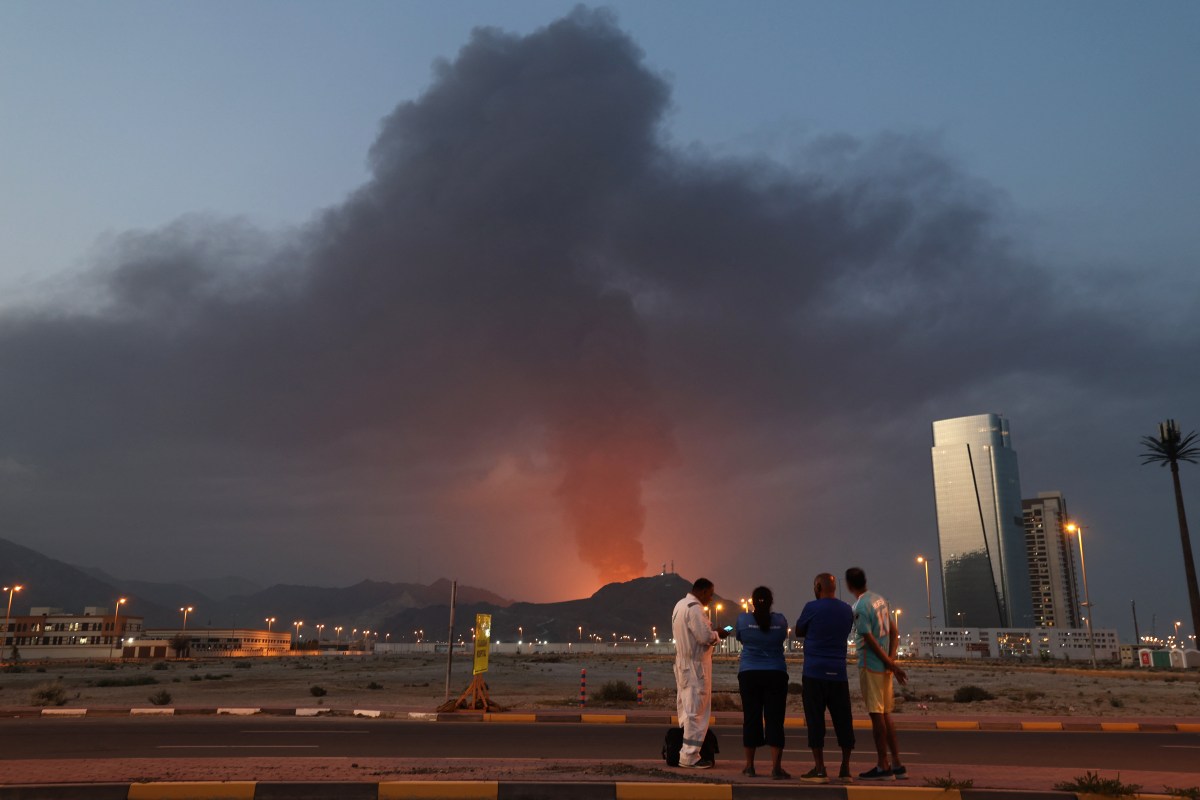
The U.S.-Israeli-led war against Iran has cost the Gulf states $100 billion. QatarEnergy estimates $20 billion in annual losses from the damage to Ras Laffan, the world's largest liquefied natural gas facility. Dubai's stock market shed 16 percent. Desalination plants in Kuwait, which supply 99 percent of the country’s drinking water, were struck repeatedly. An 11-year-old girl in Kuwait was killed by shrapnel. A woman in Bahrain died when a missile hit her apartment building.

State media and Iran’s military and security leadership say they are prepared for a resumption in the war with the United States and Israel. Authorities organised more displays of defiance on Tuesday night and into Wednesday with military parades on Tehran's streets. The two-week ceasefire was extended for an unspecified period of time after negotiators failed to arrive in Pakistan.