
The Make America Healthy Again (MAHA) movement is upset with the Trump administration's support for a pesticide-maker in a cancer-causing herbicide case. The Supreme Court is hearing arguments in the case involving the glyphosate-based herbicide, Roundup. The World Health Organization concluded that the weedkiller is probably carcinogenic, but the Environmental Protection Agency did not agree with that finding.
Bayer and its allies in the Trump Administration got their day in court in Monsanto v. Durnell, a man who used Roundup for more than 20 years and was diagnosed with non-Hodgkins lymphoma in 2018, sued Monsanto and received $1.25 million in damages from a Missouri jury on the grounds that Monsanto had failed to warn him against the dangers of Roundup. President Trump issued an executive order invoking the Defense Production Act to mandate the ongoing production of glyphosate and to provide immunity to Bayer and other glyphosate producers.
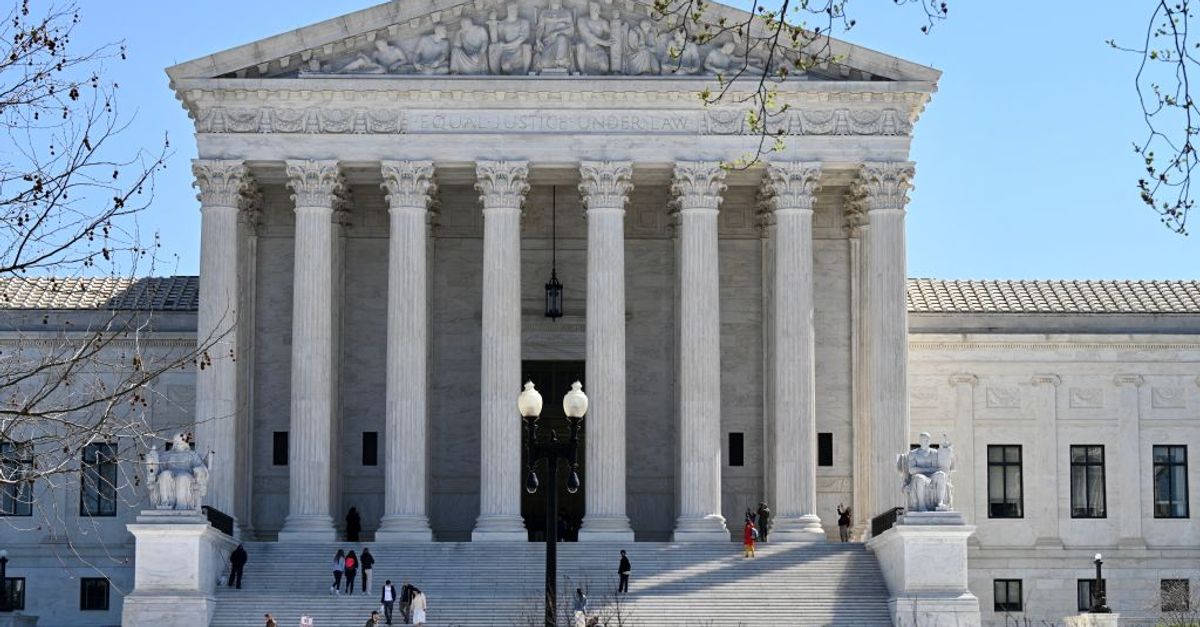
The Supreme Court heard oral argument in Monsanto Company v. Durnell. The dispute centers on Monsanto’s popular line of Roundup herbicide products, whose main active ingredient is glyphosate. The Environmental Protection Agency has repeatedly concluded that glyphosate does not pose a public health risk. However, the EPA's research has not dispelled claims that glyphosate exposure heightens cancer risk. In 2015, a working group of the International Agency for Research on Cancer broke with the EPA and classified glyphosate as “probably carcinogenic to humans” Its report paved the way for more than 100,000 lawsuits against Monsanto.
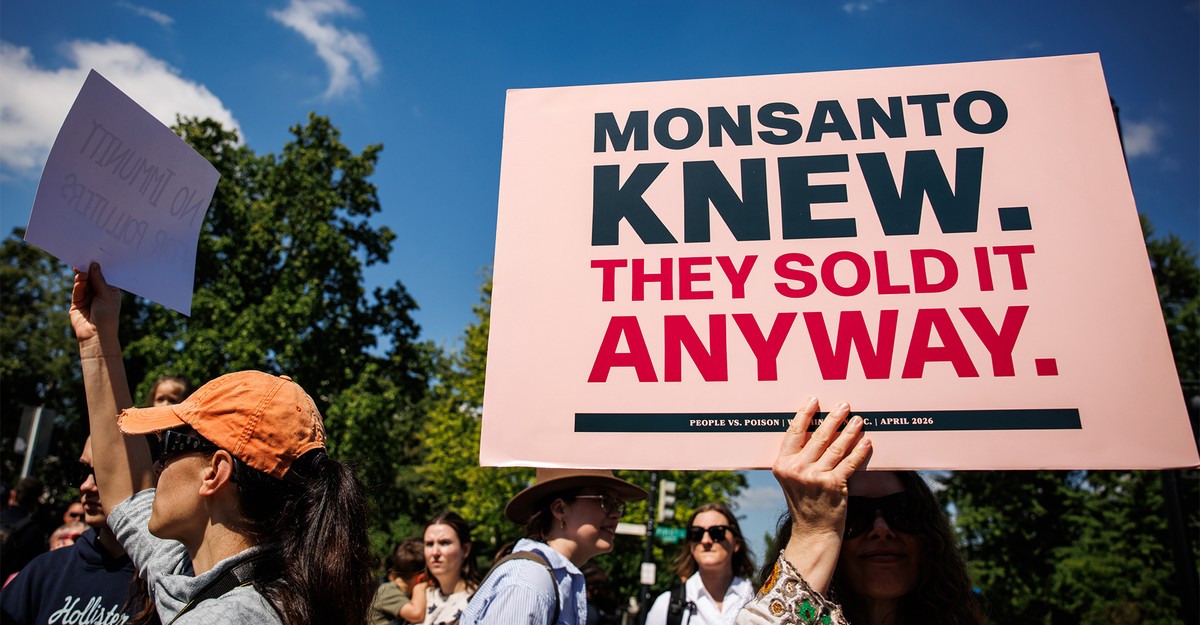
This morning, a crowd gathered near the Supreme Court to protest the weed-killer Roundup. The headliners of the rally were Del Bigtree, Alex Clark, Zen Honeycutt and Vani Hari. The rally’s roughly 30 speakers included environmental activists and politicians from both parties. President Trump passed an executive order to boost domestic glyphosate production. The House is expected to vote on the Farm Bill this week.

The Supreme Court of the United States heard oral arguments on Monday in the case Monsanto v. Durnell. The case involves a $1.25 million jury verdict in which a Missouri jury found that Monsanto failed to warn consumers about the potential carcinogenic risks of its Roundup weed killer. Bayer has been embroiled in a massive legal battle, defending against more than 100,000 lawsuits from plaintiffs who attribute their non-Hodgkin lymphoma to exposure from Monsanto’s glyphosate-based herbicides.
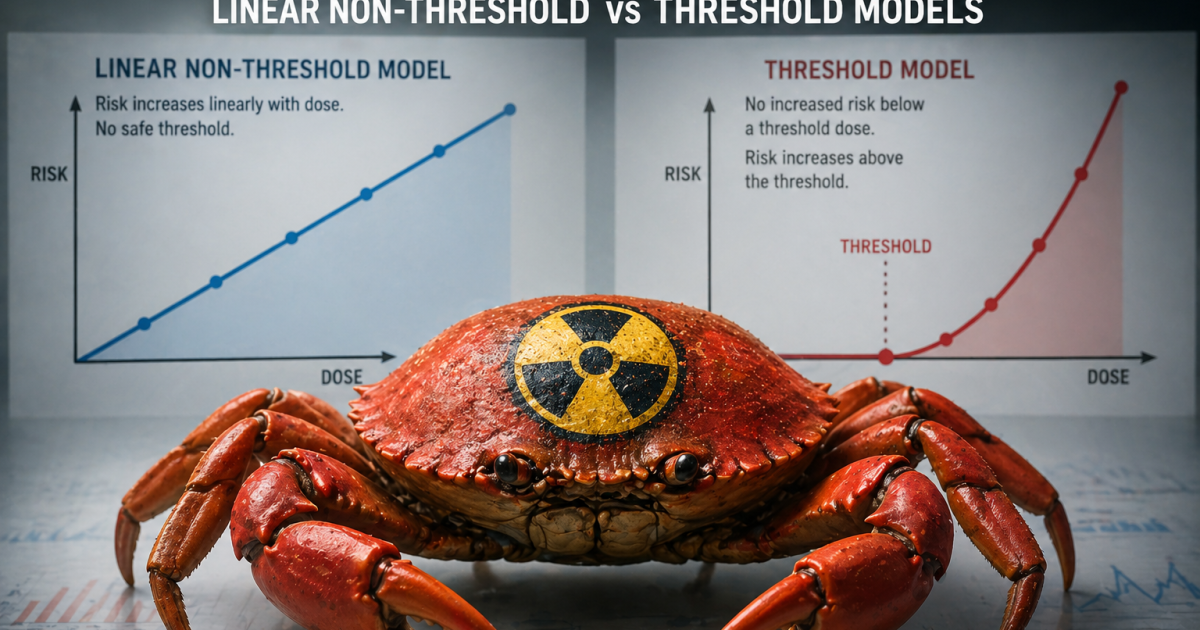
The EPA uses the linear non-threshold model as the basis for cancer risk assessment. This model is based on scientific fraud. The current Administration has emphasized using the "gold-standard science" for policy and regulatory decisions. The EPA has not adopted the LNT model because it would loosen environmental standards.

After ten years of working as a farmer, he feels he's earned the right to say mean things about farming. Unfortunately, his hard-won accomplishment of farmerhood isn't worth the price of an organic heirloom carrot at the farmer’s market.

The USDA is relocating the Economic Research Service to Kansas and the Food Safety and Inspection Service to Urbandale, Iowa. It is also relocating employees to Fort Collins, Colorado and to a Science Center in Georgia. 27,000 people have already left USDA since Trump II, 37% of its staff.
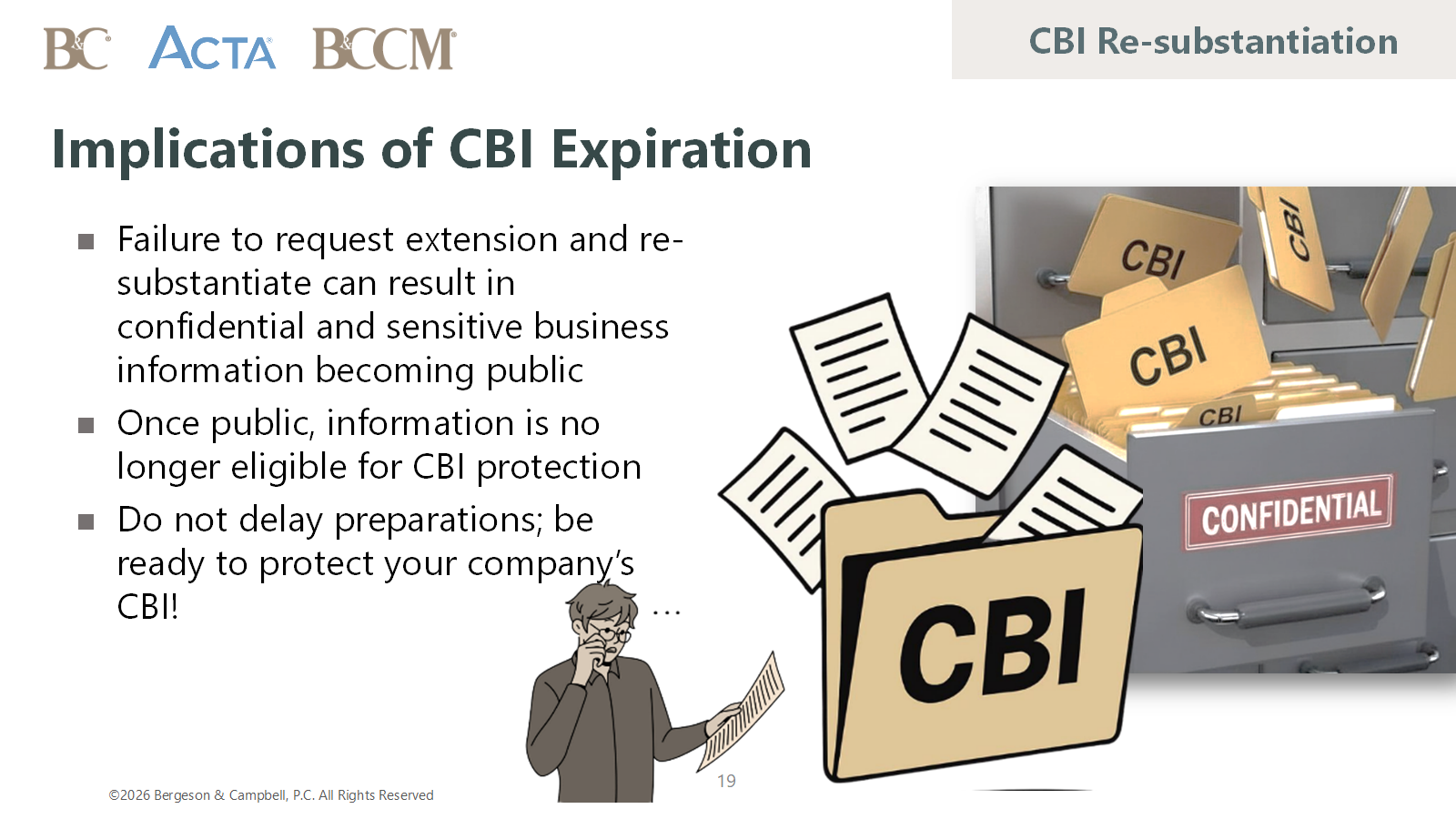
Bergeson & Campbell, P.C.’s (B&C) webinar “TSCA CBI Re-substantiation: When, Why, and How to Prepare” presented April 9, 2026 is now available on-demand on YouTube, Vimeo, and the B&C website. The 2016 Frank R. Lautenberg Chemical Safety for the 21st Century Act amendments included a ten-year cap on many CBI claims, absent a U.S. Environmental Protection Agency-approved extension request.

The EPA proposed a rule that would put microplastics and pharmaceuticals in drinking water on the list of contaminants that merit study, tracking, and possible regulation. The Department of Health and Human Services announced a $144 million ARPA-H program to standardize how microplastic are measured in the human body, study how they may cause harm and explore ways to reduce them.