
Carbon dioxide pollution is making food less nutritious. The food we eat today has less nutritional density than what our grandparents ate. Climate change is projected to diminish the nutritional value of the crop over time, and higher temperatures can lead to higher concentration of arsenic, a toxic heavy metal.
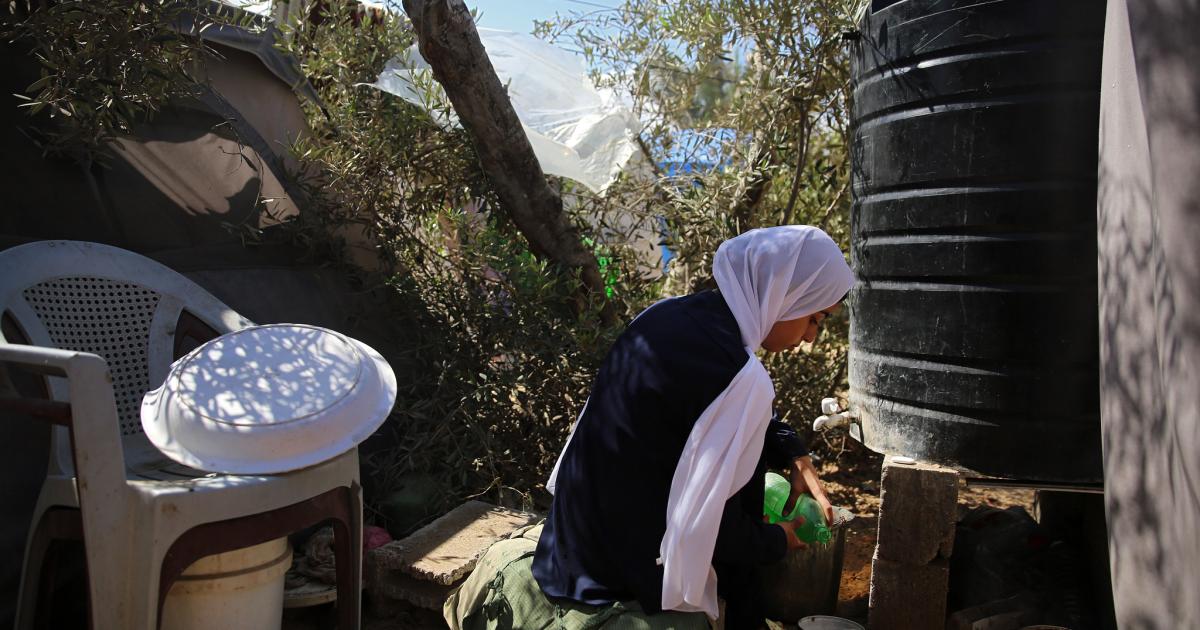
Biodiversity loss, climate shocks and geopolitical conflicts are fracturing the world food system, according to a report by Anglia Ruskin University and Institute and Faculty of Actuaries (IFoA). It comes after a recent British Government report found that biodiversity loss and ecosystem collapse is a realistic possibility.

The sixth IPCC assessment of climate change warned that climate change has already reduced food and water security for millions of people and harmed agricultural productivity in many regions. The impact of heat compounded by drought had led to fisheries declines, crop failures, supply chain disruptions, and labor productivity losses from extreme heat.

There are warning signs about food prices related to the Iran conflict. Food prices are rising even though crops have not yet failed and harvests have not collapsed. Financial markets are no longer reflecting reality but actively reshaping it. Food price spikes can have destabilising political effects.

Ukrainian forces have bombed one of Russia's largest oil refineries in Tuapse, causing oil spills and black rain. It is an environmental disaster in a war that has devastated the environment. Volunteers are mopping up the beaches and cleaning up the oil.
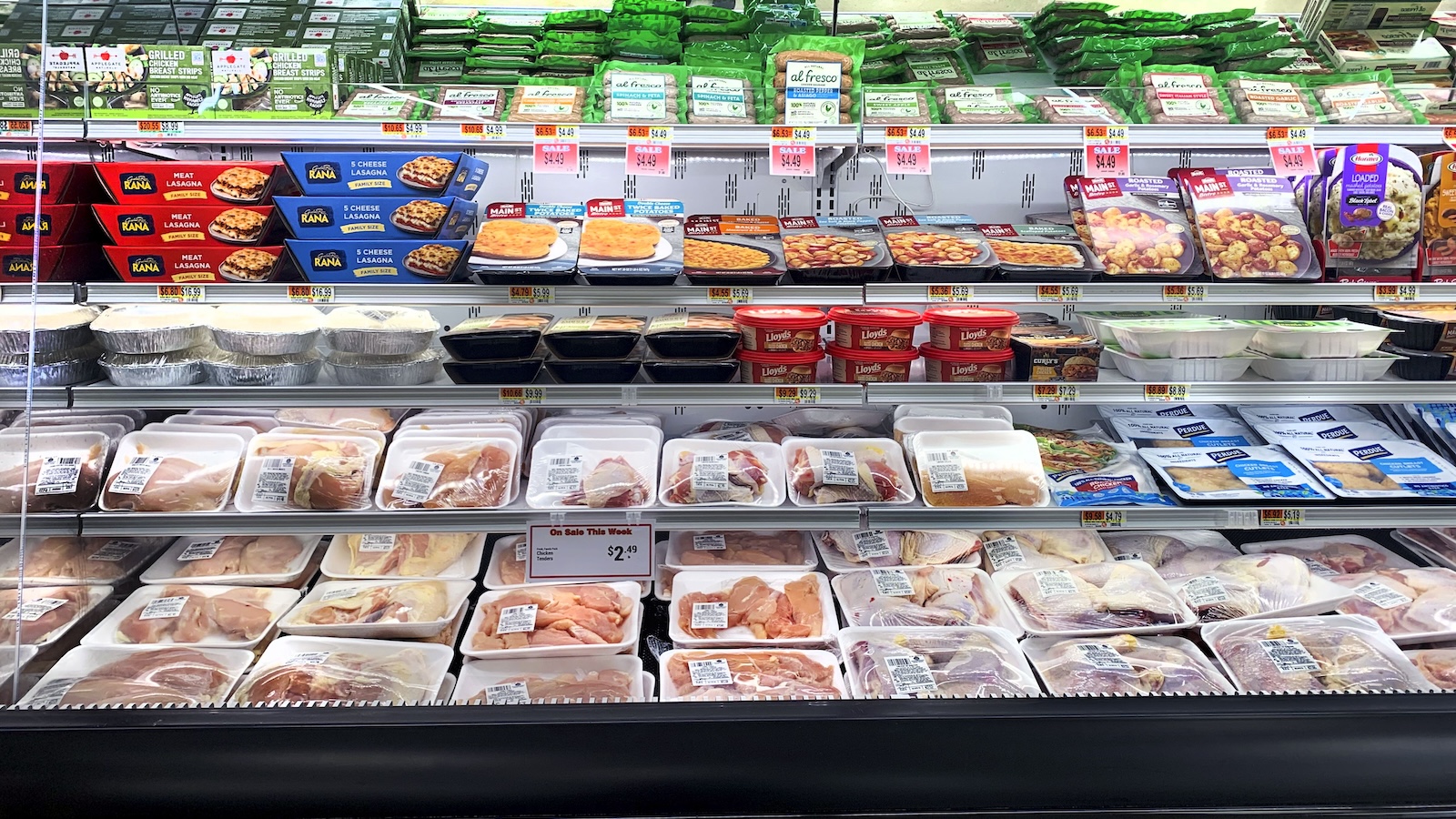
In February, the USDA announced two proposed changes to federal rules governing the rate of production in meat processing plants. One amendment would raise the maximum line speeds in poultry slaughter from 140 birds per minute to 175 for chicken and from 55 to 60 for turkey. For swine slaughter, the agency is proposing there be no cap on line speed at all. If finalized, the changes would lower production costs and create greater stability in the food system.

Labor prosecutors in Brazil filed a lawsuit against meatpacking giant JBS. They accuse the company of buying cattle from farms where workers were held in slavery-like conditions. The suit seeks nearly 119 million reais (about $24 million) in compensation. 53 workers were rescued from properties owned by seven ranchers who supplied JBS between 2014 and 2025.

There is a growing demand for rare earth elements and gold mining in Southeast Asia. The expansion of mining in Laos is contaminating river systems that flow into Vietnam, putting millions of downstream users at risk. There is a need for stronger cross-border cooperation and safeguards. The Ma, Chu and Lam river systems were one of Vietnam’s earliest settlement zones.

Charles Cornish-Dale wrote The Last Men: Liberalism and the Death of Masculinity. It's a book about the decline of masculinity caused by environmental pollutants and the suppression of thymos, or the desire for recognition as a core feature of contemporary liberal democracy.
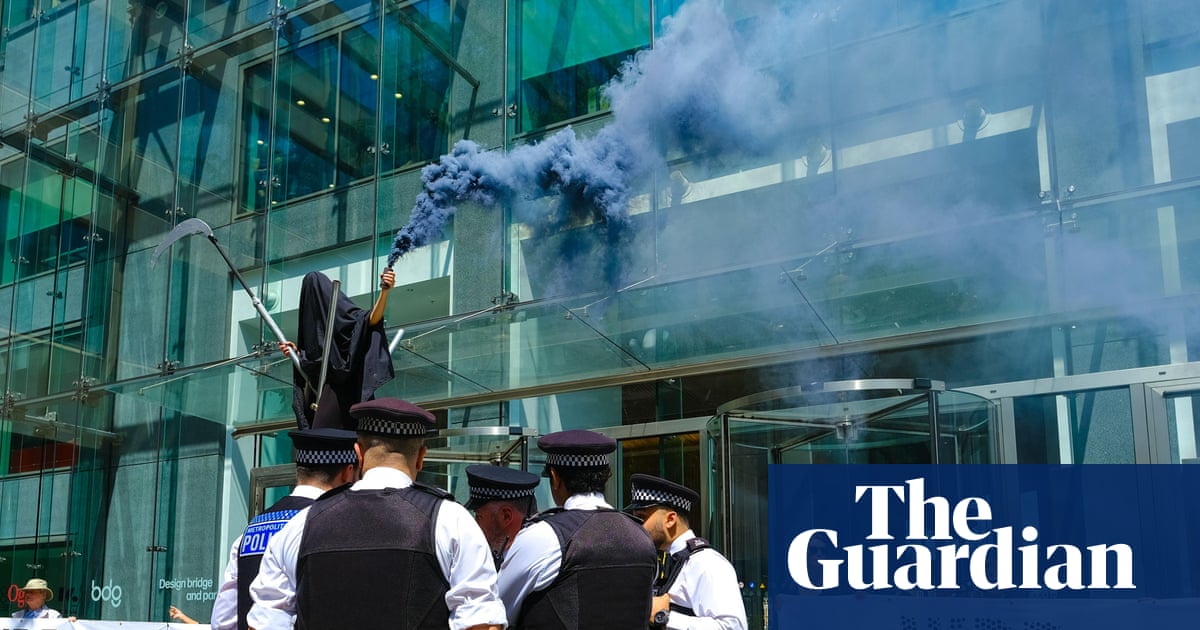
WPP helped the oil companies ExxonMobil, Chevron, Shell and BP spend an estimated $1.5bn (£1.1bn) on adverts in the US since the Paris agreement to tackle the climate crisis. WPP's services were crucial to maintaining the oil industry's public image, according to current and former employees.