
Beijing may pressure foreign-based companies to comply with Chinese laws in ways that enable transnational repression targeting Taiwanese individuals. China Strategic Risks Institute released a report on May 13 warning that companies around the world are facing a growing risk from the CCP’s “extraterritorial legal warfare” against Taiwan.
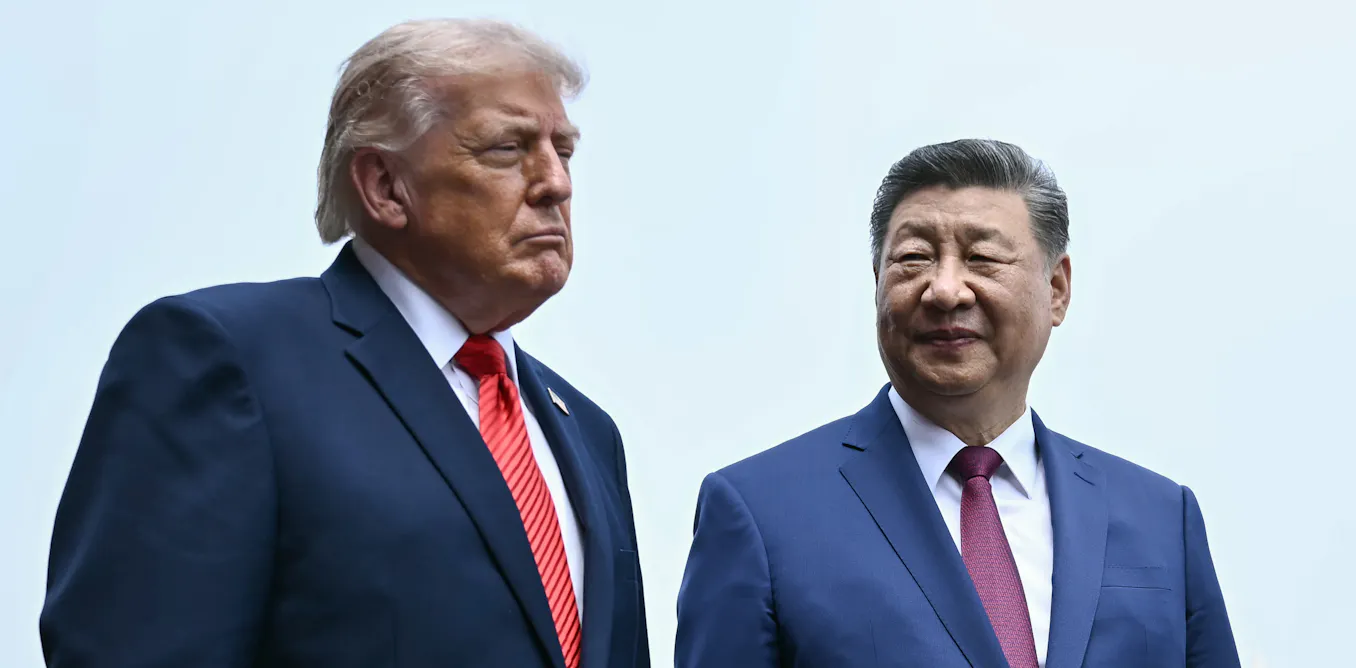
Yan Bennett is an expert in U.S.-China relations and author of "American Policy Discourses on China". She gives her three big takeaways from the Donald Trump-Xi Jinping summit: Taiwan, trade, military modernization and the status quo on Taiwan.
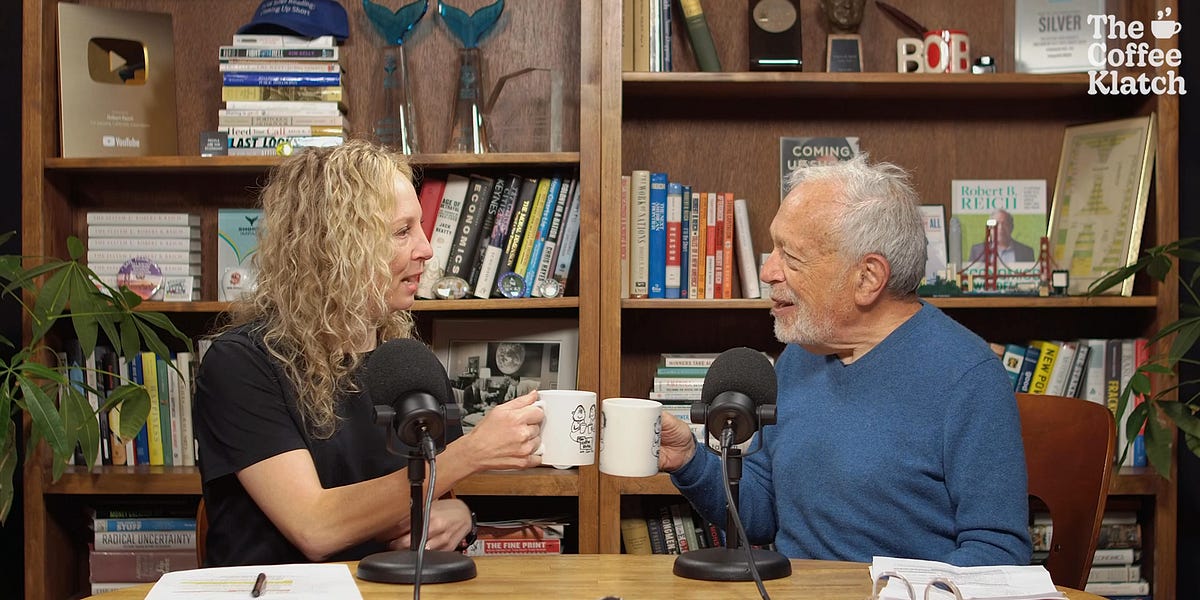
Trump's trip to China was probably to distract attention from his failing war in Iran and his failing economy. The closure of the Strait of Kerb continues to push up gas prices in the U.S. to near record levels. Heather and Heather take a hard look at these three items in the context of the 2026 midterm elections. They also discuss Kevin Warsh’s Fed and the unlikelihood it will cut interest rates any time soon.
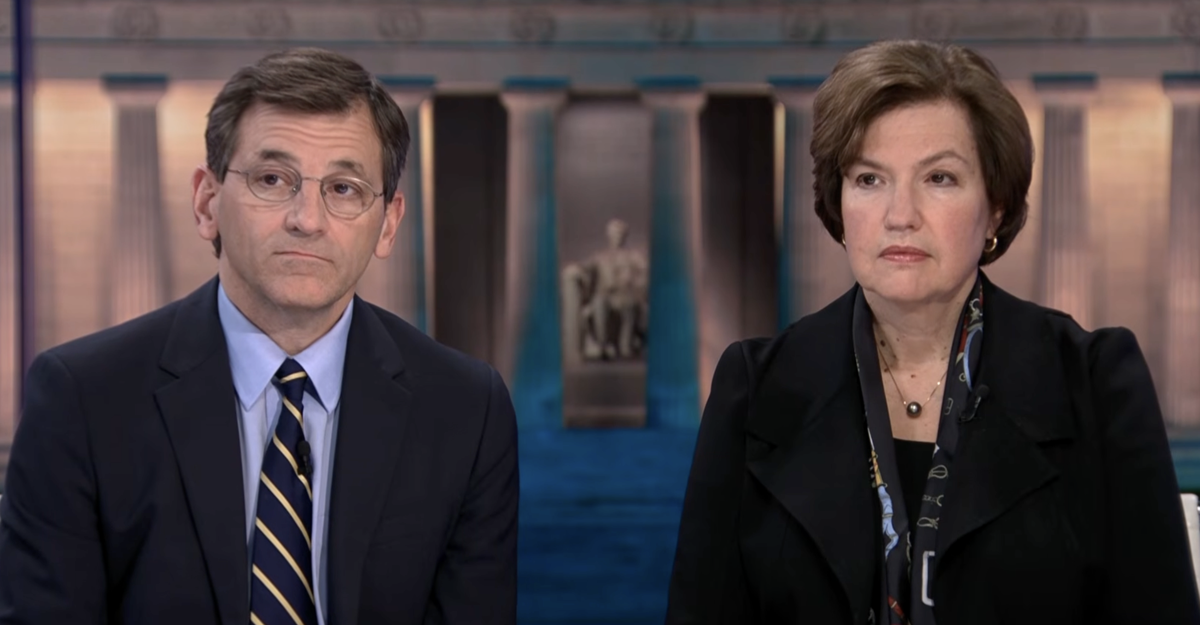
Donald Trump met with Chinese President Xi Jinping for a high-stakes summit in Beijing this week. Panelists on Washington Week With The Atlantic discuss potential takeaways from the visit and more. Peter Baker, the chief White House correspondent at The New York Times, Susan Glasser, a staff writer from The New Yorker, Mark Mazzetti, a Washington correspondent for The Times, and Nancy Youssef, staff writer at The Atlantic join Jeffrey Goldberg.

Taiwanese media are relieved that Donald Trump did not mention Taiwan in his public statements during the Trump-Xi summit. Beijing's position on Taiwan remains hardline. There is a debate within the U.S. over the Trump administration's stance toward Taiwan.
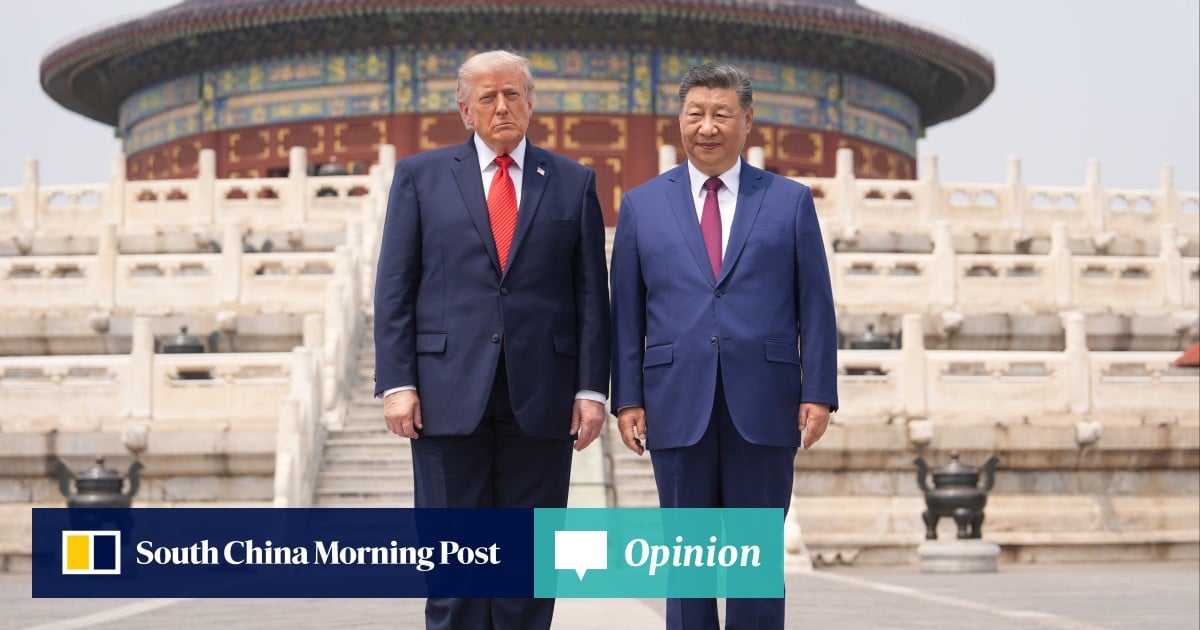
Donald Trump's visit to Beijing this week was historic. It reflects a structural equilibrium slowly emerging between the two superpowers. The US and China have fought trade wars, tech wars, narrative wars, espionage wars, sanction wars and diplomatic wars for the past nine years. Ancient Rome and Persia had their own strategic equilibrium.
President Trump left Beijing after a two-day summit with Chinese President Xi Jinping. The meeting produced more symbolism than confirmed results. Trump said China had agreed to buy 200 Boeing jets with a possible commitment for 750 more planes. He also said China would buy billions of dollars of U.S. soybeans, but China did not confirm these purchases. The presence of Nvidia CEO Jensen Huang and Tesla CEO Elon Musk suggests the AI chips, electric vehicles and advanced manufacturing remain central to the relationship between US and China.