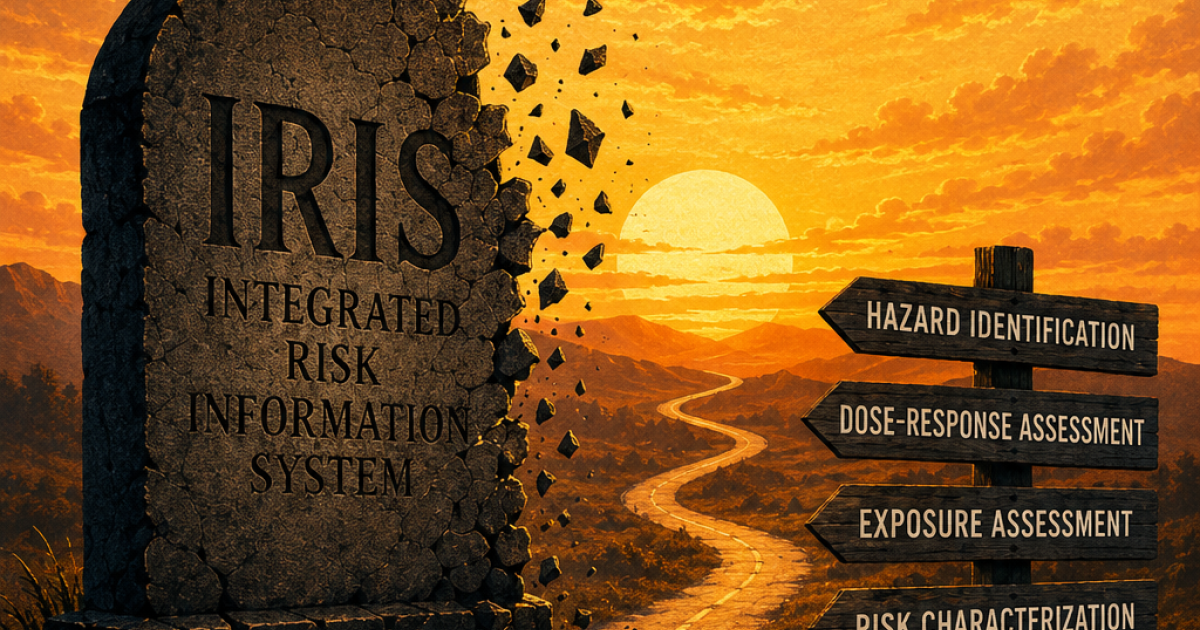
EPA will no longer use the Integrated Risk Information System (IRIS) program to develop chemical risk assessments. Instead, risk assessments will be conducted by the individual EPA regulatory program offices. IRIS was established in 1985 to provide the EPA with consensus positions on the health effects of chemicals found in the environment. Most of the IRIS assessments were completed in the 1980s and 1990s.

The U.S.-Iran war is affecting the global food security. 20% of global LNG exports originate from the Persian Gulf. India’s LNG imports have become strained as the conflict tightens supply, forcing urea production facilities to operate at significantly reduced capacity. The EU is looking at utilizing cow manure to offset the rising cost of fertilizzer.
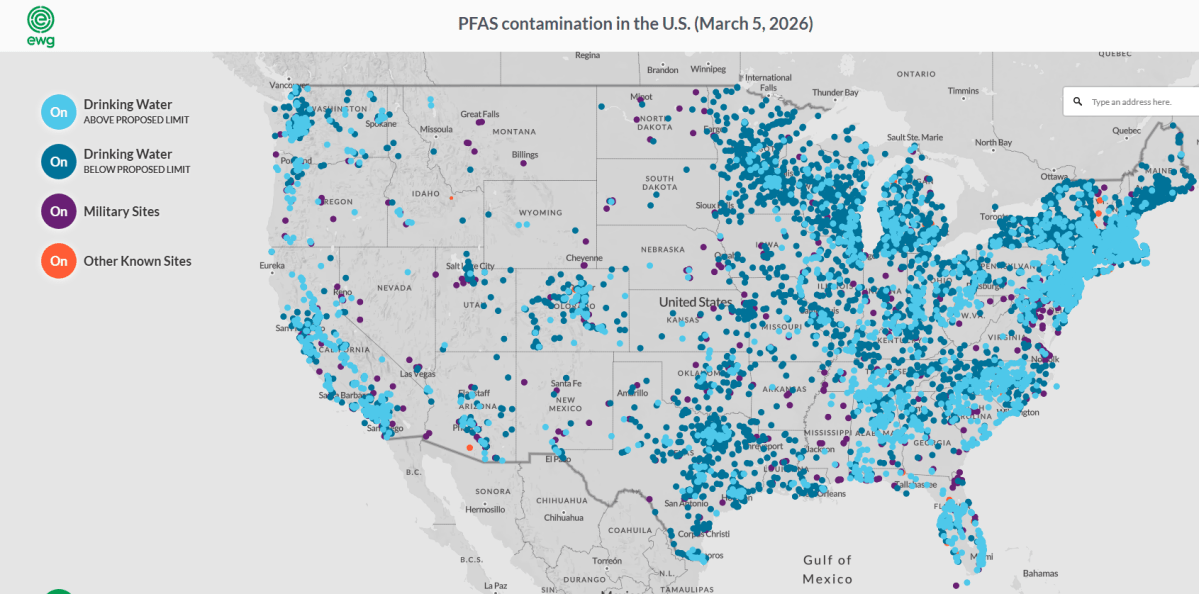
The EPA announced two new proposals to revoke Biden-era regulations on per- and polyfluoroalkyl substances (PFAS) in America's drinking water systems. The first proposal would rescind regulations of four different types of PFAS chemicals. The second proposal would give water systems more time to comply with limits set in 2024 for two types of PFOA and PFOS. Public health experts are concerned about the potential health risks of these chemicals.

Lead is present in the soil of some Canadian urban gardens. It's caused by leaded gasoline emissions, deteriorating lead-based paint and industrial activities like mining. There are many simple and affordable ways to reduce lead exposure and make our gardens safer. Low-income and racialized communities may experience disproportionate exposure to lead.

Philippines has approved the commercialization of a genetically modified (GM) rice with enhanced levels of iron and zinc. It is the world's first such GM rice to gain regulatory approval. The new rice, HIZ039, will undergo another year or two of development to ensure it has traits preferred by farmers and has the grain quality and disease resistance needed to gain approval for cultivation. Greenpeace Philippines and local farmers’ groups won a court order halting cultivation of Malusog rice in 2024.

The taste gap between plant-based and real meat is closing for the first time. People don't buy products just for what they do. People buy things as an extension of their personality. People for Better Food is recruiting influencers to talk about planet-based benefits.
FDA has sent a letter to the infant formula industry warning them to improve the microbiological safety of powdered infant formula. FDA has identified the following areas for improvement across the industry: Controlling water in dry production areas, verifying the effectiveness of controls through environmental monitoring, implementing effective supply-chain controls for biological hazards and identifying relevant biological hazards.

The U.S. Environmental Protection Agency has announced nearly $1 billion in grant funding specifically targeted at combating per- and polyfluoroalkyl substances, or PFAS. The newly unlocked capital is designed to facilitate rigorous testing and treatment across public water systems. It also offers financial backing to private well owners dealing with contaminated water supplies. Public health advocates have overwhelmingly welcomed the federal funding.

Hantavirus outbreaks have highlighted the complex relationship between human health, confined environments, sanitation practices, and pest management. Rodenticides, antimicrobial disinfectants, and other public health pesticides regulated under the Federal Insecticide, Fungicide, and Rodenticide Act (FIFRA) are central tools in preventing and mitigating disease transmission in both routine and emergency settings.

There have been 49 wild mushroom poisoning cases in California since November 18, 2025. There have been 4 deaths and 4 liver transplants associated with the outbreak. The most recent case was reported on May 11, 2026. The outbreak is linked to Amanita phalloides and Amanita ocreata, which are sometimes mistaken for safe mushrooms.