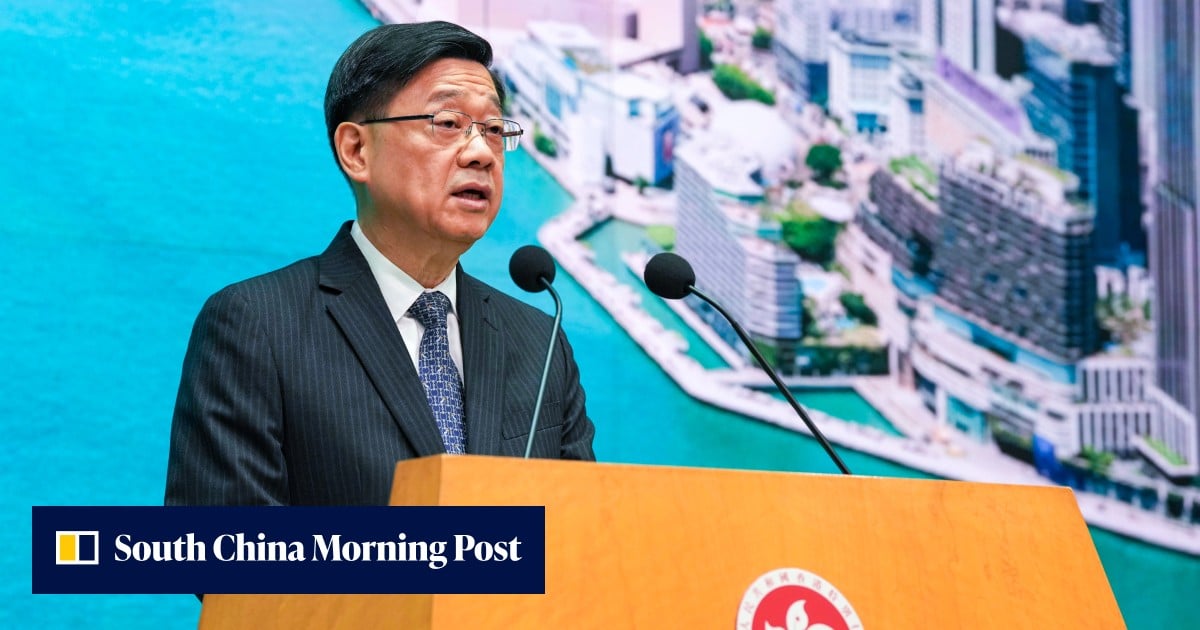
Hong Kong's economy and trade with the United States will benefit from the Xi-Trump summit, says John Lee Ka-chiu. The two leaders agreed to build a "constructive China-US relationship of strategic stability". Both sides want to deepen cooperation on trade, investment and artificial intelligence.
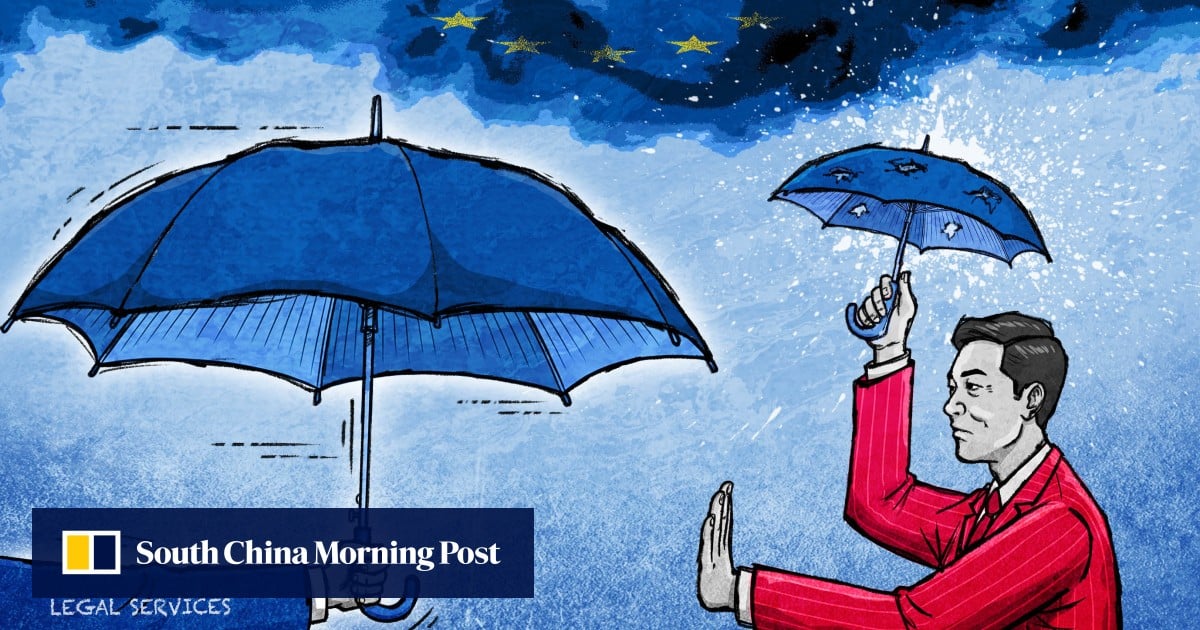
China's firms are expanding their overseas footprints in search of new lucrative markets. This series looks at China Inc.’s next phase of “going global” and the complex, challenging international environment its companies have chosen to enter. It also looks at their domestic profits narrowing and production capacity expanding.
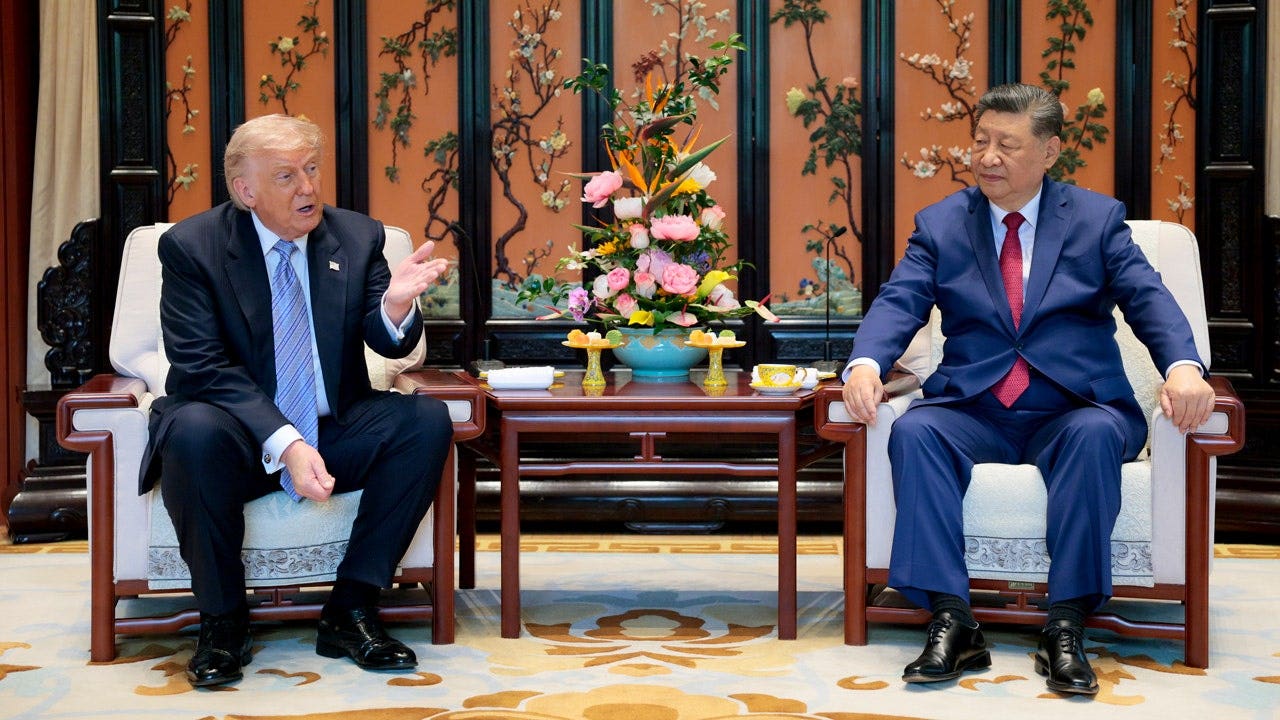
Trump's recent trip to Beijing was a success for him and for his entourage of American CEOs. Xi tried to dominate the meeting from the start by talking tough about Taiwan's independence to counter Trump's assault on China's diminished axis of allies. Trump has neutralized Venezuela, China's most important ally in the Americas, and is well on the way to rescuing Cuba from its 67 years of Communist misery.
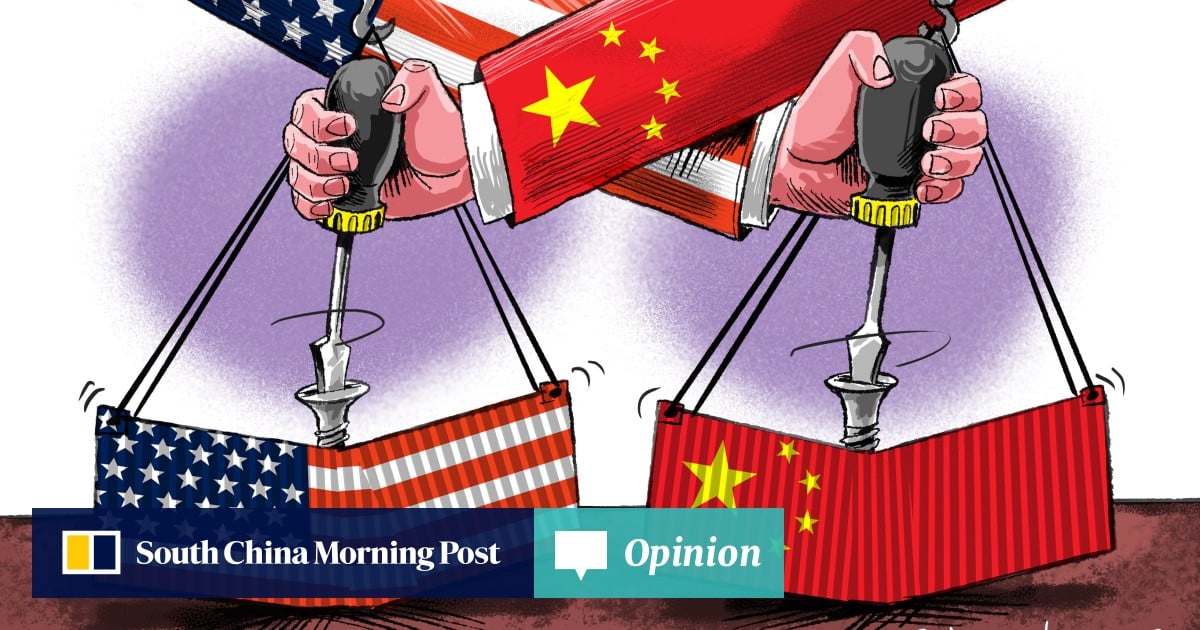
The presidents of China and the U.S. pledged to steer towards a stable and constructive relationship at the recent summit in Beijing. The two sides announced new joint trade and investment councils. However, history offers a sobering parallel. Trump's record since last year's summit in Busan, South Korea is revealing: talking the talk, but not walking the walk. Washington's pattern is to promise stability while tightening the screws.
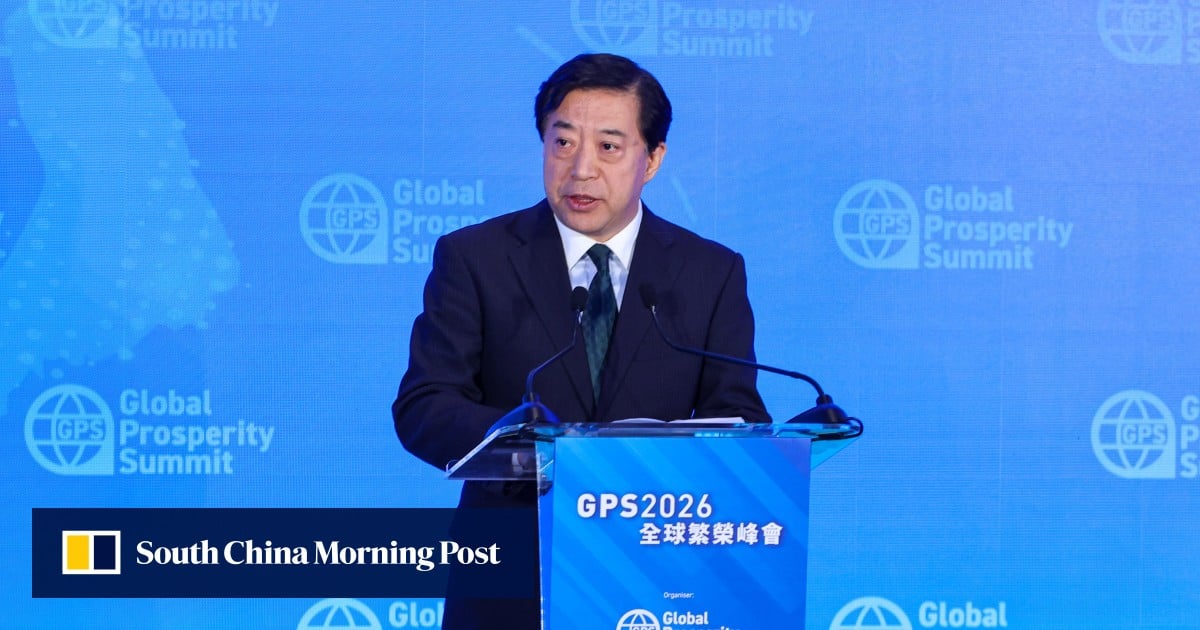
Han Zhiqiang is vice-president of the China Public Diplomacy Association. He spoke at the Global Prosperity Summit in Hong Kong on Tuesday. He said China will actively participate in settling international conflicts and improve mechanisms for resolving them. He also outlined Beijing’s Global Governance Initiative, unveiled last September.
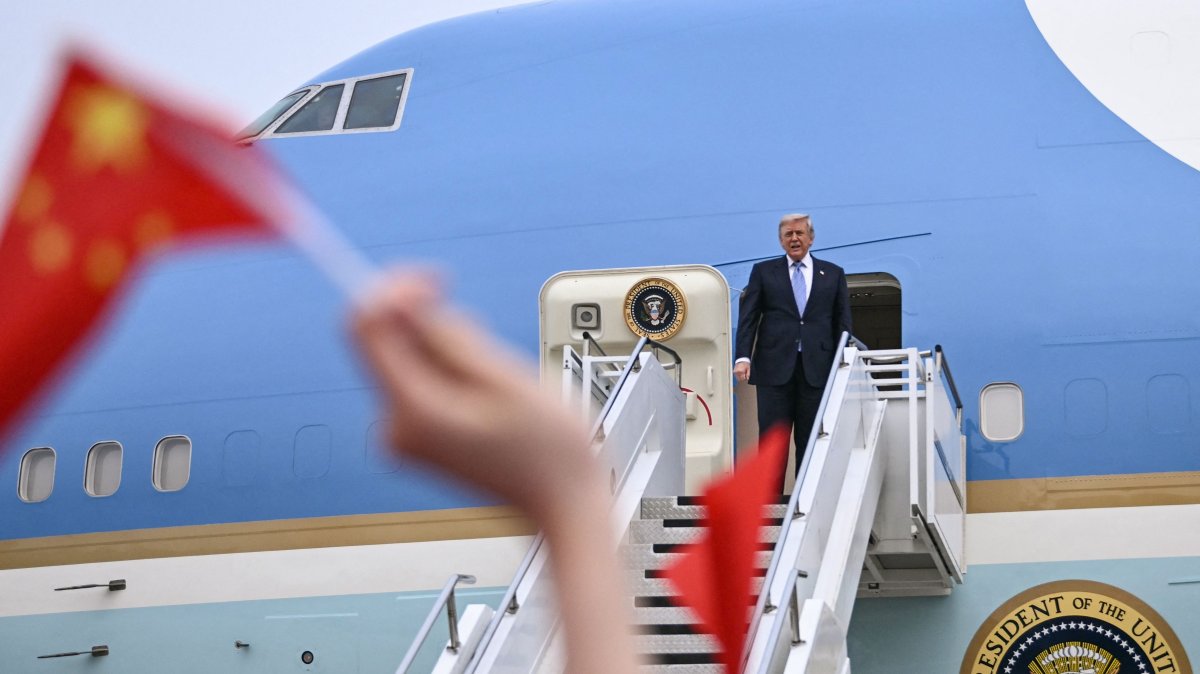
U.S. President Donald Trump visited China on May 13-14. The visit was well-publicized in China's state media, but it didn't dominate the broader Chinese media landscape. The most important outcome of the three-day visit was the commitment to build a constructive China-US relationship of strategic stability. China's official account of the meeting placed Taiwan at the center of its record of the discussions.
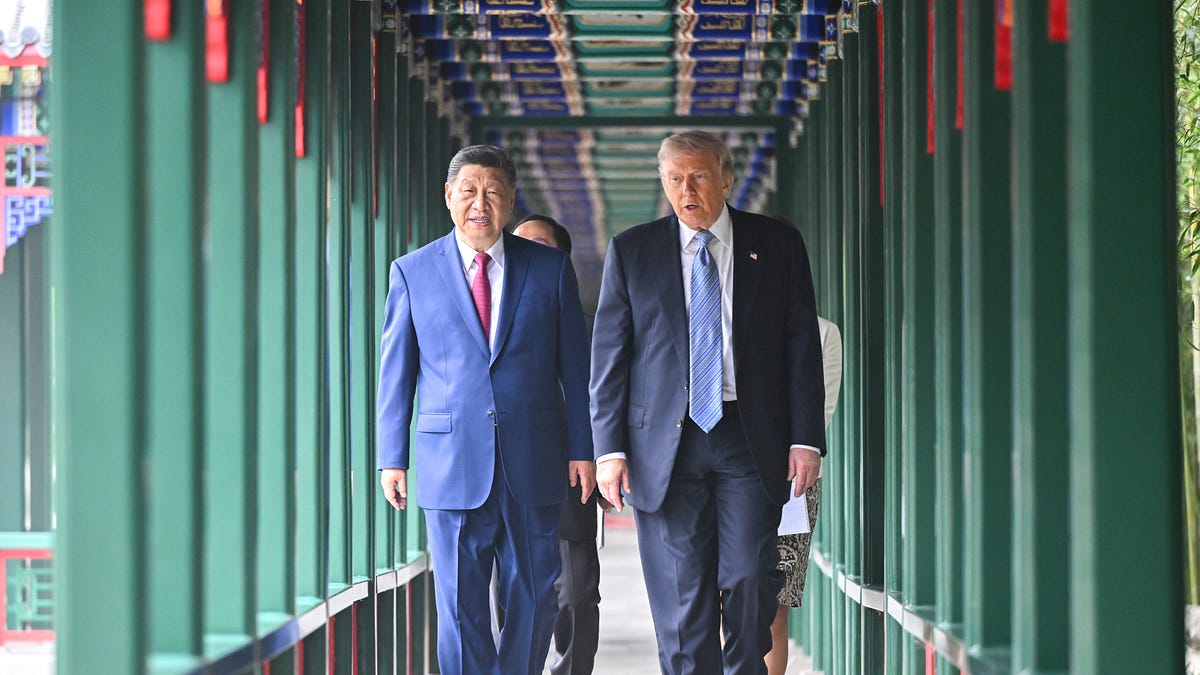
Donald Trump's recent visit to Beijing demonstrated America's decline as a great power relative to China. Trump returned to Washington with little to show for his visit, only two agreements on opening Chinese markets to U.S. products and no political help in the Middle East. Trump was not met at the airport by Xi, he was seated on the podium in a chair that made him look smaller than Xi. Trump is a politician who is unable to see the world in anything but personal and self-interested terms.

The recent summit between Donald Trump and Xi Jinping in Beijing underscored the deep strategic distrust still shaping U.S.-China relations. Yuan Hongbing argues that the summit produced "little substantive geopolitical progress" despite the global attention surrounding it. Yuan's claims about internal Chinese Communist Party dynamics, military instability within the People’s Liberation Army (PLA), rising Taiwan tensions, and deepening geopolitical alignment between China, Russia, and Iran have become a focal point of Beijing's strategic direction.

Donald Trump met with Chinese President Xi Jinping in Beijing. They discussed the U.S.-China-Taiwan relations and the Taiwan Strait instability. Trump will decide whether to proceed with $14 billion in arms sales to Taiwan after the meeting. Beijing used the meeting to reinforce its red line: the stability of China-U.S. relations depends on Washington's handling of Taiwan.

Taiwan is one of the most sensitive issues between U.S. President Donald Trump and Chinese leader Xi Jinping during their meeting in Beijing on May 14-15. Taiwan has become a central issue for Xi as China faces economic pressure, slowing growth, demographic challenges, and rising domestic dissatisfaction. Beijing views Taiwan as a “breakaway province” and has vowed to reclaim the self-ruling island by any means necessary. In recent years, China has carried out sweeping investigations and purges involving the PLA Rocket Force and senior military leadership.