
The last time Xi Jinping left China was in late October. Since then, a dozen heads of state have visited China. The foreign ministry's protocol department has handled it flawlessly, setting up grand receptions for its visitors and flying their national flags beside China’s on important boulevards.
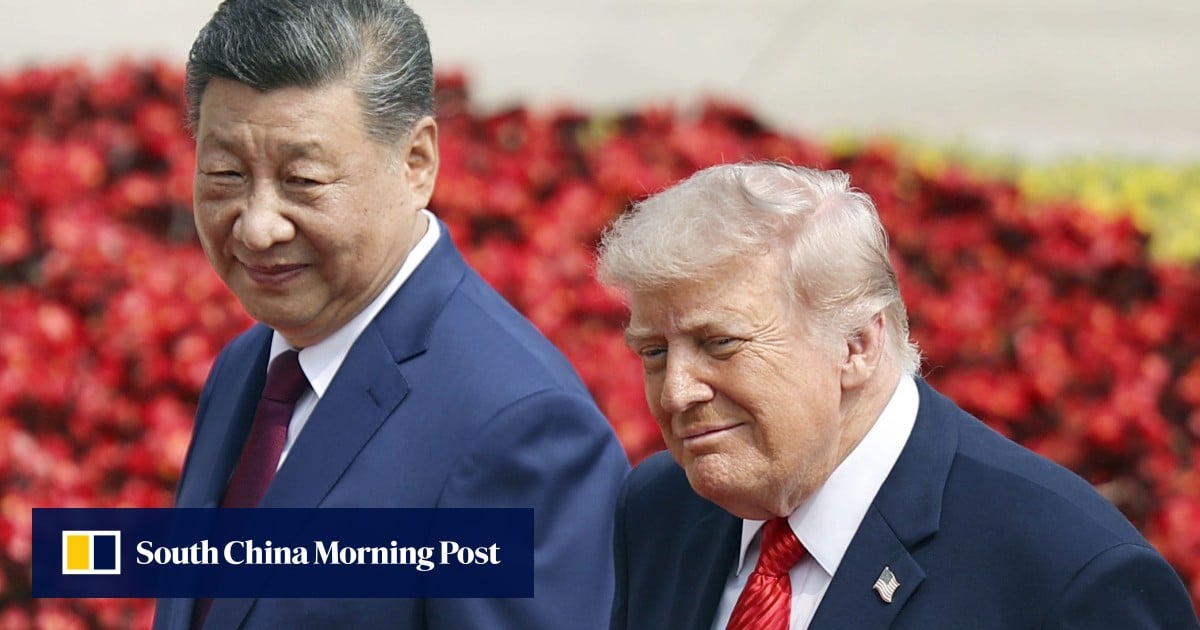
Zhu Feng, dean of Nanjing University’s School of International Studies, warns that the era when the three joint communiques set the terms of US-China relations may have come to an end. Zhu thinks it might be unrealistic to expect Beijing and Washington to reach a comprehensive political understanding on Taiwan.
26 US semiconductor firms saw their China revenue climb by an average of 20% last year, despite trade tensions. Qualcomm, Nvidia, Intel, Broadcom, Applied Materials and Advanced Micro Devices (AMD) secured six of the top 10 spots. Western Digital, Analog Devices (ADI) and AMD led the expansion with year-on-year growth rates of 43%, 34% and 24%.
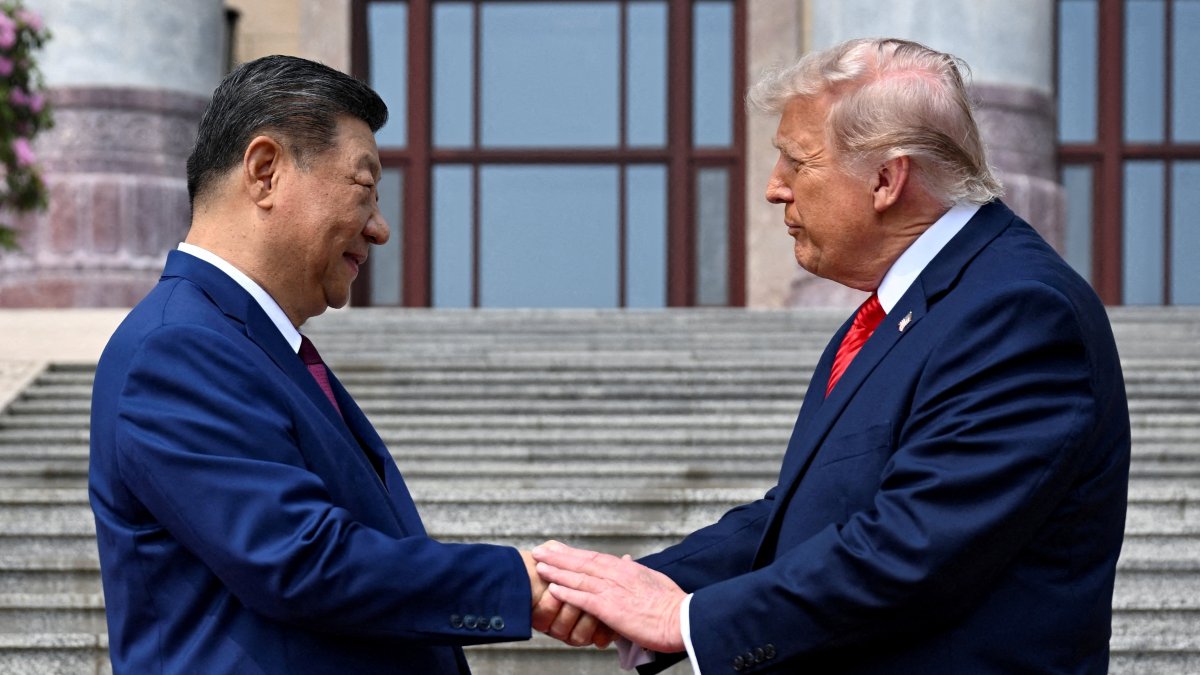
The US-China board of trade was established following the summit between Xi Jinping and Donald Trump. It is expected to manage bilateral trade across non-sensitive goods and discuss issues such as tariff reductions. The board's first task is to identify products worth around US$30 billion that could be subject to tariff reductions or elimination.
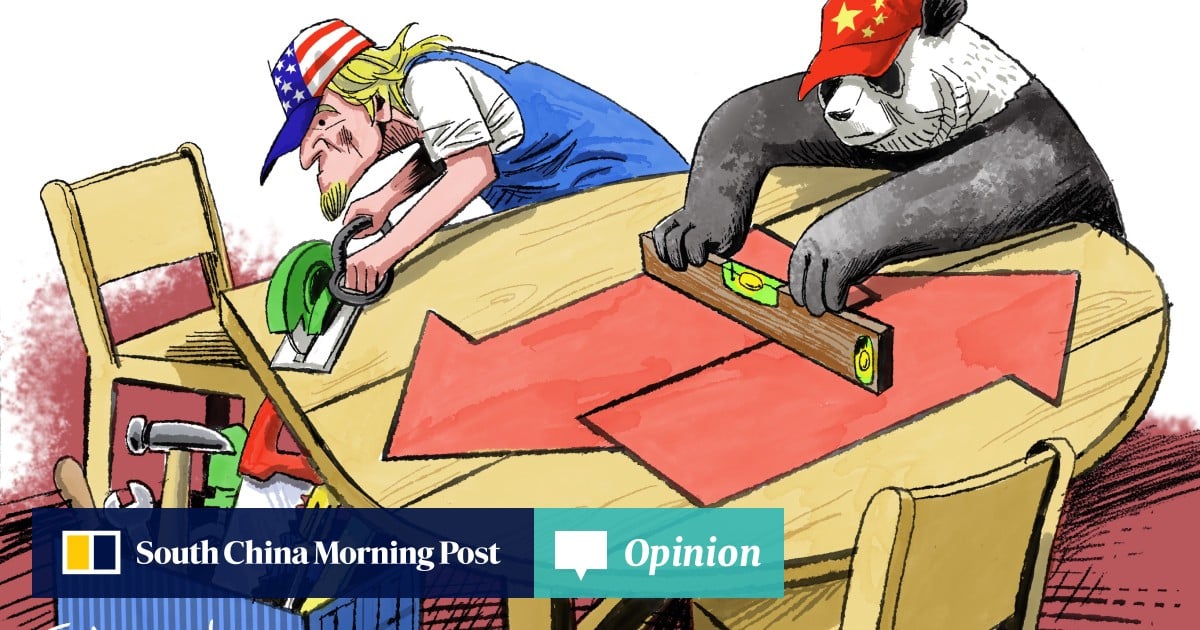
Thanks to Obama, Trump and Bush, China, Russia and India have weathered the financial crisis that started in 2008. China was not at the epicenter of the crisis like the U.S. and Europe. China has quietly established authority over world commerce and the related international organization. Trump tried to impose a trade embargo on China, but Beijing retaliated rapidly. The long period of Cold War between the US and China has ended but it has been replaced with a Cold Peace.

China's rise in Middle East politics represents one of the most significant geopolitical transformations of the 21st century. China has adopted a different strategy based on economic cooperation, infrastructure investment, energy diplomacy and political non-interference. The Middle East possesses nearly half of the world’s proven oil reserves. China's economic footprint in the region continues to expand rapidly. The BRI initiative seeks to connect Asia, Africa and Europe.

There was a lot of online censorship during the recent back-to-back summits of the Sino-American and Sino/Russian summits. Some of it was aimed at controlling online discourse by limiting search results to Chinese government websites and state-media outlets. There was a lack of substantive breakthroughs during the Xi-Trump summit, so Chinese social-media commentary focused on amusing details.
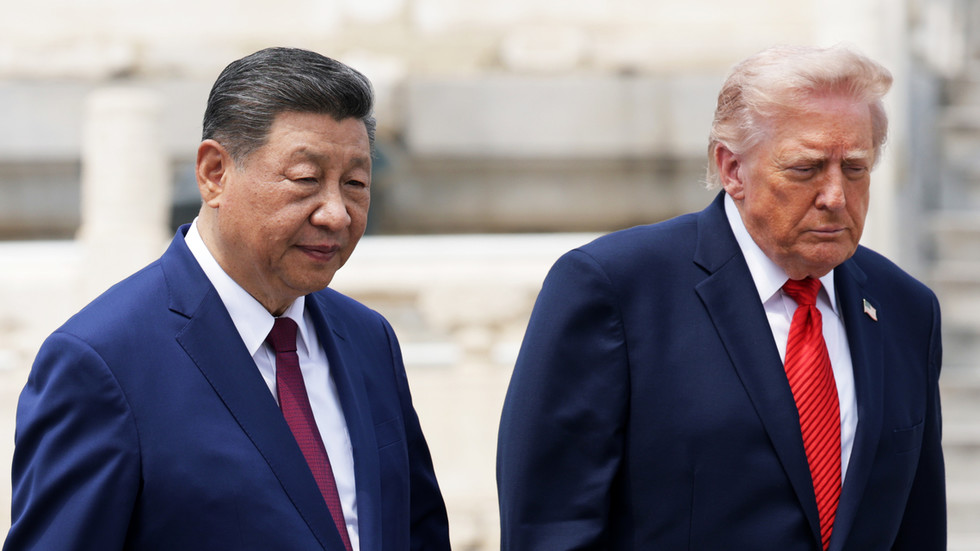
The Financial Times reports that Chinese President Xi Jinping reproached Japan's military buildup during his meeting with US President Donald Trump in Beijing on May 13-15. China's foreign ministry denies the report. Relations between Beijing and Tokyo have deteriorated over Japan's growing military spending and tensions around Taiwan.
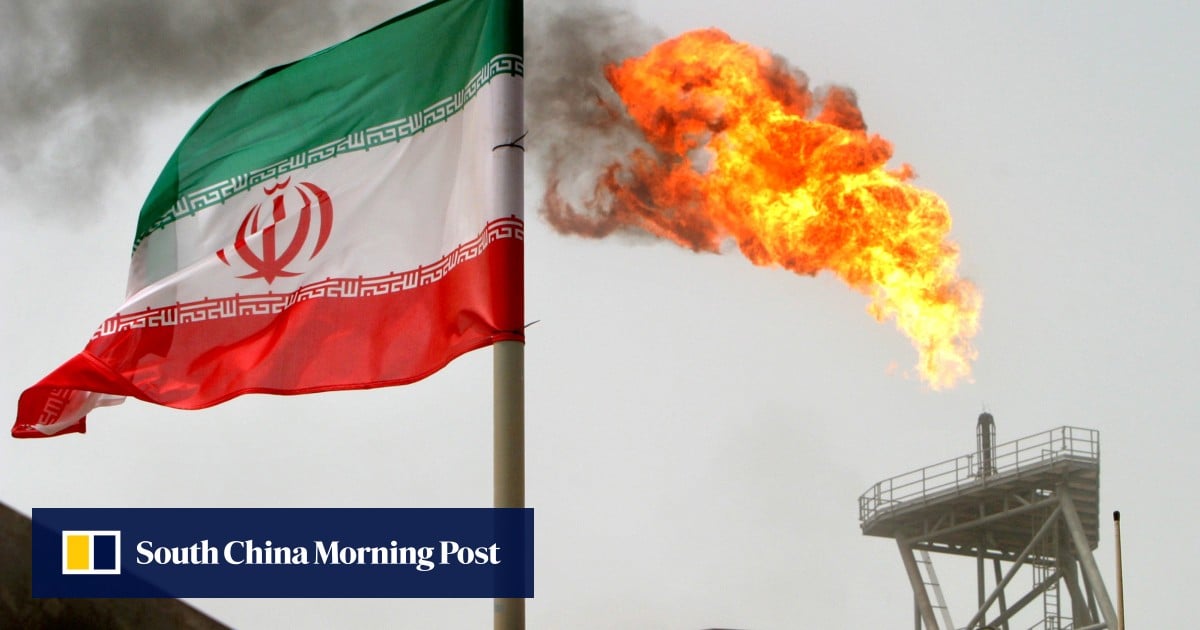
A major diplomatic breakthrough between Washington and Tehran could signal sanctions relief for Iran. China is the primary buyer of Iranian oil. Washington is likely to loosen its grip on China’s Iranian oil imports as it needs Beijing's support in the peace talks with Iran.