
The chemical industry has been well aware of the risks of the type of thermal runaway reaction that forced 50,000 people from their homes in Orange County last weekend. The crisis was sparked by thousands of gallons of a highly toxic chemical in a failing pressurized chemical tank that was heating up at a Garden Grove aerospace firm. The cooling system responsible for maintaining the temperature of a tank filled with a hazardous chemical at the facility triggered evacuations.

There was a chemical explosion in Garden Grove, California, last week. The region has been a hub for aerospace and defense manufacturing since the start of World War II. Global warming, population growth and regulatory rollbacks are increasing the risk of similar incidents in the L.A. Basin.
In 1993, undercooked hamburgers from Jack in the Box restaurants caused an outbreak of E. coli O157:H7. Bill Marler negotiated a $15.6 million settlement, setting a state record, and he and his colleagues won $50 million in damages for nearly 200 victims. Marler funded a study costing $500,000. He petitioned FSIS to extend the adulterant designation to non-O157 Shiga toxin-producing E. Coli strains. In 2012, the USDA declared six of these strains as adulterants.

Texas Attorney General Ken Paxton secured a landmark settlement preventing Albertsons-owned grocery stores in Texas from using an antimicrobial pesticide in produce misting systems. Paxton celebrated the settlement the same day he secured an endorsement from President Donald Trump in the Republican U.S. Senate primary runoff.
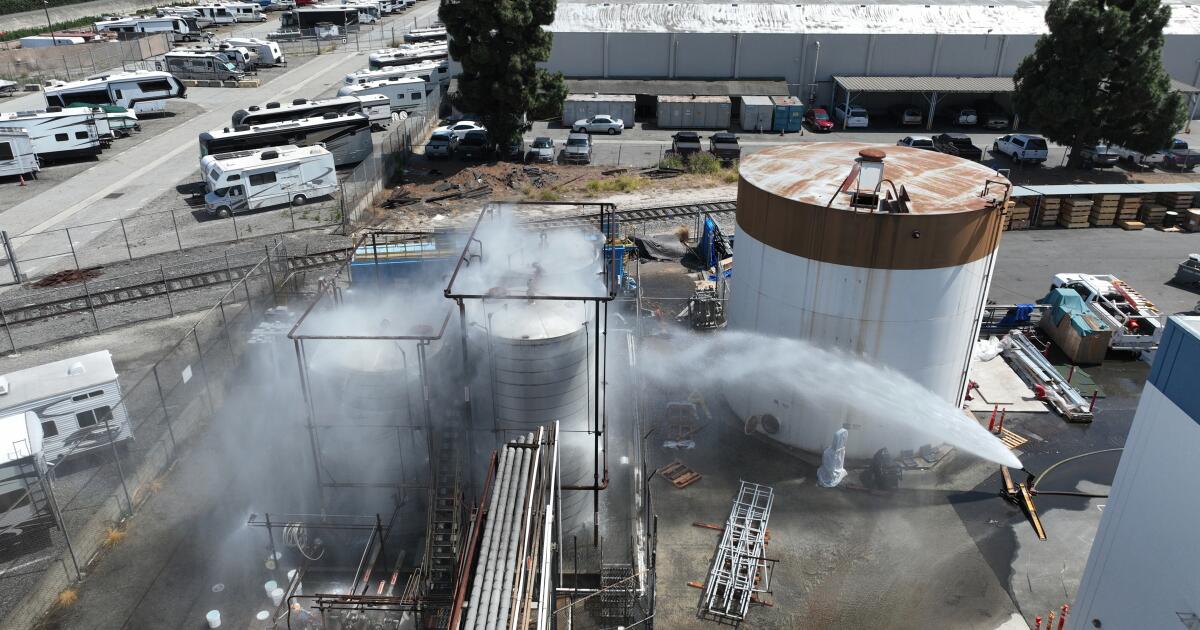
Officials ordered evacuations in Garden Grove on Thursday after a chemical storage tank at an aerospace plant overheated. About 16,000 of 50,000 evacuees are still waiting for the all clear. The tank contains methyl methacrylate, which is highly flammable. Health officials have assured residents that there was no contamination or and that no fumes were released.
The Kebab Shop in California has stopped selling grilled beef kofta at all locations due to an outbreak of STEC O157:H7. Marler Clark has been involved in food-borne illnesses since 1993. He represented victims of Jack in the Box, Golden Corral, AFG/Supervalu, Bauer Meat, Emmpakak, BJ’s Wholesale Club, and Excel.

A child in Hainan dropped some crumbs from a packet of dried meat in a cheap snack marketed to young children. The snack's ingredient list identified two additives: ethyl maltol, a flavor enhancer and sodium nitrite, a preservative used in processed meat products. Food safety experts warned that snacks with this level of additive loading are unsuitable as a regular dietary staple for children. Separately, Fujian bayberry depots were caught soaking fruit in banned preservatives.

Fleur Breteau is in the Gironde, where Bordeaux wines grow. The old manor house in the street village of Plassac is now a community meeting place, clubs use the high rooms, workshops take place and children learn how to mend bicycle tires.
In 2011, Jensen Farms shipped melons that killed 33 Americans and sickened 147 across 28 states. In 2023, Malichita and Rudy brand cantaloupes from Mexico sickened 595 people in the U.S. and Canada. Six Americans died, two Canadians died and 8 people went to the grocery store, bought a piece of fruit and didn't come home. Just this year, cantaloupe imported from Guatemala sickened at least 70 people across 25 states.
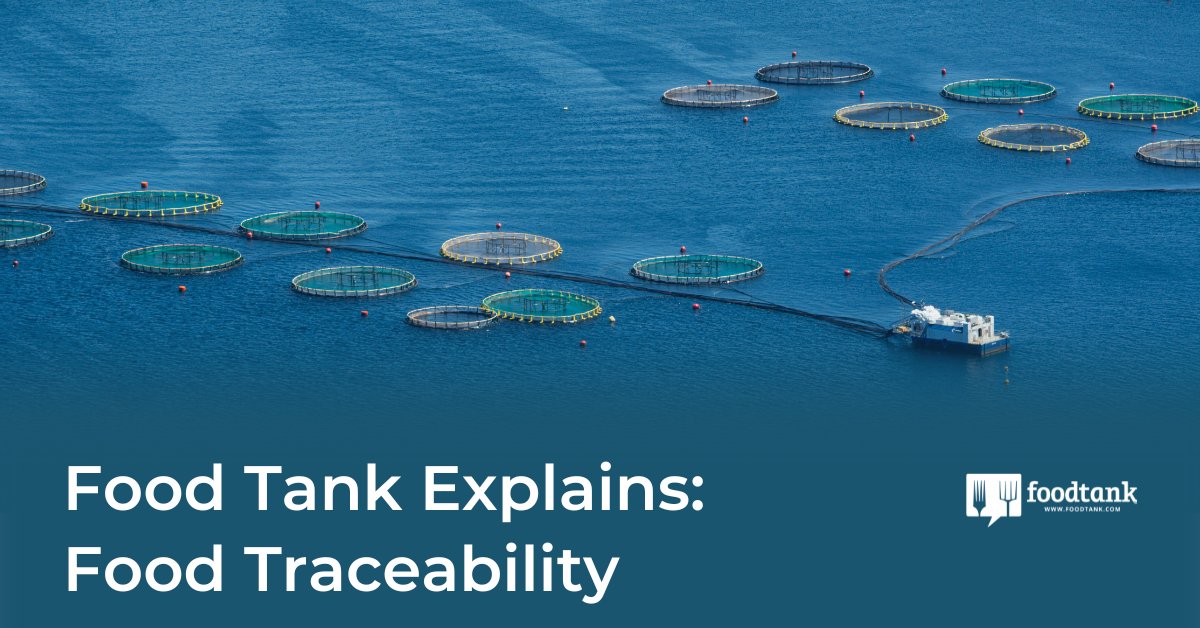
Traceability is the ability to track food products and ingredients through every stage of the supply chain. Food traceability plays a central role in managing food safety risks. The European Union has established some of the world’s most comprehensive requirements mandating that food businesses track products across all stages of production, processing, and distribution. Japan, Australia, Finland, Italy, and Korea have also adopted digital traceability systems.