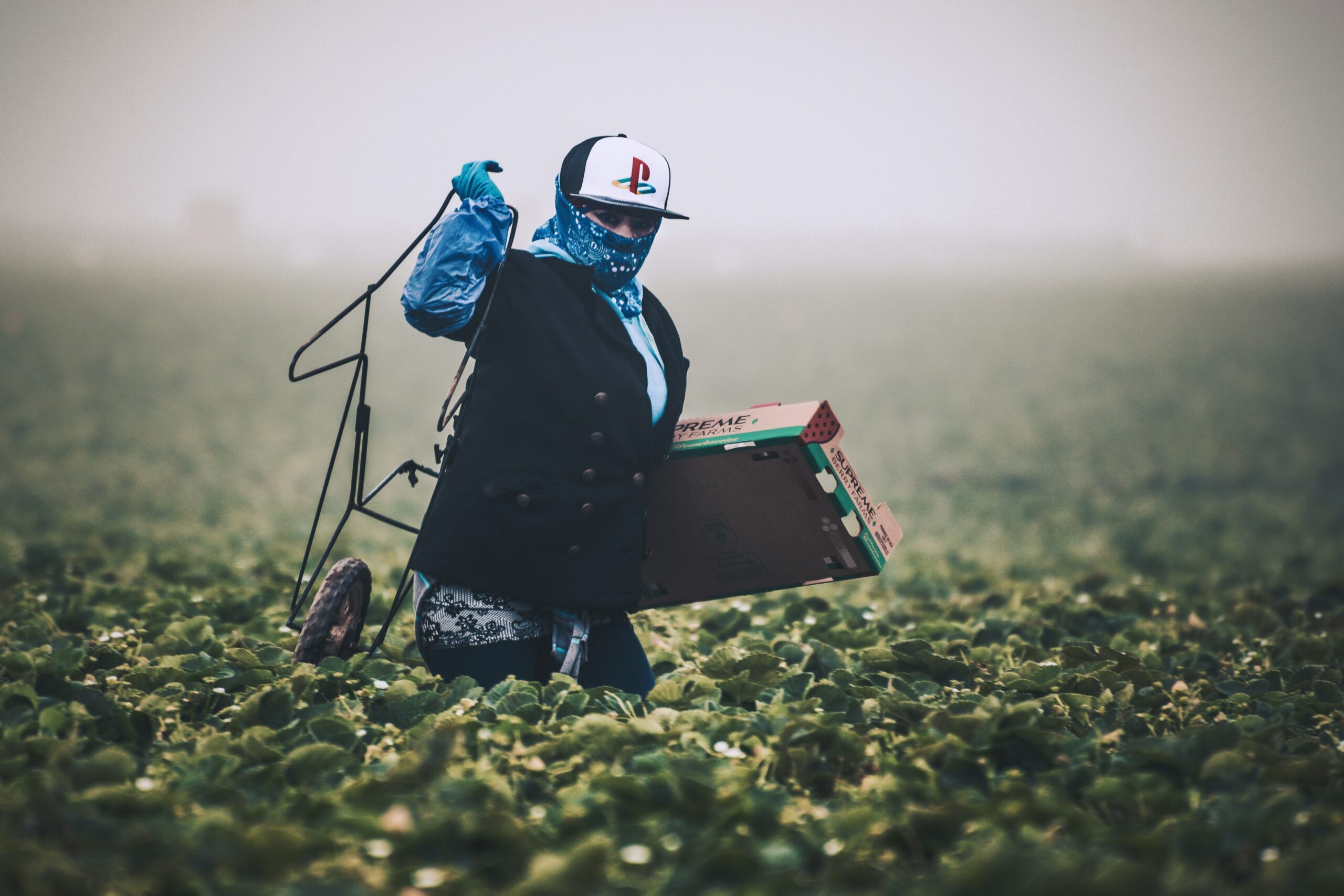
Julie Binot is an LL.M. graduate from UC Berkeley. She is concerned about California's weak pesticide regulation. The state permits 72 pesticides that are banned in the European Union. Latino and immigrant farmworkers and low-income residents living near agricultural fields face the highest pesticide exposures.

The number of children with cancer in France has reached record levels. Other serious diseases affecting children, birth defects and developmental disorders are recorded, pointing the finger of blame at pesticides. France remains the number one consumer of pesticides in Europe. The state has provided compensation to victims since 2020.
The European Commission defended its Beating Cancer Plan during European Week Against Cancer. Pesticides are not mentioned in the plan. There are at least 15 suspected carcinogenic pesticides approved in the EU. Long-term exposure to glyphosate causes different types of cancer in laboratory animals at doses deemed ‘safe’ by EU authorities. PAN Europe and some members are challenging this decision at the European Court of Justice.

There was a chemical tank crisis at a Garden Grove aerospace company two weeks ago. The tank contained 7,000 gallons of the highly reactive liquid chemical methyl methacrylate, or MMA, which can be used to make materials such as Plexiglass. Inhaling MMA can irritate the lungs and, at high levels of exposure, can cause severe respiratory distress and hospitalization. About 300 employees were evacuated from the facility.
Demand for biofuels is expected to rise by nearly a third this year. The US, Indonesia, Brazil, Thailand and others are trying to increase biofuel use. The price of oil has jumped to nearly $100 a barrel after the US-Israeli attacks on Iran and the closure of the strait of Hormuz. Fertiliser supply has been constrained by the war and prices have soared. Biofuels compete with food crops for land and fertiliser.
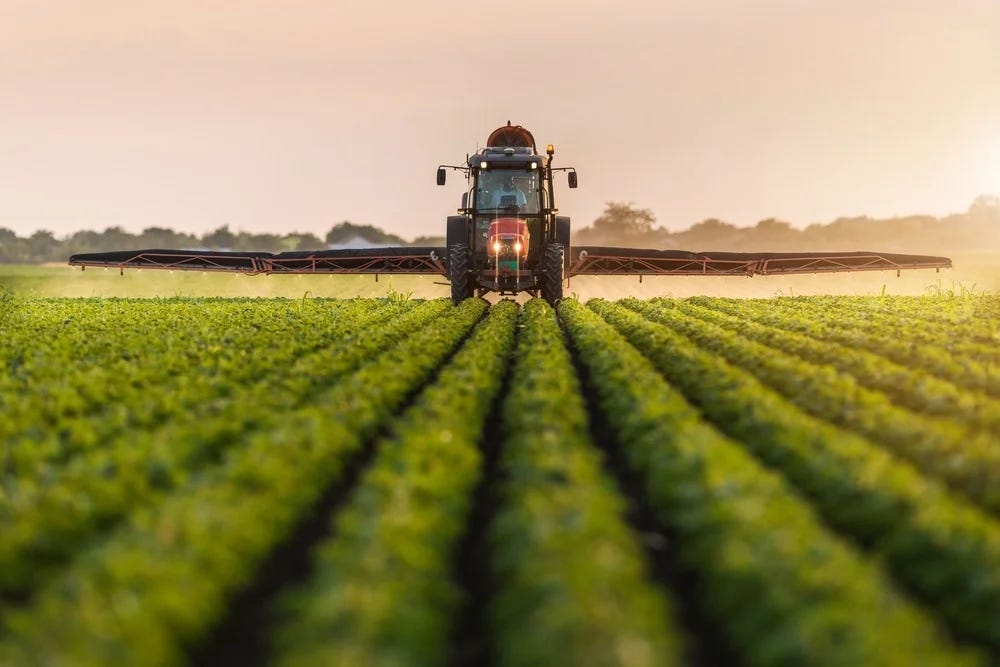
Drought, labor shortages and bad timing are driving up food prices in America. American agriculture is entering one of the most precarious periods in the last century. A head of lettuce costs $6.99 a head in the U.S., but it used to cost less than $3.
The National Sustainable Agriculture Coalition (NSAC) commends the release of the US Department of Agriculture's Small Processors Action Plan by Secretary Brooke Rollins. The plan highlights previous and potential future actions by USDA to protect and promote Small and Very Small meat processors. NSAC looks forward to ensuring reforms become mandatory and continued in perpetuity by the inclusion of the Strengthening Local Processing Act in a new farm bill.

The International Panel of Experts on Sustainable Food Systems has released its latest report, The New Geopolitics of Food: Navigating policies for resilient self-reliance. The report focuses on how wars, trade disputes, aid cuts, climate shocks, and weakening international cooperation are pushing up food prices, deepening hunger, and reshaping global food security. It draws on the experience of many countries in trying to stabilize prices, support farmers, and protect access to food.
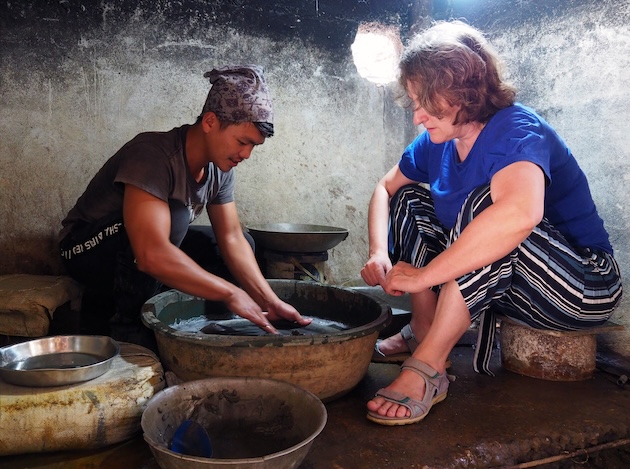
Monika Stankiewicz is the Executive Secretary of the Minamata Convention on Mercury. She is in Samarkand, Uzbekistan for the Eighth GEF Assembly. She visited artisanal gold mining communities in Tanzania's northern Geita region, where the use of toxic mercury is deeply embedded in their survival. Some women are afraid to get pregnant because they are afraid their children will be affected by mercury.
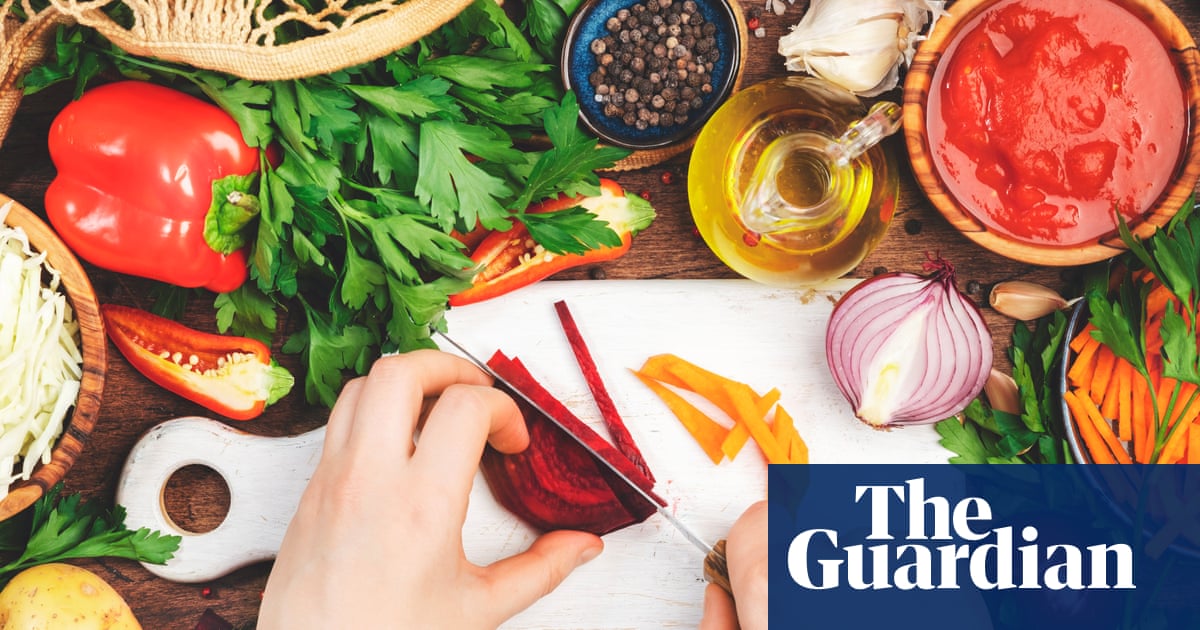
There is a growing awareness about the environmental harm that livestock cause and a rise in public support for cutting down on meat consumption. In Germany, one in 10 people are vegan or vegetarian and a further 37% describe themselves as flexitarian. In March, EU politicians voted to ban meaty names such as steak and bacon for plant-based alternatives. In the US, the “Make America Healthy Again” campaign from the Trump administration has promoted eating more meat.