USDA proposes to close the Beltsville Bee Research Lab in Maryland. Food insecurity in the U.S. has reached its highest rate in six years. The rules that govern the Colorado River, the primary water source for much of the American West, will expire at the end of 2026. Dryland farmers are learning how to adapt to climate change.

50 gallons of water spilled into a storm drain at GKN Aerospace in Garden Grove. Health officials are testing the water for traces of methyl methacrylate, or MMA. 7,000 gallons of that chemical were in a tank at the facility that went into crisis in late May, creating a risk of explosion that forced the evacuation of 50,000 people. The threat subsided on May 26.

The map shows the location of more than 6,000 active or idle oil wells, 1,300 industrial facilities, underground gas storage facilities, refineries, fuel terminals, legacy pollution sites, active industrial sites, landfills, dumps and recycling centers. The tool's rollout comes after the threat of a chemical tank explosion in Orange County over Memorial Day weekend.

The Cold Chain Federation (CCF) is concerned about the potential for a food crisis in the UK. It has produced a white paper calling for staff at the UK’s large cold stores and transport hubs to be given permanent essential-worker status. The government says the food sector is one of the UK's 13 critical sectors.
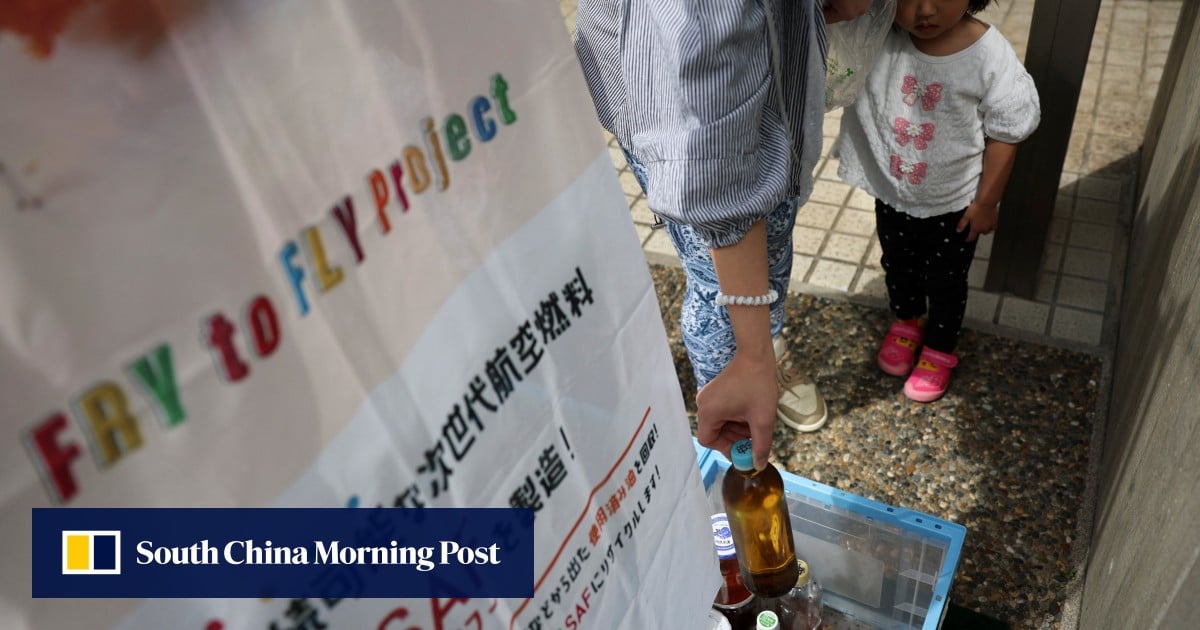
Japan needs 1.7 million kilolitres of sustainable aviation fuel (SAF) by 2030. The domestic output of SAF is only 30,000 kgolitres now, or 0.3% of total jet fuel use. The country's top two carriers, ANA and Japan Airlines, told a May presentation on SAF efforts that the reality is harsher than expected. This year will be critical for refiners’ SAF efforts. They will have to make final investment decisions by March to allow for mass production in 2030.
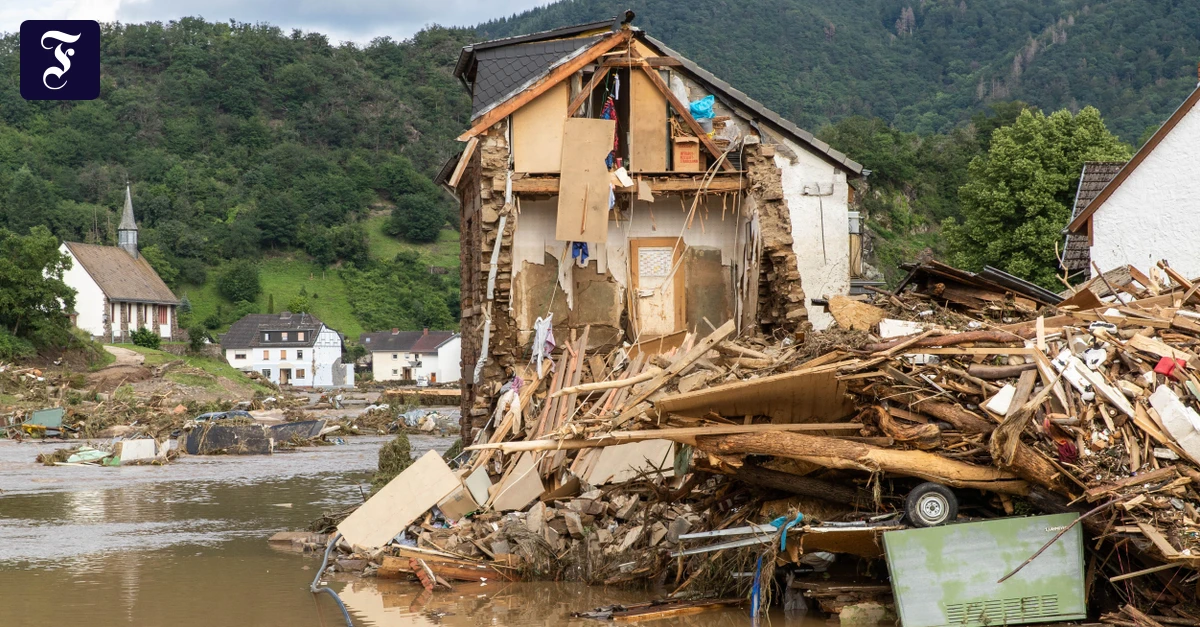
Friederike Otto's geography teacher once said that the weather in Germany is not dangerous. 180 people died in the flood disaster in the Ahr Valley and North Rhine-Westphalia almost five years ago because they probably thought the same as Otto's teacher.

The Canadian Ombudsperson for Responsible Enterprise (CORE) has been vacant since May 2025. There are at least 24 active cases against Canadian mining and energy companies in the Dominican Republic, Namibia, Pakistan and elsewhere. The CORE office is still taking complaints, but decisions on complaints are being deferred until the position is filled.

President Trump addressed Wisconsin farmers at a roundtable discussion in Chippewa Falls. He talked about his administration's work on ending the estate tax on family farms, bringing in $28 billion for farmers for the first time, expanding crop insurance and issuing $12 billion in farm subsidies. He also talked about recent regulatory victories that benefitted the agriculture industry, including the “right to repair” and pardoning a man sentenced to seven years in jail for fixing his own equipment.

Fanita Ranch development in Santee, California, has been in trouble since it was proposed in 2017 by developer HomeFed. San Diego Superior Court judge and an appellate court panel both rejected the project's approval in two separate but related cases on Thursday. Center for Biological Diversity says the project is located in a very high-risk area.

A second case of the New World Screwworm has been confirmed in a calf in Texas. Canada's food inspection agency announced a temporary ban on livestock from the region. Governor Greg Abbott declared a statewide disaster declaration. Texas is home to $17 billion worth of cattle, making it the industry’s No. 1 state.