FDA, CDC, and USDA's Food Safety and Inspection Service have been hit hard by budget cuts. Foodborne outbreaks are being defunded, and the people who find them are being fired, defunded and disbanded. FDA lost nearly 3,900 employees in 2025 alone, part of an HHS purge of some 20,000 jobs. FDA had 443 inspectors to cover more than 36,000 food facilities at home and abroad in 2024. CDC stopped tracking Campylobacter, Listeria, and four others.
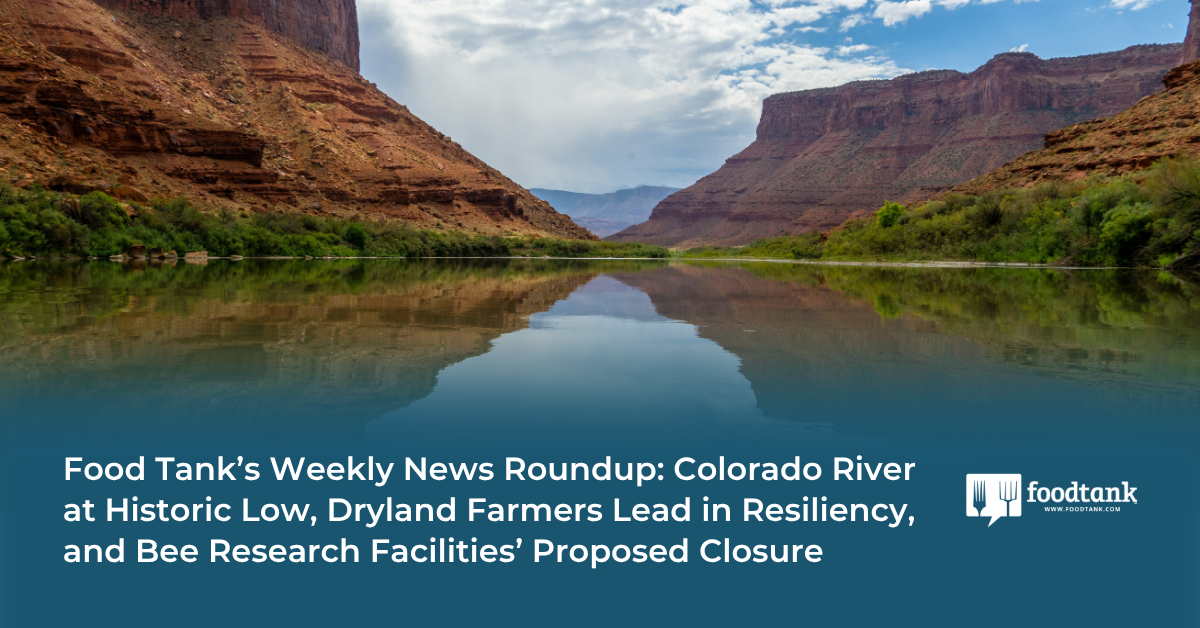
USDA proposes to close the Beltsville Bee Research Lab in Maryland. Food insecurity in the U.S. has reached its highest rate in six years. The rules that govern the Colorado River, the primary water source for much of the American West, will expire at the end of 2026. Dryland farmers are learning how to adapt to climate change.

50 gallons of water spilled into a storm drain at GKN Aerospace in Garden Grove. Health officials are testing the water for traces of methyl methacrylate, or MMA. 7,000 gallons of that chemical were in a tank at the facility that went into crisis in late May, creating a risk of explosion that forced the evacuation of 50,000 people. The threat subsided on May 26.

The map shows the location of more than 6,000 active or idle oil wells, 1,300 industrial facilities, underground gas storage facilities, refineries, fuel terminals, legacy pollution sites, active industrial sites, landfills, dumps and recycling centers. The tool's rollout comes after the threat of a chemical tank explosion in Orange County over Memorial Day weekend.

There was a measles outbreak in the US last year. Internet searches for vitamin A and cod liver oil increased during the outbreak. Health Secretary Robert F. Kennedy Jr. and podcaster Joe Rogan promoted vitamin A as an alternative treatment for measles. Measles causes flu-like symptoms and a distinctive, red, blotchy rash.
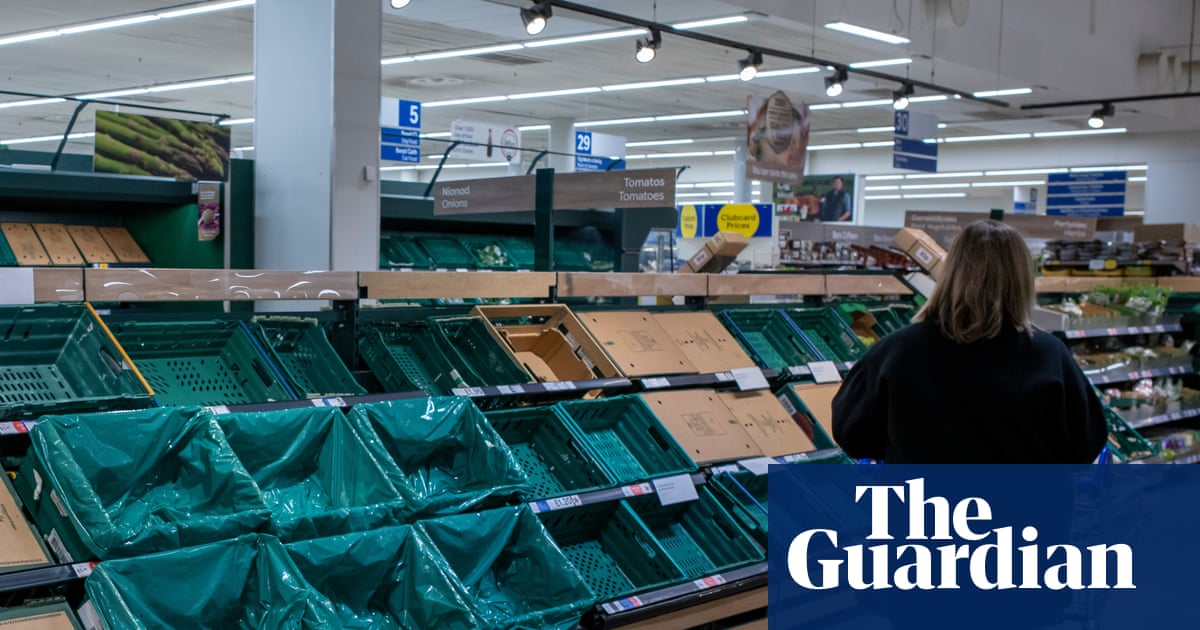
The Cold Chain Federation (CCF) is concerned about the potential for a food crisis in the UK. It has produced a white paper calling for staff at the UK’s large cold stores and transport hubs to be given permanent essential-worker status. The government says the food sector is one of the UK's 13 critical sectors.

Afghanistan's development sector is plagued by waste and inefficiency. Since 2001, Afghanistan became the poster child for corruption, embezzlement and waste of foreign aid. Since the Taliban took over Kabul and the US-led coalition withdrew from the country, humanitarian aid and funding in Afghanistan have dramatically collapsed. Many foreign NGOs do not directly implement their projects and work through implementing partners (IPs), which themselves outsource implementation to subcontractors.
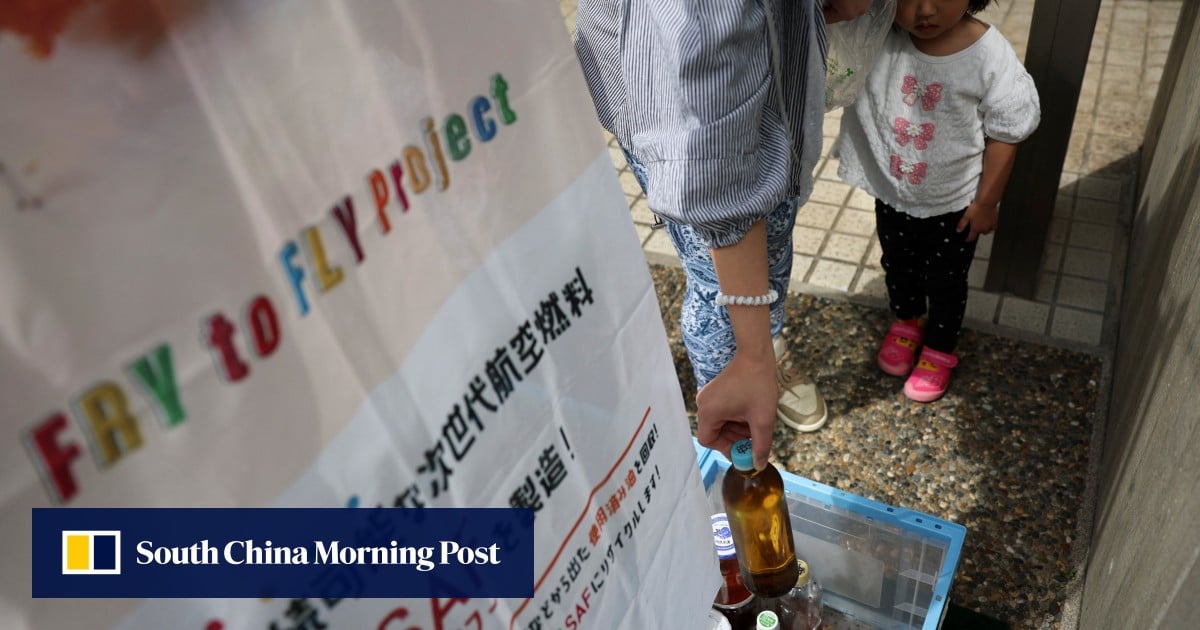
Japan needs 1.7 million kilolitres of sustainable aviation fuel (SAF) by 2030. The domestic output of SAF is only 30,000 kgolitres now, or 0.3% of total jet fuel use. The country's top two carriers, ANA and Japan Airlines, told a May presentation on SAF efforts that the reality is harsher than expected. This year will be critical for refiners’ SAF efforts. They will have to make final investment decisions by March to allow for mass production in 2030.
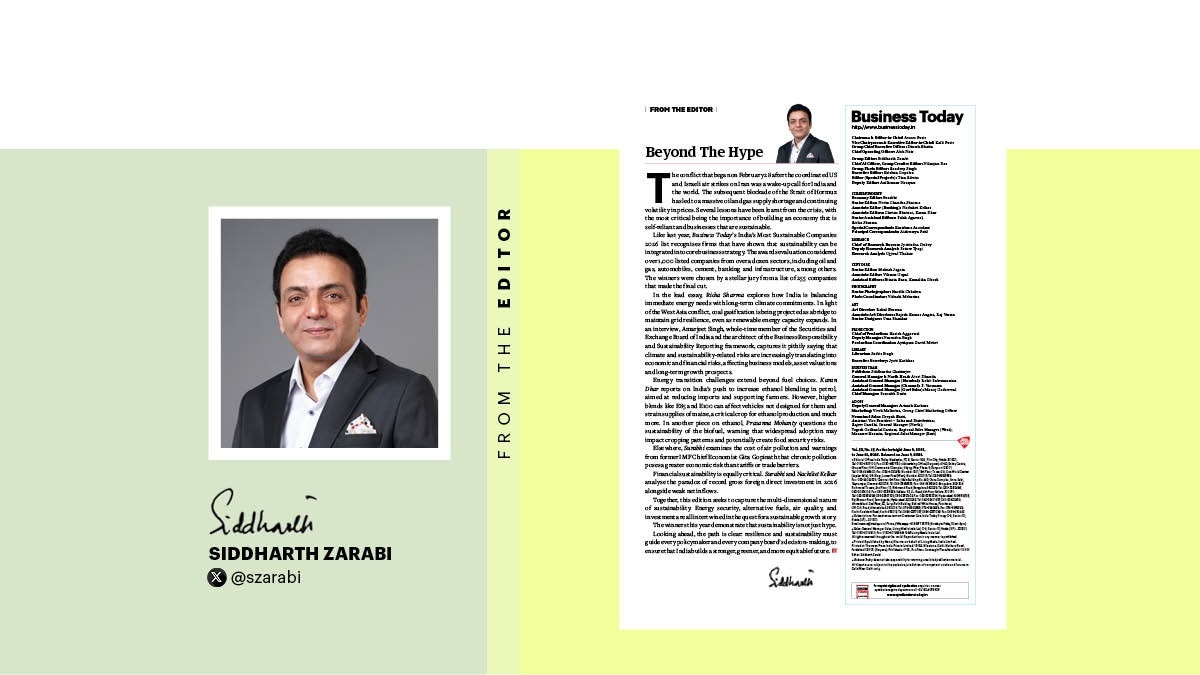
Business Today's India's Most Sustainable Companies 2026 list recognises firms that have shown that sustainability can be integrated into core business strategy. The winners were chosen by a stellar jury from a list of 255 companies that made the final cut. Sustainability-related risks are increasingly translating into economic and financial risks affecting business models, asset valuations and long-term growth prospects.

Shell operated a compromised pipeline in Nigeria's Niger Delta despite knowing it posed a pollution risk in the surrounding coastal wetland environment. The Niger Delta region is a globally important biodiversity hotspot, hosting four Ramsar Wetlands and the largest mangrove forest in Africa. The Nembe Creek Trunk Line carries 150,000 barrels of oil per day to the export terminal at Bonny Island Rivers state. Oil spills between 2011 and 2013 killed thousands of hectares of mangroves and aquatic life that rely on the wetland ecosystem.