
In the last three years, advocates fought against proposed pesticide immunity bills in 15 different states. They were defeated in a dozen states, but passed in Georgia, North Dakota and Kentucky. The Modern Ag Alliance (MAA), a lobbying and public relations group founded by Bayer, the maker of Roundup, spent $1.6 million lobbying in Tennessee in 2025.

FDA, CDC, and USDA's Food Safety and Inspection Service are being defunded. Food safety lawyer Bill Marler has represented families on the other end of foodborne outbreaks for more than 30 years. FDA lost nearly 3,900 employees in 2025 alone, part of an HHS purge of some 20,000 jobs.

Guatemalan farmers are turning to organic pesticides to replace expensive synthetic alternatives. They are using a mixture of locally available plants and ideas about farming passed down by ancestors to protect their plots. The Maya civilization had a rich history of farming dating back to 2000 B.C. Its most celebrated agriculture system is the milpa.

Raw milk is on the rise, driven by political shifts and wellness trends. More than 10 million Americans now drink it, and weekly sales rose by 65% from 2023 to 2024 alone. Raw milk has no significant nutritional benefits over its sanitized counterpart, cannot treat or cure disease, and subjects its consumers to over 100 times the risk of foodborne illness.

IPES-Food report urges a strategy of 'resilient self-reliance' to improve equity, sustainability and solidarity. Global food systems have been profoundly transformed by the geopolitical changes of the last four decades. Corporate interests have reshaped food systems over the last half-century. The legitimacy and capacity of multilateral institutions have been undermined by superpowers abusing international arrangements for their own advantage.
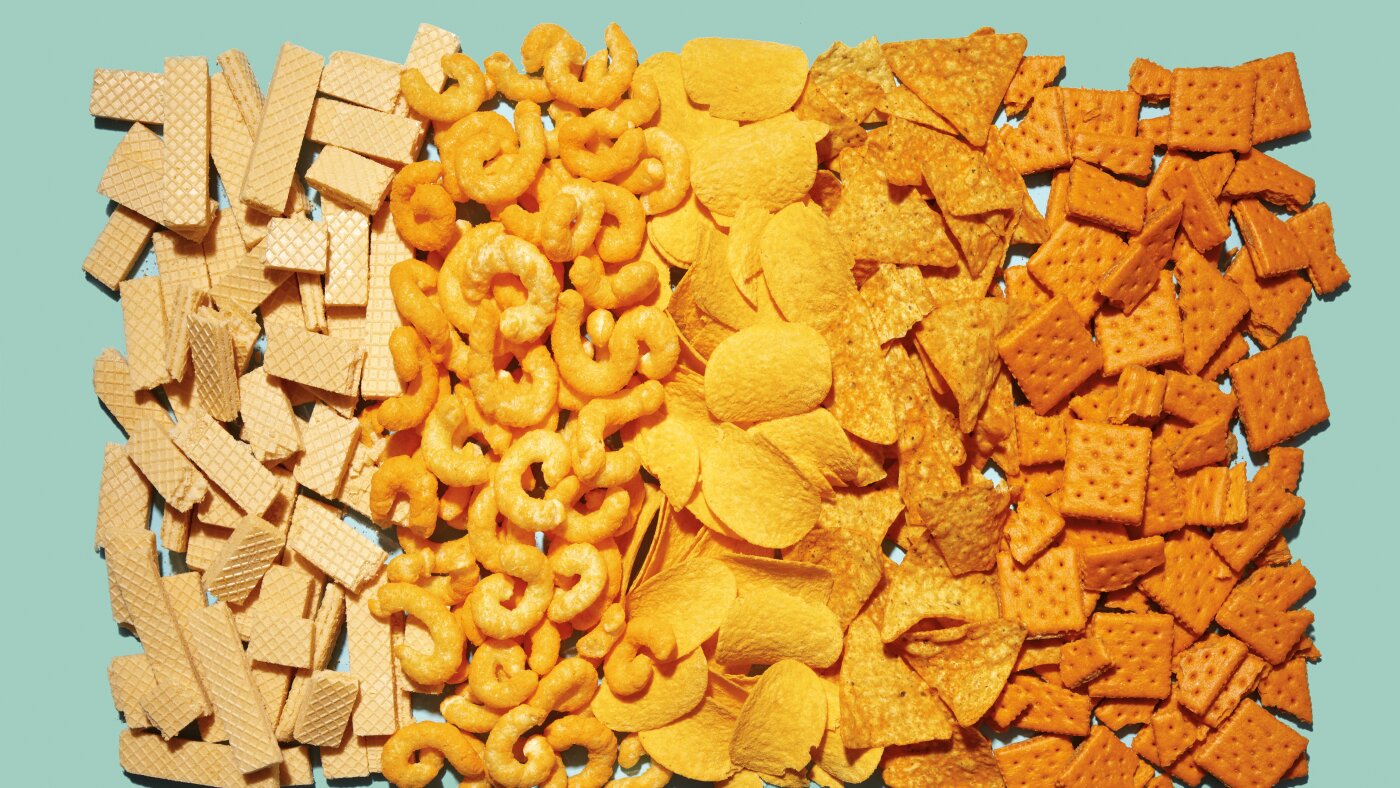
Tobacco companies spent decades honing their marketing strategies to addict consumers to cigarettes. In the 1980s, they started buying up large food firms and used the same strategies to sell more ultra-processed foods. Researchers say the fight to curb our over-consumption of these foods should become the new war on tobacco.

Tonight on VSRF Live, Steve and Dr. Bryan Ardis will talk about why chronic diseases are increasing and what can we do about it. They will discuss environmental toxins, food quality, chronic stress, medications, and other often-overlooked influences on human health. Steve and Bryan will also talk about the need to end the vaccine liability shield.

James Hepp is a first-generation farmer in northern Iowa. He tills only narrow strips of land and avoids applying nitrogen fertilizer when he’s not growing crops. Hepp represents one-third of the “Lobe Rangers” who have taken to social media to highlight the gap between the Nutrient Reduction Strategy and the actual adoption of conservation practices.
,regionOfInterest=(1474,279)&hash=0a88827e447fa9174fa7b6595dd31a3ccb22453a63aa221af9e872226eff1617)
New study from France links common additives like citric acid and ascorbic acid to high blood pressure and heart problems. Researchers recommend eating as little processed food as possible, fresh ingredients and frozen products without additional preservatives. When shopping, it's worth taking a closer look at the ingredient list of processed foods.
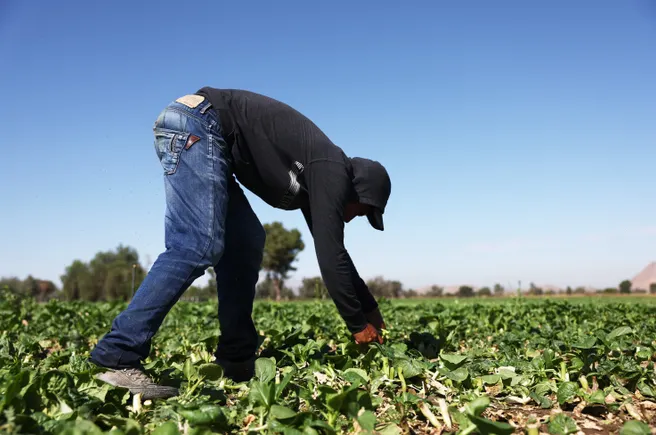
HowGood is teaming up with ESG data intelligence platform Sweep to help food and agriculture businesses better track carbon emissions generated by their products and incorporate that data into broader sustainability reporting. The integration will allow businesses to use ingredient- and product-level emissions data for scope 3 carbon accounting, supplier engagement and regulatory reporting.