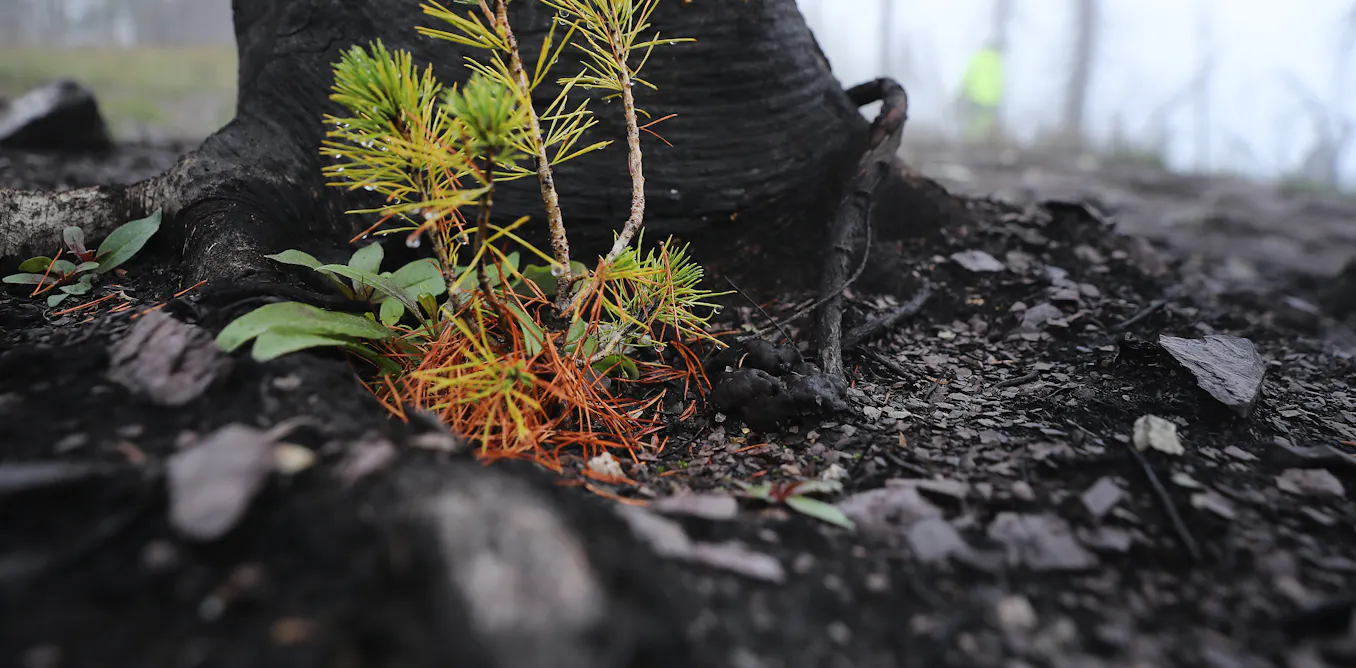
In nature, most plants and animals are recycled back into new life. Ecologists refer to this as ecological memory. After extreme events, the dead affect the living more commonly than expected. Understanding this influence on ecosystems will be valuable for helping ecosystems recover in a changing climate.

Kyrgyzstan has designated an ecological corridor for snow leopards and other mountain wildlife. The project was spearheaded by the Central Asian Mammals and Climate Adaptation (CAMCA) initiative, led by the U.N. Environment Programme (UNEP) in collaboration with the Kyrgyz government, Humboldt University of Berlin and local conservation groups.
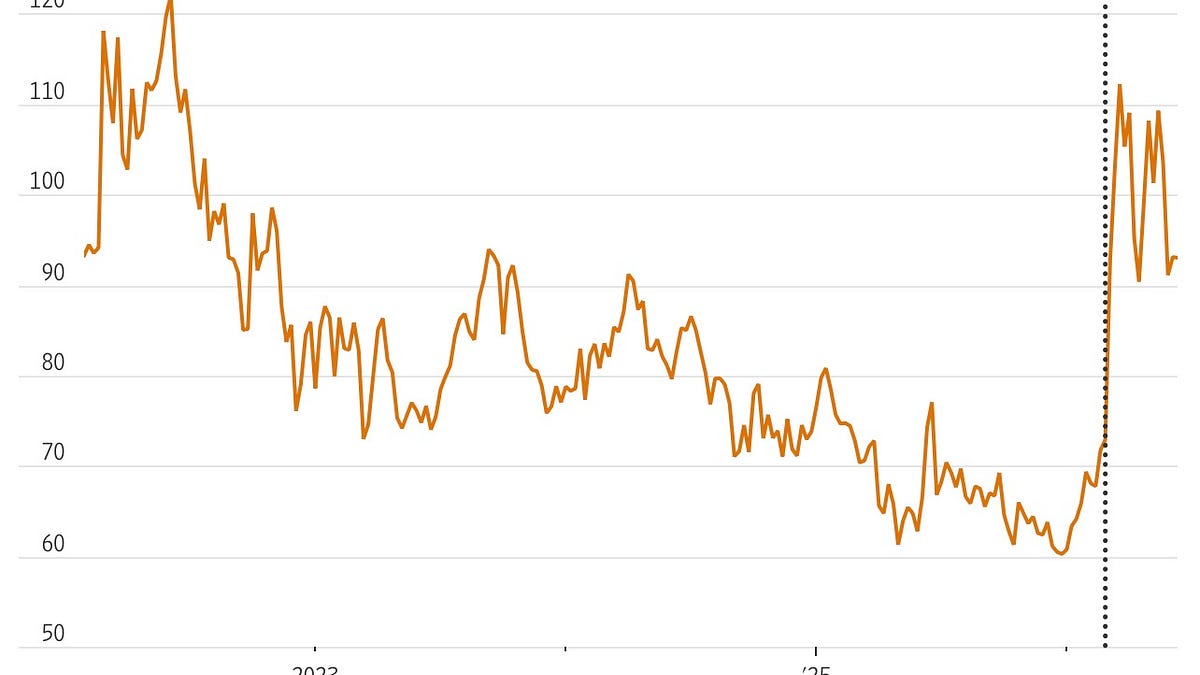
Donald Trump has called off new air strikes on Iran. Iran’s leaders have agreed to some sort of unspecified deal. Oil price is going up. Housing, climate and poverty are the top stories from the political economy of Aotearoa and elsewhere.

Control how your data is used via the Cookie Settings link in our Privacy Policy and view more info at any time via the cookie settings link in the Privacy Policy. The types of data being accessed and the ways in which we use your data for advertising purposes are detailed in the privacy policy.

Rachel Carson's 1962 book, Silent Spring, is marketed on the cover as "the classic that launched the environmental movement". Jerusalem and Jerusalem agree that Carson is unduly skeptical of the normal political process. Modern environmentalism has embraced the idea that true democracy involves endless rounds of consultation and post hoc litigation.
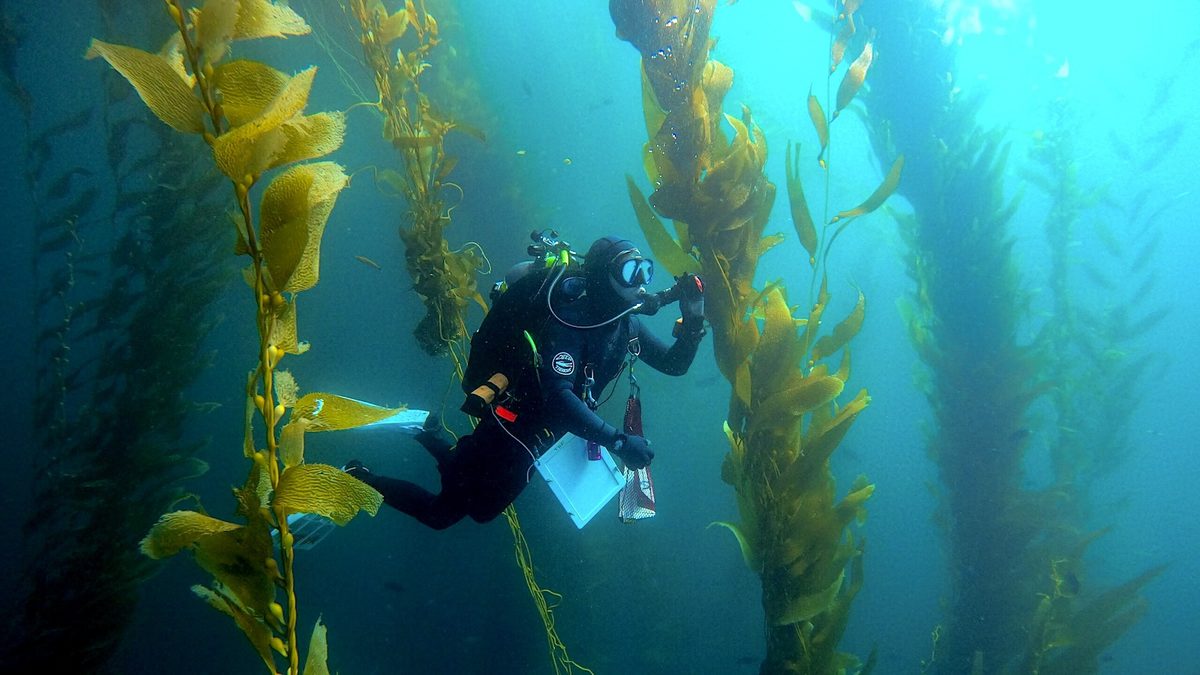
At one time, kelp forests grew along a third of the world’s coastlines. Kelp forests are on life support today, victims of water pollution, agriculture and coastal development, bottom trawling for fish and an explosion of kelp-devouring urchins. An estimated 40 percent to 60 percent of kelps have been lost or significantly degraded in the last 50 years.

Biscayne Bay is changing in ways almost no one can see. The bay has grown warmer, saltier and more acidic over the past two decades. The study’s authors say sea-level rise has made the change irreversible. The summer of 2023 was the hottest on record in Manatee Bay.
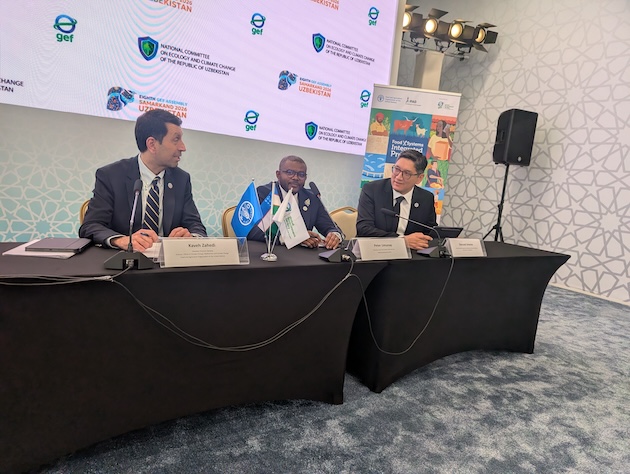
The Global Environment Facility (GEF) has approved USD 6.4 million for a new conservation initiative in Papua New Guinea. The initiative aims to protect 700,000 hectares of highland ecosystems by placing Indigenous Peoples and local communities at the centre of conserving and managing ancestral lands. The emphasis on community ownership reflects a broader evolution in global conservation policy.

Albania's Vjosa-Narta wetlands are being destroyed. Protests are taking place in Tirana against the construction of a new airport in the protected area. The project is backed by US President Donald Trump’s daughter Ivanka and son-in-law Jared Kushner.
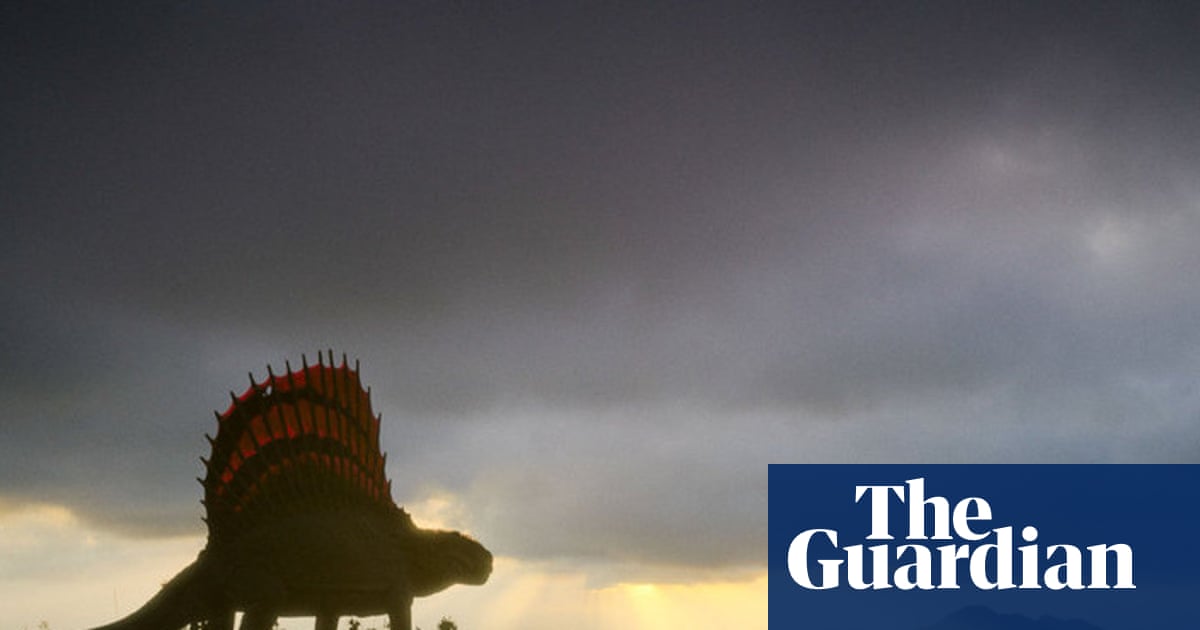
Surviving Earth is a new docuseries premiering on Thursday on NBC. It's produced by Tim Haines, the same producer who created Walking with Dinosaurs. Surviving Earth explores eight mass extinction events going back 450m years through the lives of the creatures that preceded or existed alongside the dinosaurs.