
Karli Swenson studied substance use during pregnancy in Colorado. She developed a training for obstetric and neonatal healthcare professionals to improve perinatal substance use care. 1,454 healthcare professionals completed the training in 33 hospitals, birth centers and community organizations in Colorado between 2023 and 2025.

On May 28, the lower house of the National Congress of Brazil passed a bill that would allow parents to commit children as young as 12 to therapeutic communities to be treated for substance use. Therapeutic communities are private, faith-based residential drug treatment facilities where patients are subjected to forced labor and other abuses. In 2025, the Federal Prosecution Office published a report on the human rights violations in these institutions. The model built under right-wing Bolsonaro has largely persisted under left-wing Lula da Silva.

Cannabis has become the unofficial prescription for lost sleep for many people. Neurologist sees patients whose sleep has unraveled after months or years of use, especially teenagers and veterans. For teenagers who are sleep-deprived and facing early school start times, cannabis can become its own nightly fix.
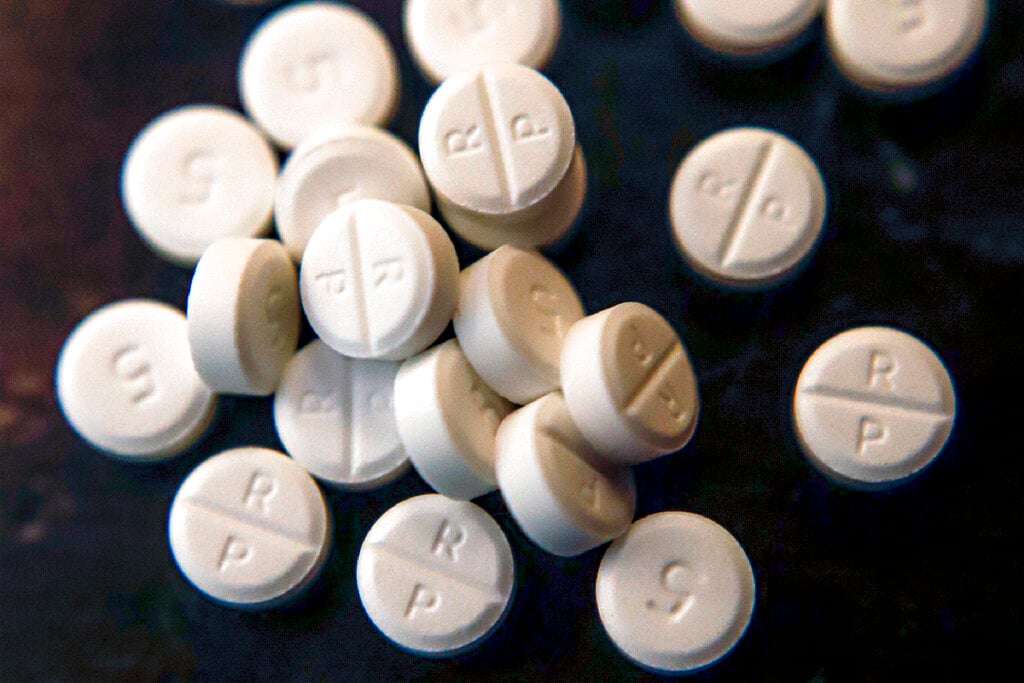
The 11th Circuit declined to answer whether insurers must defend pharmacies facing lawsuits from government entities and healthcare providers over their role in the opioid epidemic. Billions of dollars are at stake between pharmacies and insurance companies over costs incurred by states, healthcare providers to tackle rising opioid deaths.

Theresa is the lead Morning Rounds writer. Lauren Chan will be reporting with STAT this summer. Five members of the American Diabetes Association were expelled from the annual meeting. The group's CEO has apologized to them and the diabetes community for the expulsions.

Audit criticizes Michigan Department of Health and Human Services' oversight of Michigan 211, a 24-hour hotline that connects residents with health and human service agencies. Auditors also found weaknesses in the state’s oversight of the Michigan Problem Gambling Helpline and many employees responsible for monitoring hotline contracts had not completed recent conflict-of-interest disclosures.
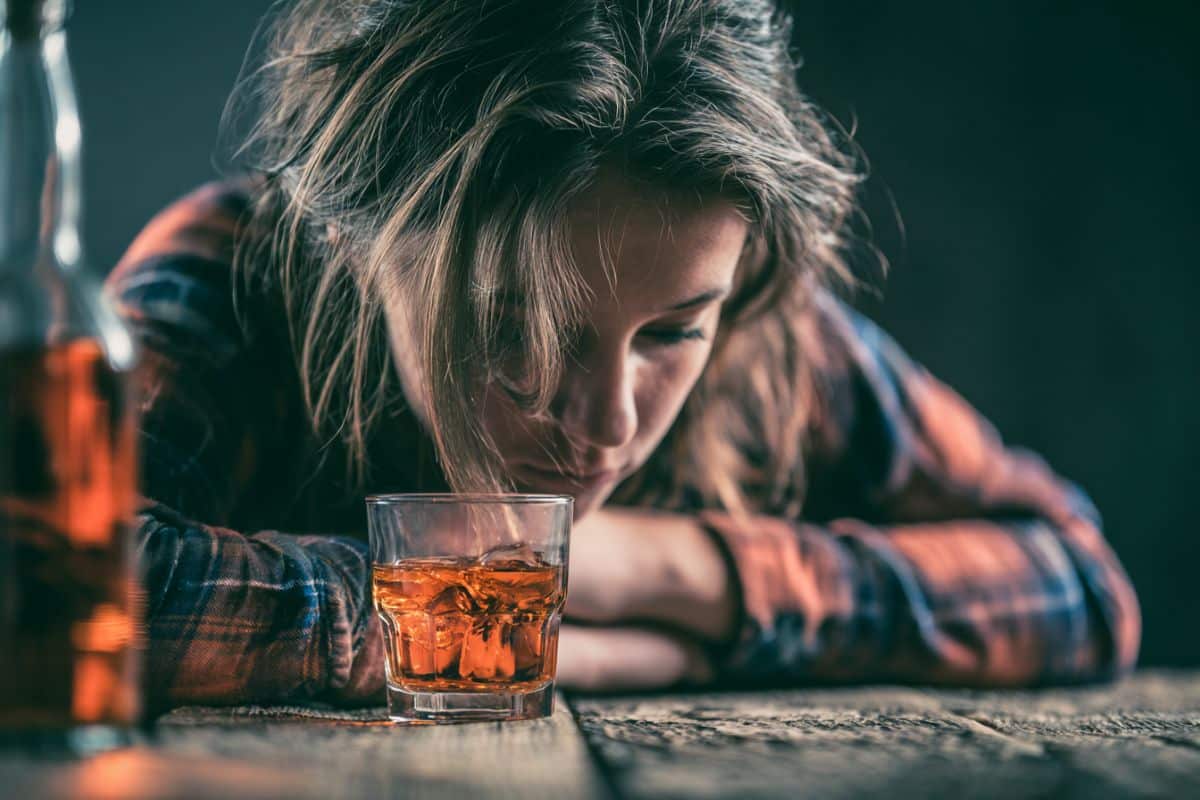
Pitt Medicine has broken the long-held scientific consensus surrounding teenage risk-taking. The investigation revealed that adolescent experimentation with substances like alcohol, cannabis, and nicotine is driven by a deficiency in baseline dopamine levels, rather than an excess. The data unmasked a distinct “youth peak” cohort: teenagers with the lowest baseline reward biology who engage in early substance use as an involuntary, compensatory mechanism to “jump-start” an under-stimulated brain. As their dopamine systems matured and stabilized into adulthood, their substance experimentation rapidly plummeted.

Spotify removed more than 57,000 podcast episodes and 3,000 shows with links to illegal online pharmacies. Senator Maggie Hassan's office spent nearly a year pressing Spotify for answers. Spotify has a history of working with law enforcement when content violates the law, but it doesn't say how often.

A new study has expanded the biological map of substance use disorder, locating the primary genetic driver of cocaine addiction within the liver rather than the brain. The Ces1 gene cluster regulates the liver-based metabolism by regulating the non-non-reactive metabolisms. Future medications could target these liver enzymes to deliberately speed up or alter metabolism and blunting the compulsive drive to use.

Today's Unreported Truths chat was about how UT readers feel five years after peak Covid jab hysteria. Many of them are still angry about the vaccine mandate their children faced at their high school and college aged schools. Many remain friends with vaccine or lockdown skeptics they met in 2020 and 2021.