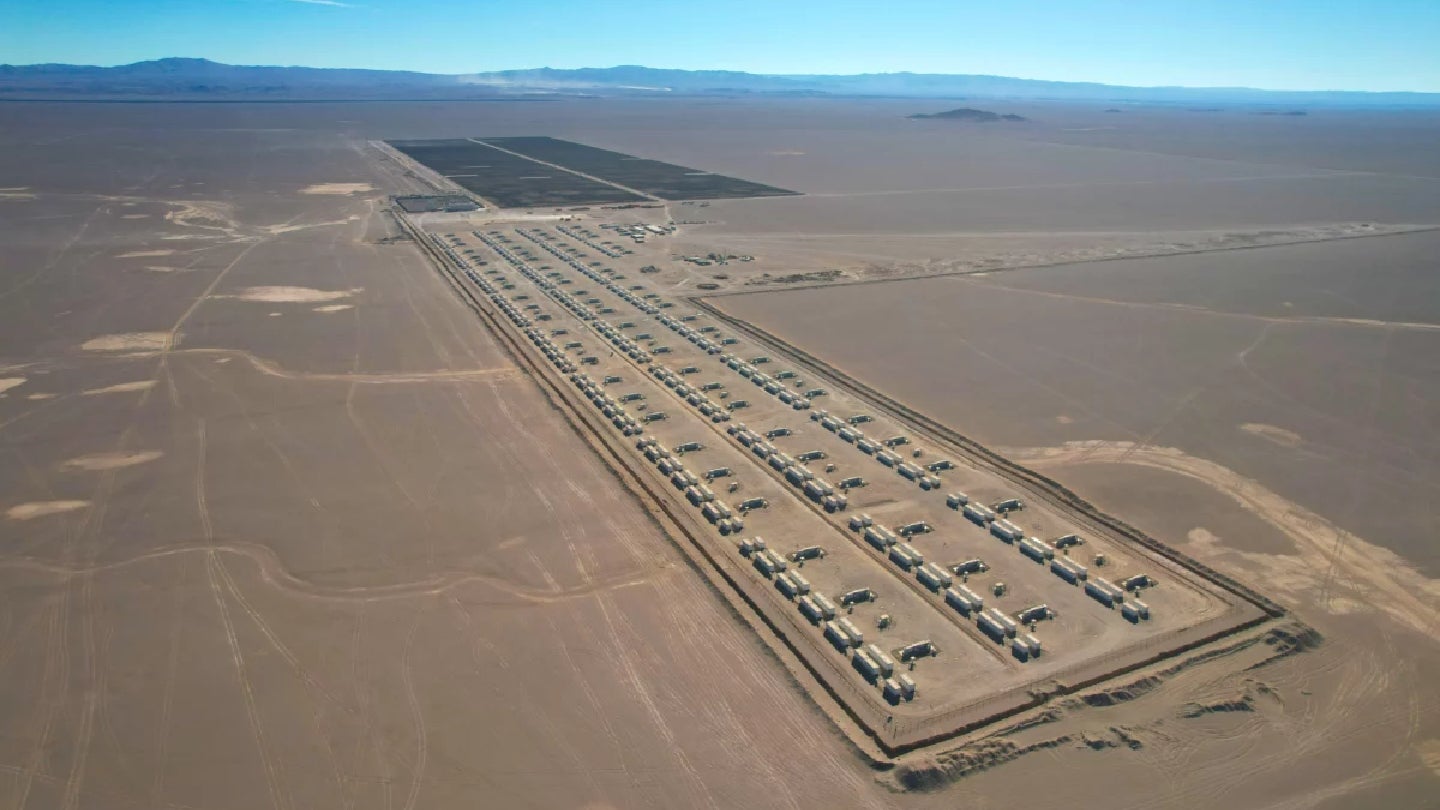
Grenergy has inaugurated the Elena battery plant in María Elena, northern Chile. It has a commissioned storage capacity of 3.5GW-hours (GWh) and is designed to reach 7GWh by 2028. It comprises 624 containers and 6,240 batteries. It forms the initial phase of a broader renewable energy platform known as Oasis de Atacama. Grenergy has invested $2.8bn (€2.42bn) in Chile to date and aims to increase its total investment to $4.8b within two years.
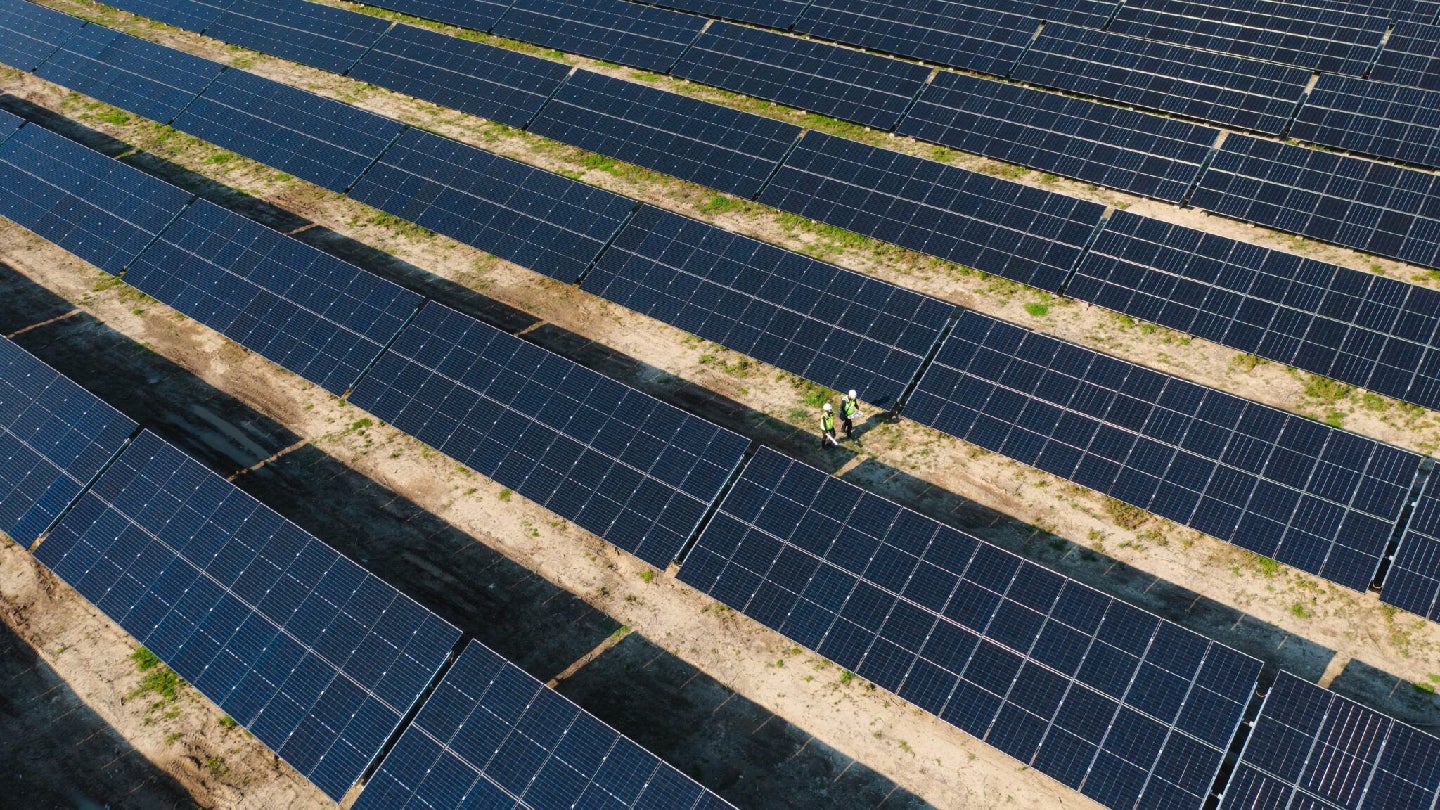
Finnish renewable energy company Solarigo has submitted a zoning initiative for its proposed 250MW Toholampi Hybrid Park. The park is intended to combine large-scale solar power generation and battery energy storage in Central Ostrobothnia. The project is expected to result in both investment and employment in the region, particularly during construction.
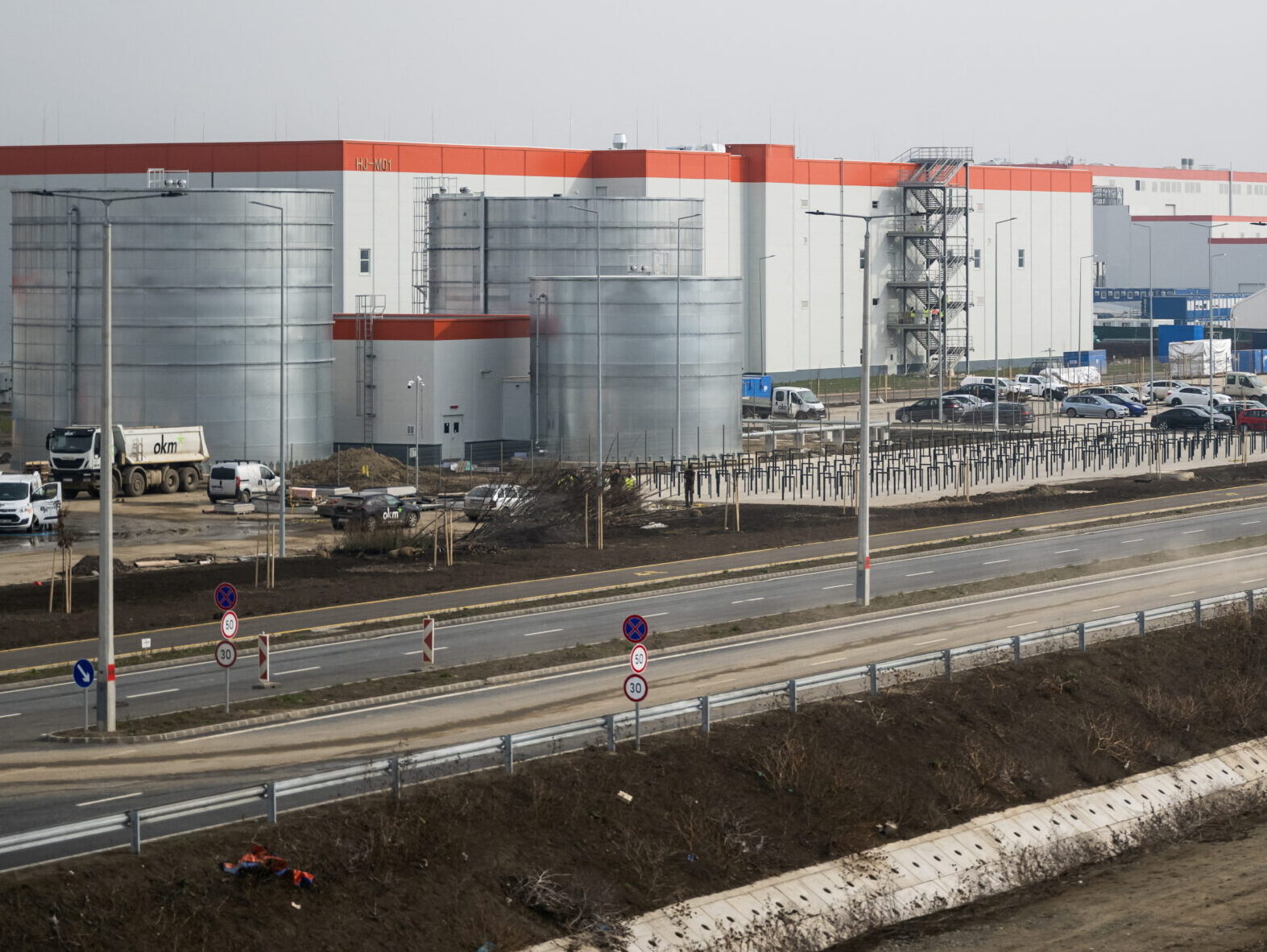
Batteries are important for both commercial and military purposes. They are already deployed in first-person-view drones and other autonomous weapons systems. Advanced batteries could also enable next-generation systems such as directed-energy weapons or longer-endurance submarines. The United States and South Korea must cooperate comprehensively across the whole dual-use battery supply chain.

Colorado passed the first US electric- and hybrid-vehicle battery recycling policy signed by Governor Polis and made law last week. It will set a standard for the rest of the country. If the U.S. adopted recycling and a complementary set of strategies, we could meet about half of future EV battery lithium demand with domestic recycled content by 2050.
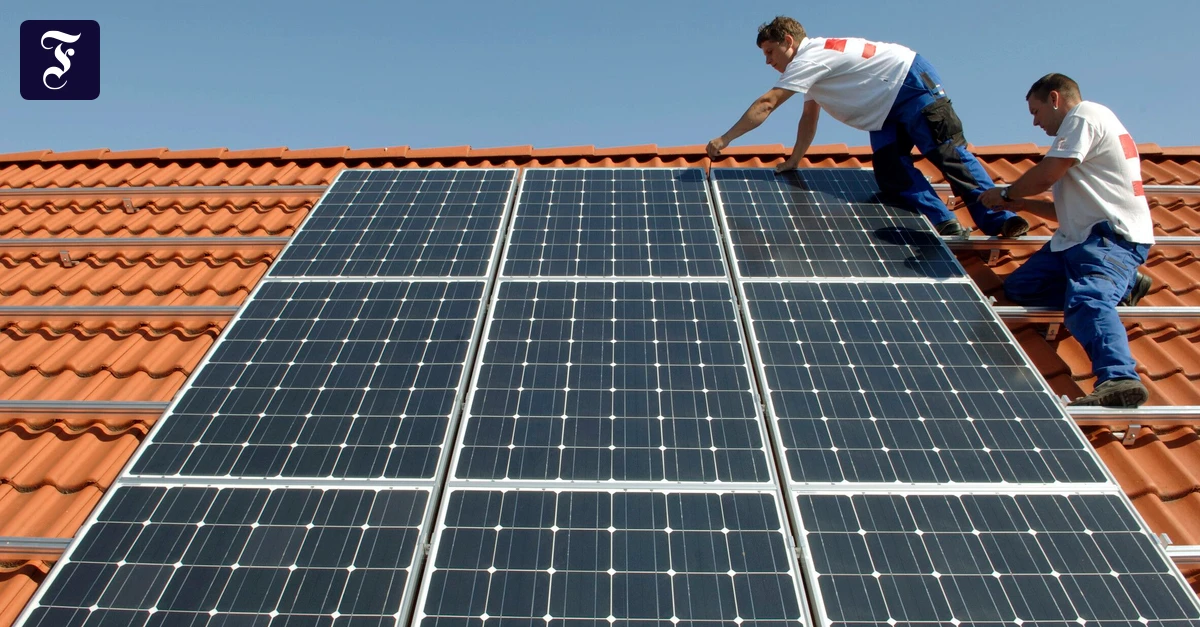
By 2030, 80% of electricity needs should be covered with renewable energies. Germany is not moving fast enough to expand the network. Direct current technology could be used to improve the efficiency of the electricity network. Smart homes and energy storage could be a solution to the problem of electricity prices.

The US has the world's largest nuclear fleet and France second, but they have hardly added any new reactors to their fleets in recent years. Smaller reactors are attracting a lot of interest and investment in the US. A microreactor developer just saw its reactor reach criticality in a new Department of Energy pilot program.

Andrew Redd left SpaceX and founded Endurance Energy. He wants to harness terawatts of geothermal energy deep in the Pacific Ocean. The company has raised $54 million in a Series A funding round. It will develop its plans for power plants at a time of surging energy demand from AI data centers and electric vehicles.
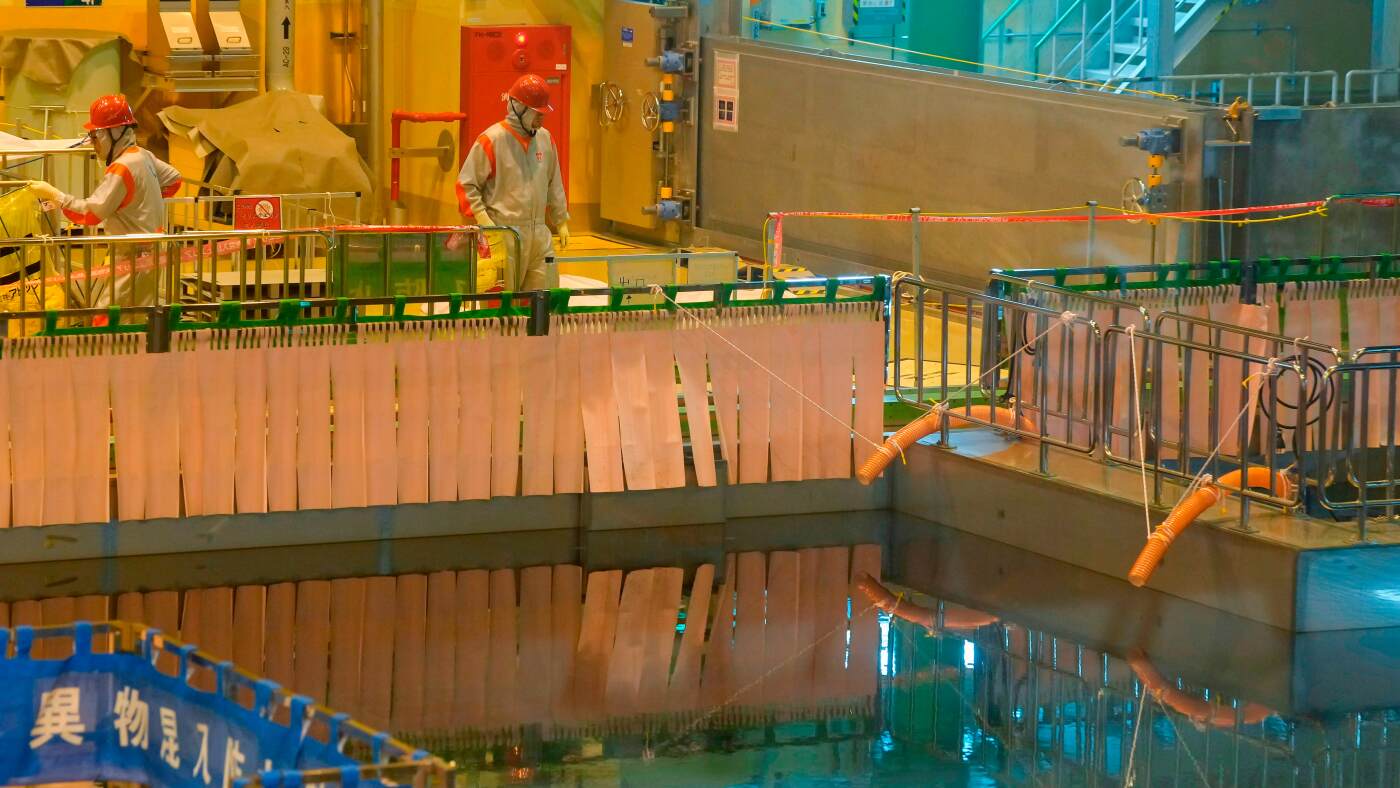
Japan has restarted No. 6 reactor at Kashiwazaki-Kariwa Nuclear Power Station earlier this year. It is one of three plants whose cooling pools will be full in five years. The government is considering Minamitorishima, a remote Pacific island south of Tokyo, as a permanent storage for highly radioactive spent fuel.
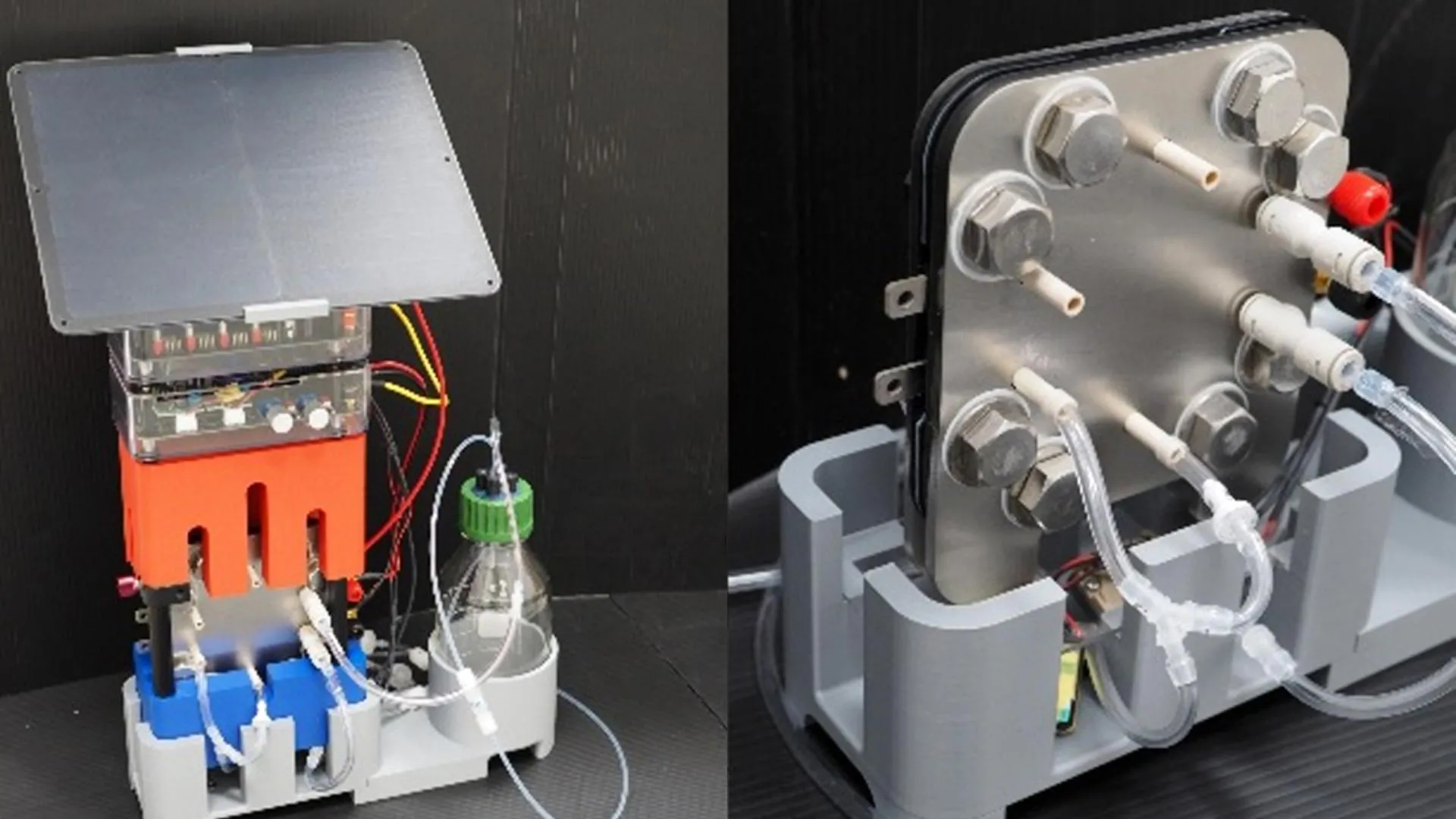
Osaka Metropolitan University has developed a new artificial photosynthesis system that can generate solar fuel more consistently. The advance comes from integrating a self regulating chemical component directly into the electrolyzer, reducing both system complexity and cost. The system produced formic acid from water and CO2 even as sunlight levels fluctuated.
There has been gross underinvestment over the last 15 years in upstream spending. Now we also look to significant tailwinds: A.I build out and the largest energy shock in modern history, says Mr. Cevallos. He believes that we are at the foothills of an incredible and enduring bull market in energy.