The USA and Iran have fired heavily at each other for the second night in a row, despite the ceasefire that has been in effect for two months. Iran's military blocked the Strait of Hormuz and counterattacked targets in the Gulf states of Bahrain and Kuwait. Two ships were said to have been shot at. US regional command Centcom called this claim false. US military later stopped its repeated attacks.

The Strait of Hormuz is completely closed until further notice due to tensions between the United States and Iran. US and Iran exchange air attacks for a second straight day on Thursday. Iran's foreign ministry condemned the latest US strikes on the country, calling the ceasefire "practically meaningless". Iran and the US are negotiating a preliminary deal over releasing frozen Iranian funds.
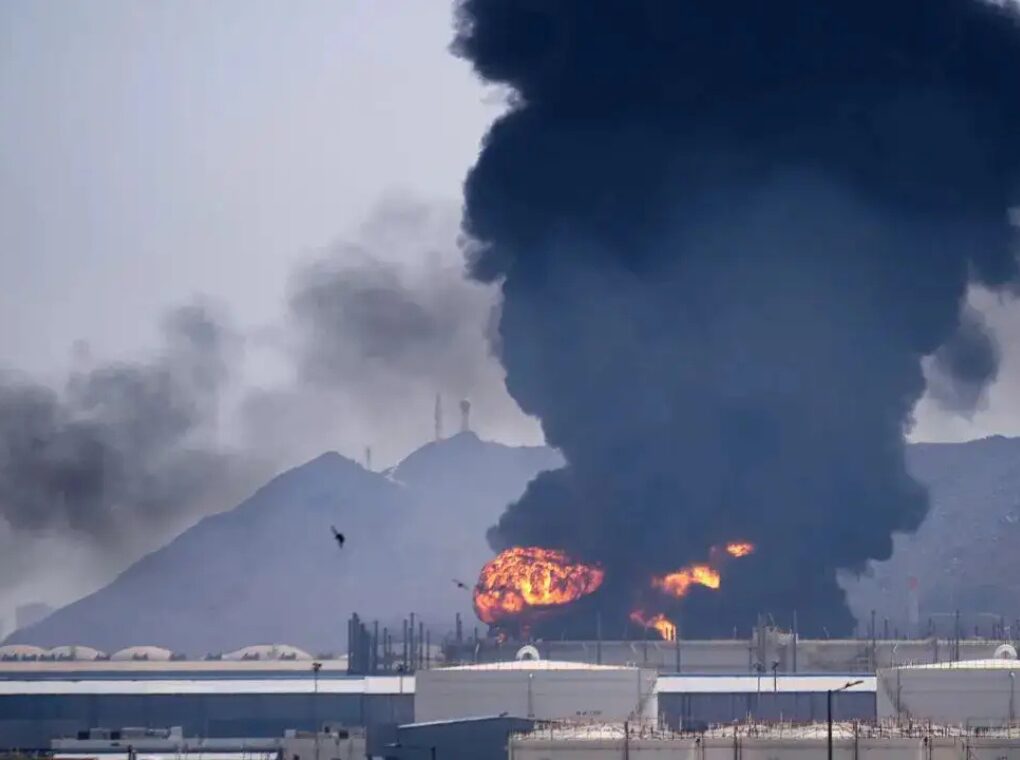
The US military launched a second night of strikes against Iran early Thursday, June 11. The escalation marks the most significant breakdown since a fragile ceasefire took effect in April. Iran declared the Strait of Hormuz closed to all vessels. Iran's IRGC claimed attacks on US bases in Kuwait, Bahrain and Jordan. US crude inventories fell by 7.2 million barrels to 426.5 million barrels in the week ended June 5.
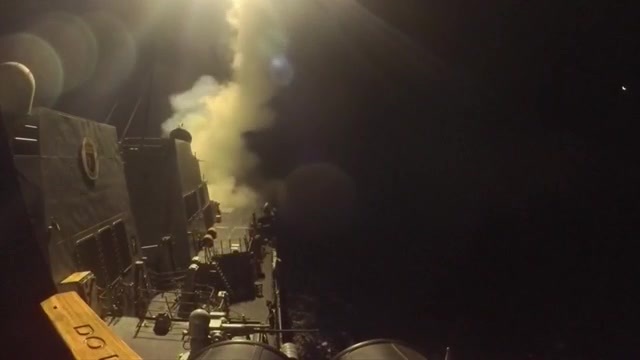
The U.S. and Iran traded strikes for a second day, pushing the Middle East closer to the resumption of a full-scale war. It was the third time this week that back-and-forth strikes have rattled the region. The first involved attacks between Iran and Israel, followed by the two rounds of fire between the United States and Iran. Iran's stranglehold on the Strait of Hormuz has disrupted global energy supplies and made food and other basics more expensive.
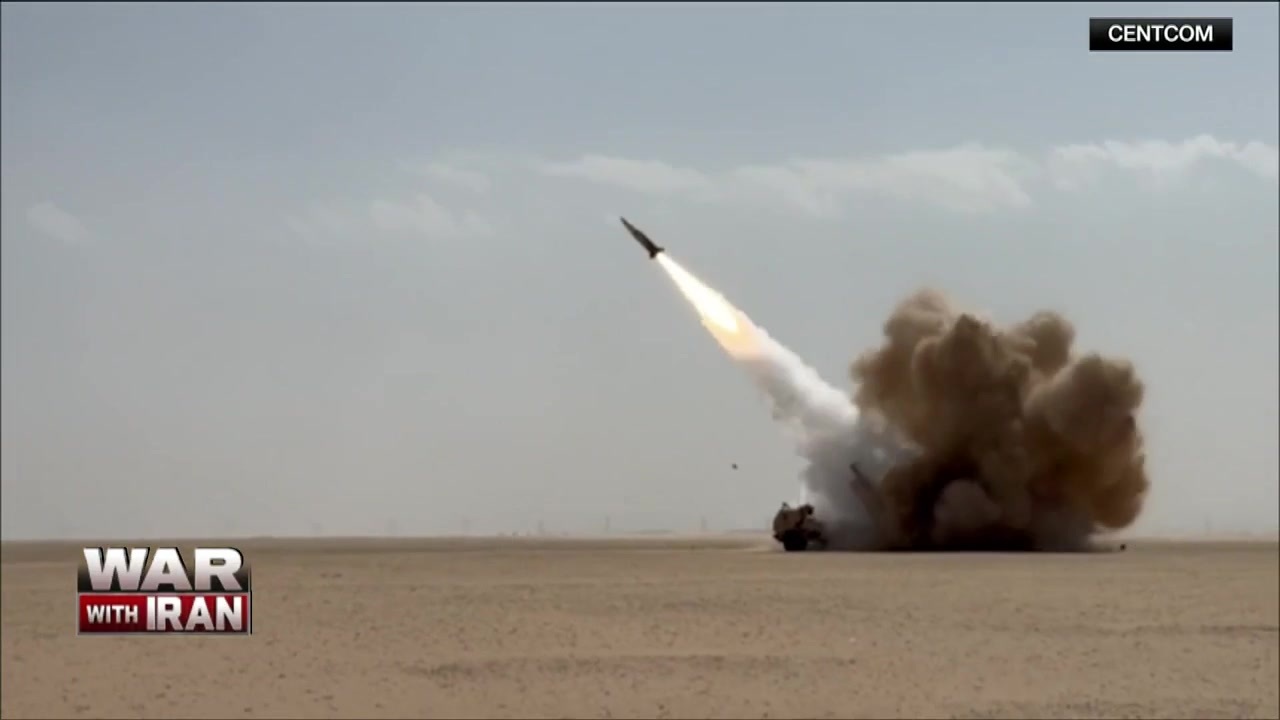
Iran and the U.S. traded strikes for a second day, pushing the Middle East closer to the resumption of a full-scale war. It was the third time this week that back-and-forth strikes have rattled the Mideast. Iran's stranglehold on the Strait of Hormuz has disrupted global energy supplies. The two sides remain at odds over Iran's nuclear program.

U.S. launched another round of airstrikes on Iran this morning. Inflation is at its highest level in more than three years. The 2026 FIFA World Cup will kick off in a few hours. Mexico will play South Africa in the opening match. The lead-up to the tournament has been marked by geopolitical tensions and protests in Mexico City.
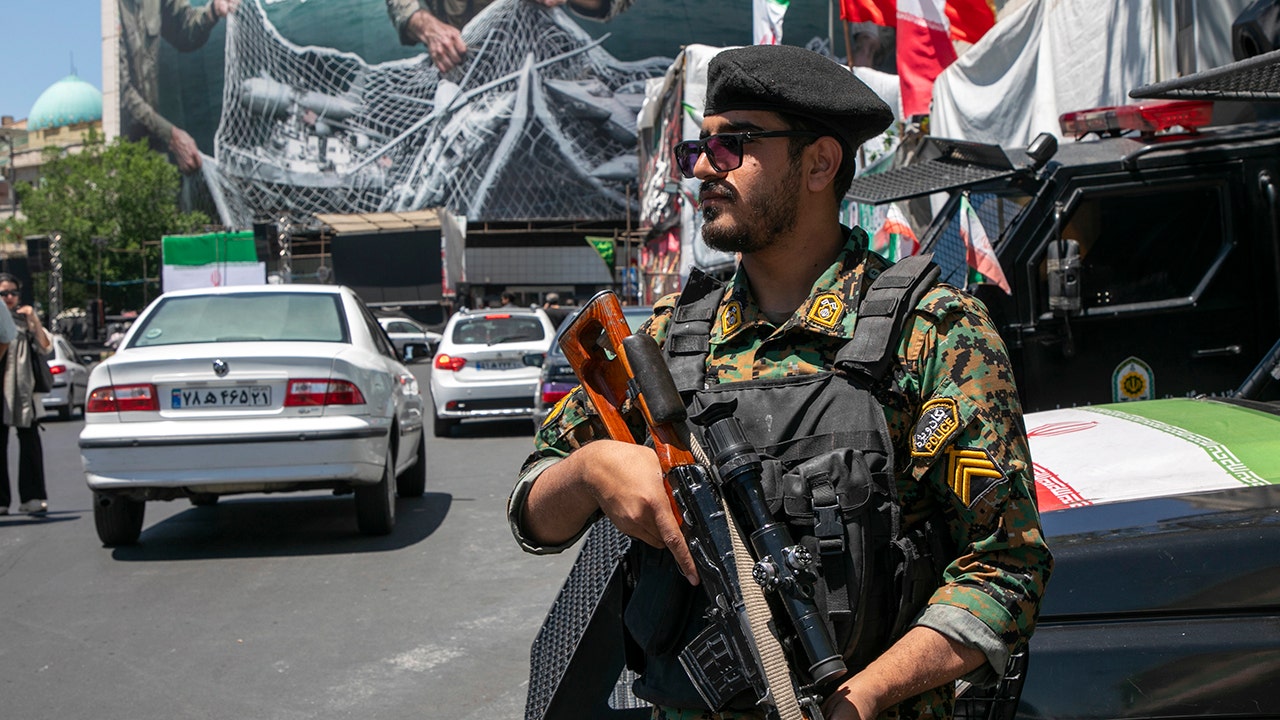
There is a fragile ceasefire between Iran and the U.S. but many Iranians say it does not feel like a ceasefire. The Islamic Revolutionary Guard Corps is expanding its presence on the streets and ordinary people are struggling to afford basic necessities. Milad describes a city transformed by security forces. Ali says the influence of the Revolutionary Guard is more open than ever.

The U.S. and Iran traded strikes for a second day, pushing the Middle East closer to the resumption of a full-scale war. It was the third time this week that back-and-forth strikes have rattled the region. The first involved attacks between Iran and Israel, followed by the two rounds of fire between the U., Iran and the United States. Central Command said its latest airstrikes targeted Iran’s military surveillance capabilities, communication systems and air defense sites.